Home Resources
-
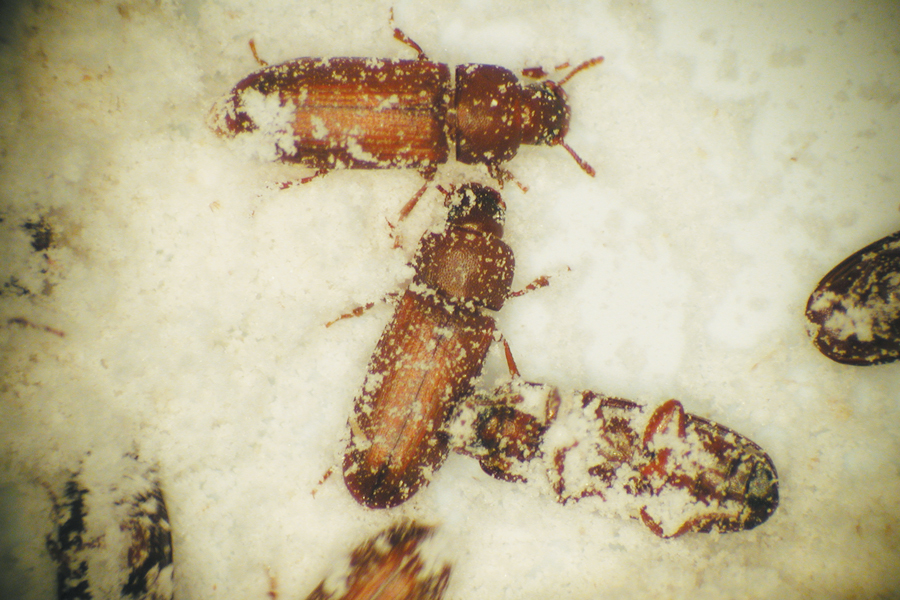
Several dozen insect species infest food and nonfood products of plant and animal origin commonly found in homes. Collectively, this group of insects is referred to as stored product pests. Most are small beetles or moths. For homeowners, often the first sign of a stored product pest infestation is the sudden, unexplained and then persistent presence of numerous insects in a particular area of the home.
|
-
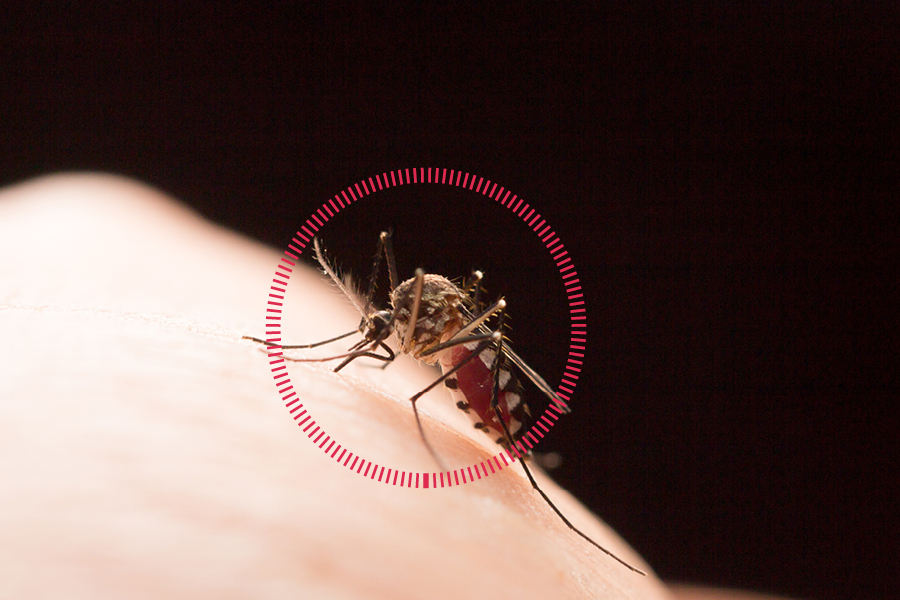
Mosquitoes are one of the most common insect pests that homeowners encounter. This circular introduces a few of the basic techniques and materials that homeowners can use to safely reduce mosquito populations around the home. Becoming familiar with mosquito biology is the first step in using an integrated pest management approach to efficiently and effectively reduce mosquito populations. By learning about mosquito biology, source reduction, surveillance and control, homeowners can become active participants in their own mosquito control program. An integrated approach is the most effective way for homeowners to reduce mosquito populations and reduce the need for pesticide applications in their community.
|
-

If you need a particular type of insurance, it is better to have it even if you never use it. The hard part is knowing the difference between insurance you need and insurance you are better off without. Many people purchase insurance without knowing whether they need it or not. Unless you fully understand insurance, you may be wasting money on insurance products you don’t need.
|
-
C 1047-2
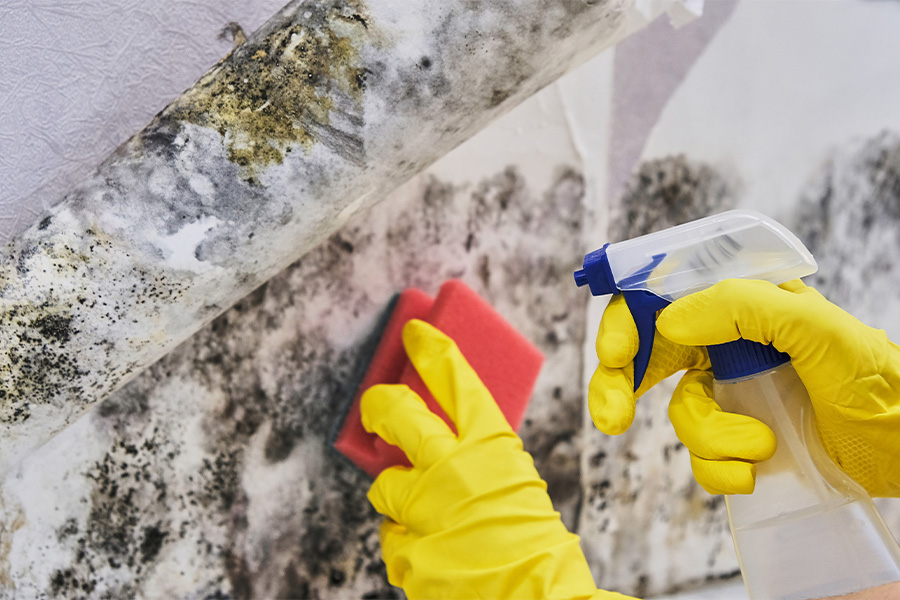
Removing Mold in Your Home
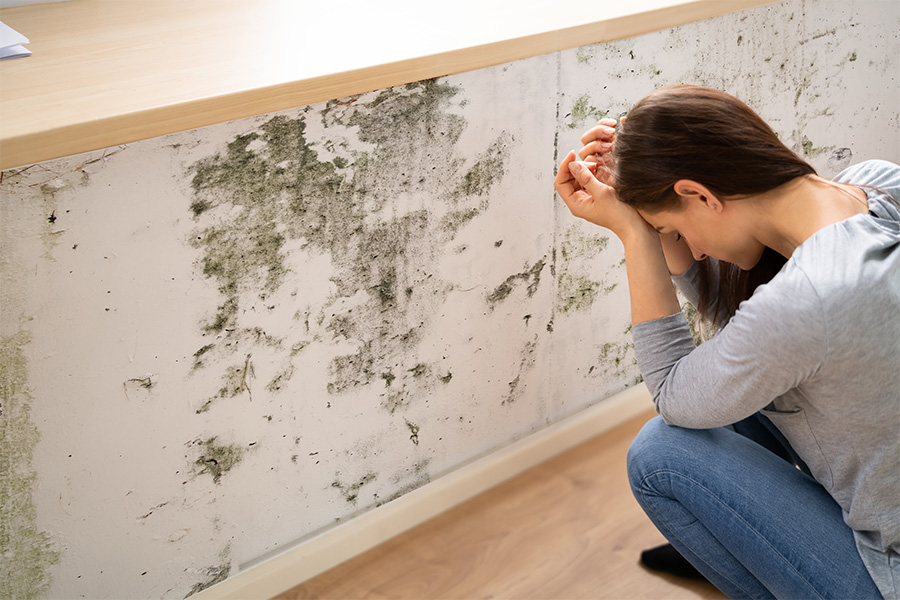
Mold grows from spores, which are found naturally in the air and cannot be seen by the naked eye. Do a complete inspection of your home using the UGA Mold and Moisture Checklist. The key to controlling mold is to eliminate the source of the moisture problem.
|
-
C 1047-1
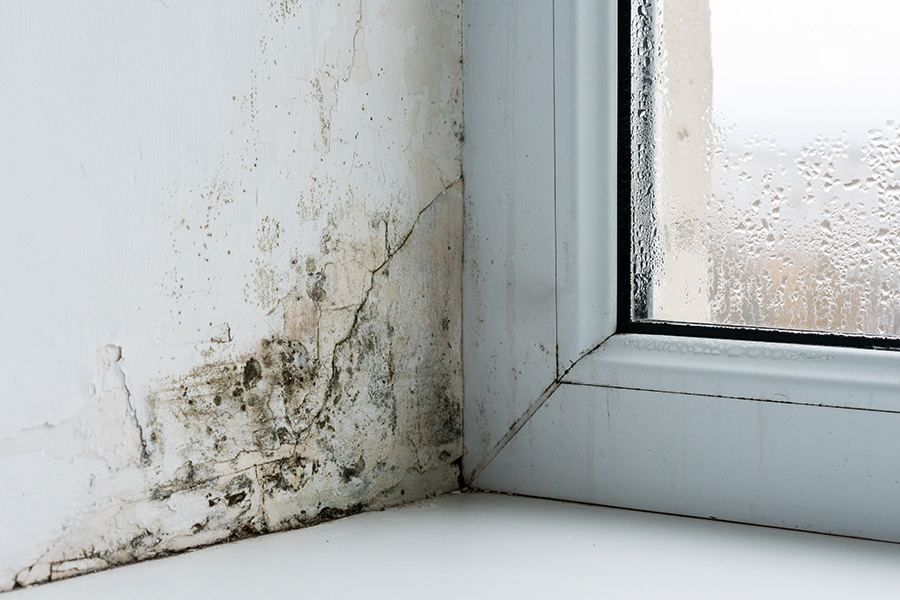
Preventing Mold in Your Home
Mold in your home is not only unsightly, it can also cause health problems. If you have mold growing in your home, you may experience allergy-like symptoms, asthma attacks, or other negative health effects. Learn how to prevent mold from becoming a problem in your home.
|
-

C 1082
Home Maintenance Checklist
Just like your personal health, your home’s health will decline without regular care and maintenance. Maintaining a healthy indoor environment helps increase your quality of life and the life of your house. With a few simple steps you can keep your home healthy. Use this checklist as a guideline for your regular spring and fall home maintenance evaluations. Please note that maintenance frequencies may vary depending on your local climate and appliance manufacturing recommendations.
|
-
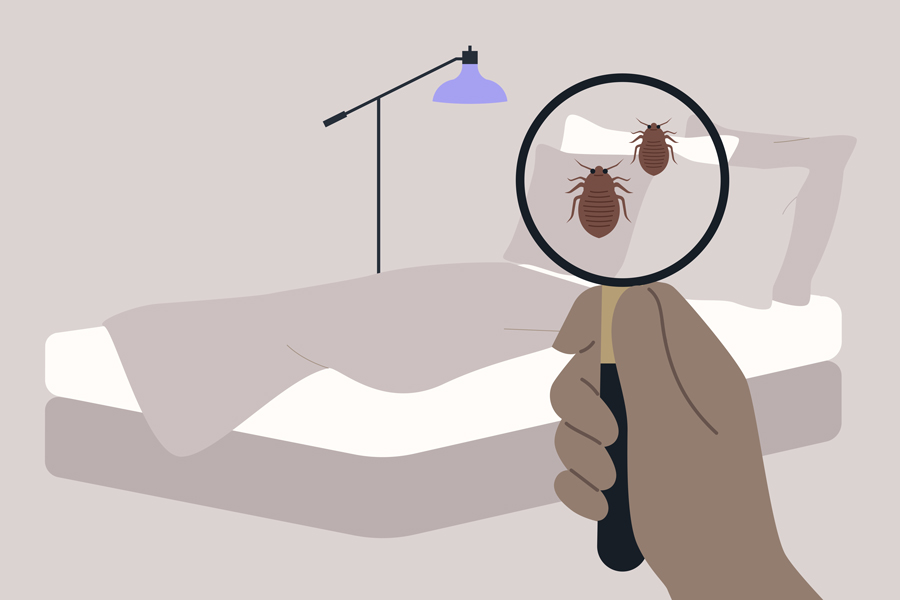
This publication presents helpful information about bed bugs and ways to reduce the risk of bringing them into your home. The circular includes a helpful guide to shopping for secondhand items.
For a handy quick-reference guide, download the two-page version of Circular 1108, Don’t let the bed bugs bite.
|
-

C 2579
Be Aware of Your Indoor Air
Did you know the air inside buildings is nearly always more polluted than outside air? Learn the types of indoor air pollution and what you can do.
This publication was originally published by the LSU AgCenter and released for use in the state of Georgia by UGA Extension Housing & Environment Specialist Pamela Turner.
|