Home Resources
-

C 1041-6
Housing: Your Top Priority
Keeping a roof over your head is an important concern when your income drops or doesn’t go as far as it used to. Careful planning can help you avoid eviction from your rental unit or the loss of your home.
|
-
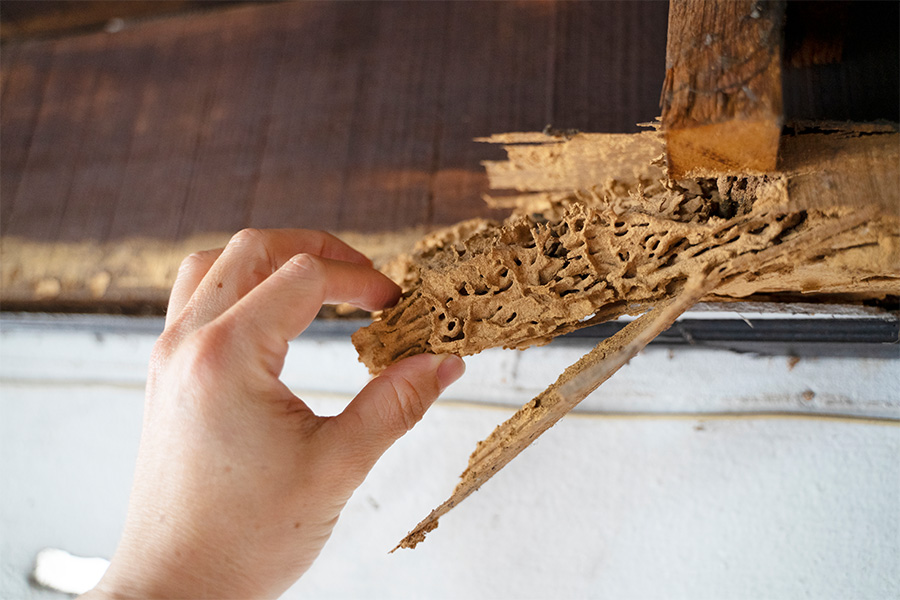
Though subterranean termites are a normal component of soil around buildings, structural infestations are not necessarily inevitable. As discussed later, a home’s susceptibility to termite infestation is dependent upon a number of things, including construction type, home maintenance, landscaping, and perhaps conditions in and around the structure that favor the activity, growth and survival of local termite populations.
|
-
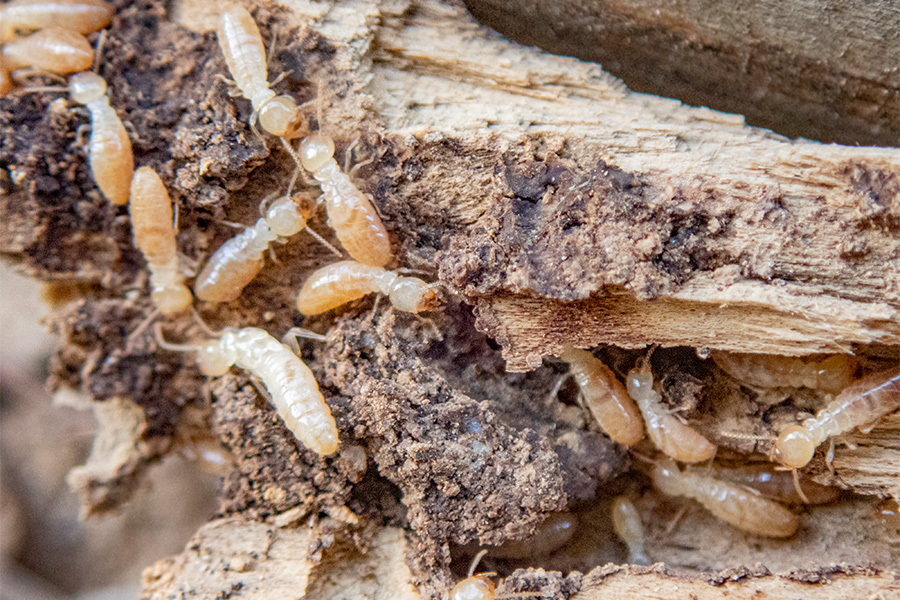
Las termitas subterráneas son los insectos sociales que viven en una sociedad en donde la mayoría de los miembros son insectos inmaduros o juveniles. Sus colonias pueden incluir de miles a millones de termitas, y a pesar de tener un cuerpo-suave, frágil y delicado son insectos formidables. En la naturaleza, las termitas subterráneas están estrechamente asociadas con el hábitat o entorno del suelo en donde construyen túneles para localizar agua y comida (ej. madera, troncos, y otras materiales que contienen celulosa).
[Subterranean termites are social insects that live in societies whose members are mostly mature individuals. Their colonies, which can contain thousands to millions of termites, are formidable, even though each individual termite is soft-bodied and delicate. This publication contains comprehensive information about subterranean termites in the Eastern U.S.]
|
-
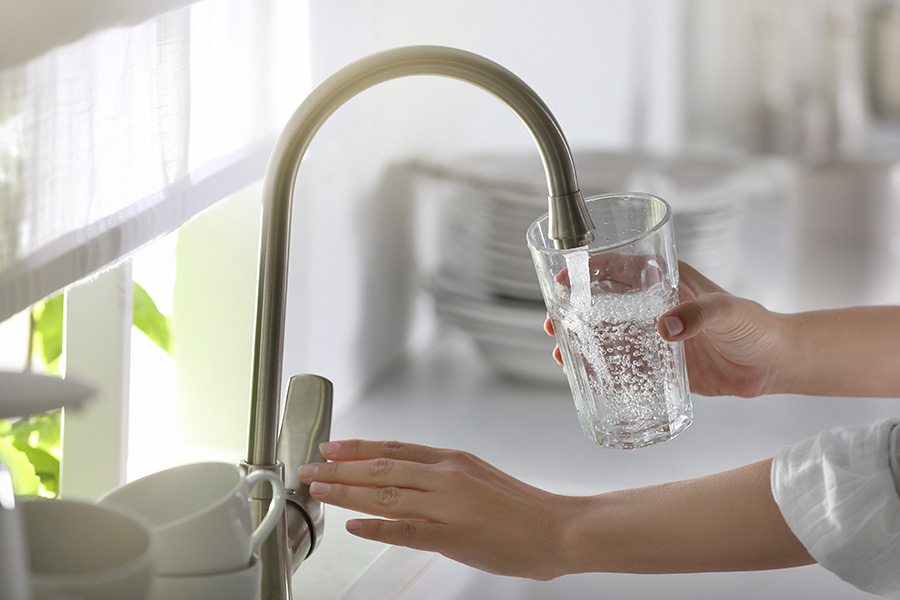
Arsenic in your drinking water may damage your health. Because arsenic in household well water is usually dissolved from natural rock in the aquifer, water treatment is the only way to eliminate it. This publication describes methods for removing arsenic from household drinking water.
|
-
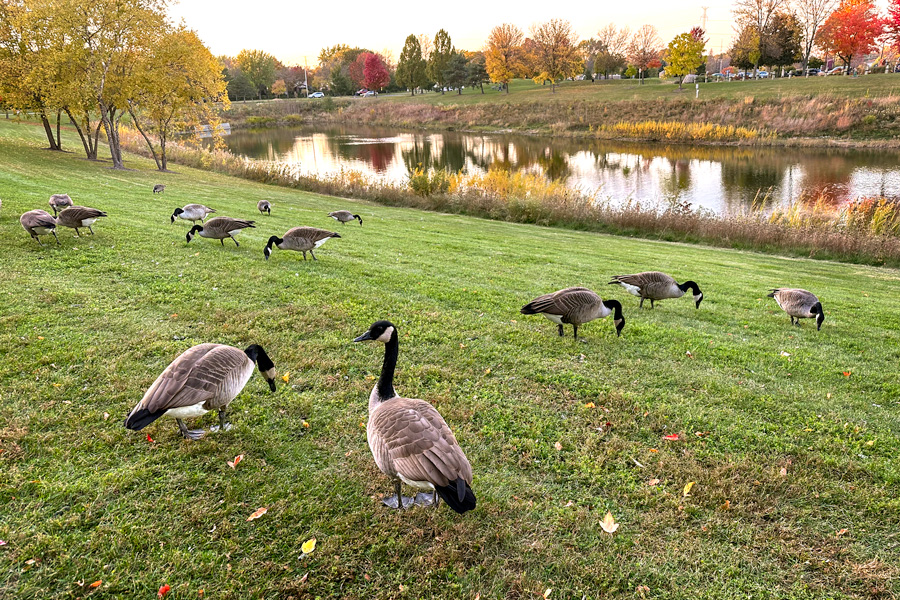
When wildlife populate a place where they are unwanted or cause damage to valuable plants or structures, they become a nuisance. This publication discusses some basic principles for dealing humanely with nuisance wildlife.
|
-
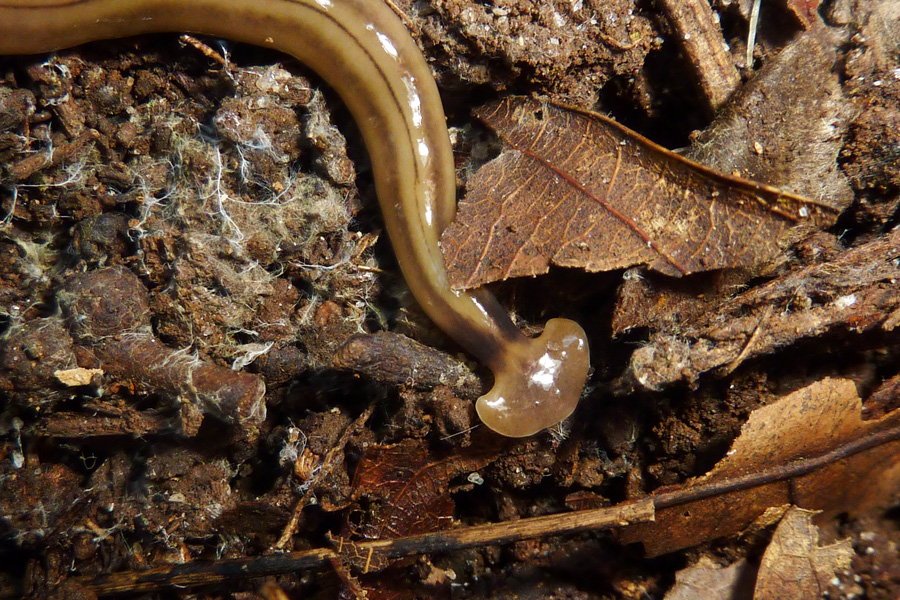
This publication is a guide to 110 common pest insects found in and around the home, including prevention and treatment options.
|
-
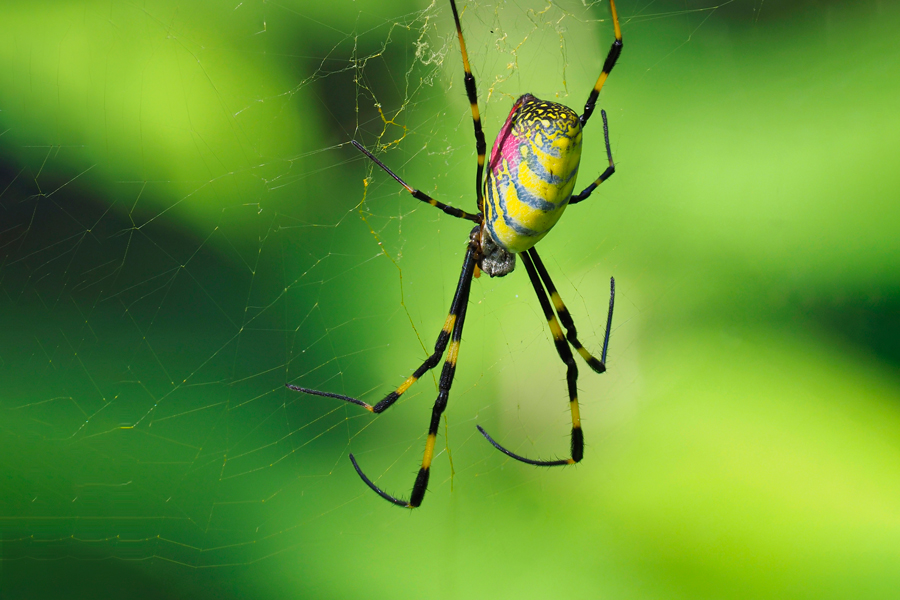
The publication gives basic biology and description, with images, of the spider’s immature and adult forms, along with recommendations for managing them around the home. The Joro spider is a native of Japan and East Asia that was first documented in the United States in 2014 in northeast Georgia. The initial population appeared to be centered around Braselton and Hoschton, GA, along I-85. By 2022, the spiders had spread about 75 miles in all directions from that initial detection. The native range of these spiders in Asia extends from southeast Asia northward through a swath of eastern China, the Korean peninsula, and all but the northernmost island of Japan, and westward to India and the foothills of the Himalayas. Given that distribution, there seems to be no obstacle to the Joro eventually expanding its range to include all of Georgia, the Southeast, and most of the rest of the eastern U.S. as well.
|
-
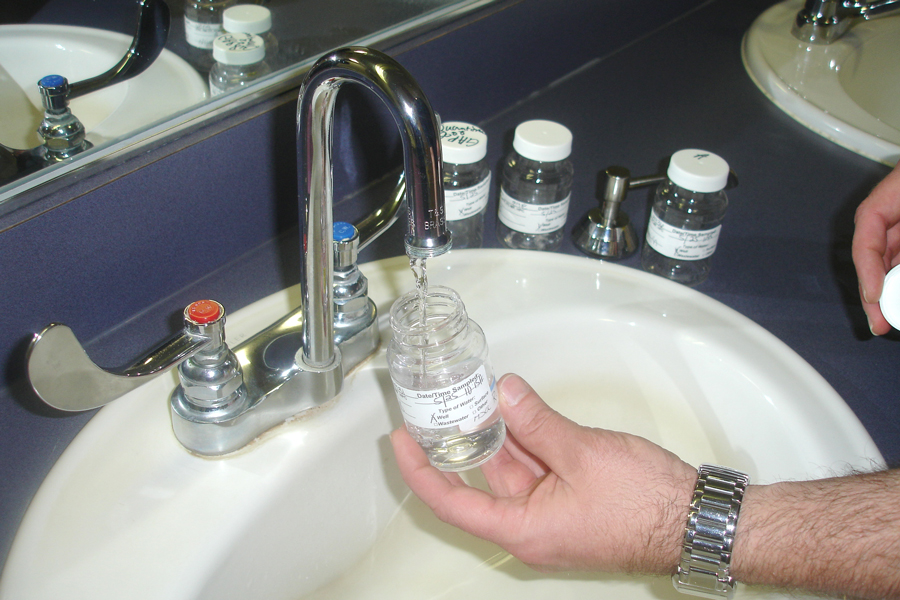
An abundant supply of clean, safe drinking water is essential for human and animal health. Water from municipal or public water systems is treated and monitored to ensure that it is safe for human consumption. Many Georgia residents, especially in rural areas, rely on private water systems for human and livestock consumption. Most private water systems are supplied by wells. Water from wells in Georgia is generally safe for consumption without treatment. Some waters, however, may contain disease-causing organisms that make them unsafe to drink. Well waters may also contain large amounts of minerals, making them too “hard” for uses such as laundering, bathing or cooking. Some contaminants may cause human health hazards and others can stain clothing and fixtures, cause objectionable tastes and odors, or corrode pipes and other system components.
|
-

Tawny crazy ants have proven to be a major nuisance to Georgia residents. This publication helps readers identify these ants and provides guidance for pest management professionals to manage and eliminate them.
|