Home Resources
-

B 1429
Home Safety Checklist
There are many potential hazards in your home, and falls are the leading cause of injury and injury death for people 65 and older. Reduce the risk of falling by conducting a simple home assessment using the checklists below. The goal is for there to be no marks in the “no” column of the checklist.
|
-

Our homes are filled with potentially hazardous household products we use for cleaning, gardening, auto maintenance and other activities around the house. These products may contain ingredients that can be hazardous when not used, stored, and disposed of properly. You can make your home safer and healthier by reducing exposure to hazards in your home by following these tips.
|
-

European hornets are widespread across much of the eastern United States. Native to Europe and Asia, they were accidentally introduced to North America in the mid-1800s. The European hornet is the largest species found in the United States and is particularly common in Georgia.
|
-
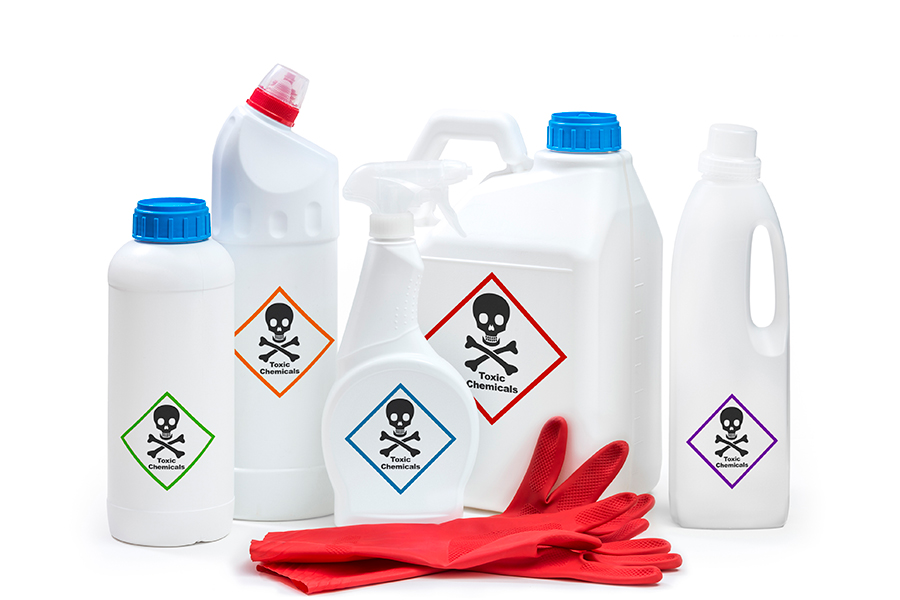
Poison look-alike products are potentially harmful substances that can easily be mistaken for safe ones, usually because they look the same or have very similar packaging. This resource provides information on what to look for and how to avoid poisonings among children, adults, and pets.
|
-
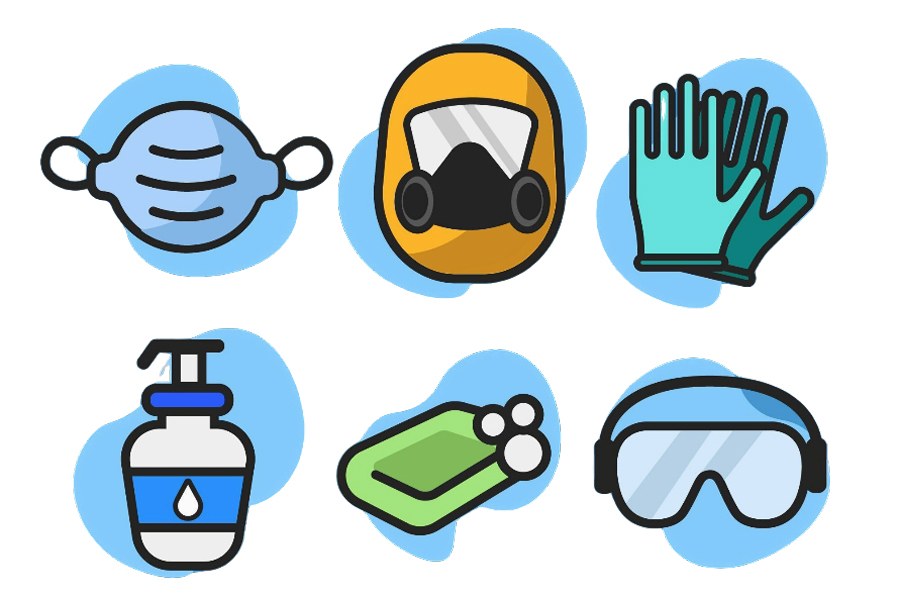
If your home is affected by a flood or other water-related disaster, fabric and clothing can become contaminated by floodwater, airborne mildew, or sanitation system failure. This guide provides steps to safely clean salvageable clothing and fabric items in order to save money, reduce waste, and keep people safe.
|
-
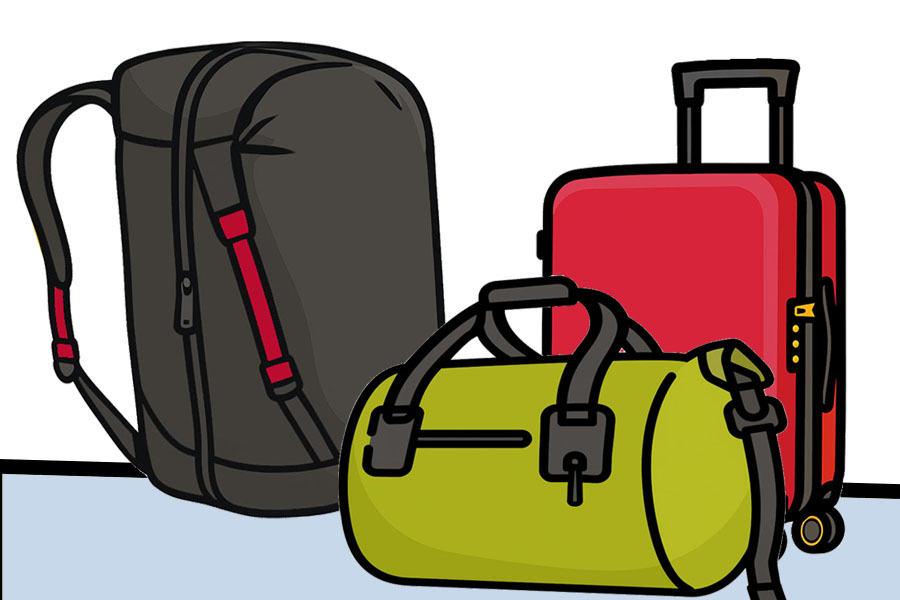
This guide helps Georgia residents at risk of flooding to collect and organize essential items into three bags to prepare your household for water-related disasters like hurricanes.
|
-

This publication covers microfiltration, which is used for physical removal of contaminants from water. It describes how these processes work, their situation-specific usefulness/applications, maintenance needed for their proper functioning, and guidance for the consumers to select the appropriate filter.
|
-
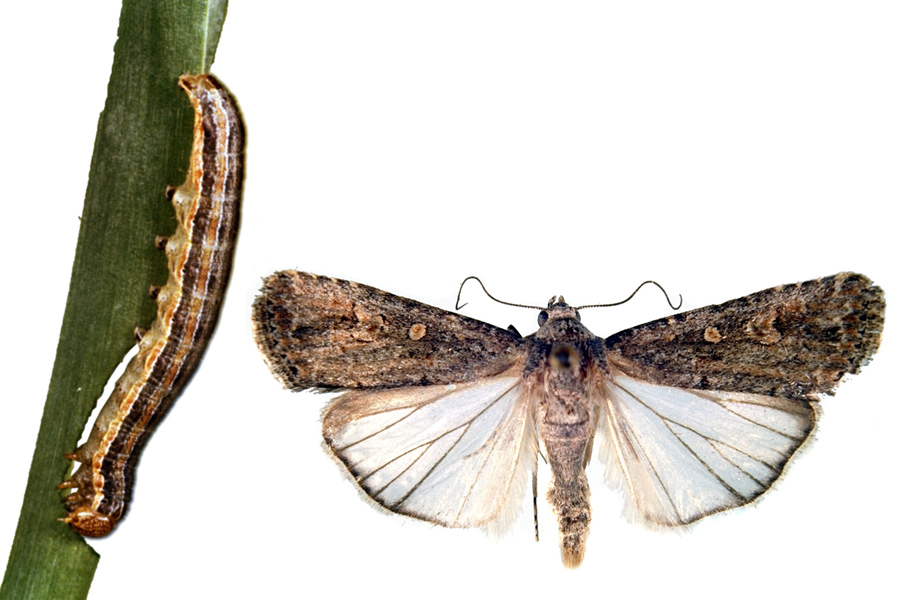
Fall armyworms are native to North America and can destroy lawn grass and other turf. They first reach Georgia in the spring or early summer, and caterpillars are noticeable in turfgrass in early July. The third, fourth, and fifth stages of fall armyworm caterpillars are the destructive stages. The younger stages (first through third larval stages) are tiny and hard to see in the grass. When infested, green turfgrass will gradually turn brown as the caterpillars grow. The damaged turfgrass may appear diseased or like it experienced drought.
|
-
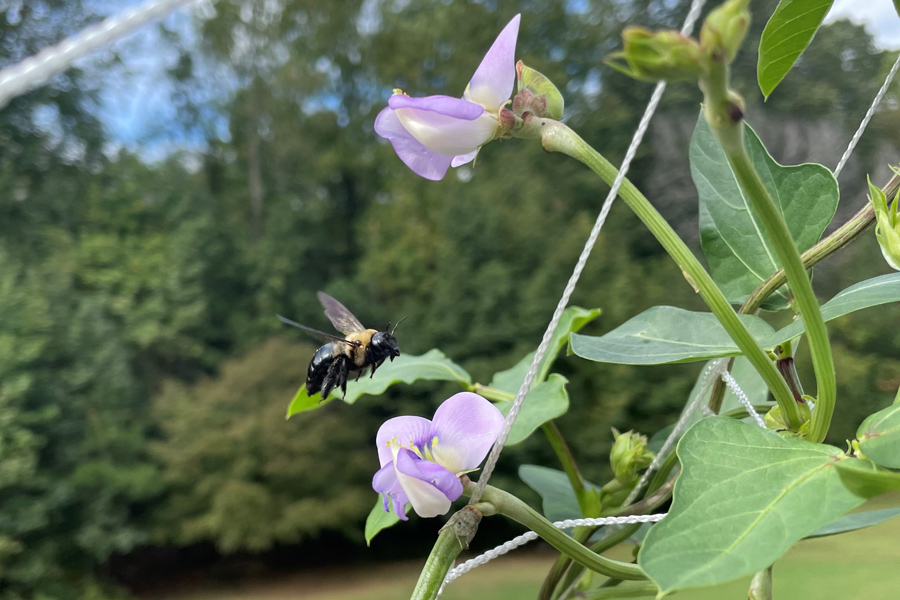
Carpenter bees can be a serious pest on outdoor structures made of wood, such as patios, decks, siding of homes, sheds, furniture, etc. The large carpenter bee is the most common species found in Georgia. While these bees are pollinators, mated females bore tunnels into wooden structures to raise their larvae. This tunneling causes substantial damage to wood, and sometimes even compromises the integrity of the structures they affect.
|