Horticulture Resources
-
C 944
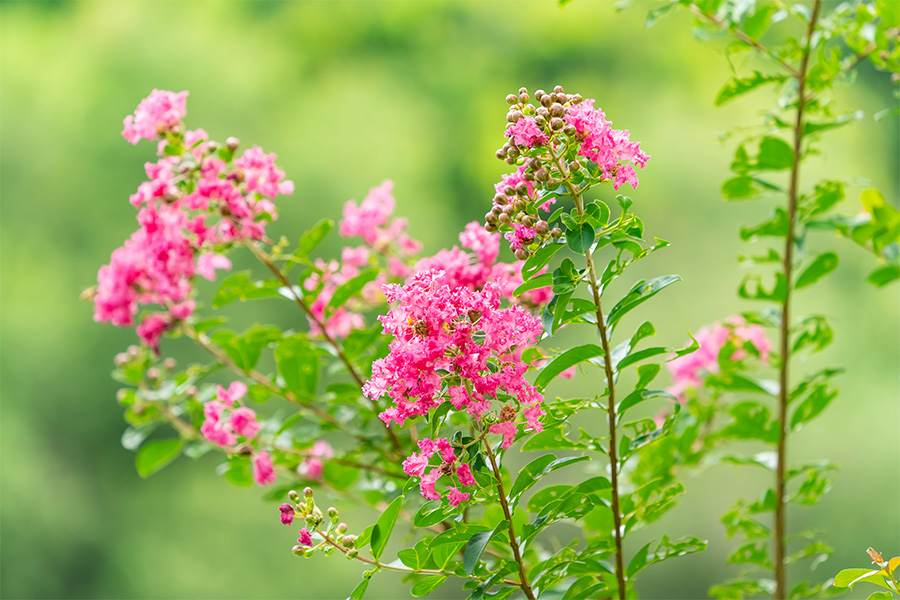
Crape Myrtle Culture
Crape myrtle is one of the most useful flowering shrubs/trees grown in Georgia. It provides abundant summer color with a minimum of maintenance.
|
-
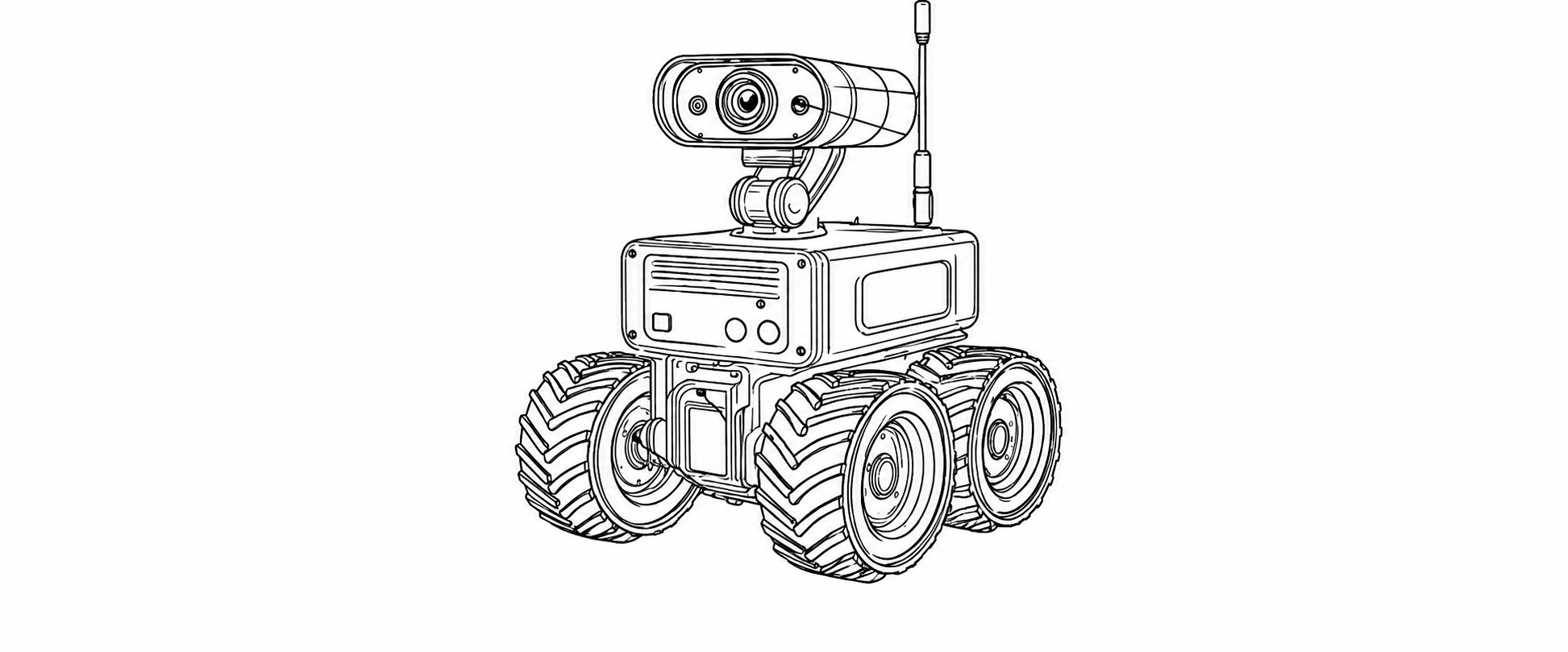
Robotics will soon become a common reality on farms. This Extension resource helps people to understand the basics of robotics for agriculture and the applications of these new machines.
|
-

Research has shown that if you properly select, install, and maintain ornamental plants, you greatly increase their survival and performance in the landscape. Following best management practices will not only conserve moisture in the landscape but also assure overall health and vigor of the ornamental plants.
|
-

Research has shown that a landscape that has been carefully planned and installed and properly managed will be healthier, less prone to insects and diseases, and will require less irrigation. Georgia’s landscape and turf industry and UGA Cooperative Extension are urging citizens to implement inexpensive and easy-to-perform landscape management practices that decrease the need for irrigation and/or lead to greater efficiency of irrigation when it is needed. This publication provides tips about planning, planting and maintaining the landscape to save water.
|
-

This resource provides an overview of water spinach cultivation for Georgia. Water spinach is an important part of the cuisine of a number of cultures. However, it can spread easily in waterways and is considered a noxious weed in many places. This resource addresses responsible production of water spinach, if permitted by the state of Georgia.
|
-

Annuals are the mainstay color plant of many home gardens. They are also used in increasingly large numbers in commercial and municipal landscapes because they provide landscape color in a very short time with minimal investment. Properly cared for, many annuals will brighten the landscape continuously from spring until frost kills them in the fall.
|
-
B 1518
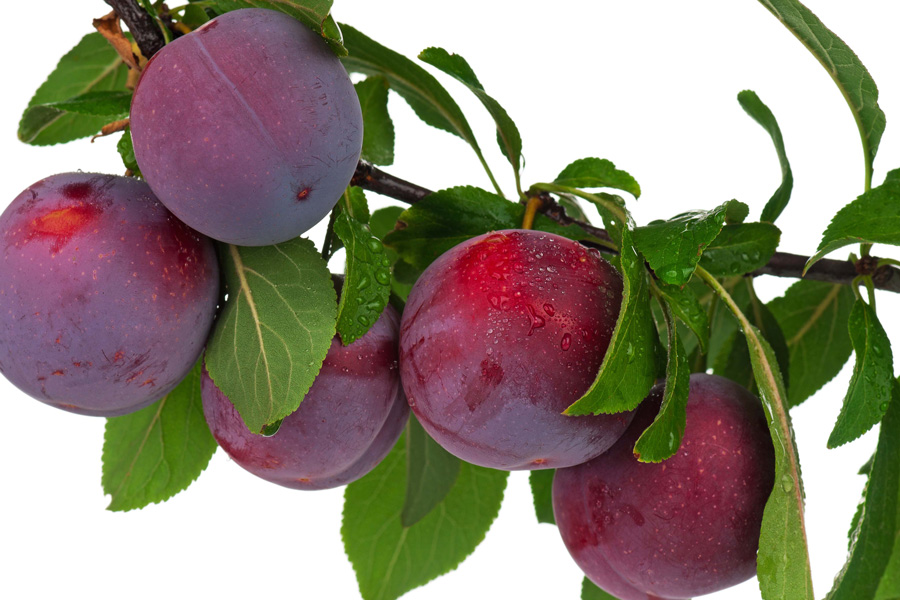
Home Garden Plums
This resource covers plum production, pruning, thinning, fertilization, and variety selection in the home garden. Most commercially grown plum varieties are derived from either Japanese or Asian plums or European plums. Japanese plums are primarily for fresh consumption, while European plums are for both processing and fresh consumption. The products obtained from processing plums include prunes (dried fruit, the predominant product), canned fruit, jam, jelly, juice, and beverages.
|
-

Damage to perennial woody trees and shrubs caused by hurricanes or high wind events is often not initially apparent. In some cases, it can take months or even years to manifest, despite plants looking relatively healthy after initial inspection by growers and insurance adjustors. This publication describes common damage seen in perennial woody trees and shrubs after a hurricane or high wind event.
|
-
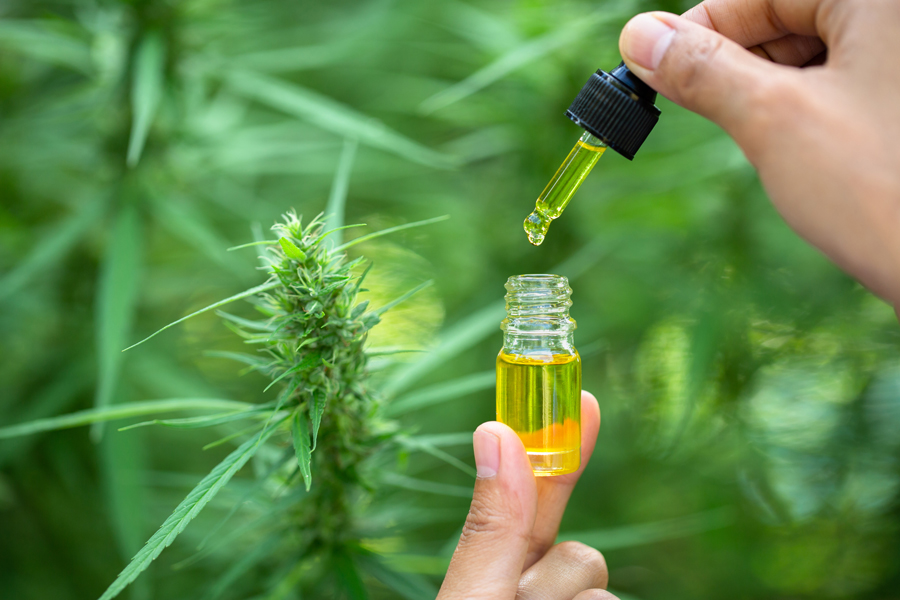
With the passage of the 2018 U.S. Farm Bill, industrial hemp was declassified as a Schedule I drug and is now legal (with restrictions) for production in the United States. Hemp and marijuana are both Cannabis sativa but are distinguished from each other based on the concentration of the psychoactive compound, tetrahydrocannabinol (THC). Industrial hemp is defined by law as a cannabis plant with total THC concentrations on a dry weight basis of less than 0.3% (+/- a measurement of uncertainty). This resource provides a basic overview of hemp testing for THC to stay in compliance with U.S. Department of Agriculture rules for hemp growers.
|