Horticulture Resources
-
 Renewed
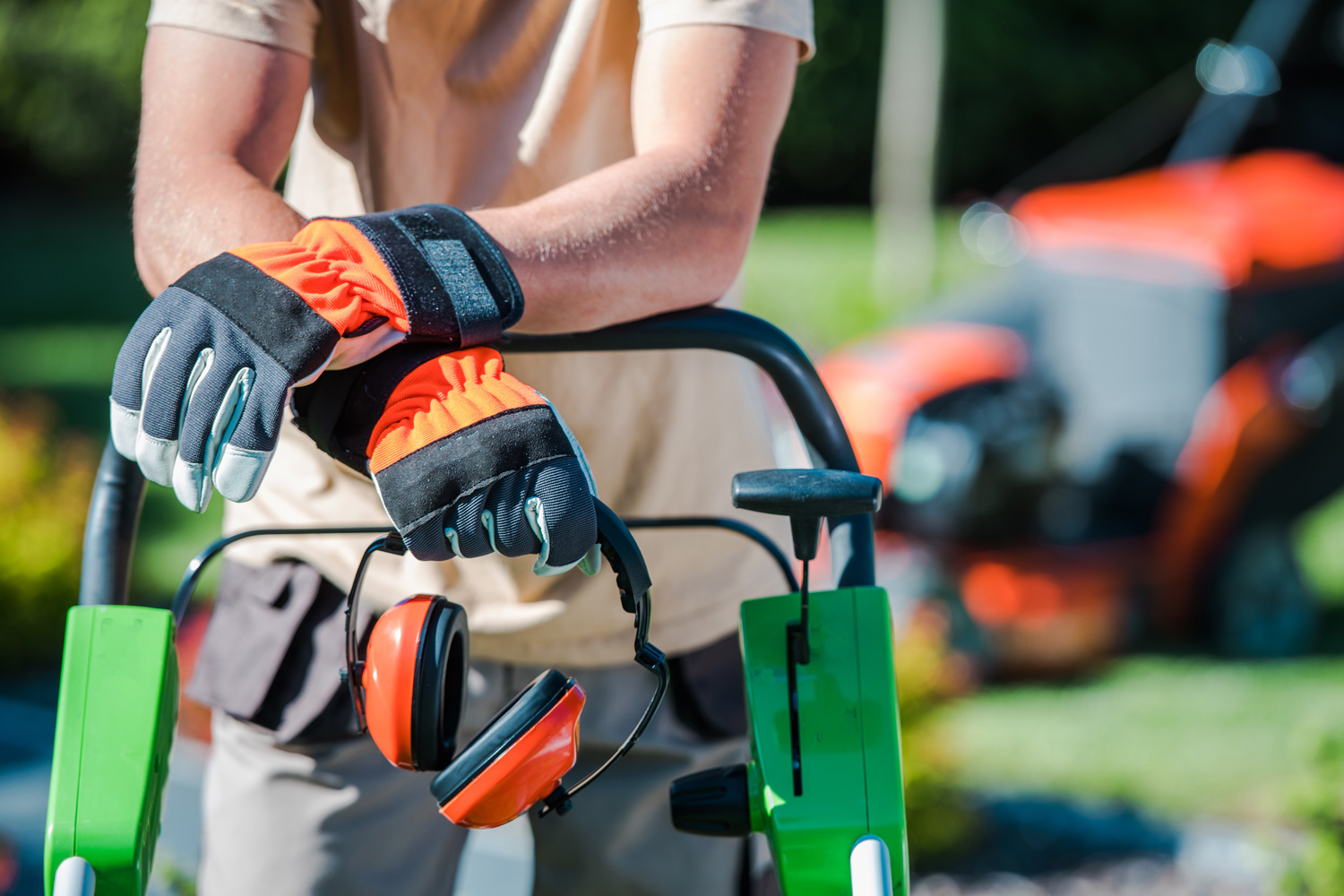
These checklists can be used to introduce new landscape workers to safe work practices. They ensure that job safety training includes safety instruction. Included are sections on general safety precautions, equipment safety, lawn mower safety and pesticide safety.
|
-
 Renewed
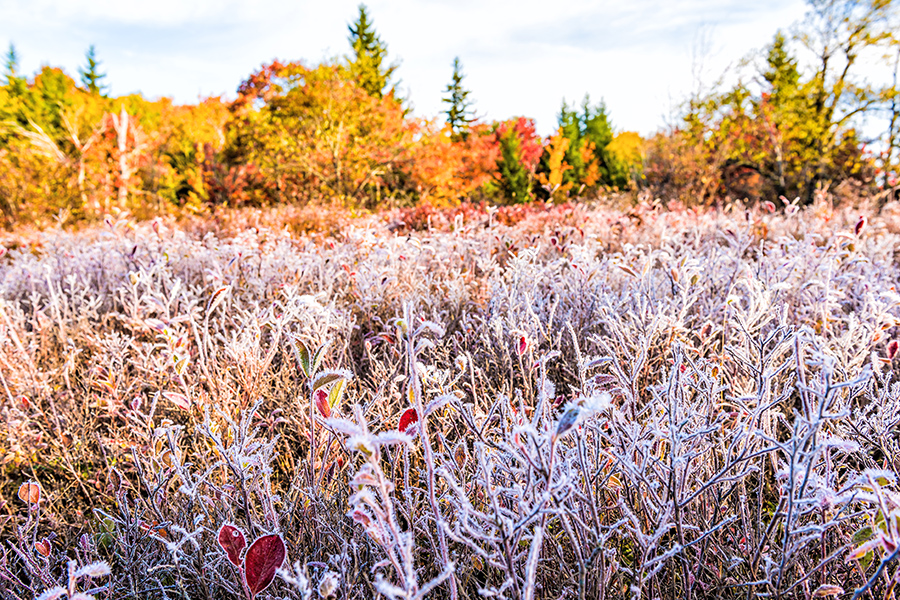
Frost protection systems tremendously benefit commercial blueberry production in Georgia. These systems are expensive and usually configured as overhead irrigation systems. For the system to provide protection, it must operate as soon as it’s needed. The best practice for maintaining a frost protection system is to perform preventative maintenance service every late fall or early winter. This publication offers blueberry growers suggestions on how to prepare their frost protection systems for future operation. Recommendations include a check-off list for maintenance and inspection of overhead irrigation systems, important considerations when preparing for freeze events.
|
-
 Renewed
This publication is a monthly guide for professional managers of commercial, recreational, municipal, institutional or private grounds in Georgia.
|
-
 Renewed
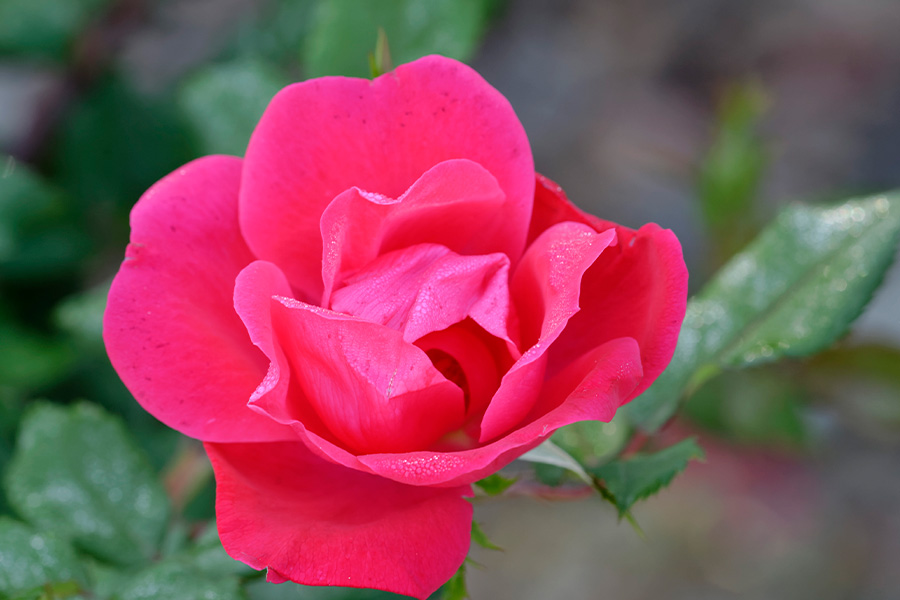
Roses are one of the most popular plants among Georgia gardeners even though growing roses in the southern climate can be challenging. Knowing which rose varieties to choose is the key to success. This publication discusses selection and techniques for growing roses in Georgia.
|
-

This resource offers practical guidance for creating pollinator-friendly habitats on balconies, porches, or patios using potted plants. Designed for those with limited outdoor space, it covers choosing the right containers, selecting native and pollinator-attracting plants, and providing essential resources like water and shelter. Readers will learn how to support bees, butterflies, and other pollinators with seasonal blooms, proper placement, and maintenance tips.
|
-
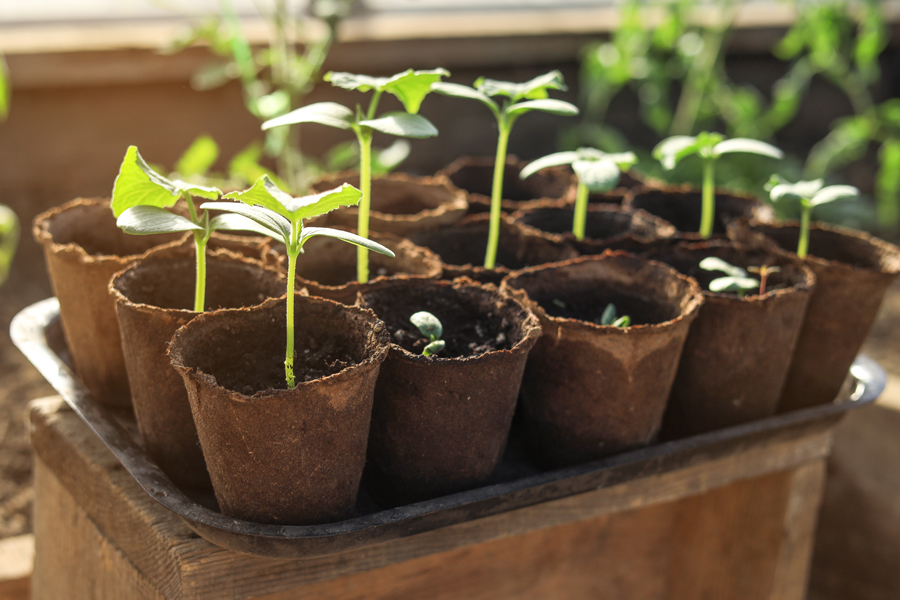
Beginning in the 1970s, container nursery production acreage rapidly increased such that container nursery production is now the dominant method of nursery production. As a standard in the industry, plastic nursery containers are lightweight, durable, familiar to growers, work well with automation, and can be reused or recycled. However, they are limited in their ability to be sustainably eco-friendly. This publication contains information about alternatives to petroleum-based containers for the nursery industry.
|
-
 Renewed
The Georgia School Garden Calendar gives school gardeners month-by-month guidance on growing and using a school garden successfully. Each month, this resource provides information on the horticulture of the school garden, classroom and curriculum ideas, and administrative and organizational tips.
|
-
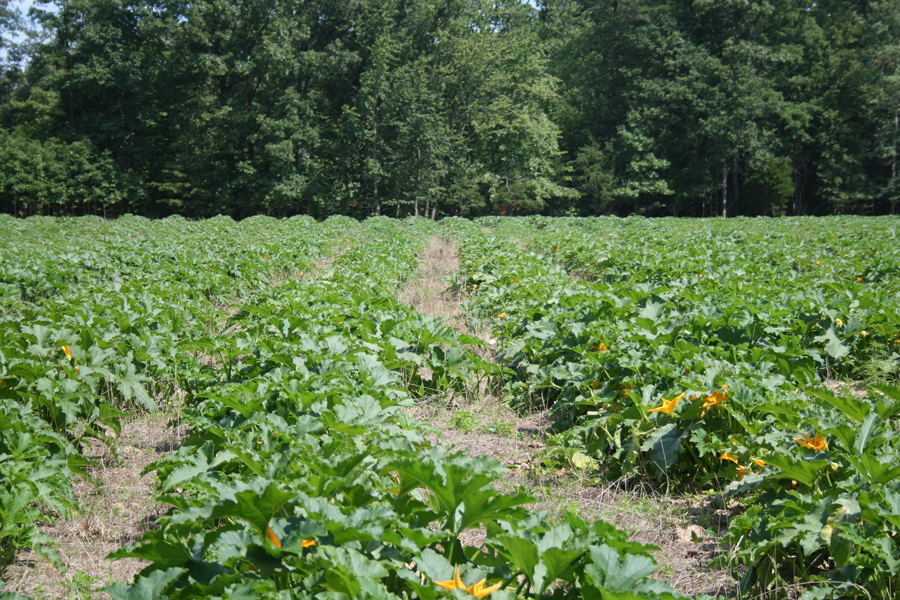
Conservation tillage with agronomic crops has been successful in Georgia production. Such production practices have several benefits, the most notable being the elimination of soil erosion. Other benefits include but aren’t limited to increases in soil organic matter, maintaining healthy root-zone soil, reduction of riparian and waterway pollution, and water conservation.
|
-

C 1081
New Native Little Bluestems
Little Bluestem is a drought-tolerant, low-maintenance native plant. This ornamental warm-season perennial grass tolerates a wide range of soil conditions and is easily grown. Its purplish bronze blooms and vertical clusters of slender leaves make it a lovely addition to any landscape. It is cold hardy in Georgia, although it may suffer moderate damage in cold winters in the North Georgia mountains.
|