Horticulture Resources
-

This is an in-depth publication covering Culture and Varieties,
Soils and Fertility, Irrigation, Sprayers, Diseases, Insect Management, Weed Control, Food Safety and Sanitation, Harvest/Post-Harvest and Waste Management, Marketing, Production Costs, and Organic Production of commercial snap bean production in Georgia.|
-

This publication discusses organic Vidalia onion production in Georgia, from site selection and harvesting to certification.
|
-
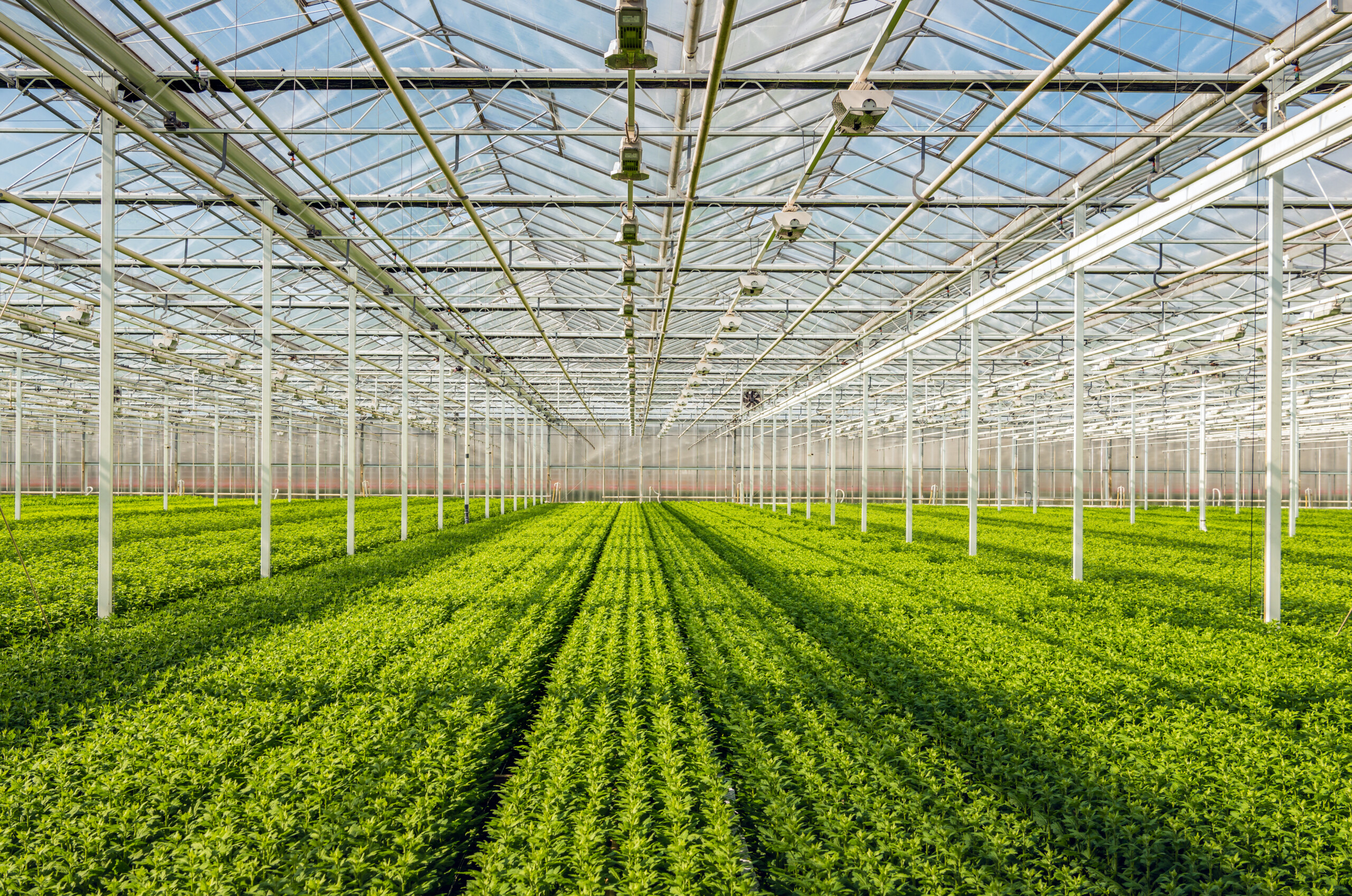
Many pesticides require the addition of an adjuvant, and some do not. When applying fungicides, insecticides or herbicides without a recommended adjuvant, 30 percent to 50 percent reduction in pest control can be expected. Adjuvants may cause damage to a plant if the wrong adjuvant is used or if it is used at too high a concentration. Using the correct adjuvant on a greenhouse crop is a critical decision. This bulletin is intended to describe how adjuvants differ and what adjuvants are best to use.
|
-

When the peach tree moves into its bearing years a shift in emphasis from exclusive attention to vegetative development for building a tree structure to maintaining a balance enough vegetative growth to promote adequate fruiting wood and return bloom for the following season’s fruit crop and managing the current season’s fruit crop.
|
-

Essential to successful peach tree culture is selection of a location that provides adequate sunlight, cold air drainage and water drainage.
|
-

This peach tree training system is being adopted by some southeastern peach growers; it is an easy, low-maintenance system that can be used even in the home orchard.
|
-

In Georgia, irrigation supplements rainfall and most years, even in summer, irrigation isn’t needed every day. With a little careful observation, you can learn to determine your landscape plants’ water needs.
|
-

Irrigation pumping plant performance can be easily determined in the field with a few simple calculations. Standard figures can reasonably be expected from well-designed, well-maintained systems.
|
-

Energy inputs for irrigation pumping frequently exceed the energy used for all other crop production practices. This fact, coupled with rapidly increasing fuel and energy costs, causes irrigation farmers to look for ways to reduce energy consumption. Careful consideration should be given to selecting a pump that will deliver water to the system with the greatest possible efficiency. After installation, pump performance should be watched closely and evaluated, with steps being taken as needed to adjust, repair or replace inefficient pumping equipments.
|