Integrative Precision Agriculture Resources
-
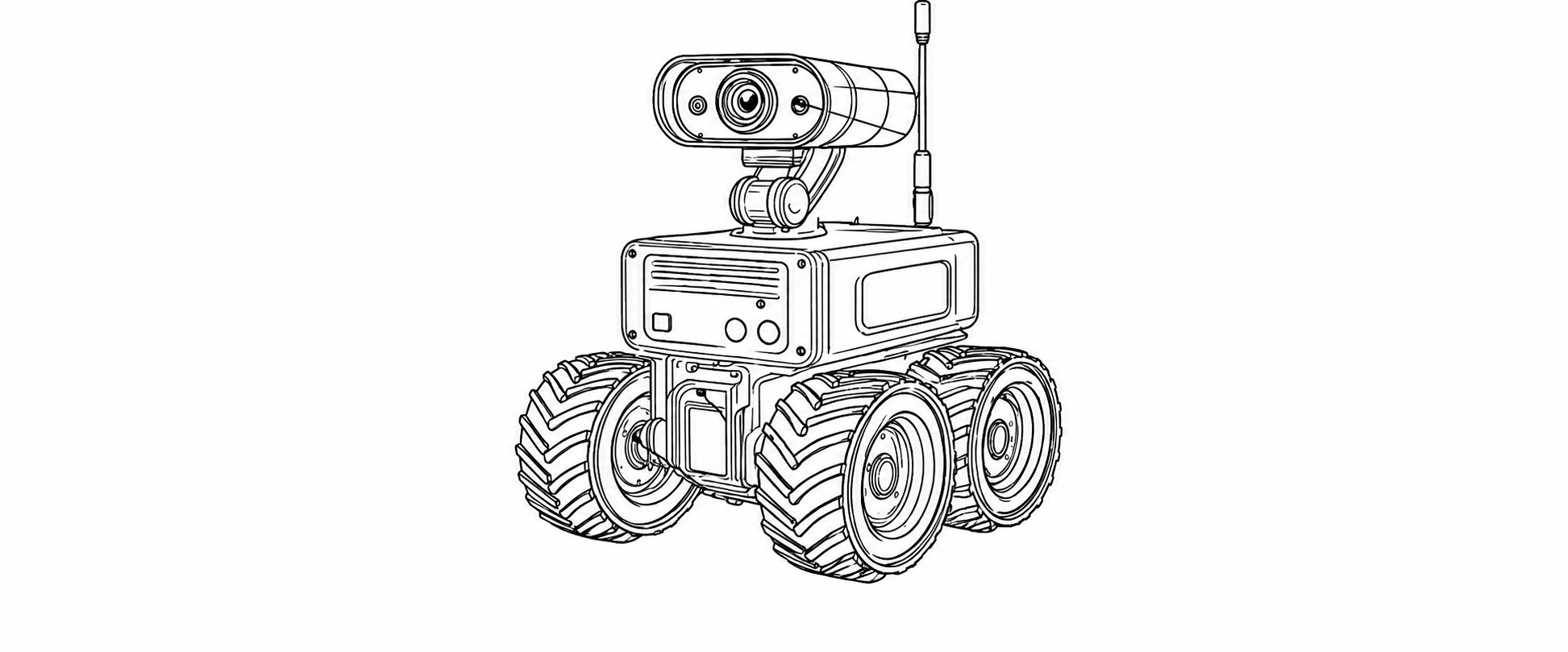
Robotics will soon become a common reality on farms. This Extension resource helps people to understand the basics of robotics for agriculture and the applications of these new machines.
|
-
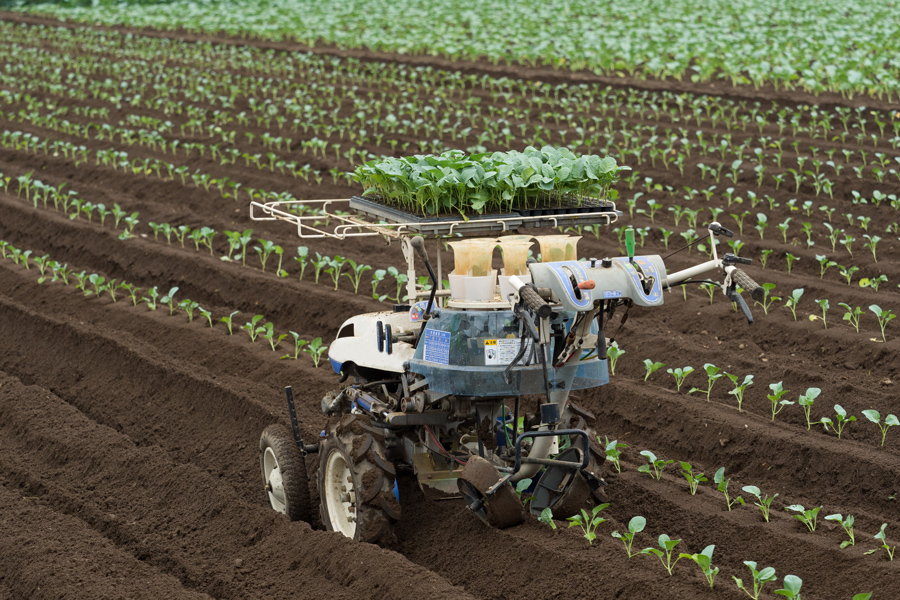
Transplanting is the process in which seedlings are transferred from a specific place where they were sown to the soil where they will develop and produce. This process is an extremely important step in fruit and vegetable production as it helps with the initial establishment of the crop. Mechanical transplanters have emerged as important agricultural machines for farmers, and are designed to automate and optimize the transplanting process.
|
-

This circular contains the fundamentals of watermelon irrigation scheduling using the crop water demand method. Decisions regarding the timing, frequency, and amount of water required for a crop are some of the most critical factors in vegetable production. There are numerous irrigation scheduling strategies employed by growers, but the crop water demand method of irrigation management is one of the most reliable and precise ways to schedule irrigation. This method adjusts irrigation events using the crop evapotranspiration, or ETc.
|
-
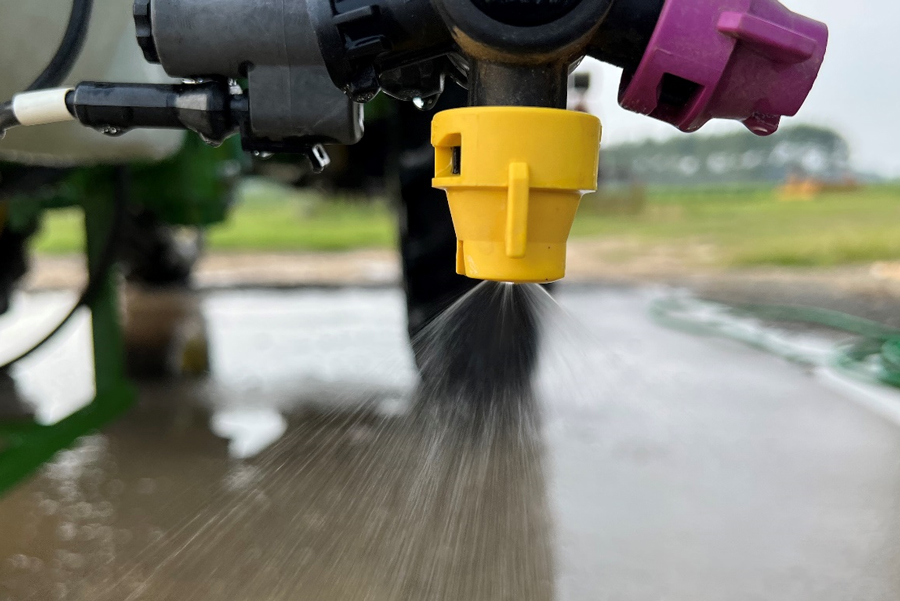
Pulse width modulation (PWM) technology is becoming a standard option on most new agricultural sprayers because of its ability to precisely regulate both flow rate and pressure over a wide range of travel speeds. This publication provides information on nozzle selection for sprayers equipped with PWM technology, including how to use PWM nozzle selection/tabulation charts, other useful online tools, and considerations for effective pesticide applications.
|
-

Spinner-disc spreaders are commonly used for applying lime and fertilizer to agricultural fields. Uniform and accurate application of lime and fertilizer is essential. Proper setup and calibration of application equipment is important to assess its performance and attain satisfactory results. Even new and well-maintained equipment needs calibration checks regularly before and during the growing season. This is especially important when changing from one type of material or blends to another, when changing application rates, and when altering speeds or other operating conditions.
|
-

This publication provides information on selecting an optimal soil sampling grid size that can accurately depict spatial nutrient variability within the fields in the southeastern US and helps in informing precision site-specific nutrient applications.
|
-
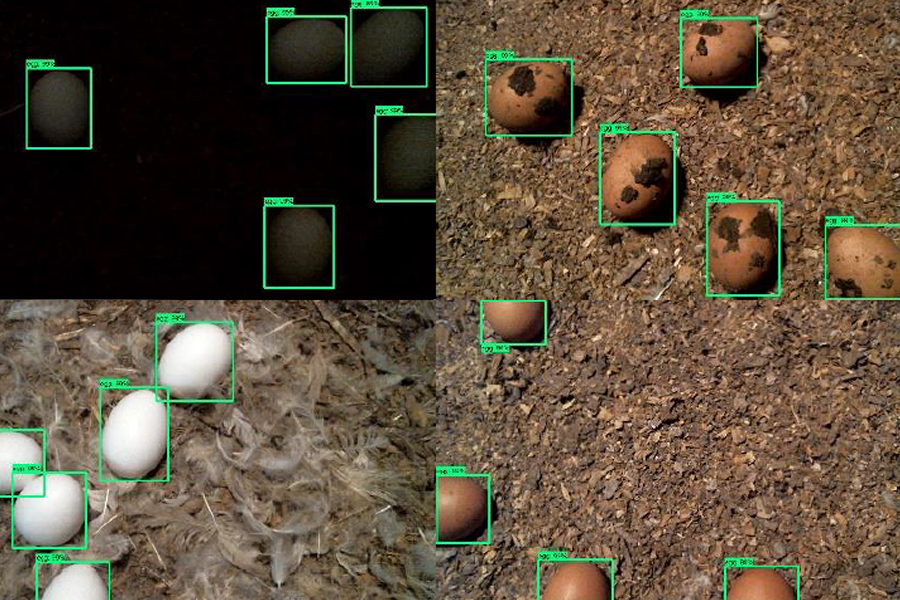
Researchers have investigated the issue of mislaid eggs in cage-free housing and the possibility of reducing the incidence of floor eggs through management of lighting, litter and bedding, and nesting space, and the use of robotics. Methods with potential for managing mislaid or floor eggs in cage-free layer houses can be summarized as follows: 1. House-lighting time management: In cage-free aviary systems, lighting management is used to help control floor-access time. According to observations in commercial cage-free layer houses, most floor eggs are laid at first light. Delaying floor access time in the morning may help reduce floor eggs by keeping the birds near the nests for the first few hours of light. 2. Light intensity and distribution: Make sure to provide sufficient light intensity evenly across the litter floor. Increasing the light intensity under the aviary system has been tested to be effective at reducing over 80% of floor eggs. 3. Bedding depth: Scratch areas covered with litter help reduce the risk of feather pecking and cannibalism, and minimize flightiness, for hens living in large flocks. However, deep litter attracts birds to lay eggs on the litter itself. According to research conducted at Iowa State University, reducing litter depth discourages hens from laying eggs on floor of commercial cage-free houses. 4. Nesting space: Nesting behavior is a key priority and important welfare indicator for egg production, so providing hens with safe and secure locations to lay eggs is critical. A good nesting design in cage-free systems facilitates egg collection, minimizes the risk of cloacal cannibalism, and assists food safety and sanitation.
|
-
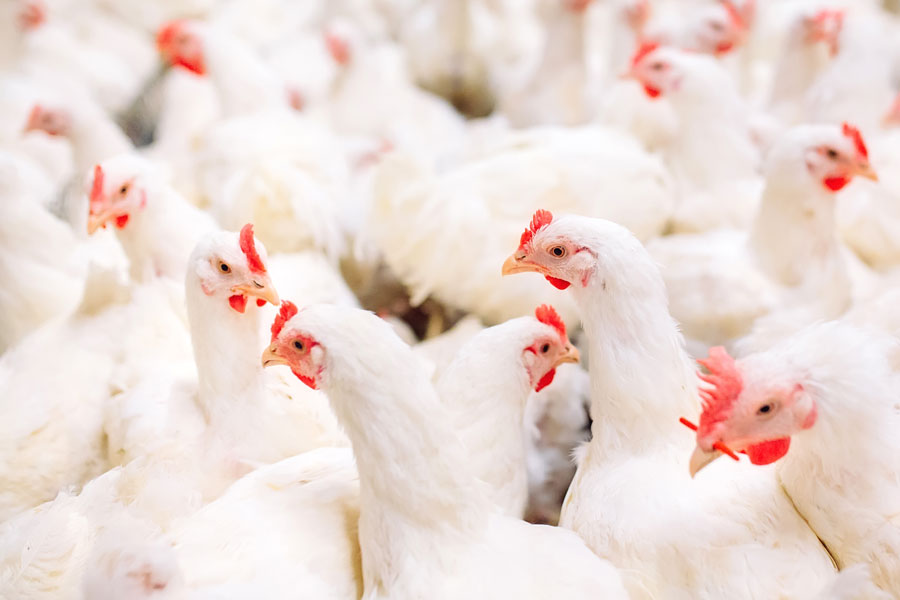
In commercial poultry houses, bird density and distribution in drinking, feeding, and
resting zones are critical factors for evaluating flock productivity, bird health, and well-being. Proper distribution of chickens in the house greatly influences animal well-being and house environmental management. Currently, routine daily inspection of broiler flock distribution in commercial grow-out houses is done manually, which is labor-intensive and time-consuming. UGA poultry science researchers currently are developing an automated imaging system for monitoring floor distribution of chickens.Ongoing studies are focusing on detection of individual chickens with different gait scores in the research facility. It’s challenging to track individual birds with early health or welfare concerns using a computer vison-based method, but it is necessary and critical for producers to identify birds with well-being concerns and address those issues quickly.
|
-

This publication is the second in a series focusing on irrigation scheduling for vegetable crops. It contains basic guidance on water use and irrigation management for Brassica crops such as cabbage, leafy greens, broccoli, and cauliflower, and this information should assist growers in scheduling irrigation.
|