Landscaping Resources
-

Well-groomed landscapes are often a result of considerable effort by landscape companies. Employees make them happen with routine care and, above all, attention to detail. A quality landscape and the image employees present on the job speak highly of the professionalism of the firm. Quality control (QC) is everyone’s responsibility and an essential part of a landscaper’s job. This publication describes the basics of creating and implementing a successful quality control program for your landscaping company.
|
-

Landscape professionals must consider many factors when choosing the right flowering annuals to plant for a particular location. Primary considerations include high visual impact, consistent bloom for color, foliage for texture and color, sun exposure, growth habit and low-water tolerance. Cost plays an important role as well. Many landscapers typically choose common annual ornamentals and tropical perennials marketed as annuals. Particular species and cultivars tend to be favored over others for a variety of reasons; these are the bread-and-butter plants, such as cool-season pansies and warm-season petunias. Because of this, staple plants tend to be planted year after year, often in the same bed – a recipe for disease build-up, pesticide applications, loss of plants, plant replacement, dissatisfied customers, and ultimately, lower profit margins. This publication explains how to effectively use crop rotation and cultural practices to reduce disease incidence in seasonal color beds.
|
-

Temperatures affects plant growth and distribution. This publication explains how low temperatures (chilling and freezing) affect plant growth in production greenhouses, nurseries, and landscapes. These three environments have different causes and effects, each requiring unique responses to avoid injury. This publication outlines different techniques that can be used to avoid cold injury to plants.
|
-
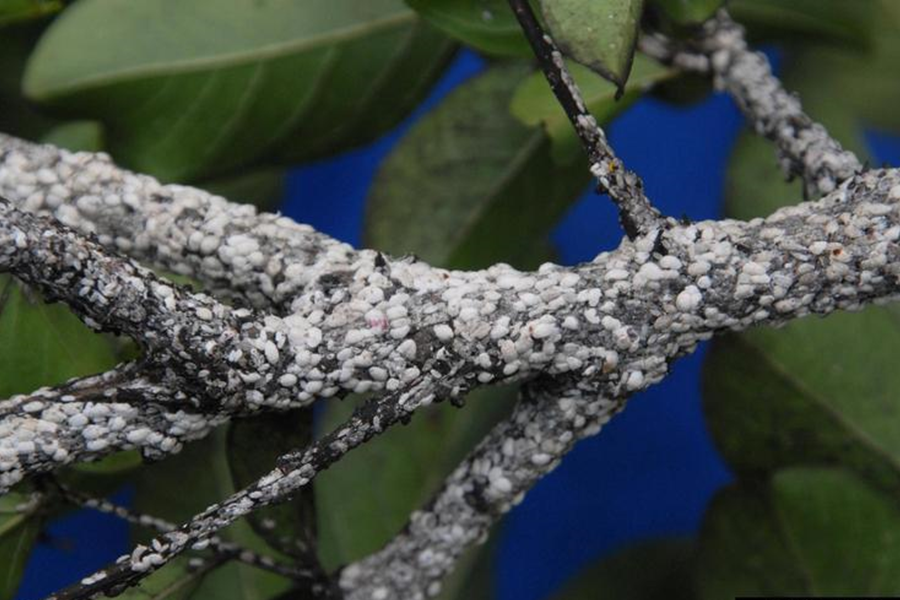
The crape myrtle bark scale (CMBS) is an emerging threat to crape myrtle (Lagerstroemia spp.) in Georgia. As the name indicates, this scale pest attacks the bark of crape myrtle, the only known scale insect that infests crape myrtle bark. A native of Asia, CMBS was first confirmed in Dallas, Texas, in 2004. Since then, the pest has gradually expanded its range to the southeastern states. In Georgia, it was first confirmed in Coweta County in 2014. In 2019, CMBS were found infesting crape myrtles in an ornamental nursery in south Georgia. They can potentially spread in zones 6 to 9.
|
-

The Georgia Master Gardener Handbook, 8th Edition, is the official reference text produced by the University of Georgia and developed for Master Gardener training. For more information about the Georgia Master Gardener Extension Volunteer Program, visit www.GAmastergardener.org.
This book, published in 2021, is currently available at $95 per copy (including tax). Single copies (no certificate or badge included) may be purchased online with a credit card at the UGA Extension Store website. Delivery will be 7-14 business days from receipt of order. Please include a street address rather than a P.O. box. Sales of books and data are considered final. Materials returned because of damage in shipping will be replaced.
This edition was extensively revised and updated in 2021. This edition also includes an all-new guide to the Master Gardener experience.
This 8.5 x 11″ book is perfect-bound with soft cover and contains 978 pages with color photos.
|
-
B 1533-2
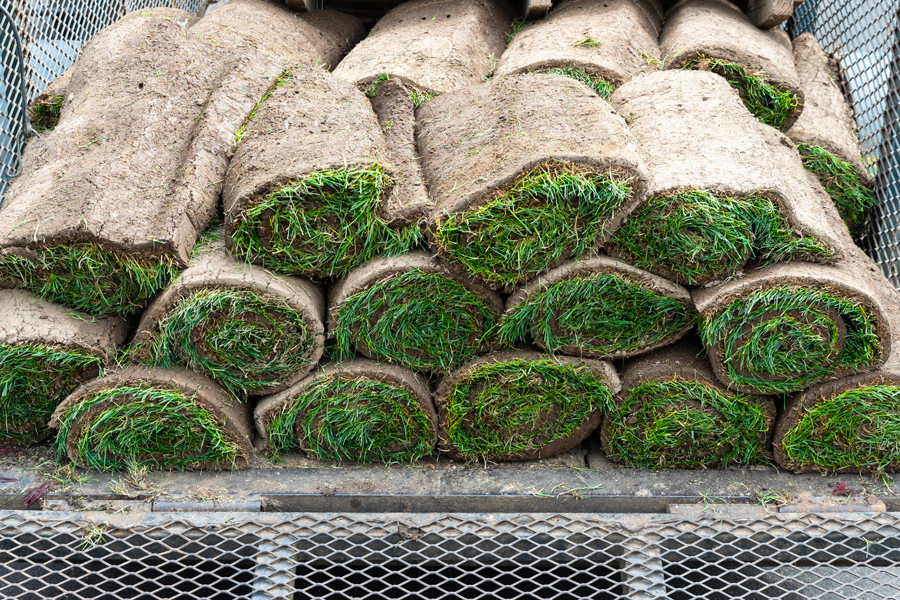
Lawns in Georgia: Establishment
Turfgrass enhances the landscape in ways that can be particularly important in urban environments. Turf is one of the most effective plant covers to reduce soil erosion and surface runoff while recharging ground water, which results in more efficient use of rainfall. In most landscapes turf occupies the largest area and provides an ideal surface for outdoor activities. It begins with selecting the best adapted species and cultivar for an individual site— right plant, right place. Once the proper species and cultivar have been selected, getting the site properly prepared for growing grass and getting it established is critical in creating a sustainable lawn.
|
-
C 983
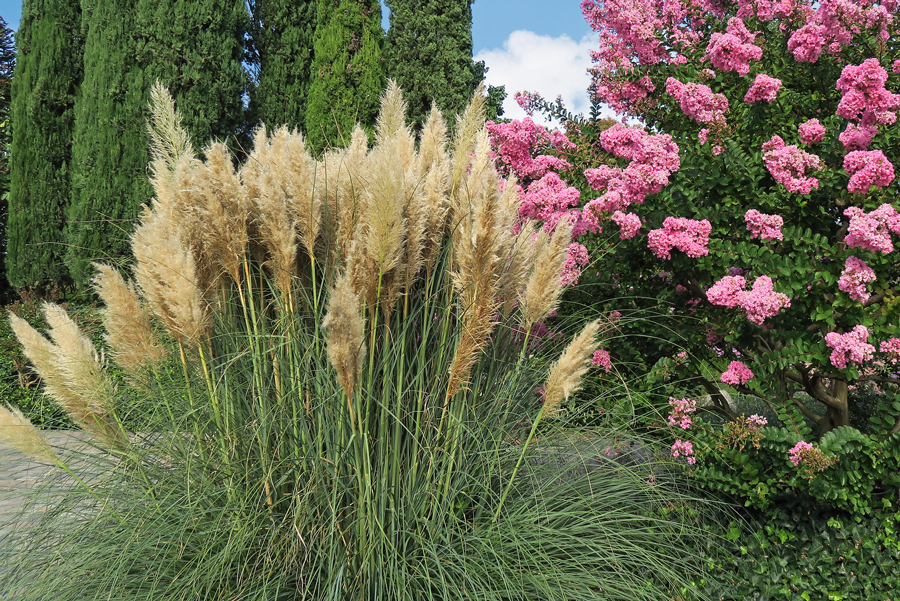
Pampas Grass
Pampas grass is a large perennial grass native to Brazil, Argentina, and Chile. Mature plants can reach 10 feet tall and 6 feet wide. In late summer, silvery-white plumes rise several feet above the foliage and make a bold, dramatic statement in the landscape.
|
-

Southern magnolia is an aristocratic tree. It grows well throughout Georgia, is widely adaptable to a variety of soils and has few pest problems. With glossy evergreen foliage and large white fragrant blossoms, it truly is one of the most handsome and durable native trees for our Southern landscapes.
|
-

A landscape designed, installed and managed according to Xeriscaping’s seven steps uses up to 50% less water than a traditional landscape. And, a well-designed water-wise is just as attractive as a traditional landscape.
|