UGA College of Agricultural & Environmental Sciences Field Report
  • Stories
    Almanac

    Science in service of humanity and the environment

    Read our annual magazine here

    READ


    Dive into engaging stories that showcase our statewide, national and global impact.

    Check out our written stories here

    LOOK


    Browse curated photo galleries capturing the people, places and programs that bring CAES to life.

    Check out our photo galleries here

    WATCH


    Experience our stories through videos that highlight our people, projects and passions in action.

    Check out our video library here

    LISTEN


    Tune in to “Cultivating Curiosity,” our podcast featuring in-depth conversations with CAES experts.

    Check out our podcast here
  • Expert Resources

    Expert Resources


    From farms and gardens to families and finances, our expert resources empower Georgians with trustworthy, practical science.

    Gardening
    Invasive species
    Food and food safety
    Ants, termites and other pests
    Pollinators
    Livestock
    Emergency preparedness
    Home safety and maintenance
    Health, family and finances
    Nutrition
    Water quality
    Lawn maintenance and landscaping
    Turfgrass
    View all topics

    What is an Expert Resource?


    We publish unbiased, research-backed expert advice to empower Georgians with practical, trustworthy information they can trust.

    These resources are written and reviewed by experts in the UGA College of Agricultural and Environmental Sciences and the UGA College of Family and Consumer Sciences.

    Learn how we produce science you can trust
  • Events
  • Contact
  • Read
  • Look
  • Watch
  • Listen
Subscribe
  • LinkedIn
  • Facebook
  • Instagram
  • Stories
    Almanac

    Science in service of humanity and the environment

    Read our annual magazine here

    READ


    Dive into engaging stories that showcase our statewide, national and global impact.

    Check out our written stories here

    LOOK


    Browse curated photo galleries capturing the people, places and programs that bring CAES to life.

    Check out our photo galleries here

    WATCH


    Experience our stories through videos that highlight our people, projects and passions in action.

    Check out our video library here

    LISTEN


    Tune in to “Cultivating Curiosity,” our podcast featuring in-depth conversations with CAES experts.

    Check out our podcast here
  • Expert Resources

    Expert Resources


    From farms and gardens to families and finances, our expert resources empower Georgians with trustworthy, practical science.

    Gardening
    Invasive species
    Food and food safety
    Ants, termites and other pests
    Pollinators
    Livestock
    Emergency preparedness
    Home safety and maintenance
    Health, family and finances
    Nutrition
    Water quality
    Lawn maintenance and landscaping
    Turfgrass
    View all topics

    What is an Expert Resource?


    We publish unbiased, research-backed expert advice to empower Georgians with practical, trustworthy information they can trust.

    These resources are written and reviewed by experts in the UGA College of Agricultural and Environmental Sciences and the UGA College of Family and Consumer Sciences.

    Learn how we produce science you can trust
  • Events
  • Contact
  • Read
  • Look
  • Watch
  • Listen
Subscribe
  • LinkedIn
  • Facebook
  • Instagram
Subscribe
  • LinkedIn
  • Facebook
  • Instagram
  1. Home
  2. Expert Resources
  3. Topics
  4. Lawn and Garden

Lawn and Garden Resources

Use the Advanced Search
  • SB 48-04

    Aquatic Environments

    This section of the Home & Garden Edition covers external parasite control in aquatic environments, including fishery chemicals, aquatic weed control, response to herbicides, restrictions, and calculating concentrations in aquatic environments. Beginning in 2022, the Home & Garden Edition has been updated biennially. When purchasing a product based on a first-year recommendation of the Handbook, check the current product label before purchase to be sure it is still labeled for the use for which you are buying it. For pesticide products you have on hand from earlier purchases, you are allowed to use them until they are depleted without penalty under the law. Always follow label instructions before use. Contact the product’s manufacturer for the most up-to-date label.

    Wesley Gerrin, Jay Shelton, and Braxton Grey Crews

    |

    March 18, 2026
  • SB 48-05

    Home Orchard

    This section of the Home & Garden Edition covers pest control in home orchards, including apples, peaches, bunch grapes, muscadines, strawberries, blueberries, and other fruits. Beginning in 2022, the Home & Garden Edition has been updated biennially. When purchasing a product based on a first-year recommendation of the Handbook, check the current product label before purchase to be sure it is still labeled for the use for which you are buying it. For pesticide products you have on hand from earlier purchases, you are allowed to use them until they are depleted without penalty under the law. Always follow label instructions before use. Contact the product’s manufacturer for the most up-to-date label.

    Daniela Gutierrez-Yanez, John N. All, and Brett R Blaauw

    |

    March 18, 2026
  • C 963

    Vegetable Gardening in Georgia

    This resource provides information on the best vegetables to grow in Georgia gardens as well as planting dates and estimated time to harvest.

    Bob Westerfield and David L. Linvill

    |

    March 13, 2026
  • B 1399

    How to Start a Community Garden: Getting People Involved

    Community gardening involves cultivating people and relationships, as well as the soil. This resource provides guidance and suggestions that will help you create a successful community garden.

    Ellen M. Bauske and Bob Westerfield

    |

    March 13, 2026
  • Japanese honeysuckle flowers against green foliage

    C 957

    Poisonous Plants in the Landscape

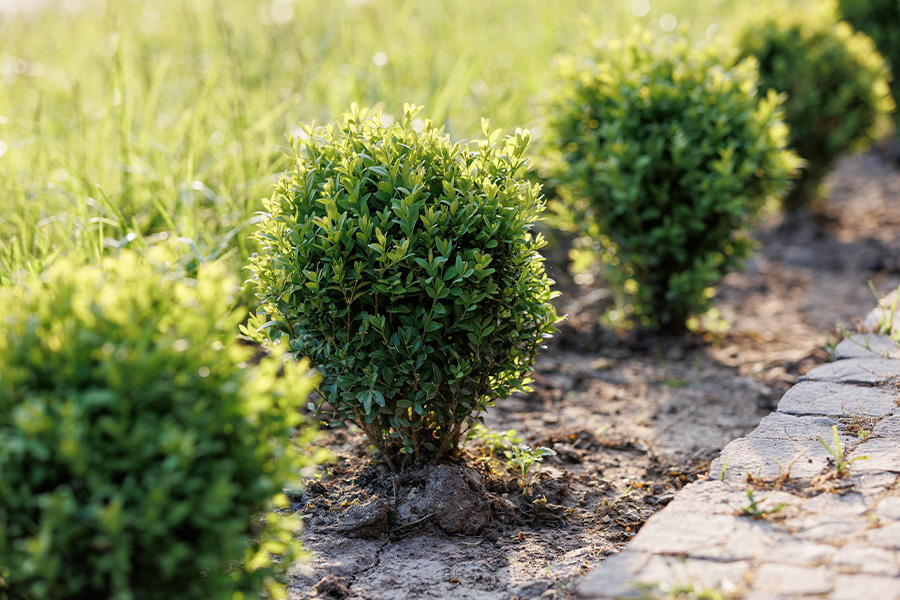
    While most of us are familiar with common poisonous plants that cause skin irritations, such as poison ivy or poison oak, we often don’t recognize common ornamental plants in the landscape that may cause internal poisoning when ingested. Although most adults would not intentionally eat the leaves or fruit of such plants, young children or pets sometimes do. This resource provides readers with information on some of the common landscape plants known to have poisonous properties when ingested. You may be surprised to learn just how many of our common plants, such as azaleas, hydrangeas, boxwood, and English ivy, are known to have poisonous properties.

    Bob Westerfield

    |

    March 11, 2026
  • C 943

    Vegetable Garden Calendar

    Your guide to home gardening in Georgia! Our climate allows us to grow something almost year-round, and these monthly checklists will help you keep your garden working well. Planting recommendations are based on long-term average last and first frost dates for Middle Georgia; adjust accordingly for South or North Georgia.

    Bob Westerfield

    |

    March 10, 2026
  • A tree with bright red leaves stands out among green plants

    C 999

    Great Plants Under 20 Feet for Small Spaces

    This resource will help you choose small trees and shrubs that can provide privacy from your neighbors, separation from a road with heavy traffic or a screen to hide unattractive areas.

    Bob Westerfield and Malgorzata Florkowska

    |

    March 10, 2026
  • B 1191

    Managing Imported Fire Ants in Urban Areas

    Imported fire ants interfere with outdoor activities and harm wildlife throughout the southern U.S. Ant mounds are unsightly and may reduce land values. Although fire ants do prey on flea larvae, chinch bugs, cockroach eggs, ticks and other pests, the problems they cause usually outweigh any benefits in urban areas. While it is not possible to eradicate this species, controlling fire ants is highly desirable. The best control programs use a combination of non-chemical and chemical methods that are effective, economical and least harmful to the environment.

    Dan Suiter

    |

    March 5, 2026
  • pears grow on a tree

    C 742

    Home Garden Pears

    Find out how to grow pears at home. They are adapted to nearly all of Georgia, and it’s not uncommon to find trees as much as 50 years old that are still producing fruit.

    Bob Westerfield

    |

    March 4, 2026
Previous Page
1 2 3 4 5 … 41
Next Page

About CAES

CAES Home

Overview

History

Administration

Jobs

Personnel Directory

Privacy Policy

Accessibility Policy

AI Guidelines

Affiliations

UGA Cooperative Extension

Tifton Campus

Griffin Campus

University of Georgia
  • Schools and Colleges
  • Directory
  • MyUGA
  • Employment Opportunities
  • Copyright and Trademarks
  • UGA Privacy Policy
  • Submit a Student Complaint
#UGA on
© University of Georgia, Athens, GA 30602
706‑542‑3000