Lawn and Garden Resources
-

This resource offers practical guidance for creating pollinator-friendly habitats on balconies, porches, or patios using potted plants. Designed for those with limited outdoor space, it covers choosing the right containers, selecting native and pollinator-attracting plants, and providing essential resources like water and shelter. Readers will learn how to support bees, butterflies, and other pollinators with seasonal blooms, proper placement, and maintenance tips.
|
-
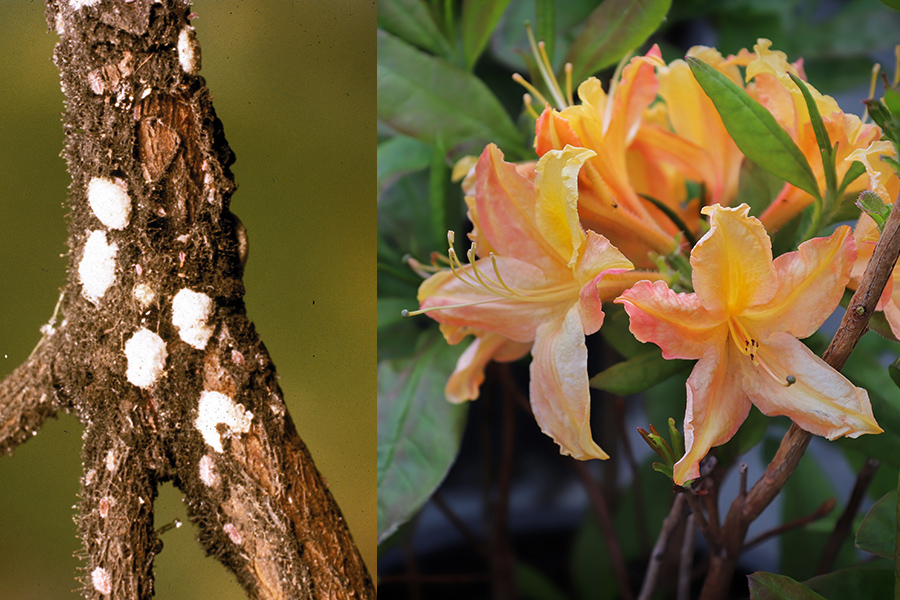
C 1260
Azalea Bark Scale
Azalea bark scale poses a serious threat to azaleas, rhododendron, and Pieris (Andromedas) in Georgia. It is a soft scale insect; the nymph and female soft scales secrete a protective coating of waxy crust on their body that cannot be separated from the scale insect. This scale also is found on blueberry, hawthorn, huckleberry, poplar, and willow. Symptoms of ABS infestation include dropping yellow leaves and dying branches. An azalea bark scale infestation rarely kills the plant unless it is extremely severe and uncontrolled.
|
-
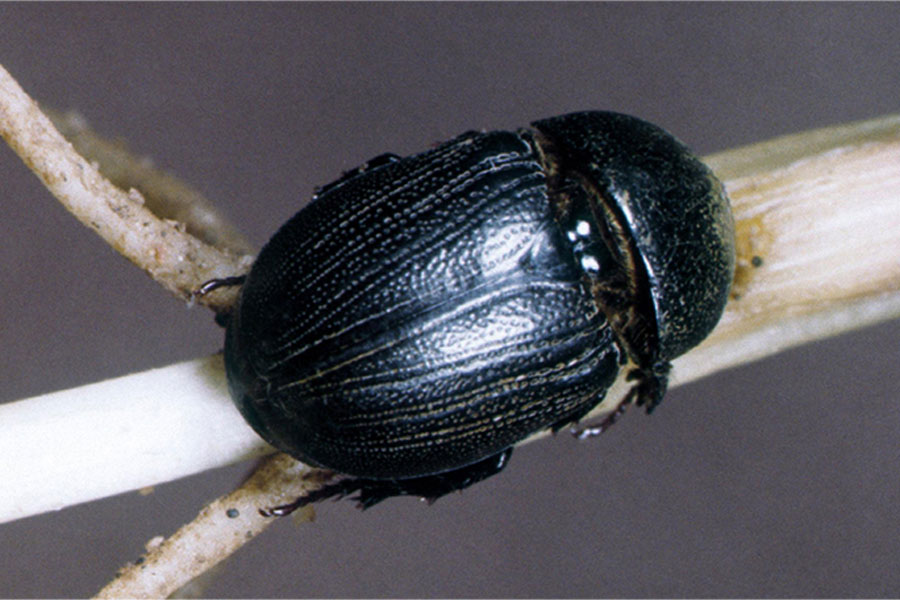
The sugarcane beetle has been a significant pest of many crops, including sugarcane, corn, sweet potato, and rice, for more than 100 years. It is a native species commonly found in turfgrass. While low numbers of beetles in an area generally are not regarded as pests, increasing numbers of adult beetles have been causing damage to turfgrass stands throughout the Southeastern U.S.
|
-
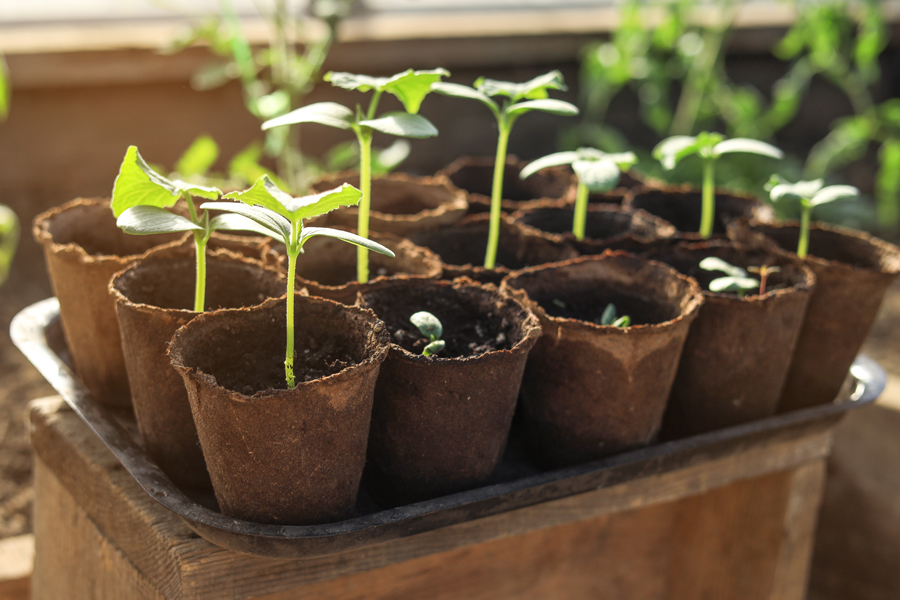
Beginning in the 1970s, container nursery production acreage rapidly increased such that container nursery production is now the dominant method of nursery production. As a standard in the industry, plastic nursery containers are lightweight, durable, familiar to growers, work well with automation, and can be reused or recycled. However, they are limited in their ability to be sustainably eco-friendly. This publication contains information about alternatives to petroleum-based containers for the nursery industry.
|
-
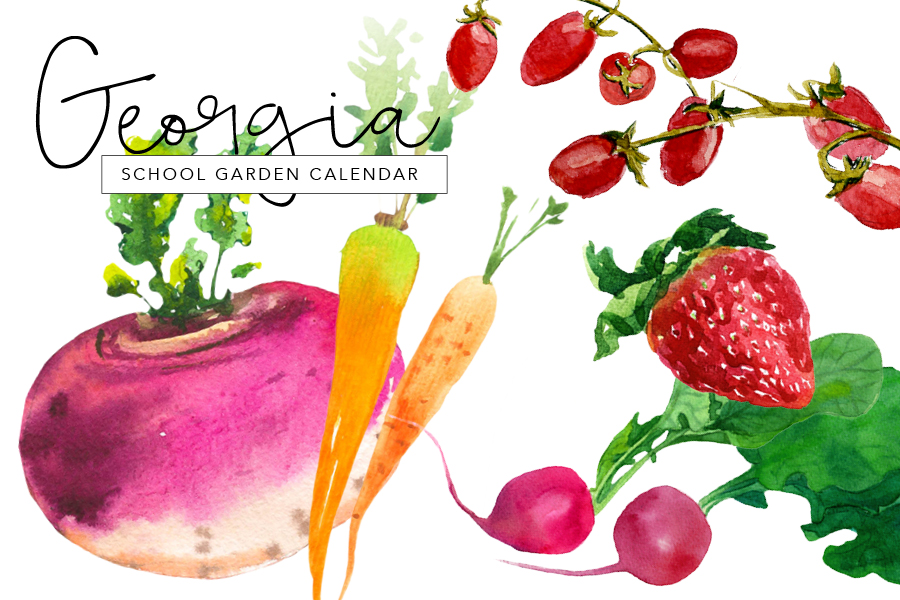
The Georgia School Garden Calendar gives school gardeners month-by-month guidance on growing and using a school garden successfully. Each month, this resource provides information on the horticulture of the school garden, classroom and curriculum ideas, and administrative and organizational tips.
|
-
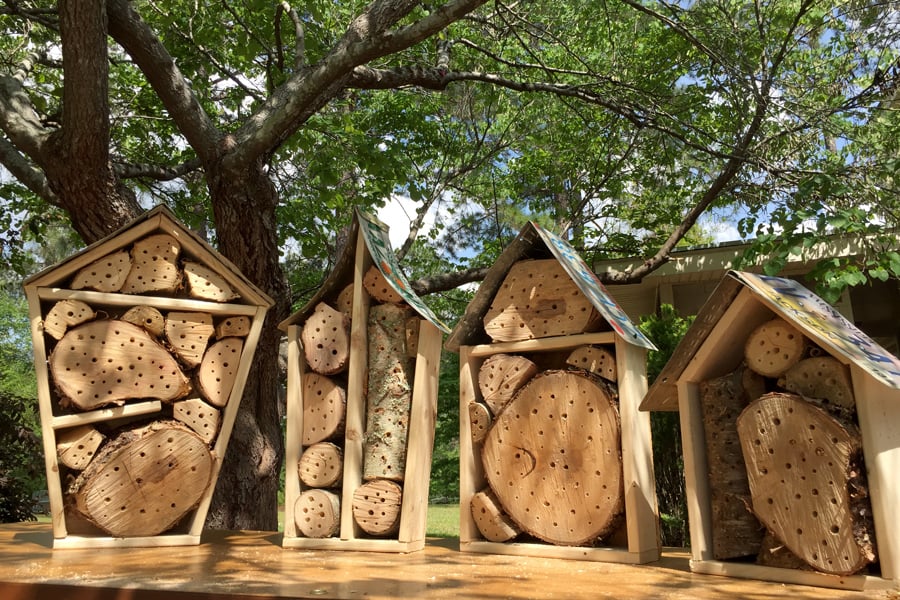
Planting pollinator-friendly flowers in your yard is a great first step for improving the quality of pollinator habitats. Adding nesting sites and nesting materials is another important measure in creating sustainable habitats, especially for native bees. When bees have access to a diversity of nesting materials, their numbers are positively affected, so providing nesting resources in your landscape is very beneficial to bees.
Published with the UGA Warnell School of Forestry and Natural Resources as WSFNR-17-48.
|
-

C 1213
Georgia Fireflies
Georgia is home to over 50 species of fireflies, more than any other U.S. state. Also known as lightning bugs, the insects’ “dancing light” patterns are an important, and nostalgic, part of Georgia summer evenings. To protect fireflies and ensure that we continue to enjoy their presence in the landscape, it is important to understand their lifecycle and habitat needs.
|
-

C 1081
New Native Little Bluestems
Little Bluestem is a drought-tolerant, low-maintenance native plant. This ornamental warm-season perennial grass tolerates a wide range of soil conditions and is easily grown. Its purplish bronze blooms and vertical clusters of slender leaves make it a lovely addition to any landscape. It is cold hardy in Georgia, although it may suffer moderate damage in cold winters in the North Georgia mountains.
|
-
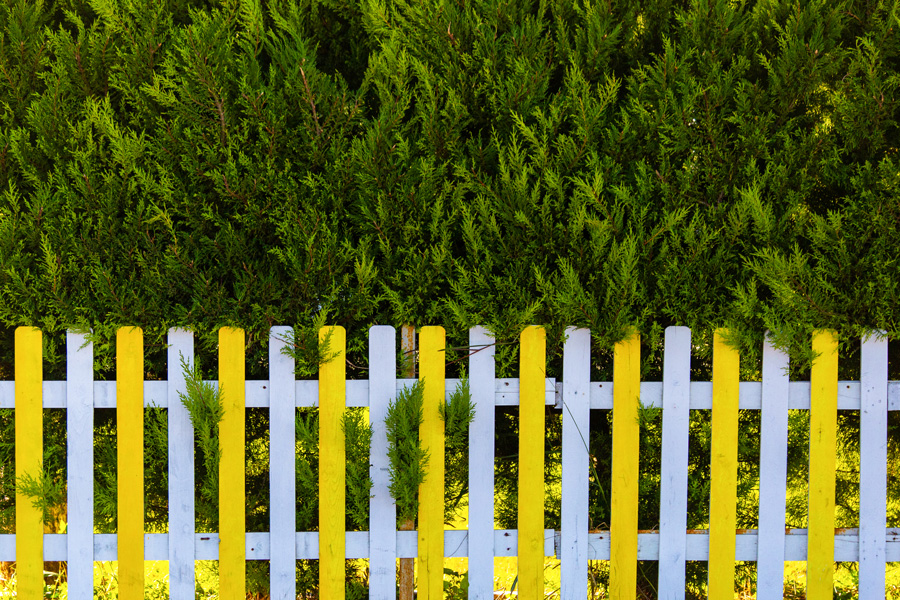
Leyland cypress has become one of the most widely used plants in commercial and residential landscapes across Georgia as a formal hedge, screen, buffer strip or wind barrier. Leyland cypress is a graceful, rapidly growing evergreen tree that is adapted for growth within the 6-10a USDA hardiness zones. Leyland cypress is considered relatively pest-free; however, because of its relatively shallow root system, and because they are often planted too close together and in poorly drained soils, Leyland cypress is prone to root rot and several damaging canker diseases, especially during periods of prolonged drought.
|