Lawn and Garden Resources
-
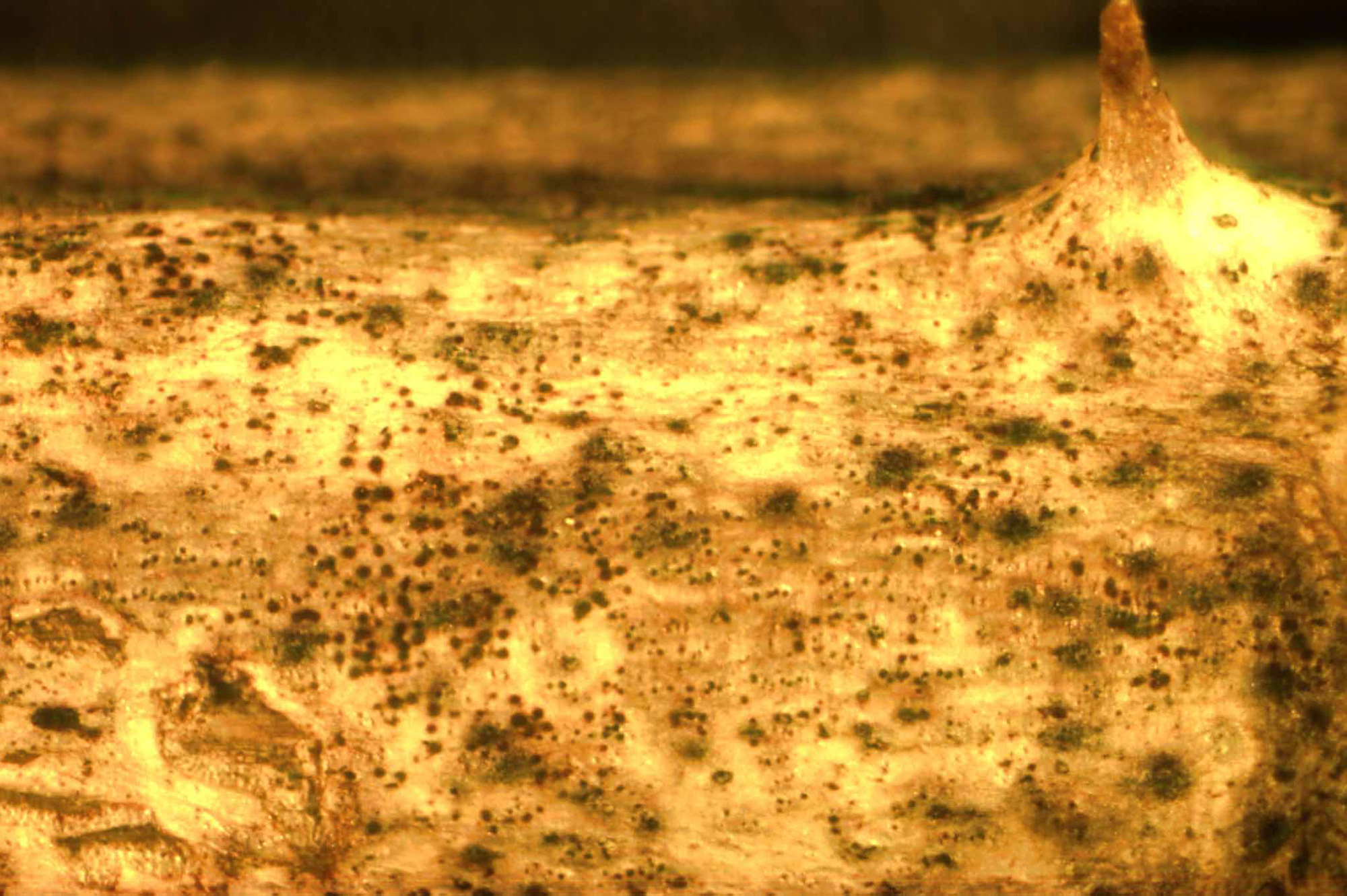
Cane blight can be a major disease of blackberry in the Southeast, resulting in severe losses. The wet, humid conditions observed in Georgia and other southeastern states allow for significant losses following pruning or other injuries to the primocane.
|
-
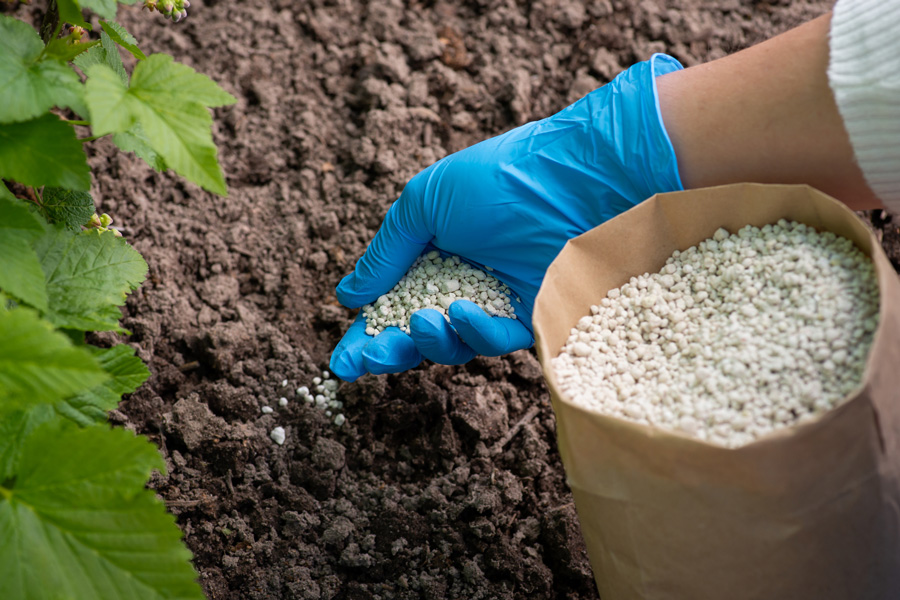
Use this resource to calculate planting densities, fertilizer application rates, sprayer calibration, and soil amendment applications using unit conversions. We demonstrate the “raw math” behind common calculations to provide you with the tools for solving any equation using simple addition, subtraction, multiplication, and division. No longer will you be dependent on having production guides, fertilizer charts, planter manuals, and spray nozzle catalogs to tell you what to do.
|
-

Native plants are a great choice for Georgia landscapes. They provide food and habitat for native insects, birds, and other creatures and allow the gardeners to support local ecosystems. They are well suited to their native environments and many are quite beautiful. However, they are not super plants! They need to be sited in locations that closely match their native habitat, and the general public often assumes they need little or no care. This publication outlines conditions under which native plants need supplemental water and pest protection. Using the guidelines presented here, gardeners will be able to grow healthy native plants in their landscape.
|
-
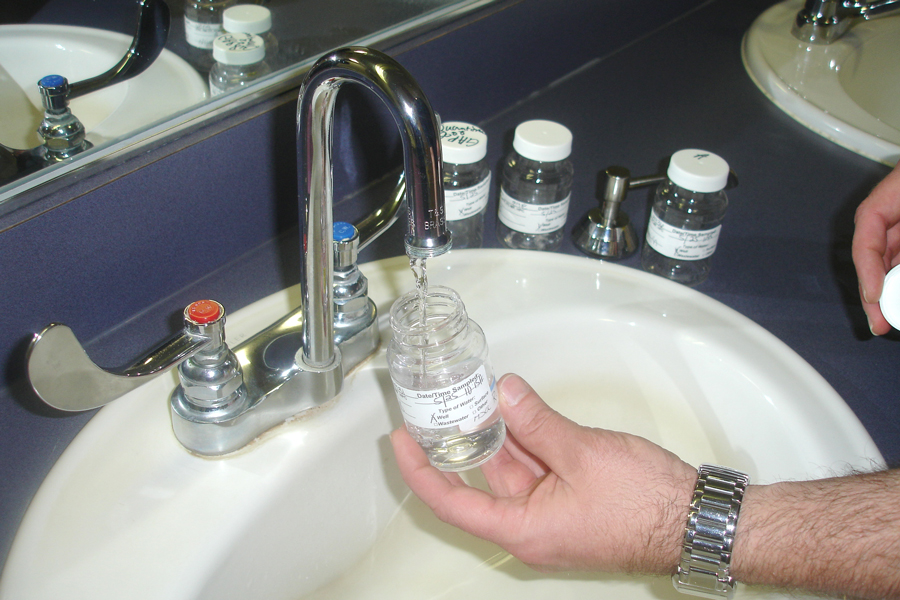
An abundant supply of clean, safe drinking water is essential for human and animal health. Water from municipal or public water systems is treated and monitored to ensure that it is safe for human consumption. Many Georgia residents, especially in rural areas, rely on private water systems for human and livestock consumption. Most private water systems are supplied by wells. Water from wells in Georgia is generally safe for consumption without treatment. Some waters, however, may contain disease-causing organisms that make them unsafe to drink. Well waters may also contain large amounts of minerals, making them too “hard” for uses such as laundering, bathing or cooking. Some contaminants may cause human health hazards and others can stain clothing and fixtures, cause objectionable tastes and odors, or corrode pipes and other system components.
|
-

The purpose of this guide is to help users identify insects, spiders and mites that are beneficial to the garden. Such beneficials help manage pests that can damage plants. Tips to conserve and protect beneficials are also included.
|
-

C 1011
Home Garden Potatoes
This resource details selecting the right types of potatoes, proper planting, maintenance, and troubleshooting problems.
|
-
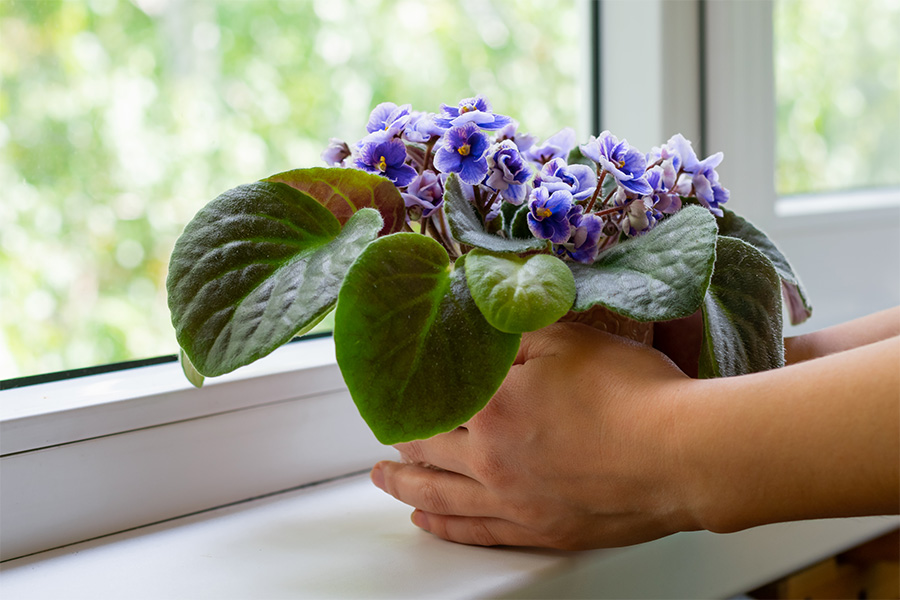
C 660
Growing African Violets
African violets are now among the most popular indoor plants. They are easy to grow and offer a wealth of beautiful flowers.
|
-
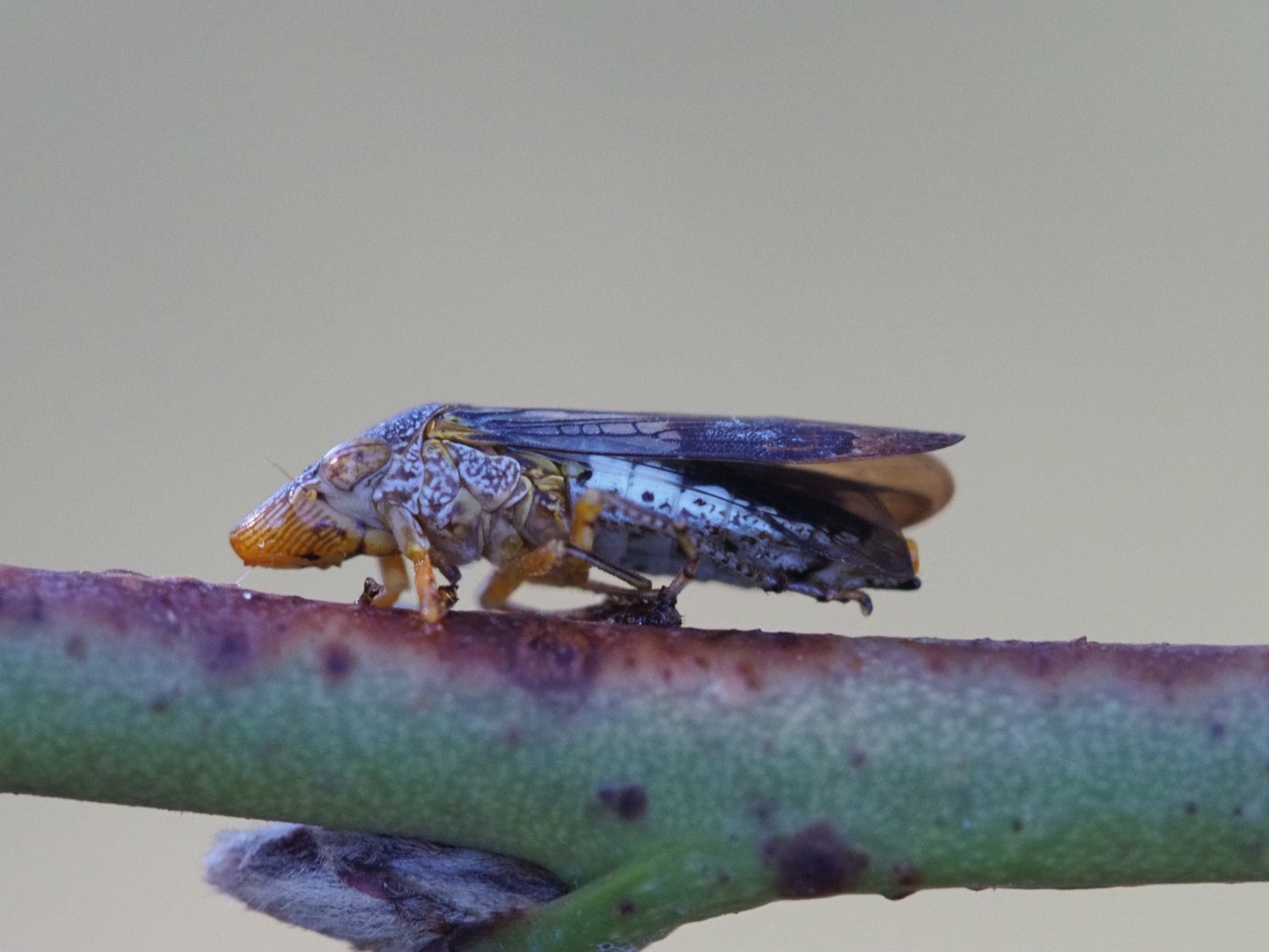
C 1253
Phony Peach Disease
This fact sheet covers phony peach disease: History, symptoms, disease cycle, and management.
|
-
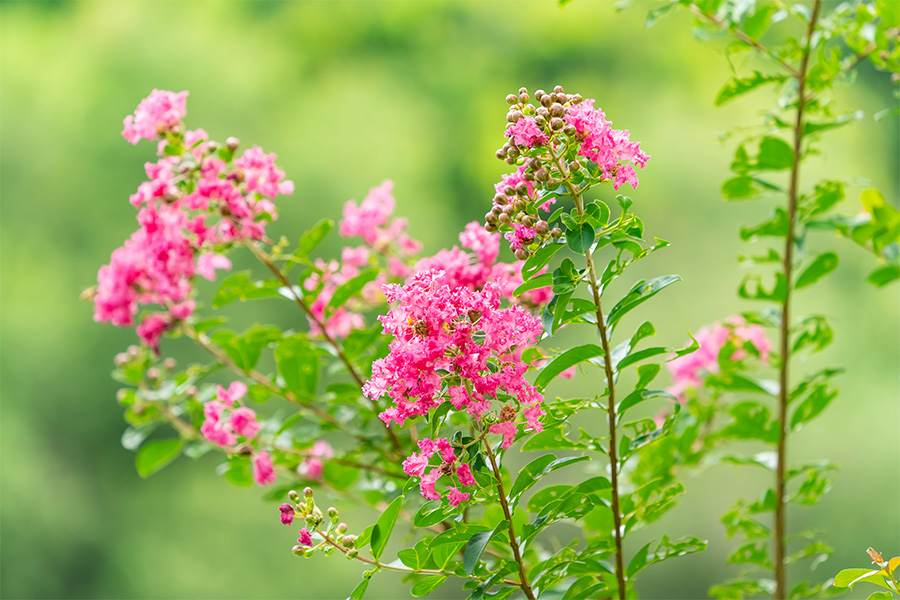
C 944
Crape Myrtle Culture
Crape myrtle is one of the most useful flowering shrubs/trees grown in Georgia. It provides abundant summer color with a minimum of maintenance.
|