Lawn and Garden Resources
-

Los hispanos representan la minoría más grande de los Estados Unidos con 42.7 millones de habitantes. Los trabajadores hispanos predominan en la industria de la agricultura urbana del estado de Georgia y conforman casi las tres/cuartas partes del total de obreros del estado. Los supervisores deben garantizar la comprensión e implementación de la seguridad laboral. Es imprescindible reconocer las barreras de comunicación para mantener un área de trabajo donde predomine y se haga efectiva la seguridad laboral. Use demostraciones, dibujos, materiales bilingues, y si es posible, un intérprete. Este manuscrito fue preparado originalmente por Ellen M. Bauske, Karen A. Maqueda y Alfredo D. Martinez-Espinoza.
|
-
Hispanic workers predominate in Georgia’s urban agriculture industry, comprising almost three-fourths of the workforce. Employers must ensure comprehension and safety compliance, address language barriers to create a safe workplace, use physical demonstrations, diagrams, bilingual materials and, if available, an interpreter. This publication covers general precautions, equipment safety, pesticide safety and other information that is necessary for keeping employees safe. It is also available in Spanish (see B 1334-SP). The original manuscript was prepared by Ellen M. Bauske, Karen A. Maqueda, Alfredo D. Martinez-Espinoza. Reviewed by Alfredo D. Martinez-Espinoza.
|
-
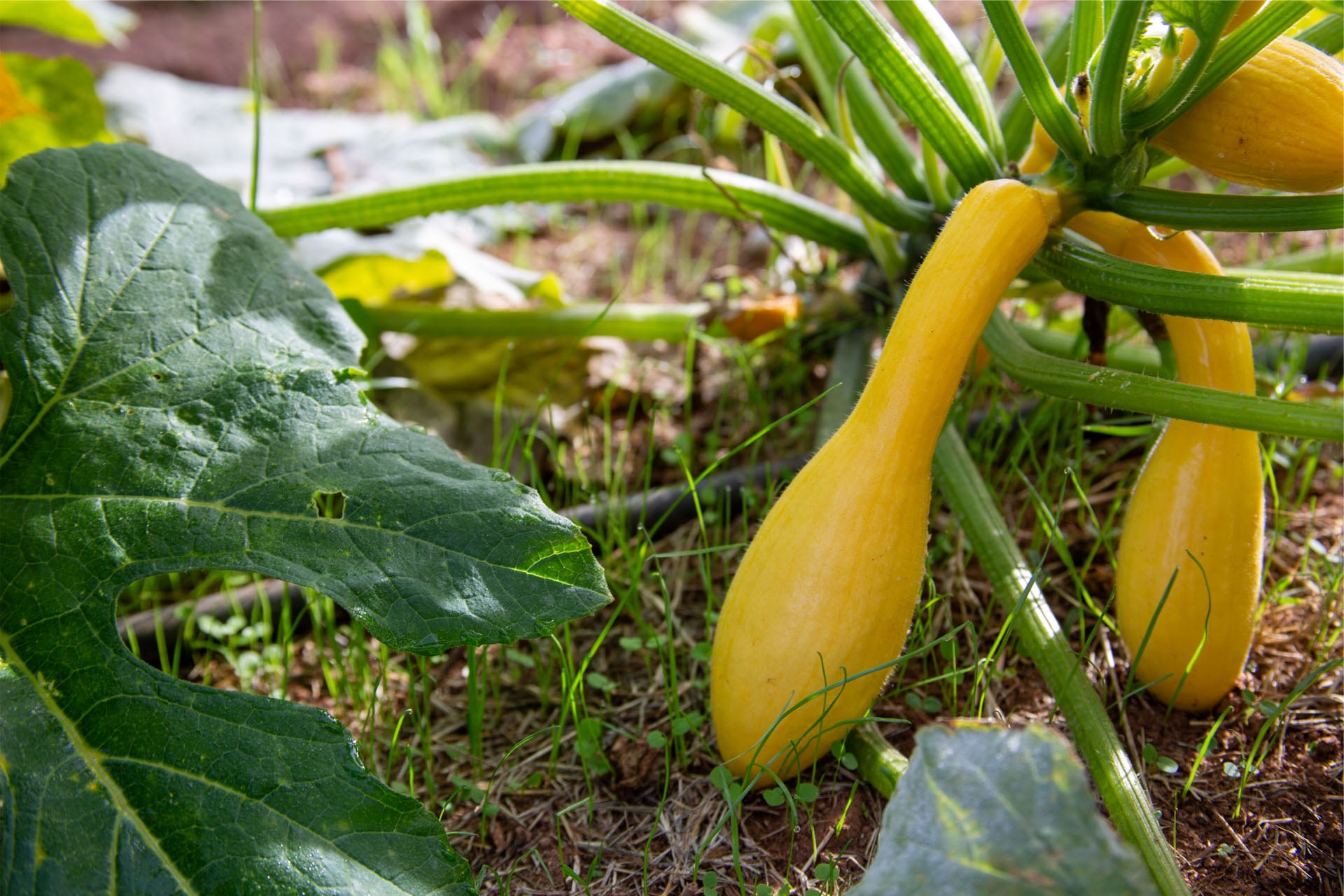
This resource provides a step-by-step guide to test for residual aminopyralid herbicide in soils using a simple bioassay (by growing test squash or green bean plants).
|
-
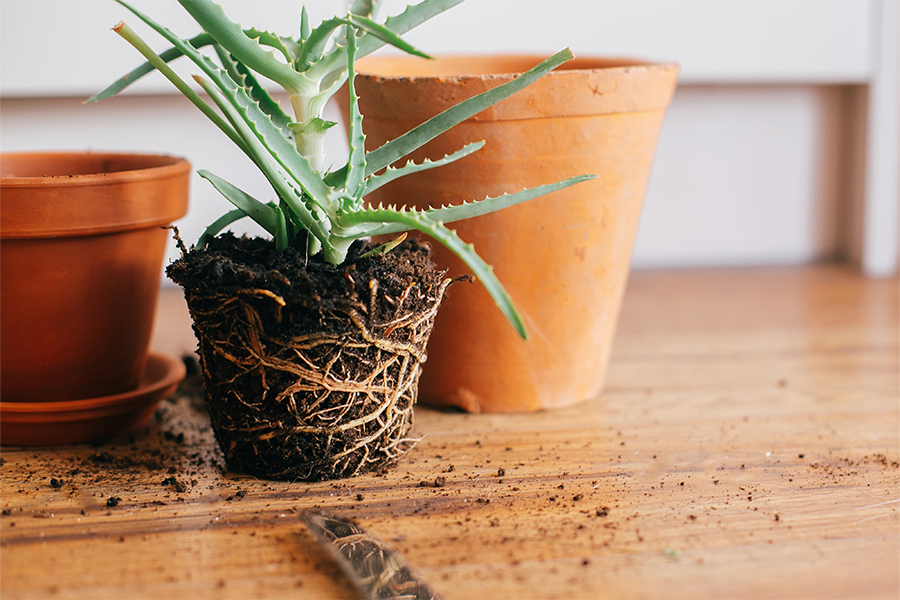
This publication describes the reasoning behind repotting, as well as container selection, drainage, positioning the plant on an appropriate soil base, examining and attending to root issues, potential root removal and/or redistribution, backfilling, protecting, and watering the plant upon completion of repotting.
|
-
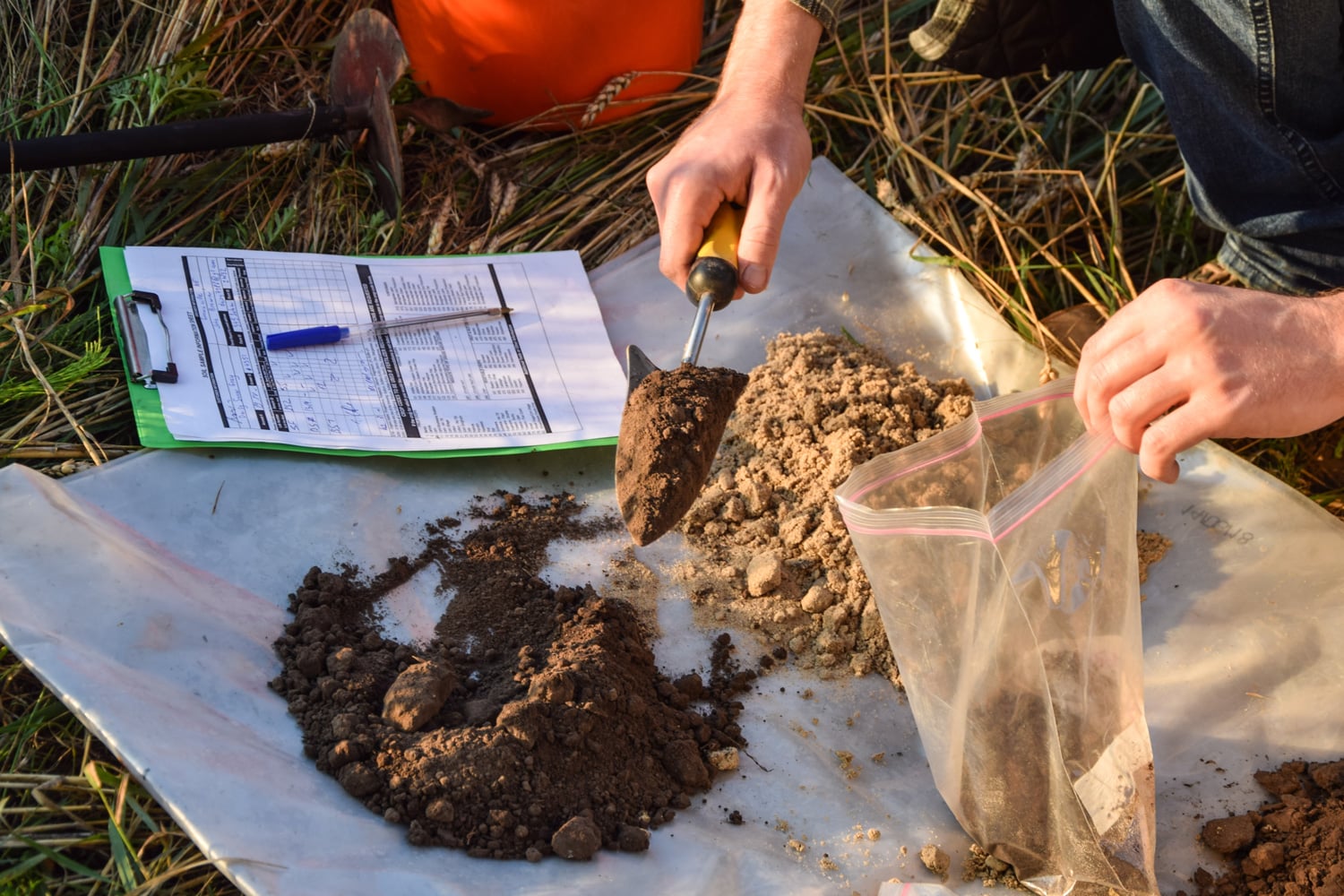
Soil pH is one of the most important measurements of soil fertility. Knowing a soil’s pH may help in diagnosing nutritional problems of agricultural crops and other plants.
|
-
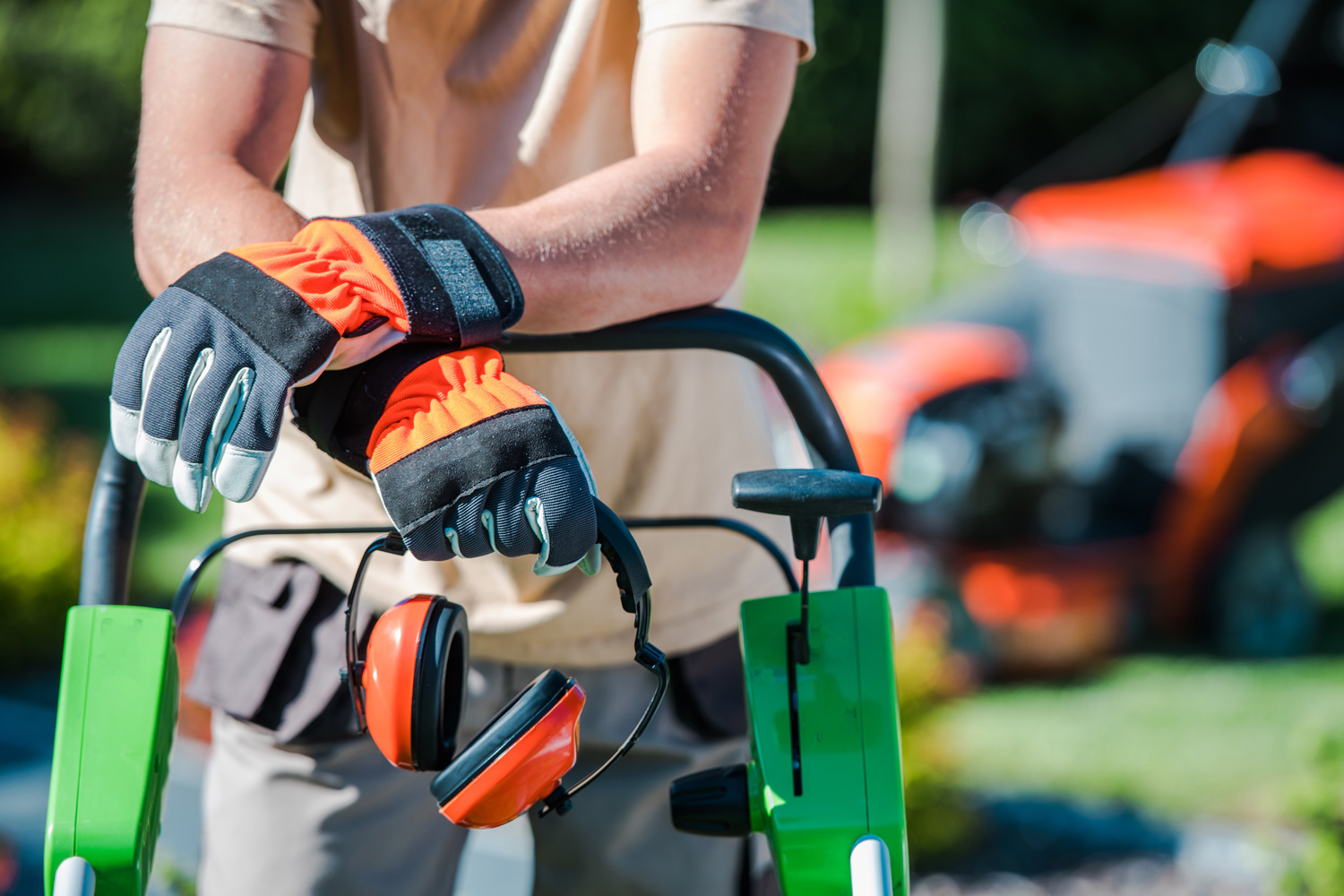
These checklists can be used to introduce new landscape workers to safe work practices. They ensure that job safety training includes safety instruction. Included are sections on general safety precautions, equipment safety, lawn mower safety and pesticide safety.
|
-

This publication is a monthly guide for professional managers of commercial, recreational, municipal, institutional or private grounds in Georgia.
|
-
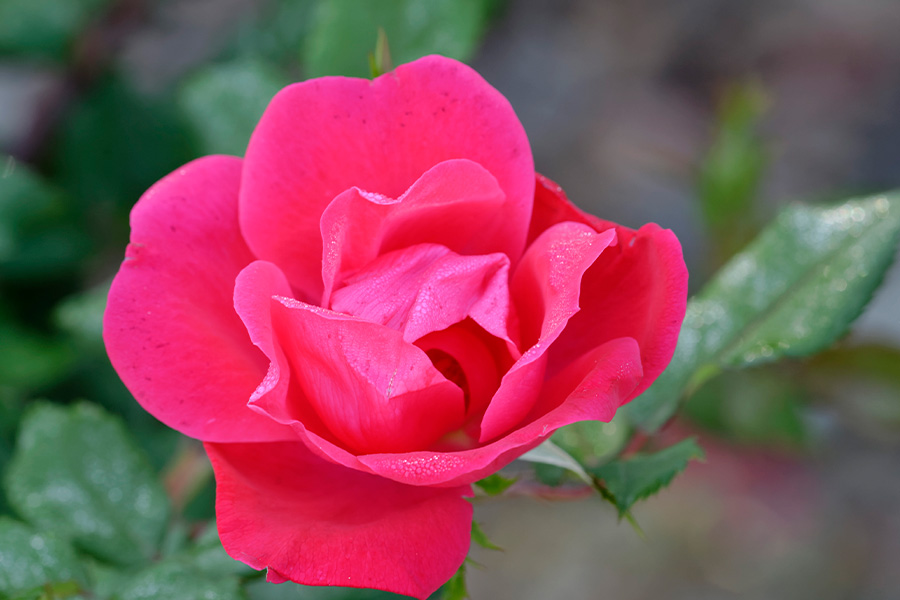
Roses are one of the most popular plants among Georgia gardeners even though growing roses in the southern climate can be challenging. Knowing which rose varieties to choose is the key to success. This publication discusses selection and techniques for growing roses in Georgia.
|
-
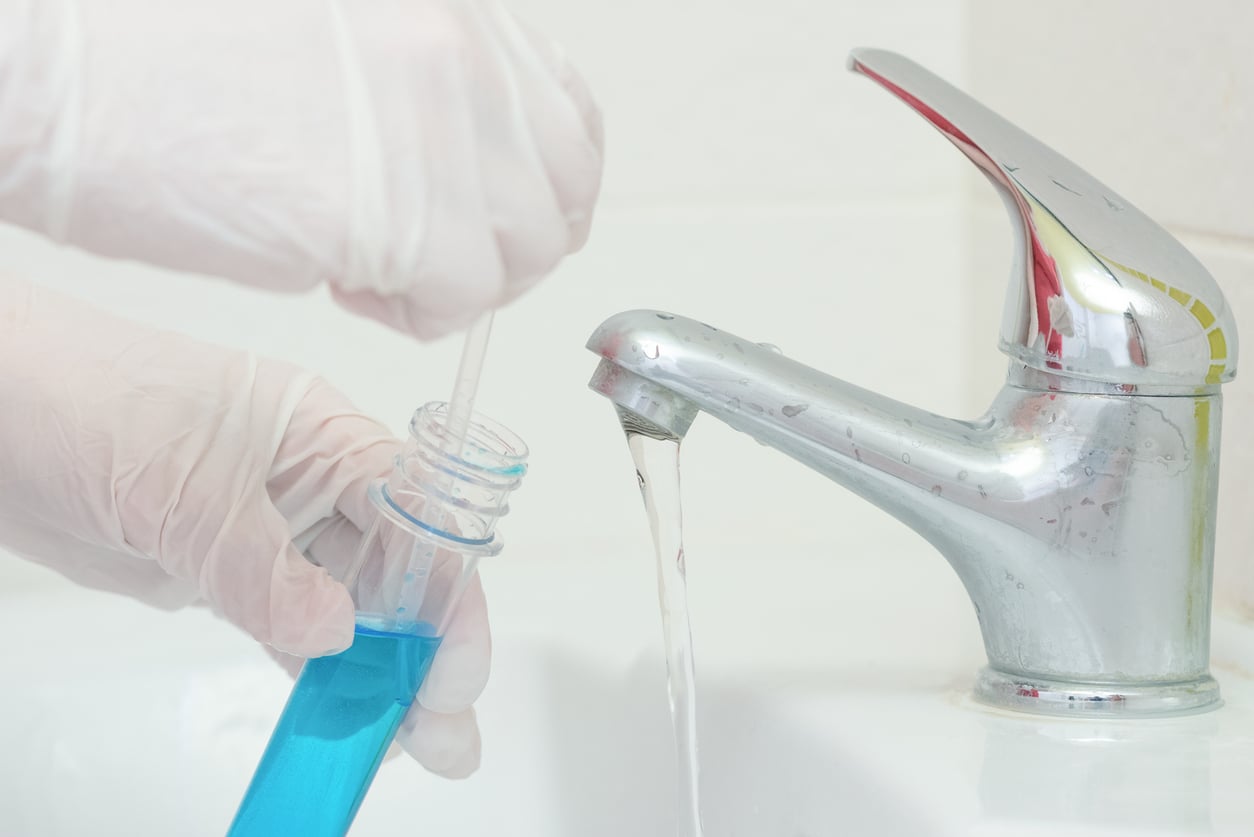
C 858-12
Arsenic in Your Water
Arsenic in your drinking water poses a threat to your health. Since private systems are more susceptible to arsenic than public water systems, private well owners should take steps to guard their health. Measures include routine water supply testing and wellhead maintenance and protection.
|