Lawn Maintenance Resources
-
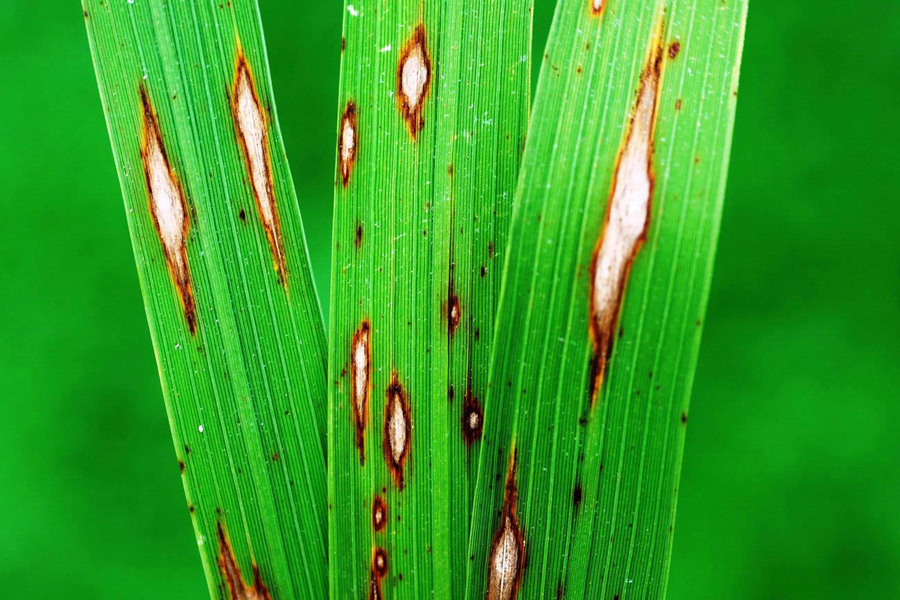
En el estado de Georgia, la mancha gris afecta primordialmente al césped San Agustín y es particularmente dañino y muy prevalente en áreas costeras del estado. En fescue alto aparece en forma esporádica y se observa anualmente en la región norte del estado (zona del Piedmont). Afectando céspedes estresados por el calor. En la región sur y central de Georgia, la mancha gris es más activa en junio a agosto, sin embargo, en las primaveras que son cálidas, la enfermedad puede presentarse temprano en el año.
|
-
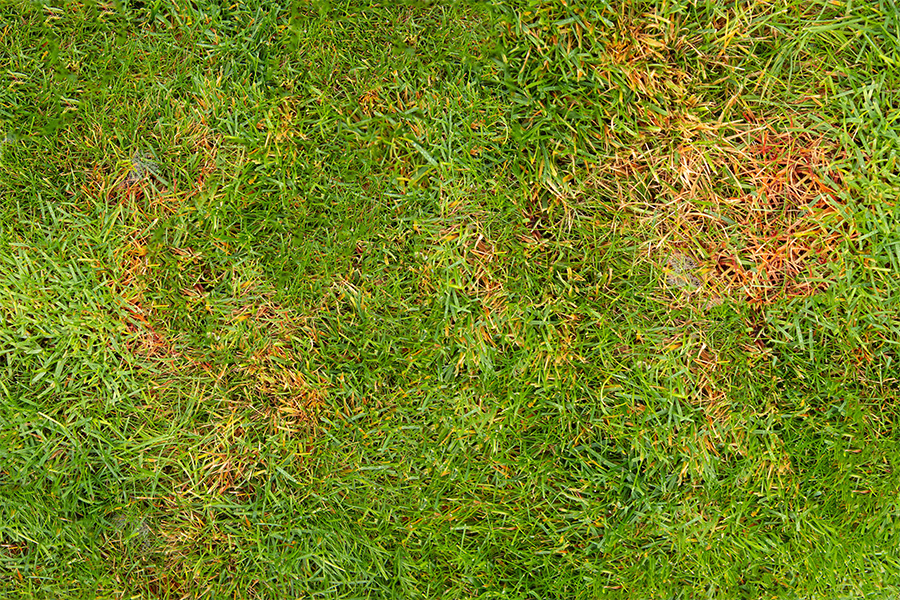
This publication is a comprehensive guide to identifying and controlling turfgrass diseases in Georgia.
|
-
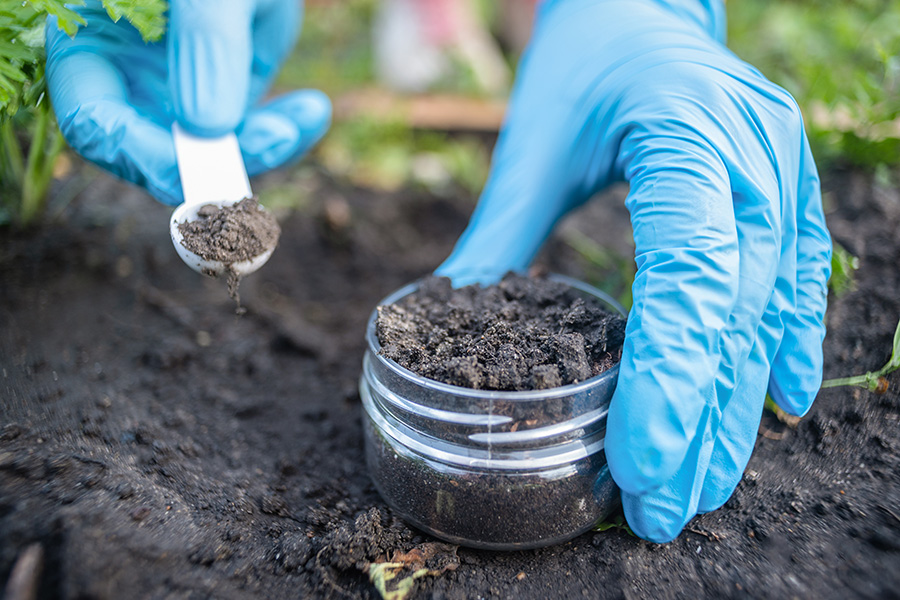
Developing and maintaining productive soils begin with soil testing. Soils tests provide information on the soil’s actual nutrient status. Test results are used to determine the amount and kind of nutrients that should be added for the best growth of lawn, garden, and other types of plants.
|
-
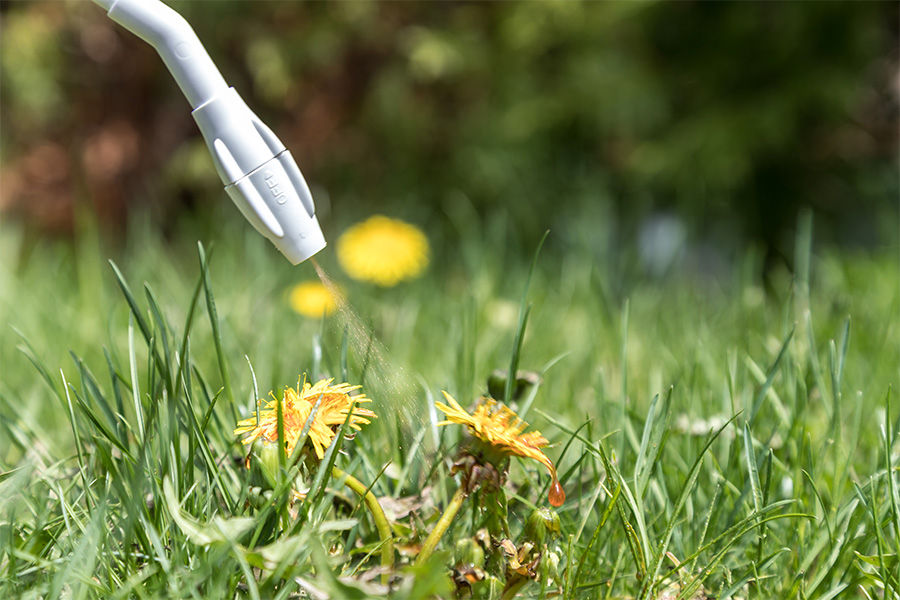
Weeds can be major pests of home lawns. Due to differences in color, leaf size, shape and growth habit, weeds detract from the natural beauty of desirable turfgrasses. Additionally, weeds compete with turfgrasses for sunlight, soil moisture, nutrients and space. Many weeds can quickly become the dominant species in a lawn. This publication contains comprehensive information about weed control in home lawns.
|
-
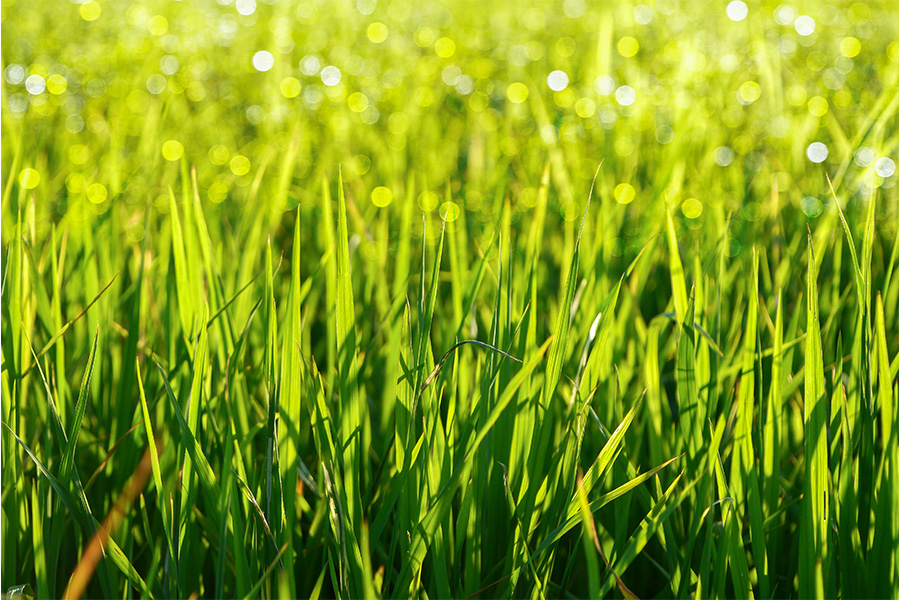
La bermuda es una planta perenne de estación cálida ampliamente utilizada para su uso como césped en el sudeste de los Estados Unidos.
[Although improved common (Cynodon dactylon (L.) Pers.) and hybrid bermudagrasses (Cynodon dactylon x C. transvaalensis Burtt-Davy) have desirable qualities as turfgrasses for heat, drought and wear tolerance, bermudagrass is a problematic weed when grown in mixed stands with other turf species. Selective control of bermudagrass is difficult but often warranted in order to maintain acceptable quality of the desired turfgrass species. This publication describes bermudagrass control methods for Southern lawns.]
|
-
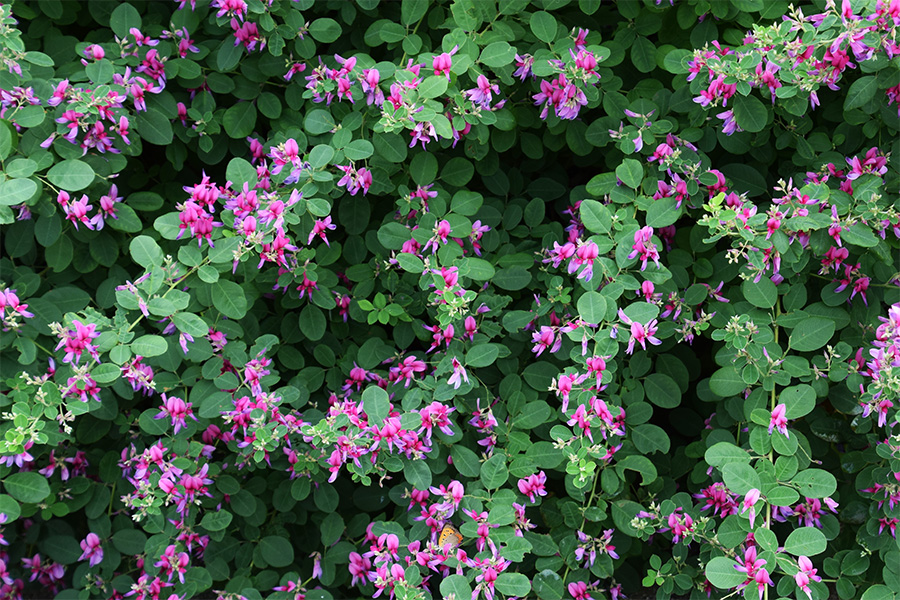
La lespedeza común (Kummerowia striata (Thunb.) Schind syn. Lespedeza striata) es una leguminosa anual de verano sin organización en sus ramificaciones, que es una maleza problemática en céspedes de jardines residenciales así como en otras áreas de césped.
[Common lespedeza (Kummerowia striata (Thunb.) Schind syn. Lespedeza striata) is a freely branched, summer annual legume that is a problematic weed in lawns and other turf areas. This publication describes ways to identify and control Lespedeza in turfgrass, including cultural control methods, preemergence herbicides and postemergence herbicides.]
|
-
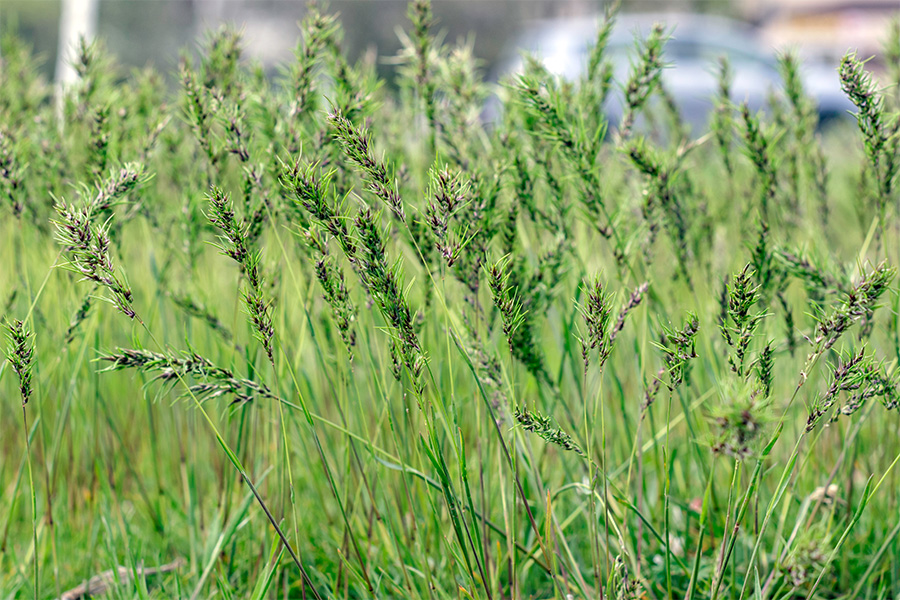
Annual bluegrass (Poa annua L.) is a problematic winter annual weed in residential turf. Compared to most turfgrasses, annual bluegrass has a lighter green color, coarser leaf texture and produces unsightly seedheads. Contrary to its name, both annual (live for one season) and perennial (live for many seasons) biotypes of annual bluegrass may be found in turf. This publication describes methods of control for annual bluegrass in residential turfgrass lawns.
|
-
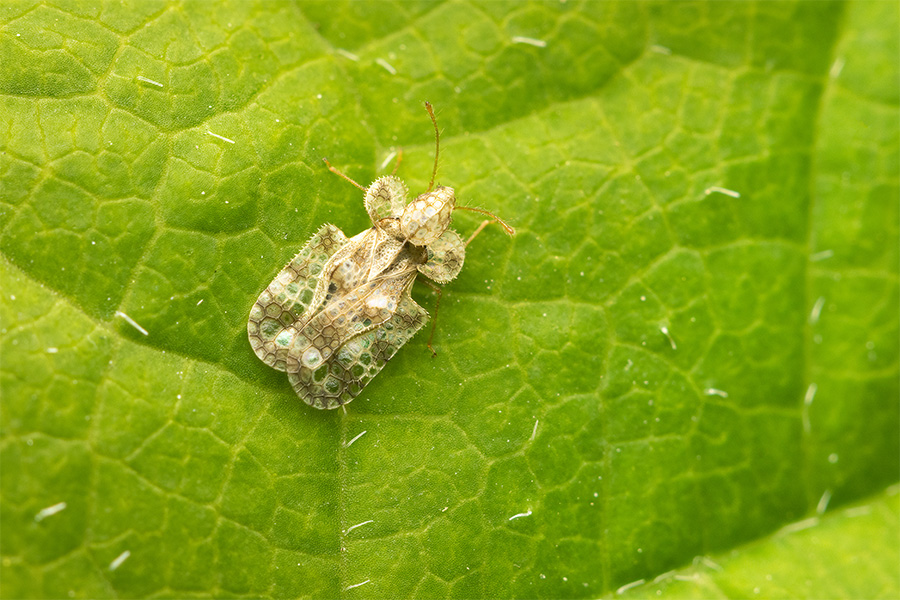
This resource covers lace bugs in landscapes, which can damage the foliage of trees and shrubs and detract from their beauty and, in severe cases, kill the plants.
|
-
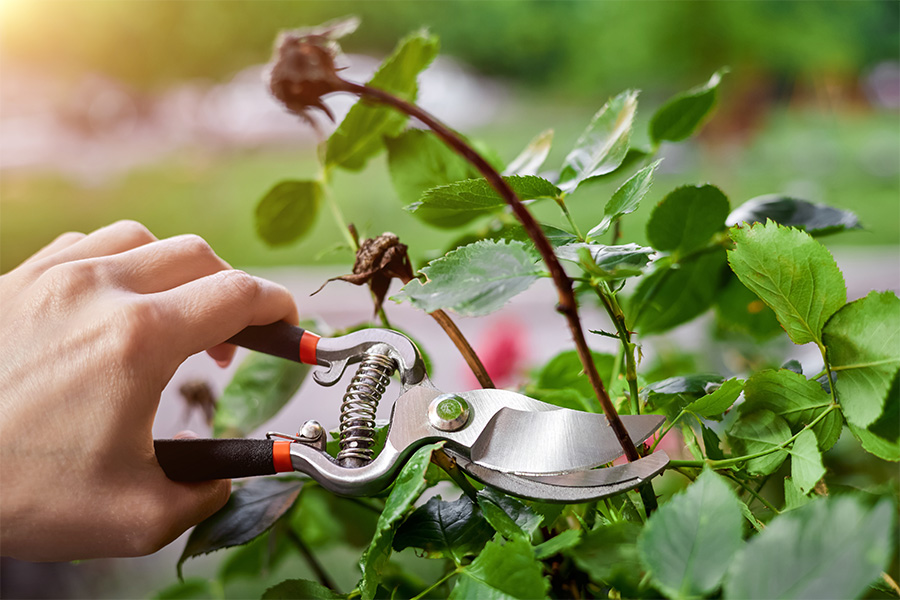
This resource provides guidelines for proper pruning that help you grow healthy vigorous plants and create lasting landscape beauty.
|