Lawn Maintenance Resources
-
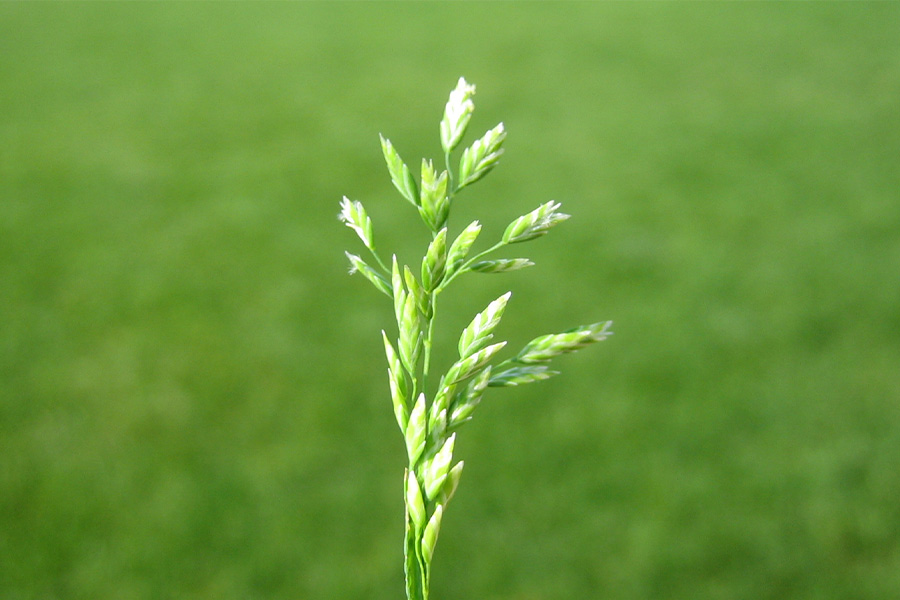
Annual bluegrass is the most problematic winter weed of lawns in Georgia. Plants have a light green color, coarse leaf texture, and produce unsightly seedheads. Annual bluegrass germinates in fall, overwinters in a vegetative state, and resumes active growth in spring. Annual bluegrass typically dies out by May in Georgia, but cool temperatures in spring and regular irrigation may extend survival of populations into early summer. This resource covers annual bluegrass identification, establishment, and cultural control for lawns. The development, detection, and control of herbicide-resistant annual bluegrass is also discussed.
|
-
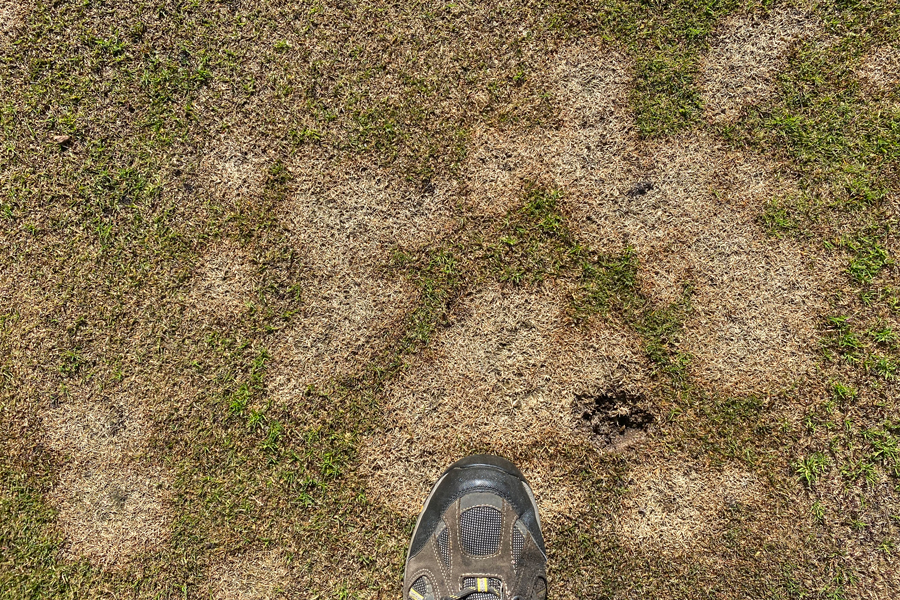
This publication contains information on Microdochium patch, an emerging disease in the state of Georgia. This circular contains the biology of the causal agent, as well as a detailed description of the disease symptoms (with detailed pictures), relevant up-to-date information on conditions favoring the disease, as well as cultural, genetic and chemical methods of control. The publication is aimed at turfgrass professionals, sod growers, consultants, county faculty, students, and the general public.
|
-
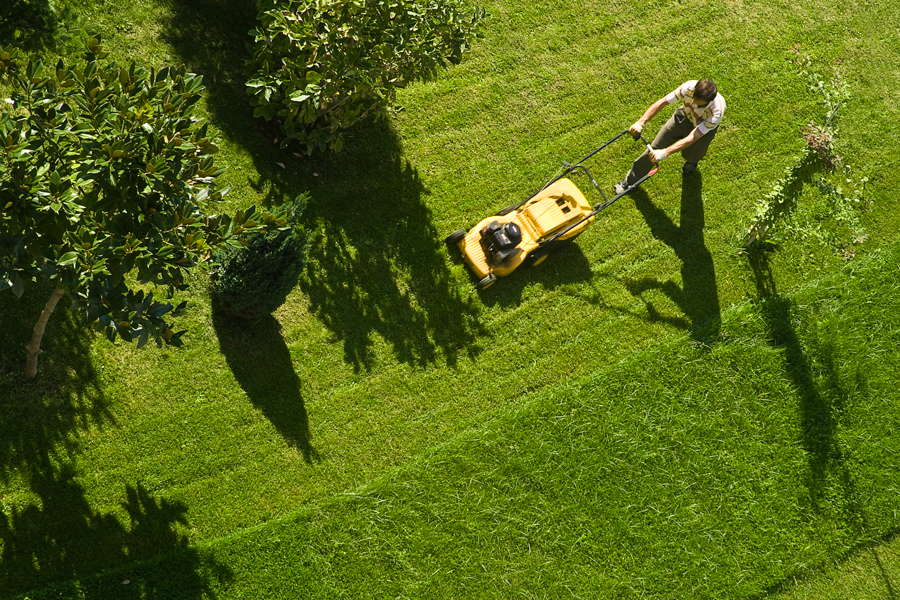
This publication covers routine maintenance and troubleshooting for common motorized equipment (small engine) that is used by small farmers and gardeners. Gardening and landscape equipment can be an expensive investment for both consumers and professionals. However, quality equipment can last a lifetime when cared for properly. Typically, you get what you pay for when it comes to equipment. Higher quality equipment certainly costs more upfront, but usually has fewer problems and will tend to outlast bargain-type tools. With name-brand equipment, parts also tend to be
more readily available. We recommend that you purchase the best equipment you can afford and learn how to take proper care of your equipment to protect your investment. For the garden and landscape, motorized equipment can include everything from a string trimmer to a full-size garden tractor. Most garden equipment is powered by either a two-cycle or four-cycle engine. Two-cycle motors mostly are found on smaller handheld equipment, such as chainsaws, tillers, and trimmers. Four-cycle motors typically are found on larger equipment such as lawnmowers, tillers, and garden tractors, which have separate reservoirs for their gas and engine oil. When properly maintained, both types of motors are quite reliable. Sometimes, very basic issues may keep motors from functioning well. All motors require three basic things to run properly: fuel, fire, and air. If any one or more of these three elements is lacking, the engine will either run poorly or not run at all.|
-
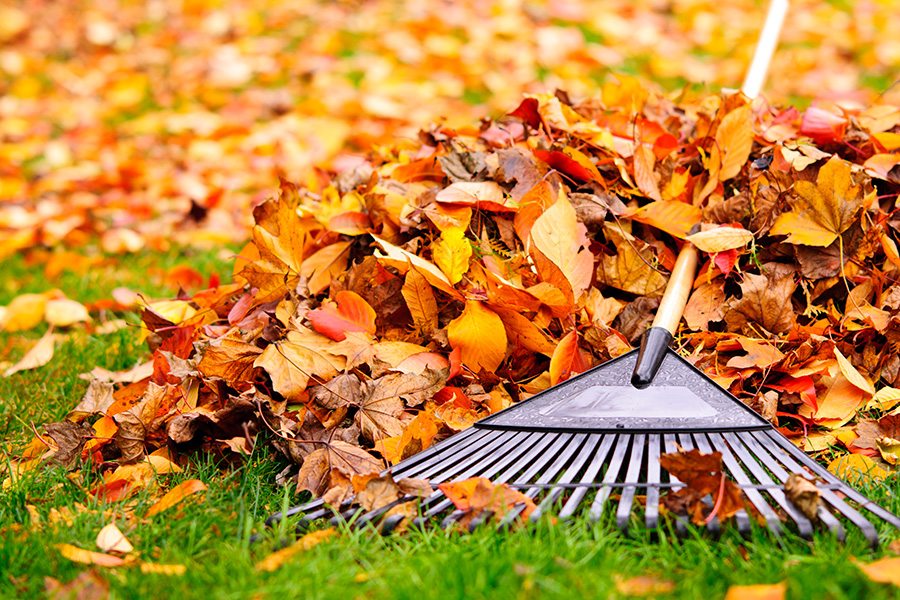
This publication is an annually-updated guide to fall gardening information and resources for Georgia. Topics include planting tall fescue lawns, soil bag flower beds, planting pansies like the pros, planting collards, turnips and cabbage, planting a home fruit orchard, mulching with leaves, gardening chores, cleaning and storing garden tools, treating for fire ants, and additional resources.
|
-
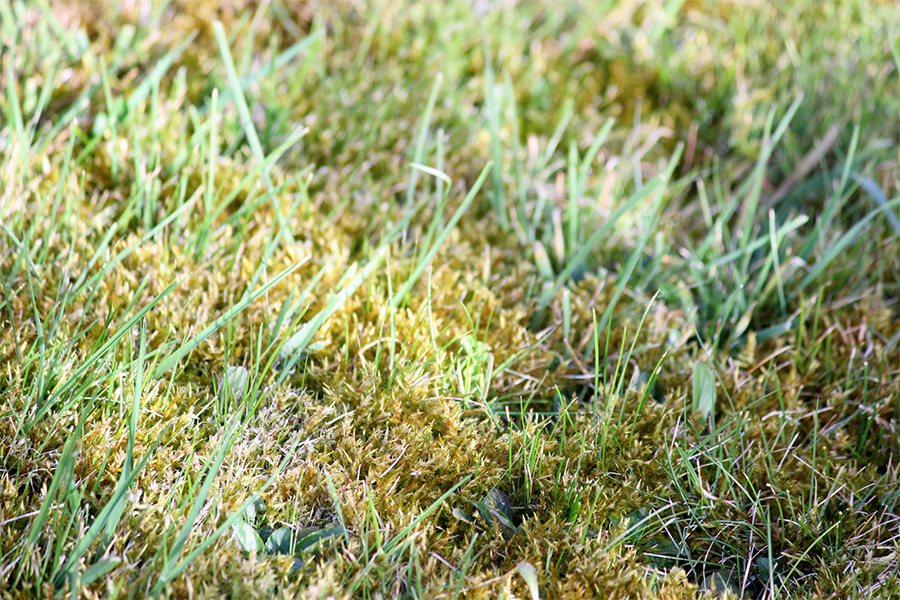
Occasionally, turfgrass areas begin to thin out and moss and algae start to form. These primitive plants develop because conditions for growing dense, healthy turf have declined. This publication gives you preventive practices and chemical suppression tips for controlling moss and algae in turf.
|
-

El mal del pie es una enfermedad destrcutiva en la region central, sur y costera de Georgia. EL mal del pie afecta todos los cespedes de clima calido en Georgia pero es mas severo en el cesped San Agustin (Stenotaphrum secundatum). La publicacion contiene informacion importante en la biologia del gente causal, descripcion detallada de los sintomas de la enfermedad (con fotografias de alta definicion), informacion relevante y reciente en las condiciones que favorecen la enfermedad, asi como los metodos de control cultural, genetico y quimico. Esta publicacion es dirigida a profesionales, consultores, agentes de extension y publico en general
|
-
Take-all root rot (TARR) has emerged as a destructive disease in central, south and coastal Georgia. TARR affects all warm-season turfgrasses in Georgia, but it is more common and severe in St. Augustinegrass (Stenotaphrum secundatum).
This publication contains important information on the biology of the causal agent, detailed descriptions of the disease symptoms (aided by high-quality, detailed pictures), relevant up-to-date information on conditions favoring the disease, and cultural, genetic and chemical methods of control. This publication is intended for turfgrass professionals, consultants, county faculty, homeowners, and general public.
|
-
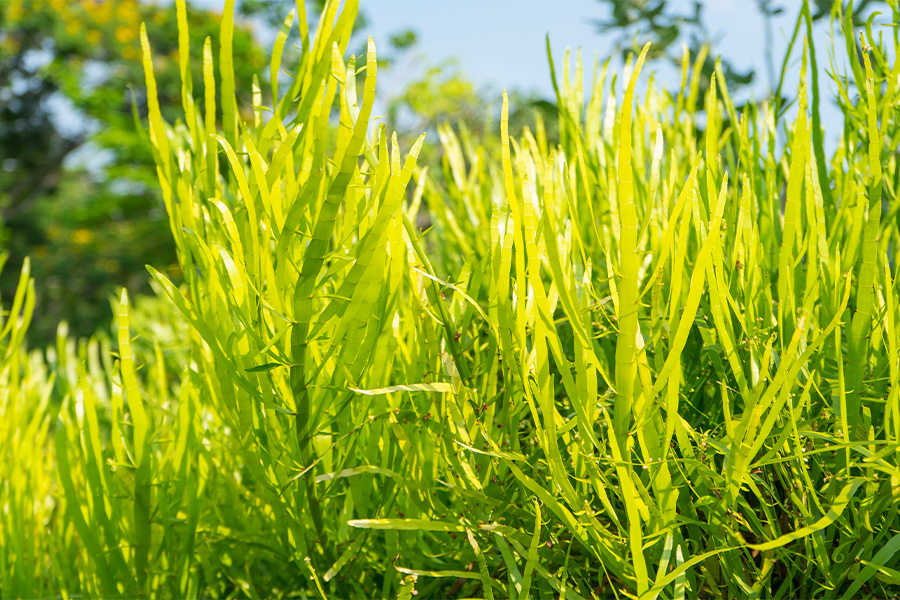
C 1003
Centipedegrass Decline
Centipedegrass is ideal for the homeowner who wants a lawn that needs little care. It can be established by either seed or vegetative parts and does not require much fertilizer. Compared to other lawn grasses, it is moderately resistant to insects and diseases. Although centipedegrass is a relatively low maintenance grass, proper management is still required.
|
-

Spring dead spot (SDS) is a persistent and destructive disease of bermudagrass (Cynodon sp.) in Georgia. The disease can be problematic on lawns, landscapes, golf courses (bermudagrass greens, tees and fairways) and sports fields. The disease is particularly prevalent and damaging in north Georgia, especially in the Piedmont region. However, SDS can be observed throughout the state after harsh winters and in areas where bermudagrass has been exposed to freezing temperatures for extended periods of time. The disease has also been observed in zoysiagrass, although less frequently. This publication explains how to identify and control Spring Dead Spot in lawns in Georgia.
|