Lawn Maintenance Resources
-

AP 130-4-12
2026 Green Industry Outlook
The key points for 2026 are: 2025 was a good year for many green industry firms as there was strong demand in many parts of the state; there are many unknowns going into 2026 that will impact green industry sales: mixed signals within the economy, increased input costs, and in particular the varying strength of the housing market in Georgia will play a major role; green industry demand is expected to slow, with prices expected to decrease to offset the decreased demand, which will result in decreased sales in 2026 compared to 2025.
|
-

Trees and lawns are not mutually exclusive, with proper care, planting, selection of trees and grasses, one can enjoy a beautiful landscape complete with cool shade and soft, inviting grass. This publication explains factors involved in plant growth, the differences between trees and grasses used in lawn settings, and provides step by step directions on achieving a healthy, beautiful landscape.
|
-
C 1130
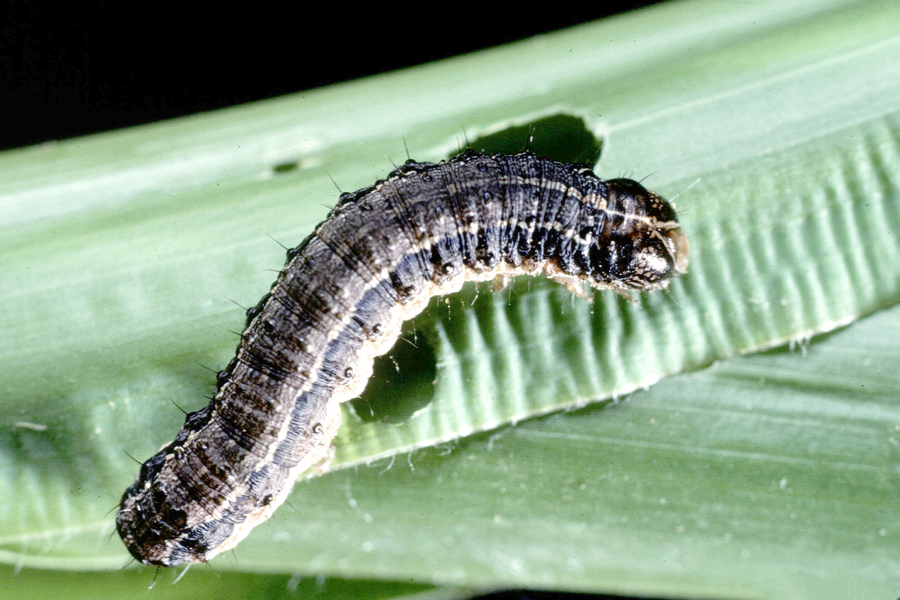
Armyworms in Sod
It is not unusual for fall armyworms to infest newly planted sod in a home landscape, especially during late summer to fall. Not all fall armyworm problems originate from sod farms but instead begin near the home landscape where sod is installed. This resource explains the biology and seasonality of fall armyworm in Georgia and discusses possible management strategies to mitigate infestation.
|
-
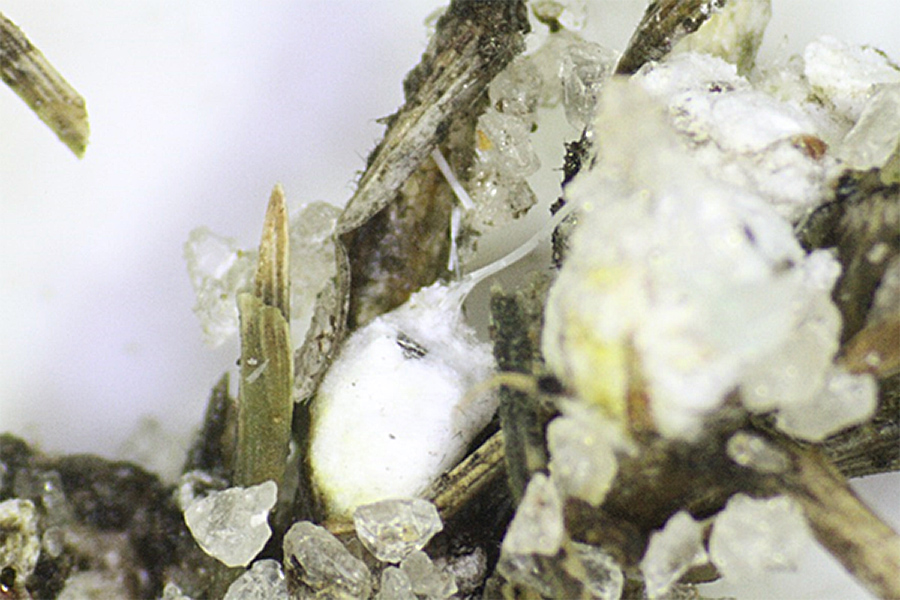
Rhodesgrass mealybugs are an invasive insect native to Asia that can infest more than 100 grass species including all warm-season grasses commonly used for pastures and turf in Georgia. This publication includes information about rhodesgrass mealybug identification and biology, its host plants, damage symptoms, and control strategies, including the use of parasitic wasps.
|
-
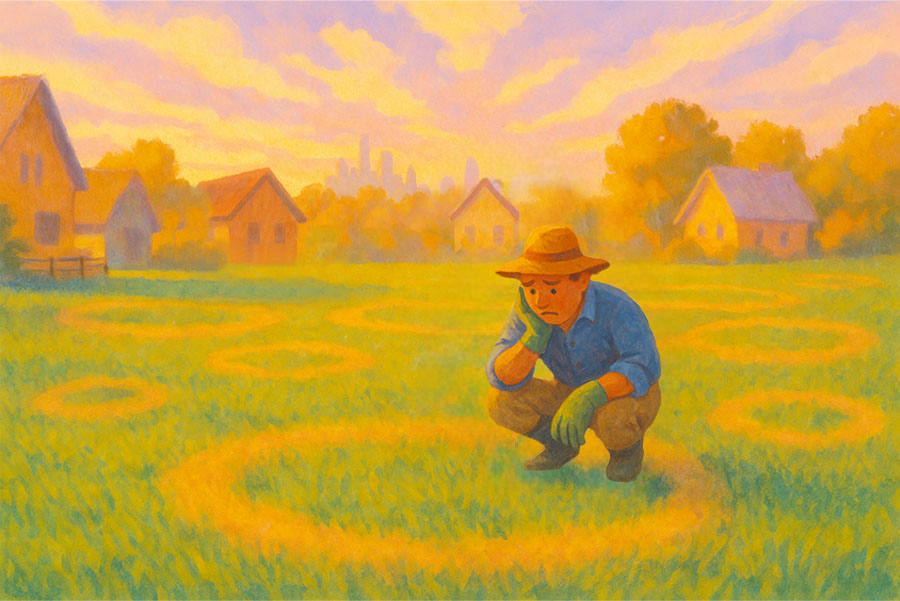
Fairy ring is an umbrella term for a disease that can be caused by more than 60 different species of basidiomycete fungi. It is particularly damaging on golf greens, but can affect all turf species in Georgia. Infection leads to localized dry spots and nutrient imbalances. No single strategy guarantees complete control, but integrating thatch reduction, water management, fertility optimization, and targeted fungicide applications can significantly mitigate disease impact.
|
-
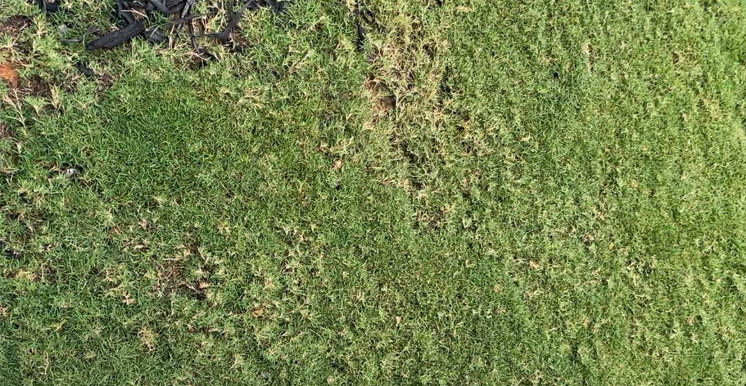
Turfgrass is an important component of many landscapes. Research has shown that landscapes support diverse, abundant, and intact bee communities in New York, California, and Ohio. In fact, the abundance and diversity of bees visiting home landscapes have been observed to approach, and even exceed, numbers in nearby natural and/or agricultural systems. If the turfgrass has been treated or is being treated with insecticides, the pollinators can be exposed directly or indirectly to the insecticides on the weeds. This can cause lethal or sublethal effects on these pollinators. The guidelines in this publication will reduce insecticide exposure to pollinators as they seek nectar and pollen from plants around lawns.
|
-
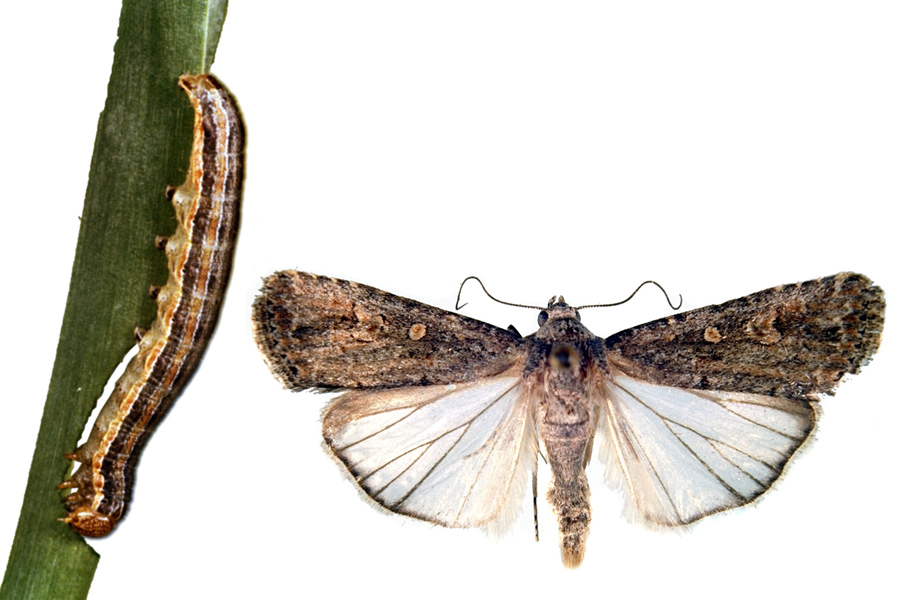
Fall armyworms are native to North America and can destroy lawn grass and other turf. They first reach Georgia in the spring or early summer, and caterpillars are noticeable in turfgrass in early July. The third, fourth, and fifth stages of fall armyworm caterpillars are the destructive stages. The younger stages (first through third larval stages) are tiny and hard to see in the grass. When infested, green turfgrass will gradually turn brown as the caterpillars grow. The damaged turfgrass may appear diseased or like it experienced drought.
|
-
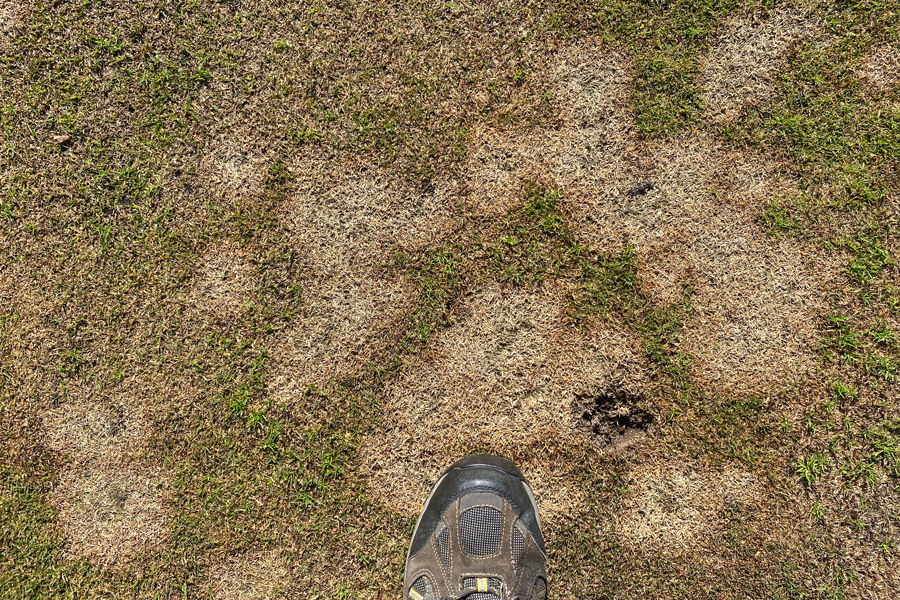
Microdochium puede ser severo tanto en el césped principal como en Poa, Lolium, Festuca pero puede infectar a céspedes de clima cálido si estos tienen un crecimiento activo o están en semi-dormancia. La enfermedad se observa comúnmente en áreas que se han sido resembradas.
|
-
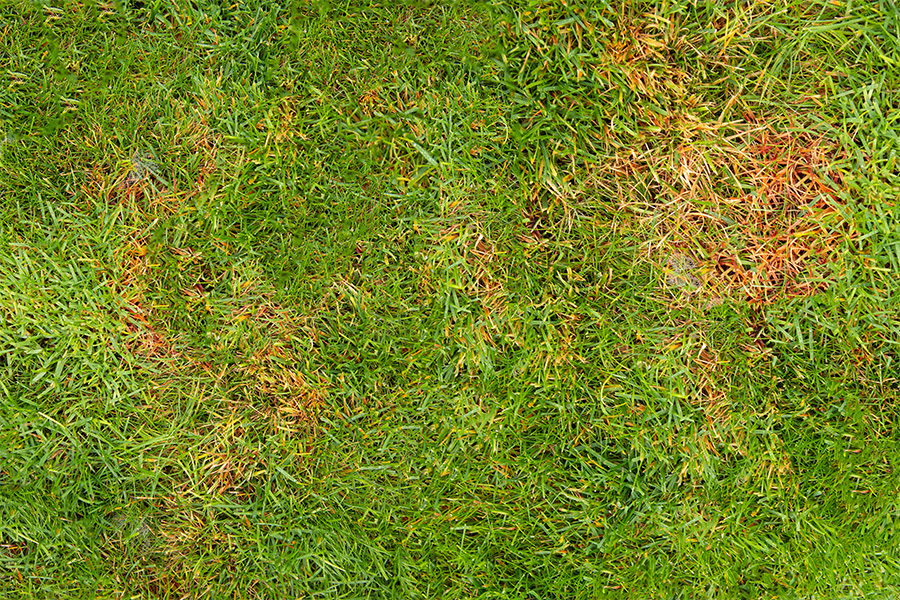
Esta publicación es una guía completa para la identificación y control de enfermedades de los céspedes en Georgia. Enfermedades incluyen: mancha “dólar”; anillos de hada; pudrición radicular “toma-todo”; Mancha parda/Mancha larga por Rhizoctonia Royas; Mancha foliar o decaimiento por Curvularia; quemazón o mancha foliar gris; antracnosis; hongos gelatinosos; y pudrición radicular por Pythium/quemazón por Pythium. La publicación también incluye una guía sistemática para el diagnóstico de enfermedades de céspedes; un clave simplificada para la identificación de enfermedades de céspedes; y el calendario de enfermedades de céspedes en Georgia.
|