Livestock Resources
-

AP 130-2-08
2024 Beef Cattle Outlook
1. The beef cattle outlook is positive in 2024. Tight supplies and stable consumer demand are expected to push cattle prices higher in the year ahead.
2. Risks come from the demand side if U.S. consumers are uninterested or unable to pay for higher-priced beef. Additionally, input cost uncertainty may squeeze margins.
3. Overall, beef cattle prices are expected to move higher year-over-year throughout 2024.|
-
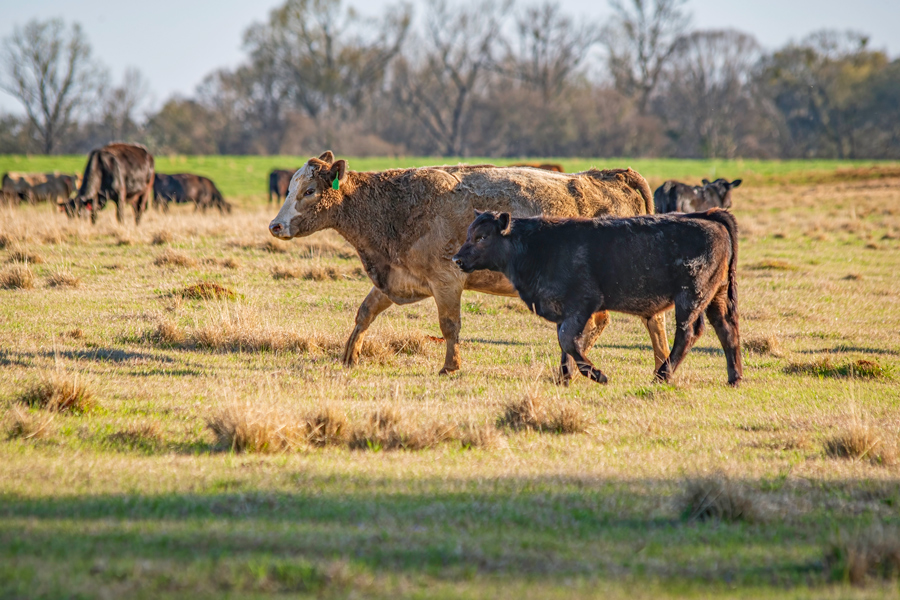
Beef cattle evaluation is important for all segments of the cattle industry. Visual evaluation allows you to compare animals not only for various economically viable traits, such as growth performance and potential carcass merit, but also for traits that are indicators of functionality in each production environment, such as skeletal structure. These traits are often difficult to quantify and are commonly considered convenience traits as they do not have a direct impact on income. Still, traits such as these can have a significant management and economic impact across multiple generations of offspring.
This publication is intended to help the reader develop visual evaluation skills for cattle with particular emphasis on breeding cattle. Visual evaluation combined with industry best management practices is key to overall success in selecting quality replacements.
|
-

AP 130-1-07
2023 Beef Cattle Outlook
1. Severe drought elevated cow slaughter in 2022. With fewer cows to slaughter in 2023, cattle prices are expected to increase. 2. China could become the largest export destination for U.S. beef in 2023. 3. As per capita beef consumption grows, there also will be a growing interest in plant-based alternatives.
|
-

AP 130-1-08
2023 Pork Outlook
1. 2022 U.S. pork prices continue to increase because of the limited number of slaughter-ready pigs. 2. Good outlook for 2023 as feed prices likely decrease and export demand increases.
|
-

Clean water for cattle is important for animal health and production and water delivery systems require routine maintenance and monitoring.
|
-

Cotton byproducts offer a variety of feed ingredients that can lower the cost of beef cattle production. Cottonseed meal and whole cottonseed can be used in rations for any class of cattle. Gin trash and cottonseed hulls are low-energy feedstuffs that are used as a roughage source in high energy diets or as a partial energy replacement in mature cow diets. Cotton stalk residue can maintain a dry pregnant cow and will provide enough grazing for approximately 1 month if left standing or for three weeks if mowed prior to grazing. A reduction in fertility should not be a concern when recommended feeding rates are followed.
|
-
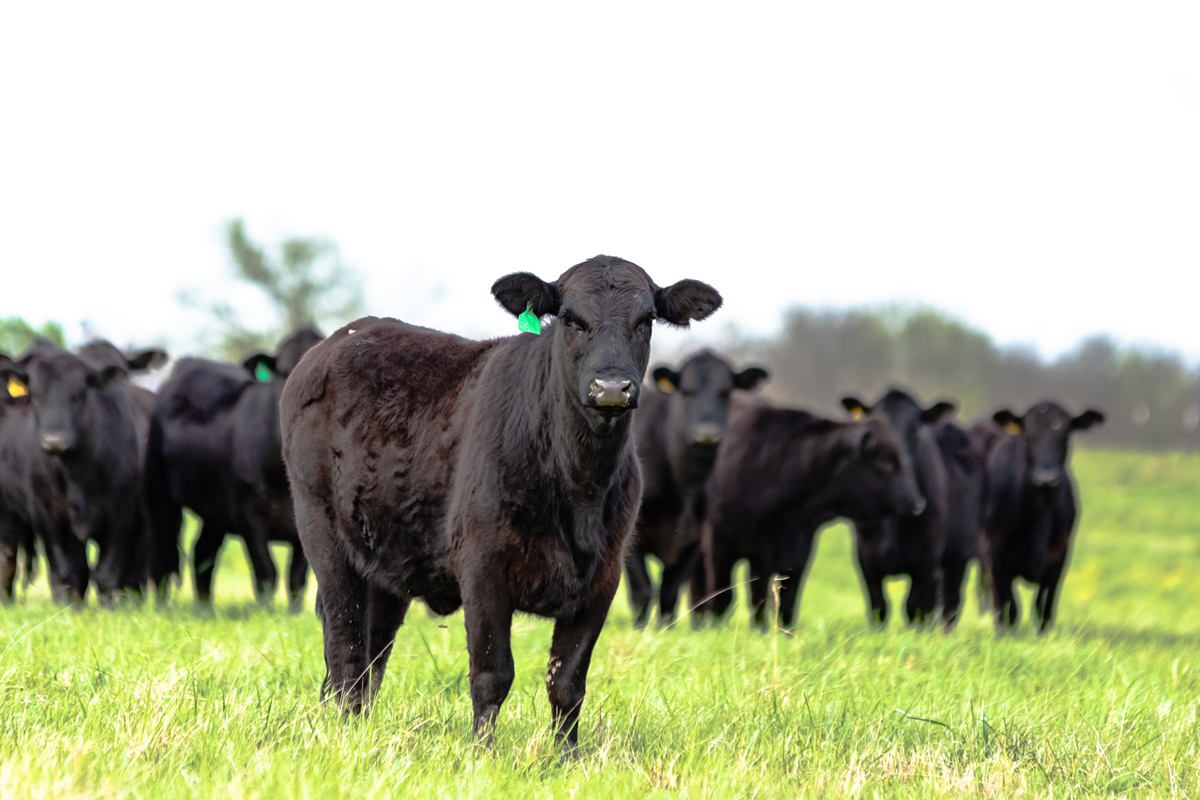
Cutting costs allows producers to survive during trying times and also teaches valuable lessons that may actually increase profits in future years. Cutting corners, on the other hand, may save some money in the short-run but ultimately will have very detrimental effects.
|
-

B 1377
UGA Feed Cost Analyzer
The UGA Feed Cost Analyzer is a spreadsheet-based decision aid to compare potential feedstuffs on a price per pound of crude protein and energy (total digestible nutrients; TDN). This program consists of a feed library prepopulated with some common feedstuffs, a least cost feedstuff analyzer, and a feedstuffs replacement calculator. Each page contains step by step directions on how to use this decision aid.
|
-
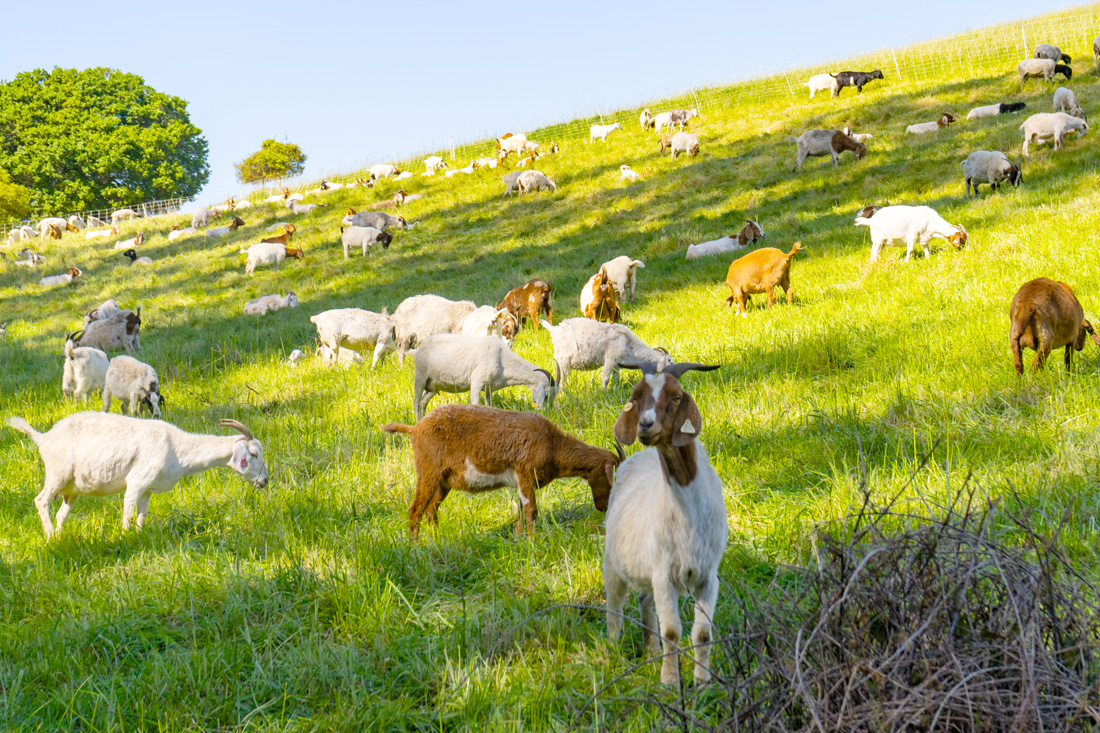
Goats are the most widely-dispersed meat animals and have been raised for centuries to provide meat, milk, fiber, cashmere and leather. Due to their small size, adaptability to harsh environments and availability, they have been more popular in nations lacking refrigeration, animal management skills and modern transportation. This publication deals solely with Spanish or meat-type goats in Georgia and covers their history, selection and management—from predator and disease control to reproduction and marketing.
|