Livestock Resources
-
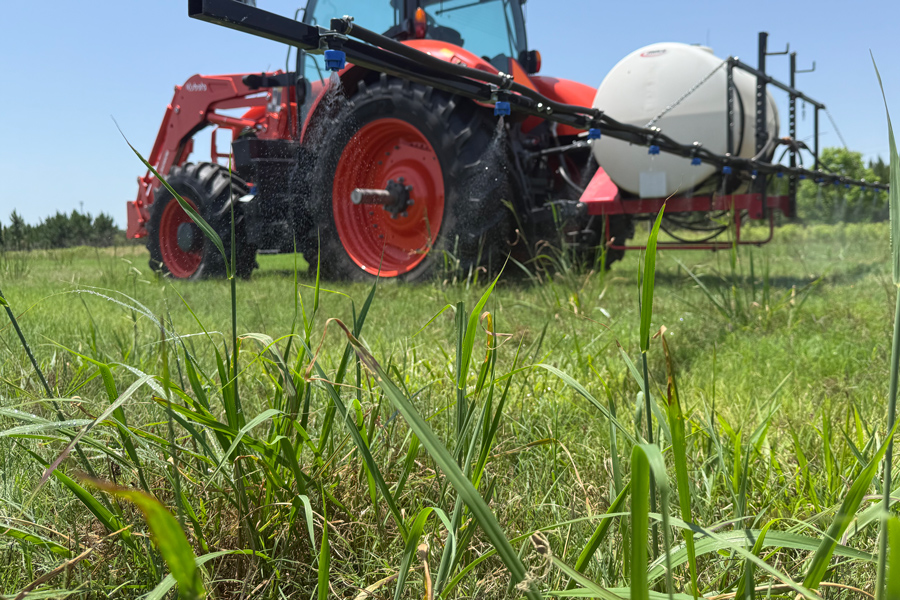
Vaseygrass is a warm-season perennial grass weed commonly found in pastures and hayfields in the southern half of Georgia. Recently, vaseygrass has begun to spread north in Georgia and can now be found sporadically throughout the Piedmont region of the state.
|
-
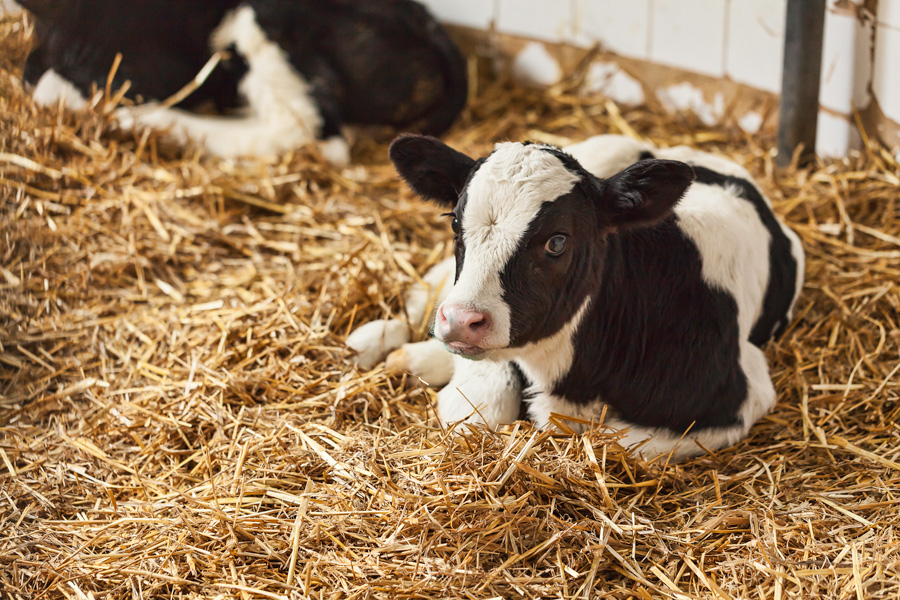
This guide to housing preweaned dairy calves is a resource for both farmers and youth participating in livestock projects. Housing can greatly impact the health and growth of dairy calves. Attention to factors that influence feed intake, comfort, and health are necessary for optimum growth and performance of calves, with long-term implication for their future productivity.
|
-
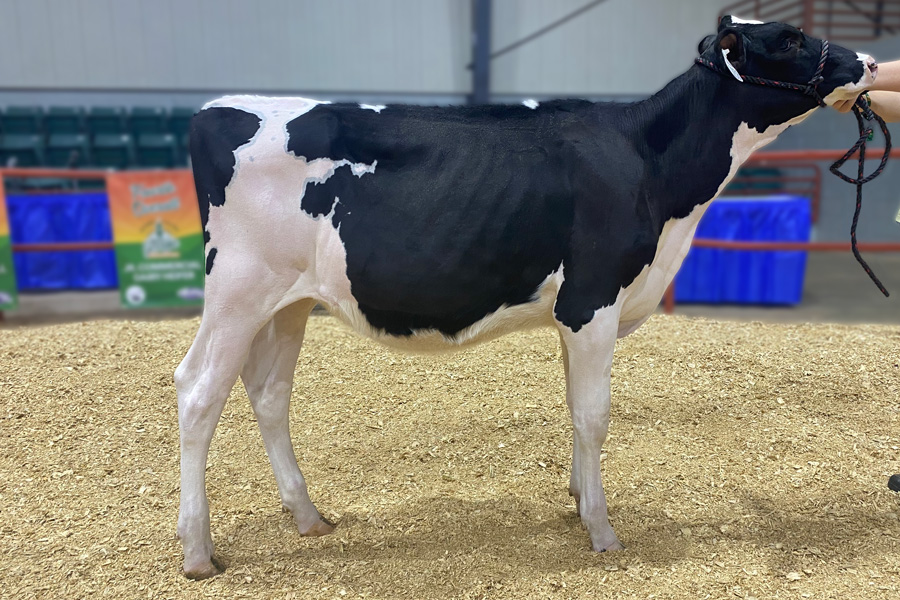
Selecting commercial dairy heifers and monitoring their growth can be difficult for many farmers and youth exhibitors. The way in which farmers are achieving production efficiency is highly variable from farm to farm, so this publication provides guidance on the conformation and growth parameters of commercial heifers found to be most ideal for future production efficiency.
|
-
AP 130-3-05
2025 Georgia Beef Cattle Forecast
1. The 2025 outlook for the beef cattle sector is positive with low supplies meeting high demand to create elevated prices.
2. In the near term, the higher risk appears to be beef demand—because of likely high beef prices and ample animal protein competition in the year ahead.
3. Herd rebuilding indicators should be watched carefully as the cattle cycle may be approaching its next low in 2025.|
-
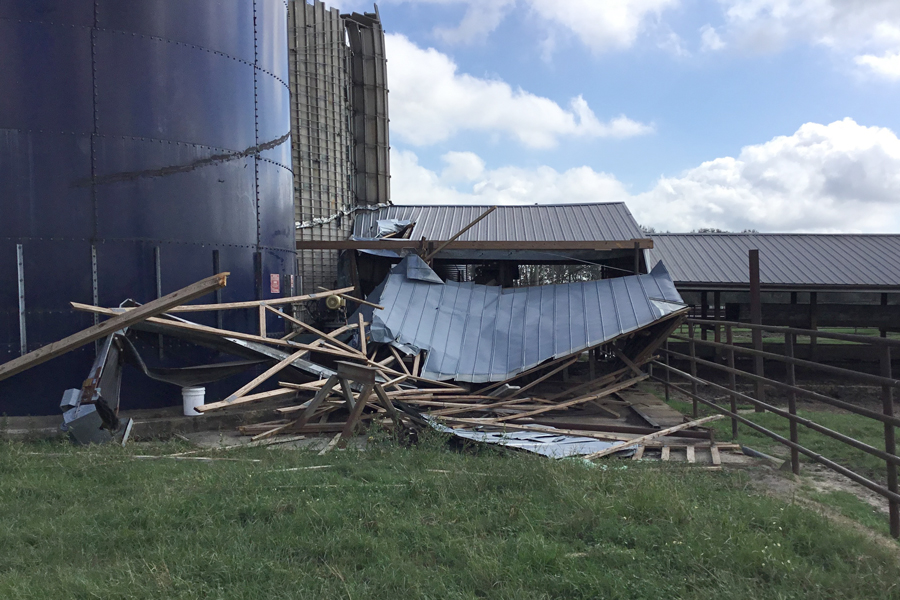
As a result of significant weather events, many producers in Georgia may experience losses of pasture growth, hay stocks, feed supplies, and livestock. After such events occur, farmers will be assessing damage to fields, stock, and property for many days, weeks, months. This publication is intended to provide recommendations to farmers that have experienced adverse affects due to significant weather in their forage and livestock production systems.
|
-
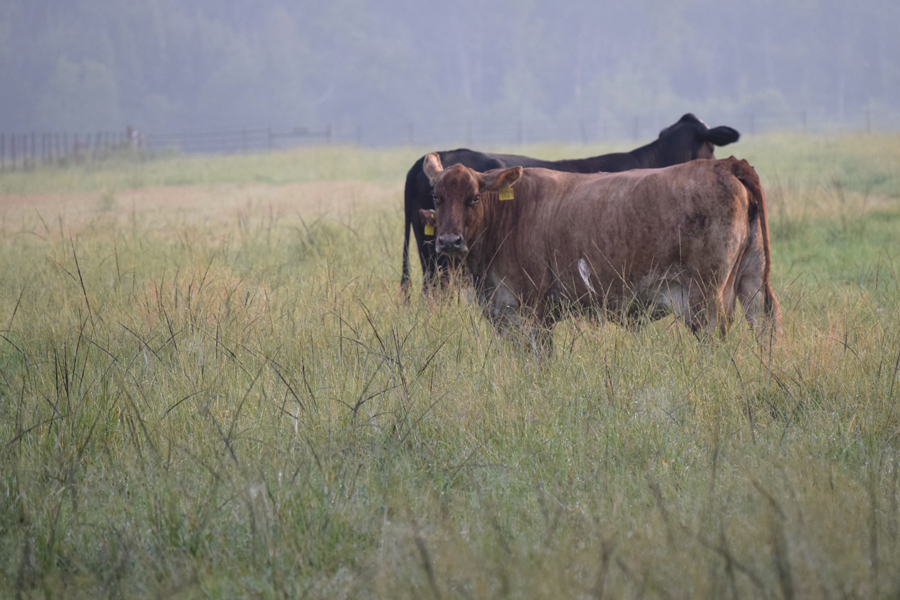
A good grazing management plan is essential to producer success for any grazing livestock production system. One of the keys to building a grazing management plan is to have a good understanding of the stocking rate on your farm and how this relates to forage availability. Stocking rate is a critical factor in all grazing operations, no matter the livestock species. By accurately determining stocking rate, understanding their grazing management options, and measuring forage availability producers can develop an effective grazing management plan for their operation. Additional author: Justin Burt, Postdoctoral Research Associate, UGA CAES Department of Crop and Soil Sciences
|
-
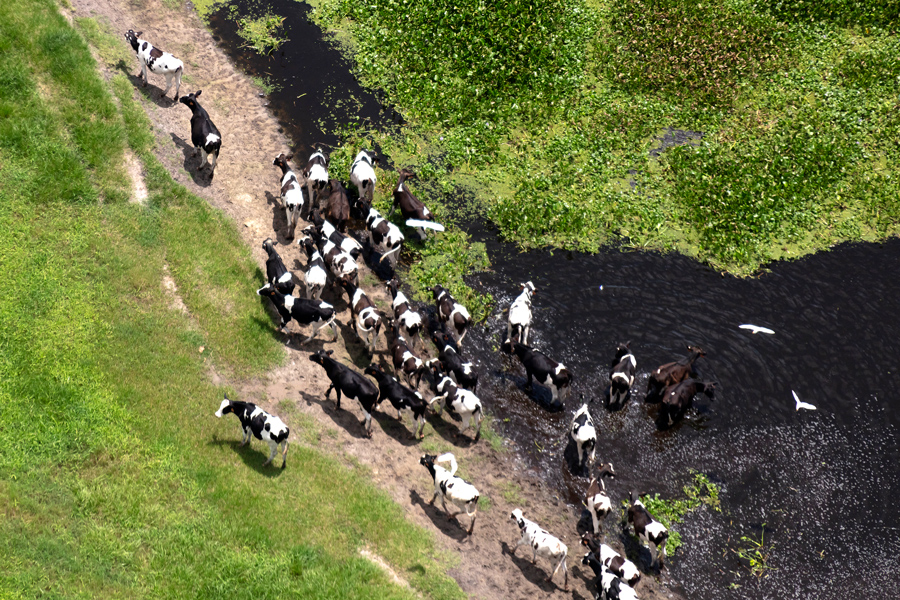
Allowing dairy cows the opportunity to graze pasture is a practice frequently used by dairy producers. Some producers use grazing as the primary source of forage while others use it as a supplement to a partial total mixed ration (pTMR). There are several challenges associated with grazing—especially during periods of heat stress—that producers should take into account to maintain intake and production, especially when grazing comprises a significant amount of the feed allotment. This bulletin will provide information on these challenges and changes that can be used to minimize the impact of heat stress.
|
-
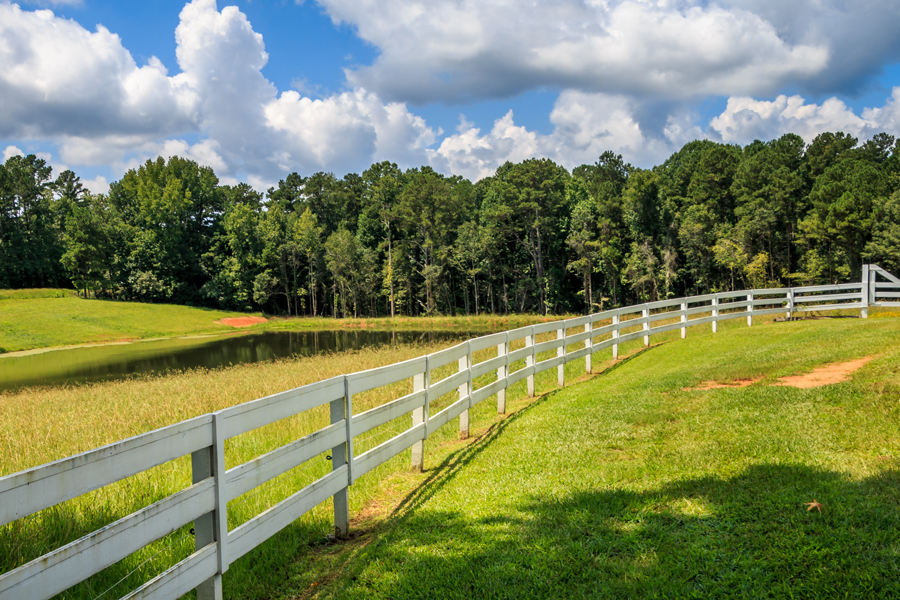
C 774
Fences for the Farm
Fences may be used to protect or divide property, to improve its appearance, to confine animals, or to exclude animals. This publication covers the planning for, type of, materials for, and maintenance of permanent and temporary fences.
|
-
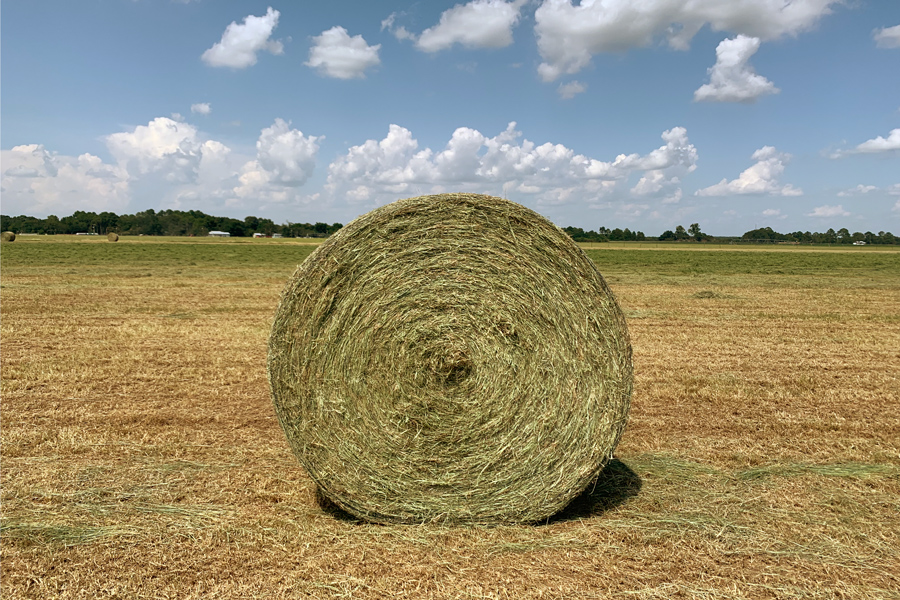
This resource is useful for anyone working directly with livestock producers to interpret and use forage reports. It also provides a “checklist” for taking forage samples from hay or baleage bales. It summarizes how to properly collect a forage sample, read the basic components of the lab’s report, and use the report for developing a basic feed plan.
|