Nursery and Ornamental Horticulture Resources
-
C 1292-02
Biochar Basics: Effects on Plant Growth
Additional author: Mengmeng Gu, Professor, Colorado State University Department of Horticulture and Landscape Architecture.
Is Biochar Good or Bad for Plant Growth? Mixing biochar into soilless substrates may have negative, zero, or positive effects on plant growth.
Biochar made from green waste mixed with peat at 50% by volume has been shown to increase prayer plants’ total biomass and leaf surface. Adding 10% by volume of sewage sludge biochar with peat-based substrates can increase lettuce biomass by 184%–270%. Mixing pruning-waste biochar with peat-based substrates at 50% or 75% by volume can also increase lettuce biomass. Mixing 20% or 35% (weight per weight) of coir biochar with 0.5% or 0.7% humic acid into a composted green-waste medium showed increased biomass of rattlesnake plants compared to those without biochar and humic acid amendments.
Mixed hardwood biochar (50% by volume) and sugarcane bagasse biochar at 50% or 70% with a bark-based substrate increased basil plants’ average root diameter. Mixed hardwood biochar at 20%–80% by volume increased photosynthesis, shoot fresh weight, and shoot dry weight of chocolate mint, peppermint, Kentucky Colonel mint, spearmint, and orange mint plants. Also, pinewood biochar mixed with pine bark increased chrysanthemum shoot fresh and dry weights.
Biochar may also have adverse effects on plant growth. For example, we tested one type of biochar with high salinity; plants grown in the biochar mixes wilted within 30 min. When plants do not have enough water to dissolve the extra salts, they die.|
-

C 1292-03
Biochar Basics: Effects on Plant Disease
Additional author: Mengmeng Gu, Professor, Colorado State University Department of Horticulture and Landscape Architecture.
How does biochar play a role in a plant-disease system? Briefly, before the pathogen infects plants, biochar can improve plant growth by increasing water and nutrient uptake, a healthier plant may be more resistant to attack. On the other hand, after a pathogen infects the plants, biochar could absorb the toxins, enzymes, and other compounds produced by pathogens.
Certain types of biochar could contain chemical compounds which is bad for pathogen growth. When incorporating this biochar into the substrate, the growth environment may become toxic to pathogens, so they cannot grow well enough to attack plants. For instance, eucalyptus biochar water extracts were found to inhibit Pythium growth in a lab setting. This finding indicates that substrate containing certain chemical extracts may impede plant infection by inhibiting the growth of Pythium (Bonanomi et al., 2015). After a pathogen infects a plant, biochar’s porous structure can absorb the toxins, enzymes, and other compounds produced by pathogens. Many types of biochar can improve plant growth, making the host plant stronger to fight against pathogens, thus reducing disease occurrence.|
-
Additional author: Mengmeng Gu, Professor, Colorado State University Department of Horticulture and Landscape Architecture.
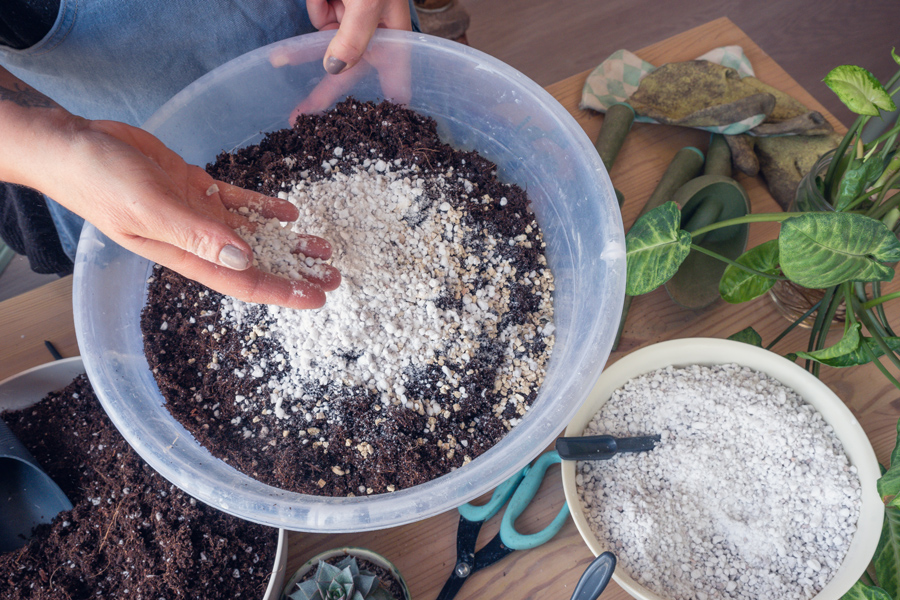
Container substrates must fulfill several functions for plant growth: create a suitable environment for root growth, physically support them, hold nutrients and water, and enable gas exchange between the roots and the atmosphere. Suitable physical and chemical container substrates’ properties facilitate these functions.
The physical properties of container substrates include air space (%), container capacity (%), total porosity (%), bulk density (g/cm3), and water holding capacity. Air space measures the proportion of air-filled large pores (macrospores) after drainage. Air space influences gas exchange and water holding capacity. Container capacity measures the maximum percentage volume of water a substrate can hold after drainage. Total porosity equals container capacity plus air space, and it measures the substrate volume that holds water and air. Bulk density measures how much one unit of the substrate weighs. Water holding capacity measures the container substrate’s ability to physically hold water against gravity; its maximum value equals container capacity.
Biochar can be derived from various feedstocks, processed under different pyrolysis temperatures, and subjected to various pre- or posttreatments, which can lead to dissimilar physical properties that affect the container substrate’s physical properties. Adding biochar may affect air space, container capacity, total porosity, and bulk density with variable effects. For instance, substituting peat moss with 50% green waste biochar (by volume) did not affect total porosity and container capacity, but significantly decreased air space, which was still in the optimal range (15%–30%) for container substrates. Similarly, a peat-moss-based substrate’s total porosity decreased with the increased addition of pelleted biochar. However, adding deinking sludge biochar increased the total porosity and air space of the container substrate.|
-

AP 130-2-12
Green Industry 2024
1. 2023 was a good year for many green industry firms, but not as good as 2020–2022.
2. The unknowns going into 2024 include higher inflation and interest rates, mixed signals within the economy, increased input costs, and variability in the housing market.
3. Green industry sales in Georgia are projected to be lower than 2023 levels.|
-
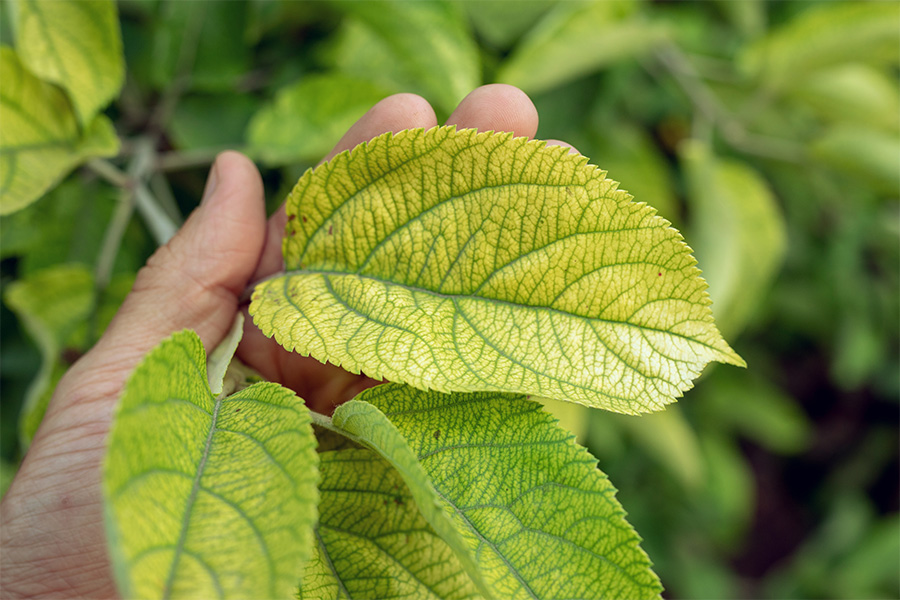
Your goal as a greenhouse grower is to maintain a stable pH over the life of the crop. This is not an easy task since many factors can affect pH in the growing substrate. The pH can go up or down within several weeks of the crop cycle and if you wait for deficiency or toxicity symptoms to develop, you have already compromised the health of the crop and you r profits. Knowing all factors involved is the first step to managing the substrate pH.
|
-

Each year, one of the first questions both seasoned and new nursery producers, managers and owners asks is, “What plants should be propagated and/or grown in the upcoming season(s)?” Answering this question requires a complex equation of inputs ranging from the type of nursery operation that exists to physical location and market trends. For this reason, the answer to this question varies for each person or business.
This publication describes several important factors that must be considered to properly assess which ornamental crops should be grown and which market niches exist that may dictate crop selection.
|
-
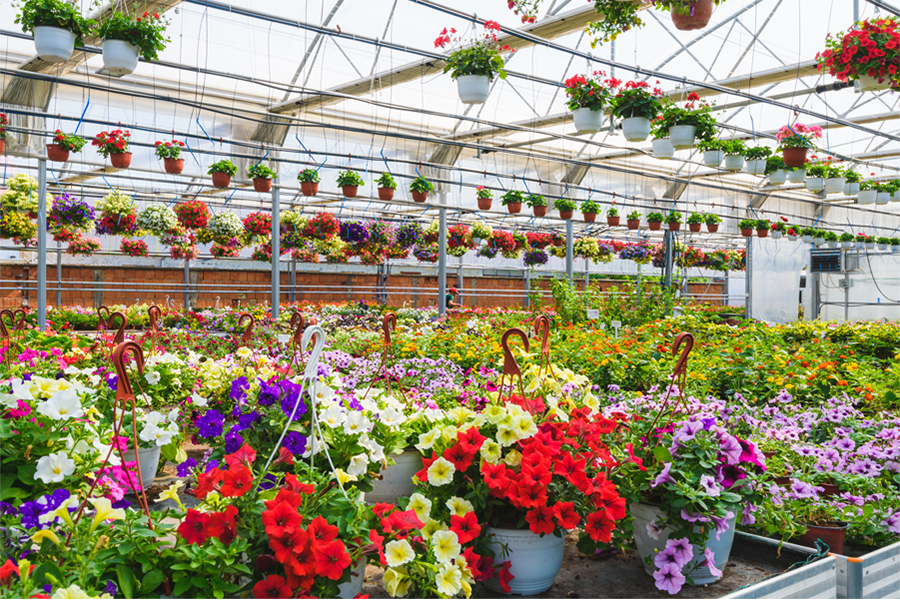
Georgia’s nurseries, greenhouses and turfgrass businesses are major contributors to Georgia’s growing economy, to the beauty of Georgia homes and businesses, and to a better quality of life. When used appropriately, the products and services provided by these businesses enhance the environment of their customers. Thus, it only makes sense that these businesses should use management practices that are not damaging to natural resources and the environment. This publication is one tool that green industry companies can use to evaluate their management practices and design strategies for environmental compliance and pollution prevention.
|
-
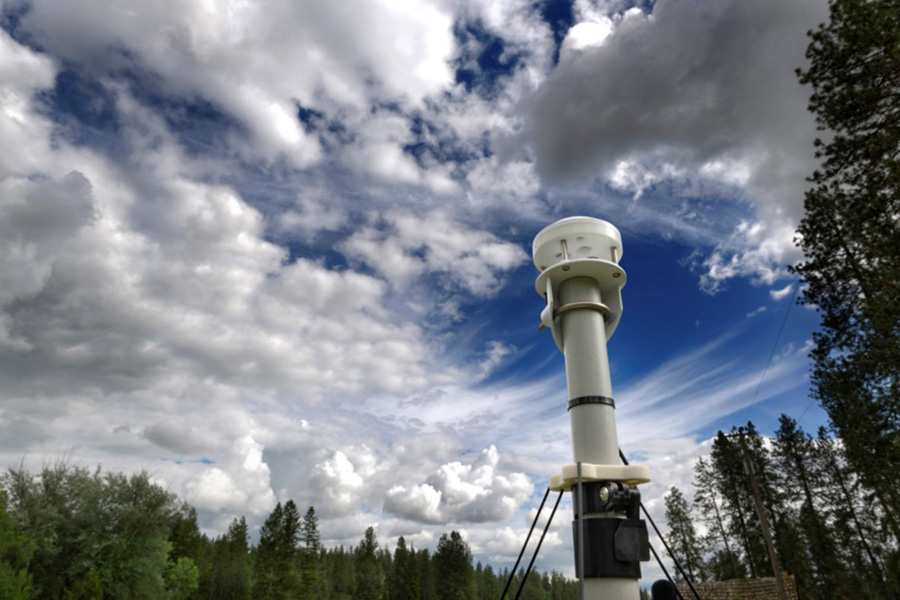
A weather station is a collection of instruments and sensors measuring atmospheric and soil conditions. Commonly measured environmental variables include light, temperature, relative humidity, rain, wind, and soil conditions (soil moisture, soil temperature, and/or soil bulk electrical conductivity). An on-site weather station allows growers to monitor the microclimate in a growing area. Weather conditions can vary over short distances, especially for measurements such as rainfall, which means that off-site measurements—often taken miles away as part of a public weather network—may not be accurate enough for irrigation and/or temperature scheduling purposes. Additionally, cold pockets created by elevation changes can create temperature variability, making local (adjacent to growing areas) weather stations a valuable tool in monitoring and use for irrigation scheduling and freeze protection.
|
-
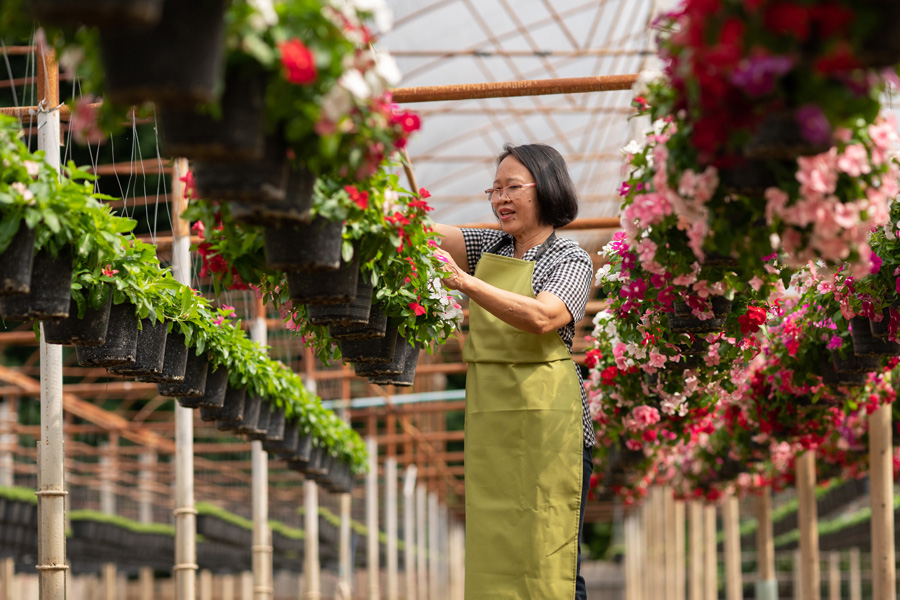
The idea of producing your own food in a clean, controlled environment is very appealing. While dreams may be big, careful research and planning should be done prior to jumping into any farm venture. Important items such as desire, capital, feasibility, labor, demographics, and marketing all need to be considered.
|