Nursery and Ornamental Horticulture Resources
-
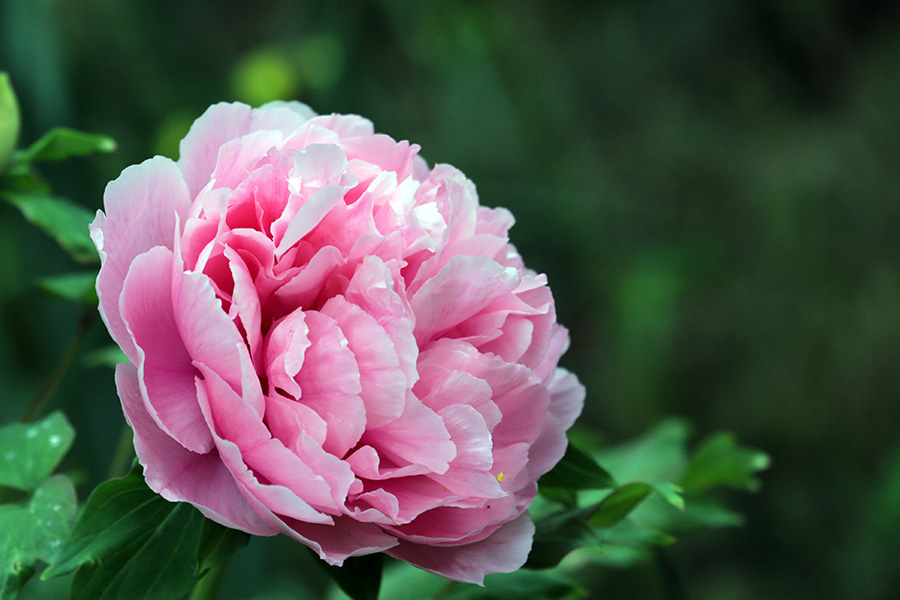
This resource helps landscaping professionals understand the basics of perennial plant biology, ideas on design and installation, and information on cultivation and maintenance of perennial beds. Whether in a commercial installation or residential garden, perennial plants can be successfully used to offer more landscaping choices, distinguish your firm from the competition and create a niche for your landscape business. Perennial plants are complex, and it is best to contract or hire a professional landscape architect for the design phase and train knowledgeable staff in proper maintenance later on. It should also serve as a quick guide for the most common and recommended perennials for Georgia. Common-sense tips from a professional landscaper’s perspective are also included.
|
-
C 983
Pampas Grass
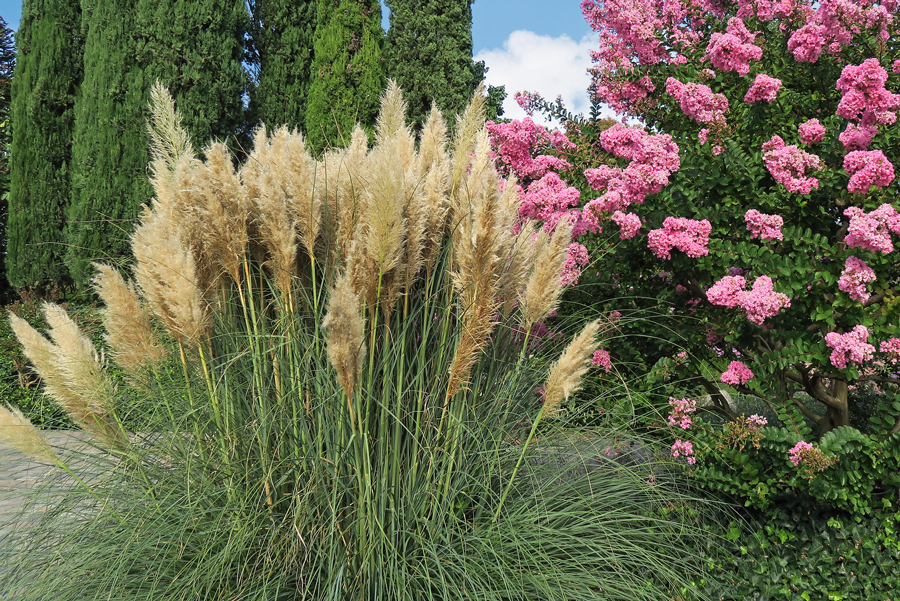
Pampas grass is a large perennial grass native to Brazil, Argentina, and Chile. Mature plants can reach 10 feet tall and 6 feet wide. In late summer, silvery-white plumes rise several feet above the foliage and make a bold, dramatic statement in the landscape.
|
-

Weed management is one of the most critical and costly aspects for container nursery production. Weeds can quickly outcompete the crop for light and other resources, reducing the rate and amount of crop growth as well as salability. Preventative practices are most effective, primarily with the use of preemergent herbicides. Weed management alternatives to synthetic herbicides include sanitation, exclusion, prevention, hand weeding, mulching and use of cover crops, heat, and nonsynthetic herbicides. Only some of these alternative methods can be used to control weeds in containers, but all can be used to manage weeds around containers and in noncrop areas.
|
-
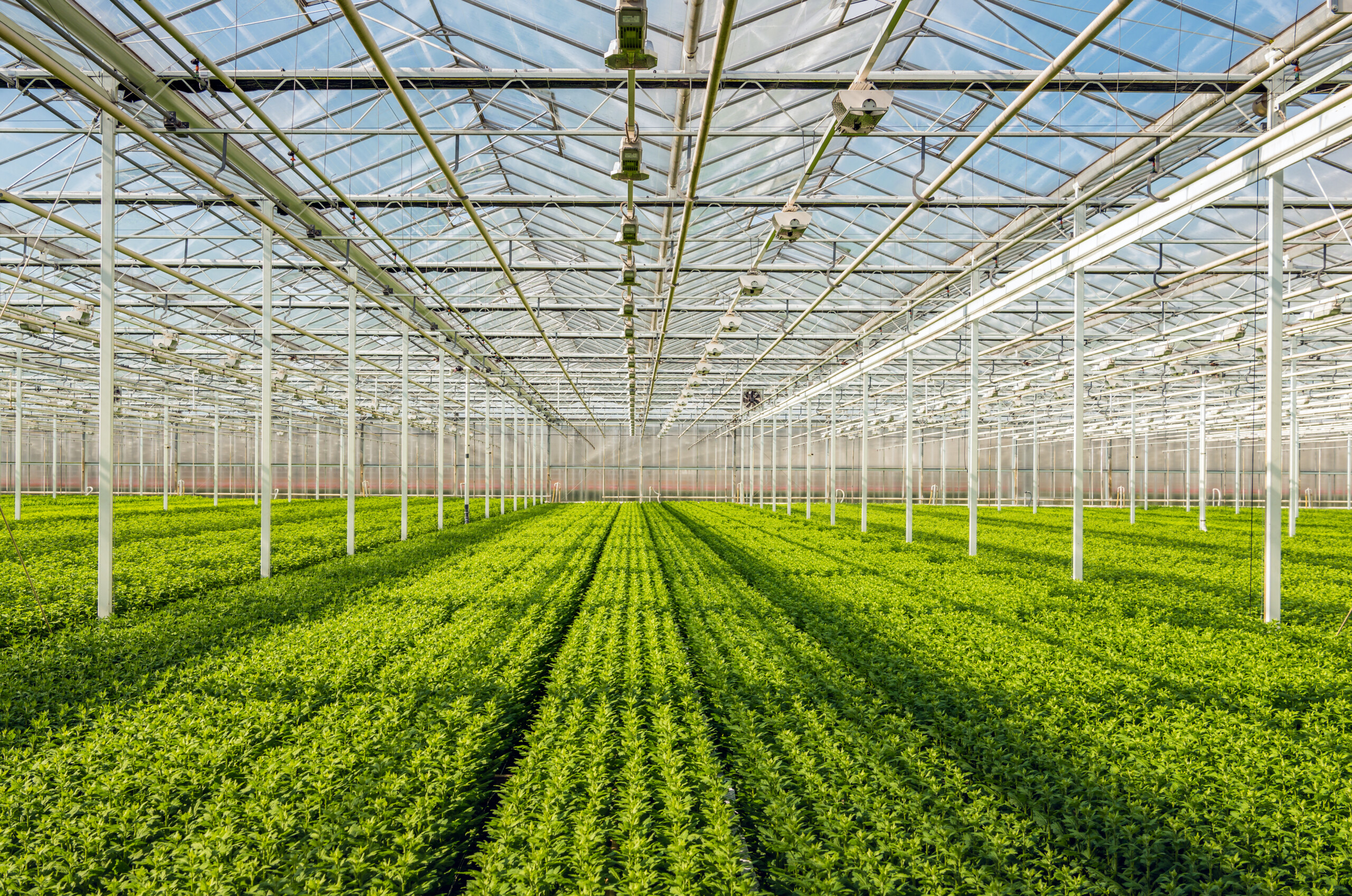
Many pesticides require the addition of an adjuvant, and some do not. When applying fungicides, insecticides or herbicides without a recommended adjuvant, 30 percent to 50 percent reduction in pest control can be expected. Adjuvants may cause damage to a plant if the wrong adjuvant is used or if it is used at too high a concentration. Using the correct adjuvant on a greenhouse crop is a critical decision. This bulletin is intended to describe how adjuvants differ and what adjuvants are best to use.
|
-

The Greenhouse*A*Syst series of publications is a confidential self-assessment program you can use to evaluate your greenhouse business for risks associated with water management issues. Armed with facts and figures, you will then be able to reevaluate your management strategies and determine ways to conserve water and minimize those risks. By following the guidelines, you will be able to establish a formal company-wide water conservation plan. Implementation of this plan will facilitate more efficient use of resources and impart significant savings in water use, fertilizer and pesticides. This publication will help you assess the feasibility of water reclamation and recycling in your operation.
|
-
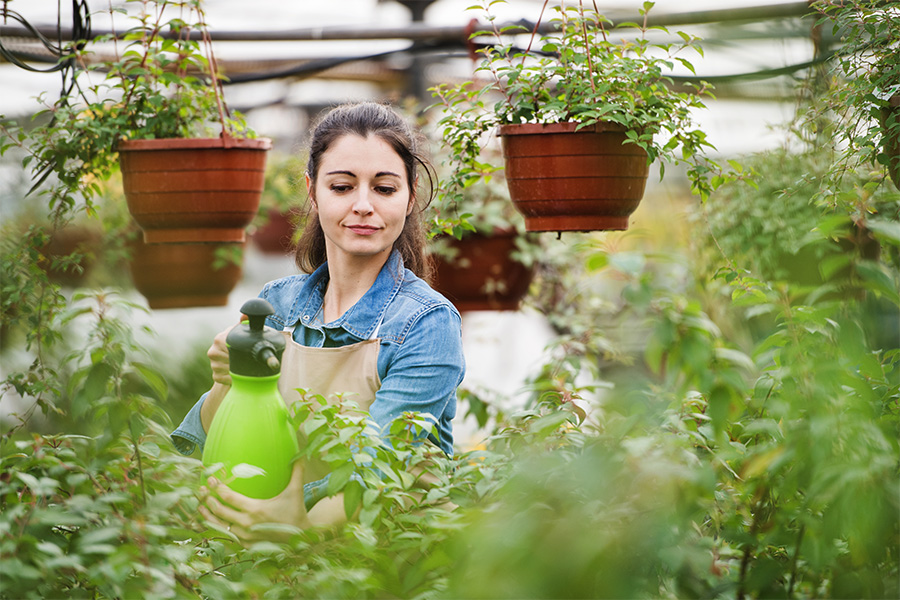
Integrated pest management (IPM) is a sustainable approach to managing pests by combining biological, cultural, physical and chemical tools in a way that minimizes economic, health and environmental risks. One hundred and seventy-eight horticultural producers were surveyed in 2009-10 to determine the IPM practices used by growers in the southeastern U.S. Growers were asked a series of questions about monitoring or scouting for pests, prevention practices or interventions used to control pests.
|