Organic Resources
-

This publication provides information on variety types, suggested vegetable varieties for organic production, and steps to saving your own seed.
Organic farming and vegetable production are becoming increasingly popular. Nationally, organic sales have increased 80% since 2007, organic produce has a wholesale value typically twice that of conventional produce, and 75% of organic products are sold within 100 miles of the farm. These facts suggest that there is a tremendous market potential for organic vegetables in Georgia, yet organic production remains only a fraction of conventional vegetable production. Because of our humid subtropical climate, organic production in the Southeast is continually challenged by intense disease, insect and weed pressure. The purpose of this guide is to detail the importance of varietal selection for organic growers.
|
-
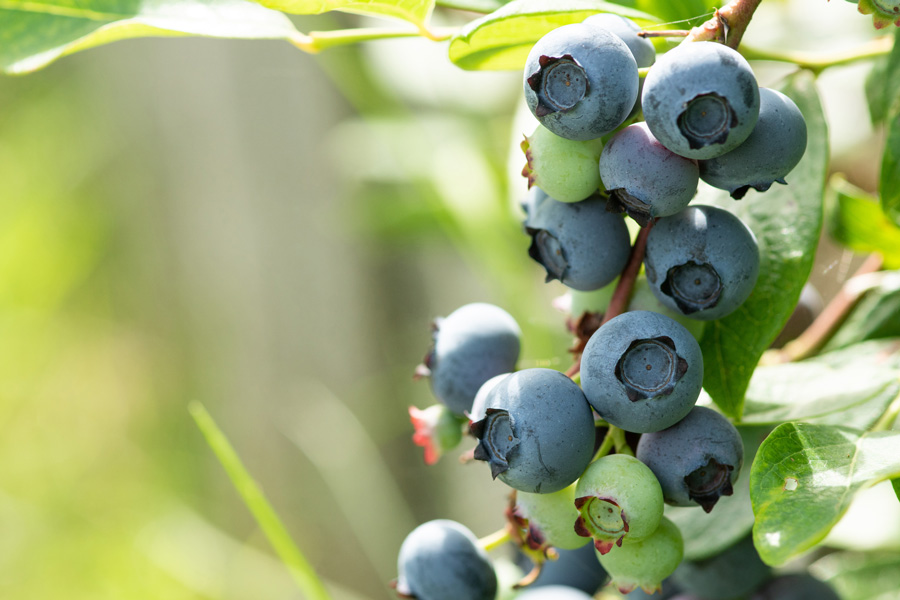
This publication provides updated (2023) Southeast-specific information on approved National Organic Program (NOP) disease and pest management options for blueberry production and addresses the issues most commonly encountered under the unique growing conditions of the Southeast U.S. This publication is not intended to provide all details on organic blueberry production, although it does include the production methods that reduce the impact of plant disease and pest issues. Emphasis in an organic system should be on cultural practices that reduce disease and pest pressure rather than pesticide applications. NOP-approved pesticides are usually less efficacious than conventional products. The pesticide label is the law and supersedes any information on pesticide use contained in this guide. Because environmental conditions and grower application methods vary widely, suggested use does not imply that performance of the pesticide will always conform to the pest control standards indicated by experimental data.
|
-
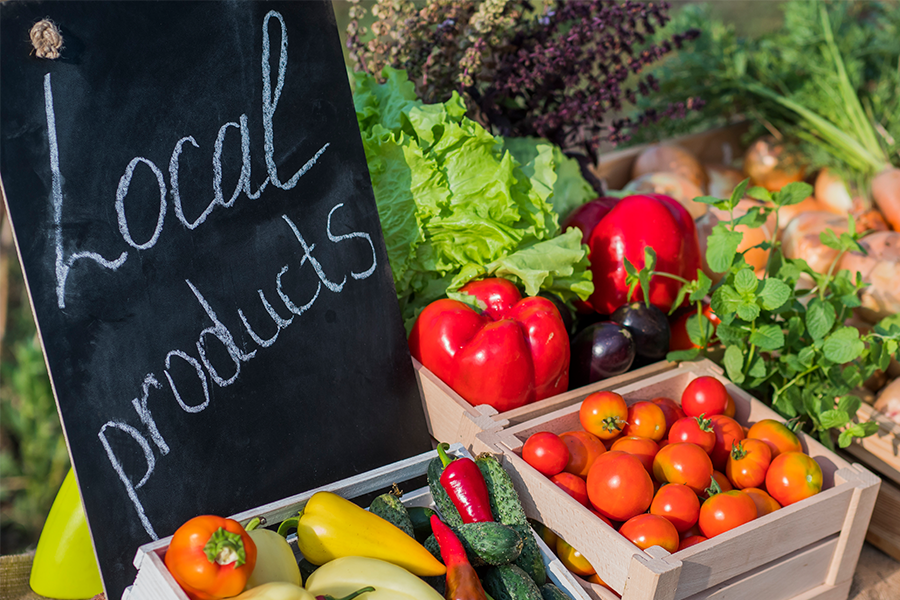
This publication covers some of the basic information about what you may need and key considerations when developing a small fruit and vegetable farm.
|
-

This publication provides Southeast-specific information on approved National Organic Program (NOP) disease and pest management options for blueberry production and addresses the issues most commonly encountered under the unique growing conditions of the Southeast U.S. This publication is not intended to provide all details on organic blueberry production, although it does include the production methods that reduce the impact of plant disease and pest issues. Emphasis in an organic system should be on cultural practices that reduce disease and pest pressure rather than pesticide applications. NOP-approved pesticides are usually less efficacious than conventional products. The pesticide label is the law and supersedes any information on pesticide use contained in this guide. Because environmental conditions and grower application methods vary widely, suggested use does not imply that performance of the pesticide will always conform to the pest control standards indicated by experimental data.
|
-

Cover crops are in essential part of an organic production system. Cereal rye and crimson clover are cover crops that are commonly used. If organic cover crop production is a viable enterprise for growers, it could improve the availability of varieties adapted to the Southeast; provide a source for locally grown seeds; and be another profit center for growers, seed cleaners, and local seed companies.
This bulletin discusses what farmers need to know about producing cover crops organically and gives example enterprise budgets for cereal rye and crimson clover. A two-year on-farm trial indicated that producing organic cover crop seed may be profitable.
|
-

This publication provides Southeast-specific information on approved National Organic Program (NOP) disease and pest management options for blueberry production and addresses the issues most commonly encountered under the unique growing conditions of the Southeast U.S. This publication is not intended to provide all details on organic blueberry production, although it does include the production methods that reduce the impact of plant disease and pest issues. Emphasis in an organic system should be on cultural practices that reduce disease and pest pressure rather than pesticide applications. NOP-approved pesticides are usually less efficacious than conventional products. The pesticide label is the law and supersedes any information on pesticide use contained in this guide. Because environmental conditions and grower application methods vary widely, suggested use does not imply that performance of the pesticide will always conform to the pest control standards indicated by experimental data.
|
-
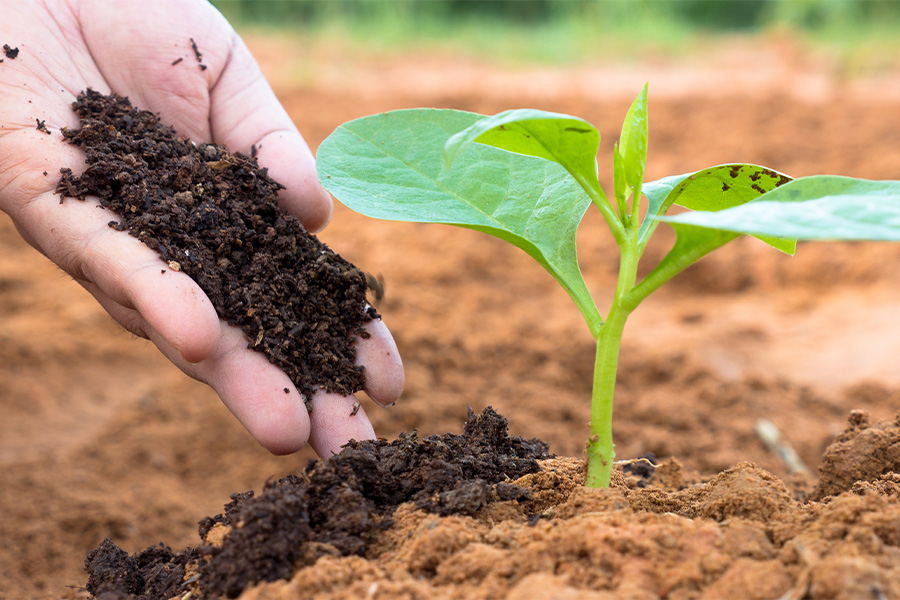
Many farmers and gardeners use natural minerals and organic fertilizers rather than synthetic ones to build their soil. If you use organic materials as all or part of your fertilization program, this publication will help you calculate the proper amount to use from the recommendations provided by a soil test.
|
-

This publication discusses organic Vidalia onion production in Georgia, from site selection and harvesting to certification.
|