UGA College of Agricultural & Environmental Sciences Field Report
  • Stories
    Almanac

    Science in service of humanity and the environment

    Read our annual magazine here

    READ


    Dive into engaging stories that showcase our statewide, national and global impact.

    Check out our written stories here

    LOOK


    Browse curated photo galleries capturing the people, places and programs that bring CAES to life.

    Check out our photo galleries here

    WATCH


    Experience our stories through videos that highlight our people, projects and passions in action.

    Check out our video library here

    LISTEN


    Tune in to “Cultivating Curiosity,” our podcast featuring in-depth conversations with CAES experts.

    Check out our podcast here
  • Expert Resources

    Expert Resources


    From farms and gardens to families and finances, our expert resources empower Georgians with trustworthy, practical science.

    Gardening
    Invasive species
    Food and food safety
    Ants, termites and other pests
    Pollinators
    Livestock
    Emergency preparedness
    Home safety and maintenance
    Health, family and finances
    Nutrition
    Water quality
    Lawn maintenance and landscaping
    Turfgrass
    View all topics

    What is an Expert Resource?


    We publish unbiased, research-backed expert advice to empower Georgians with practical, trustworthy information they can trust.

    These resources are written and reviewed by experts in the UGA College of Agricultural and Environmental Sciences and the UGA College of Family and Consumer Sciences.

    Learn how we produce science you can trust
  • Events
  • Contact
  • Read
  • Look
  • Watch
  • Listen
Subscribe
  • LinkedIn
  • Facebook
  • Instagram
  • Stories
    Almanac

    Science in service of humanity and the environment

    Read our annual magazine here

    READ


    Dive into engaging stories that showcase our statewide, national and global impact.

    Check out our written stories here

    LOOK


    Browse curated photo galleries capturing the people, places and programs that bring CAES to life.

    Check out our photo galleries here

    WATCH


    Experience our stories through videos that highlight our people, projects and passions in action.

    Check out our video library here

    LISTEN


    Tune in to “Cultivating Curiosity,” our podcast featuring in-depth conversations with CAES experts.

    Check out our podcast here
  • Expert Resources

    Expert Resources


    From farms and gardens to families and finances, our expert resources empower Georgians with trustworthy, practical science.

    Gardening
    Invasive species
    Food and food safety
    Ants, termites and other pests
    Pollinators
    Livestock
    Emergency preparedness
    Home safety and maintenance
    Health, family and finances
    Nutrition
    Water quality
    Lawn maintenance and landscaping
    Turfgrass
    View all topics

    What is an Expert Resource?


    We publish unbiased, research-backed expert advice to empower Georgians with practical, trustworthy information they can trust.

    These resources are written and reviewed by experts in the UGA College of Agricultural and Environmental Sciences and the UGA College of Family and Consumer Sciences.

    Learn how we produce science you can trust
  • Events
  • Contact
  • Read
  • Look
  • Watch
  • Listen
Subscribe
  • LinkedIn
  • Facebook
  • Instagram
Subscribe
  • LinkedIn
  • Facebook
  • Instagram
  1. Home
  2. Expert Resources
  3. Topics
  4. General Agriculture
  5. Organic

Organic Resources

Use the Advanced Search
  • a brown chicken with a red comb painted in watercolors on a blue-gray and white background

    C 1139

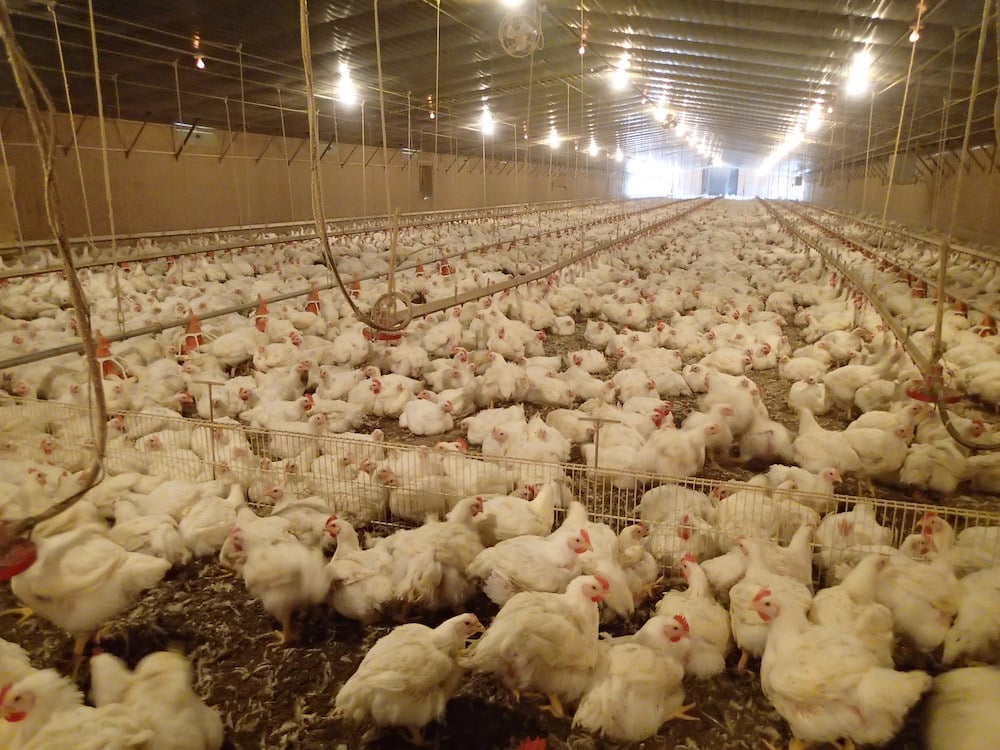
    Organic Poultry Production vs. Other Systems

    Revised

    There are a number of different poultry production systems available today, and consumers commonly confuse organic poultry production with other systems. Pasture-raised poultry and natural poultry are not organically produced, as they do not meet all or any of the standards set by the National Organic Program, which regulates and certifies production systems as “organic.” Consumers should be aware of the differences between each of the poultry production systems as they purchase poultry products.

    Claudia Dunkley

    |

    April 15, 2026
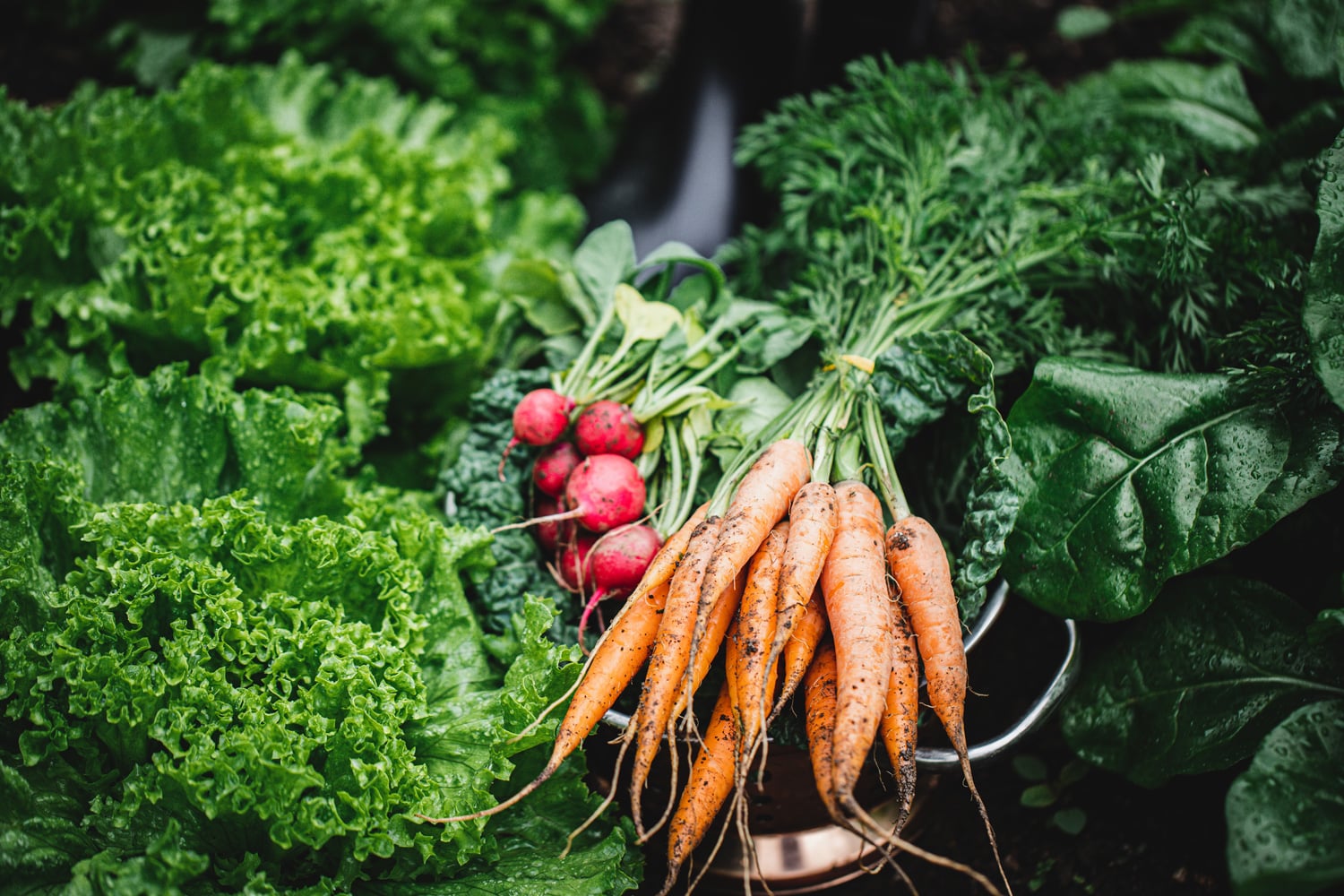
  • carrots, radishes, and greens harvested from a garden

    B 1011

    Growing Vegetables Organically

    This resource is a comprehensive guide to growing vegetables organically, including location, planning, irrigation, soil preparation, composting, fertilizers, successive planting and crop rotation, mulching, and insect control.

    Bob Westerfield

    |

    Feb. 9, 2026
  • Amino Acid Content in Organic Soybean Meal for the Formulation of Organic Poultry Feed

    C 1140

    Amino Acid Content in Organic Soybean Meal for the Formulation of Organic Poultry Feed

    Amino acids are essential building blocks of proteins and are obtained from plant and animal products. Some amino acids can be synthesized by the chicken, while others (essential amino acids) must be supplied in the diet. In organic poultry production, the sources of these essential amino acids must be organic. This publication compares the amino acid content, digestibility, and availability of organic soybean meal with conventional soybean meal.

    Sammy E. Aggrey, Claudia Dunkley, and Justin Fowler

    |

    Jan. 5, 2026
  • Organic Cover Crop Seed Production in Georgia

    B 1436

    Organic Cover Crop Seed Production in Georgia

    Cover crops are in essential part of an organic production system. Cereal rye and crimson clover are cover crops that are commonly used. If organic cover crop production is a viable enterprise for growers, it could improve the availability of varieties adapted to the Southeast; provide a source for locally grown seeds; and be another profit center for growers, seed cleaners, and local seed companies.

    This bulletin discusses what farmers need to know about producing cover crops organically and gives example enterprise budgets for cereal rye and crimson clover. A two-year on-farm trial indicated that producing organic cover crop seed may be profitable.

    Julia W. Gaskin, Amanda R Smith, and Ray Hicks

    |

    Jan. 5, 2026
  • AP 125-5

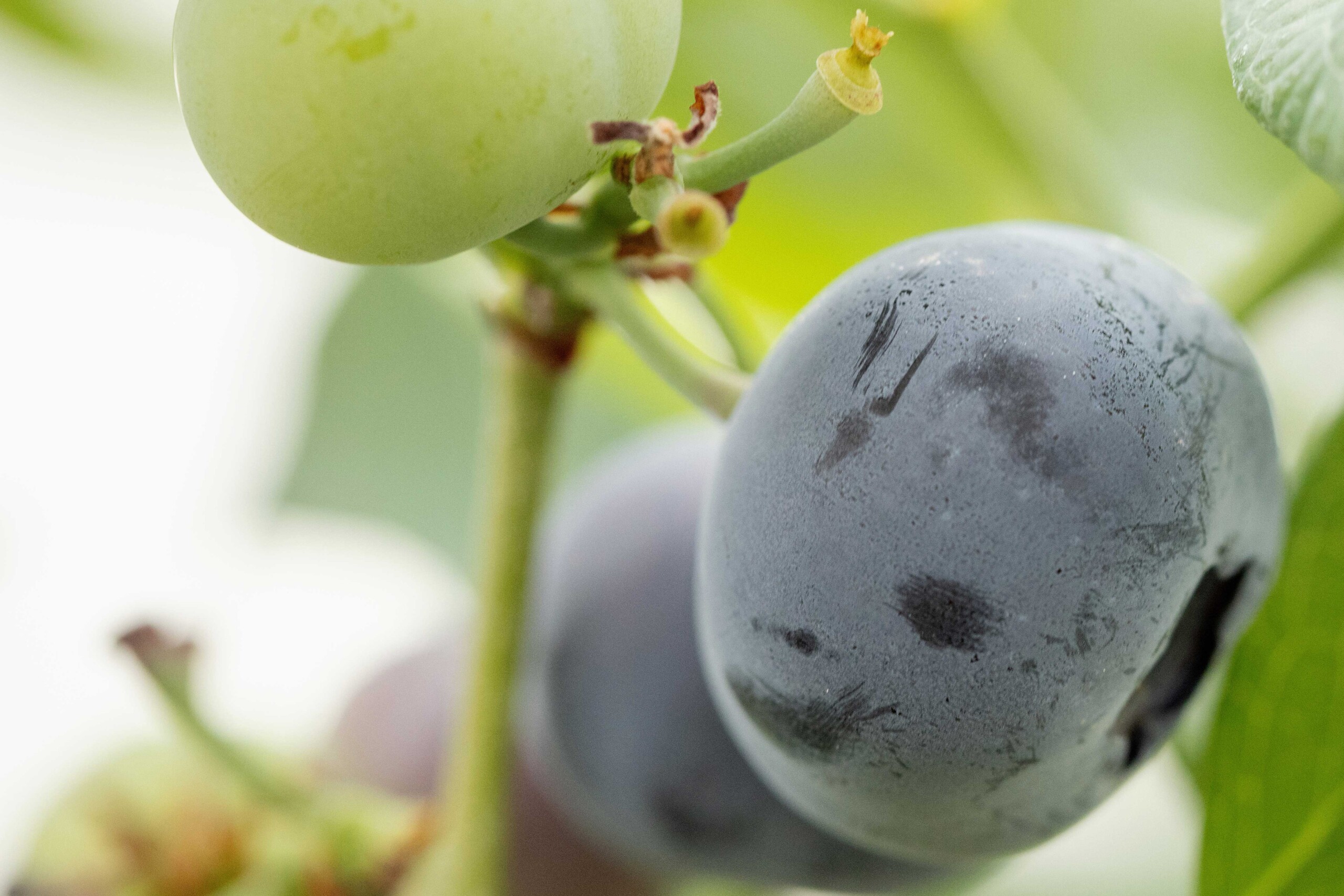
    2025 Southeast Regional Organic Blueberry Pest Management Guide

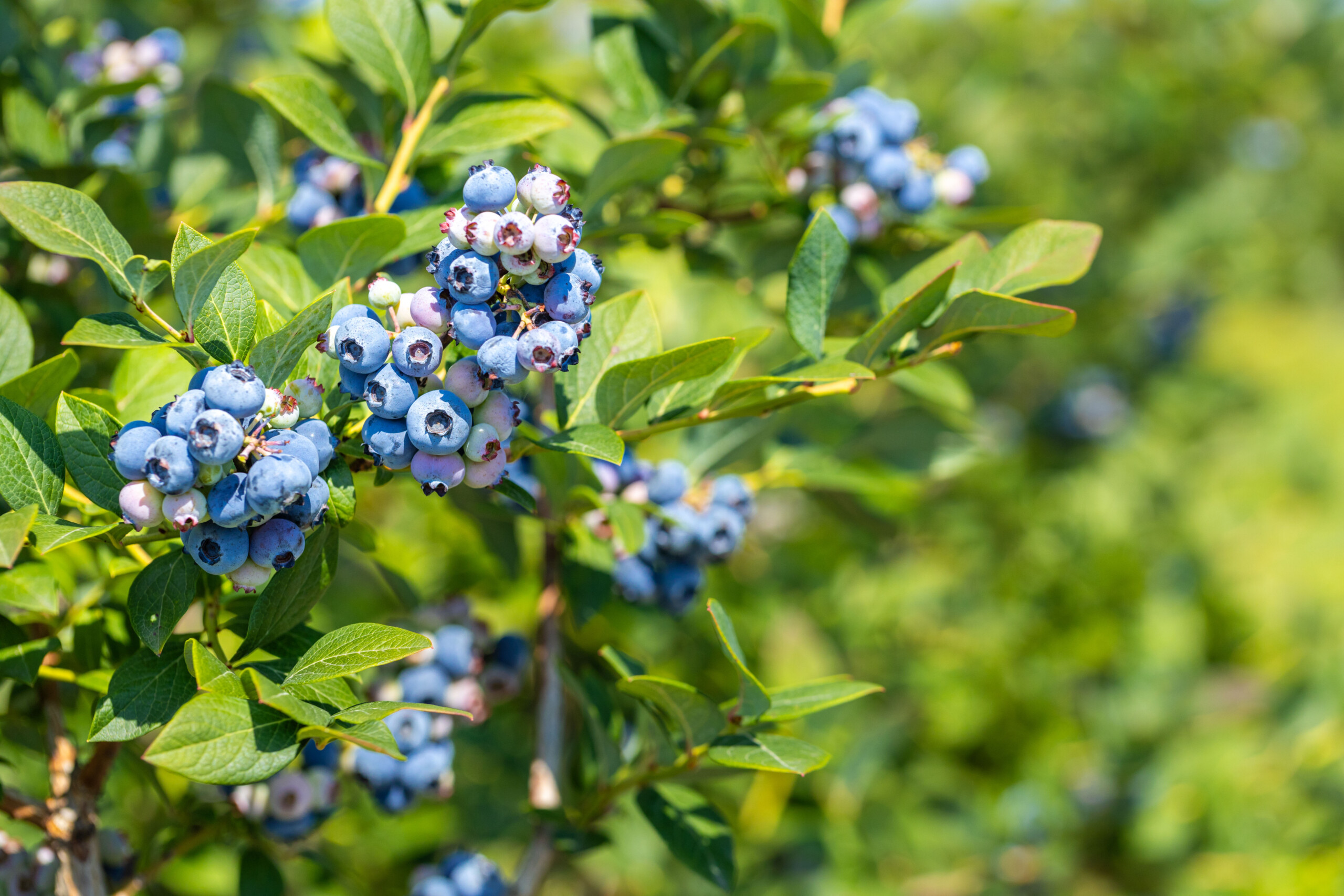
    This publication provides current (2025) Southeast-specific information on approved National Organic Program (NOP) disease and pest management options for blueberry production and addresses the issues most commonly encountered under the unique growing conditions of the Southeast U.S. This publication is not intended to provide all details on organic blueberry production, although it does include the production methods that reduce the impact of plant disease and pest issues.

    Emphasis in an organic system should be on cultural practices that reduce disease and pest pressure rather than pesticide applications. NOP-approved pesticides are usually less efficacious than conventional products. The pesticide label is the law and supersedes any information on pesticide use contained in this guide. Because environmental conditions and grower application methods vary widely, suggested use does not imply that the performance of the pesticide will always conform to the pest control standards indicated by experimental data. This publication is a product of the Southern Region Small Fruit Consortium.

    Phillip M. Brannen

    |

    June 18, 2025
  • B 1493

    Organic Pecan Production

    Organic food production is one of the fastest-growing sectors of the American food marketplace and is driven largely by personal health preferences and environmental ethics. Pecan production generates unique challenges to organic production methods in the humid Southeastern U.S. because it is an environment conducive to heavy pressure from insects, diseases, and weeds. Therefore, the foundation of any organic pecan production program in the Southeastern U.S. will be based on selection for pest-resistant cultivars.

    Patrick J. Conner, William G. Hudson, Jason H. Brock, and Lenny Wells

    |

    March 13, 2025
  • B 1488

    Food Hubs in Georgia: A Potential Market for Small-Scale and Midscale Farms

    In Georgia, there are many small-scale producers that largely use ecological production practices, such as Certified Organic, and sell in farmers markets or other direct marketing channels. As these direct markets begin to saturate, these producers may need to forge a path beyond direct markets to wholesale or institutional markets that want sustainable products. Food hubs may offer a path for these small farms to scale up. There are three overlapping forms of food hubs in Georgia. Each has different markets and thus different requirements for the producers who sell to them. This publication discusses the types of food hubs in Georgia and gives producers guidelines on which form of food hub may work best for them.

    Julia W. Gaskin and Carrie Anne Furman

    |

    March 6, 2025
  • AP 125-4

    2024 Southeast Regional Organic Blueberry Pest Management Guide

    This publication provides updated (2024) Southeast-specific information on approved National Organic Program (NOP) disease and pest management options for blueberry production and addresses the issues most commonly encountered under the unique growing conditions of the Southeast U.S. This publication is not intended to provide all details on organic blueberry production, although it does include the production methods that reduce the impact of plant disease and pest issues. Emphasis in an organic system should be on cultural practices that reduce disease and pest pressure rather than pesticide applications. NOP-approved pesticides are usually less efficacious than conventional products. The pesticide label is the law and supersedes any information on pesticide use contained in this guide. Because environmental conditions and grower application methods vary widely, suggested use does not imply that performance of the pesticide will always conform to the pest control standards indicated by experimental data.

    Phillip M. Brannen

    |

    Aug. 9, 2024
  • SB 48-09

    Organic Strategies for the Garden and Home Landscape

    This section of the Home & Garden Edition covers organic gardening practices. The USDA National Organic Program has established rules for commercial organic production. These rules do not apply to home gardeners, but they are a useful guide for choosing organic pest management alternatives. Beginning in 2022, the Home & Garden Edition has been updated biennially. When purchasing a product based on a first-year recommendation of the Handbook, check the current product label before purchase to be sure it is still labeled for the use for which you are buying it. For pesticide products you have on hand from earlier purchases, you are allowed to use them until they are depleted without penalty under the law. Always follow label instructions before use. Contact the product’s manufacturer for the most up-to-date label.

    Daniela Gutierrez Yanez and Jonathan E. Oliver

    |

    Feb. 7, 2024
1 2
Next Page

About CAES

CAES Home

Overview

History

Administration

Jobs

Personnel Directory

Privacy Policy

Accessibility Policy

AI Guidelines

Affiliations

UGA Cooperative Extension

Tifton Campus

Griffin Campus

University of Georgia
  • Schools and Colleges
  • Directory
  • MyUGA
  • Employment Opportunities
  • Copyright and Trademarks
  • UGA Privacy Policy
  • Submit a Student Complaint
#UGA on
© University of Georgia, Athens, GA 30602
706‑542‑3000