Plant Pathology Resources
-

Accidents are common when felling a tree with a chainsaw. Fortunately, most of them can be prevented. Tips for preventing kickback, barber chair, entanglement, setback, and stump jump are presented in this publication, along with techniques for safely releasing spring poles.
|
-

Bermudagrass leafspot is a disease that decreases yields, nutritive value and palatability. This publication discusses leafspot diagnosis and management in bermudagrass.
|
-
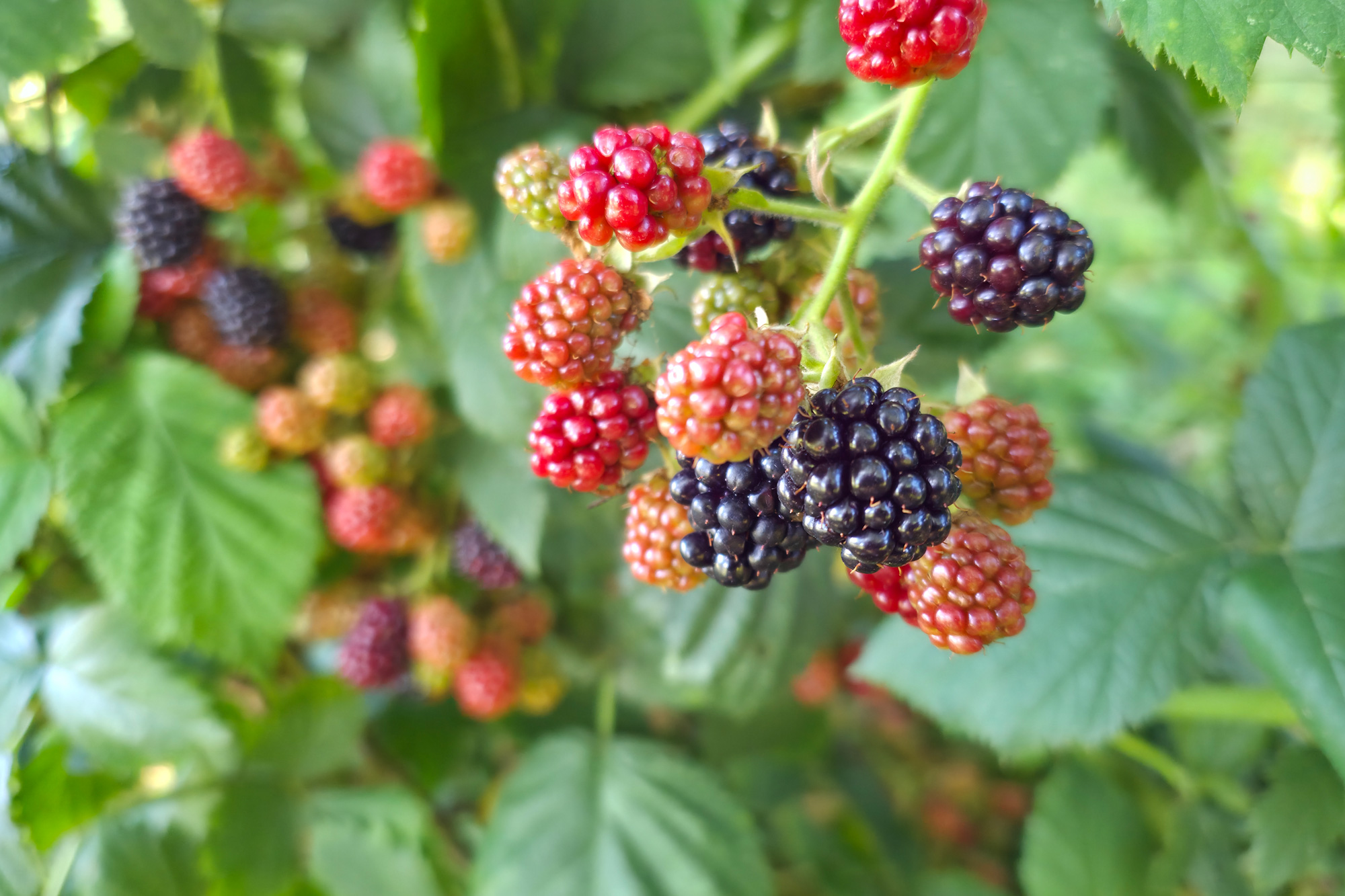
Blackberries and raspberries are one of the most popular fruits to grow and they are among the easiest for the home gardener to successfully produce. Blackberries and raspberries come as erect types (no trellis required) and trailing types (trellis required), depending on the varieties selected. This publication discusses growing raspberries and blackberries in a home garden.
|
-

Powdery mildew, caused by Blumeria graminis f. sp. tritici (syn. Erysiphe graminis) is an obligate, host specific fungus that attacks wheat exclusively. The pathogen reduces photosynthesis and increases respiration and transpiration rates in host leaves. Colonized plants lose vigor, impairing heading and grain filling. Heavily colonized leaves can be killed prematurely. This circular provides information on symptoms and control of powdery mildew for wheat growers in Georgia.
|
-

C 997
Pomegranate Production
This resource helps growers understand how to grow pomegranates for commercial or home use in Georgia, as well as general production practices common in other pomegranate-producing regions. There has been increasing consumer demand for the fruit and it’s being used in many consumer products, including tea and juice blends, nut mixes, and other foods.
|
-

Take-all root rot (TARR) has emerged as a destructive disease in central, south and coastal Georgia. TARR affects all warm-season turfgrasses in Georgia, but it is more common and severe in St. Augustinegrass (Stenotaphrum secundatum).
This publication contains important information on the biology of the causal agent, detailed descriptions of the disease symptoms (aided by high-quality, detailed pictures), relevant up-to-date information on conditions favoring the disease, and cultural, genetic and chemical methods of control. This publication is intended for turfgrass professionals, consultants, county faculty, homeowners, and general public.
|
-
El mal del pie es una enfermedad destrcutiva en la region central, sur y costera de Georgia. EL mal del pie afecta todos los cespedes de clima calido en Georgia pero es mas severo en el cesped San Agustin (Stenotaphrum secundatum). La publicacion contiene informacion importante en la biologia del gente causal, descripcion detallada de los sintomas de la enfermedad (con fotografias de alta definicion), informacion relevante y reciente en las condiciones que favorecen la enfermedad, asi como los metodos de control cultural, genetico y quimico. Esta publicacion es dirigida a profesionales, consultores, agentes de extension y publico en general
|
-
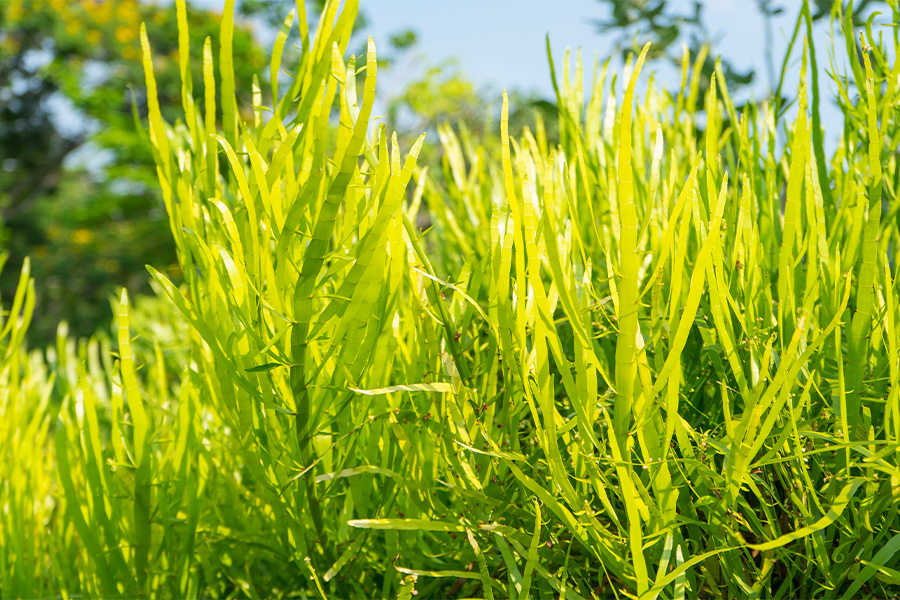
C 1003
Centipedegrass Decline
Centipedegrass is ideal for the homeowner who wants a lawn that needs little care. It can be established by either seed or vegetative parts and does not require much fertilizer. Compared to other lawn grasses, it is moderately resistant to insects and diseases. Although centipedegrass is a relatively low maintenance grass, proper management is still required.
|
-

Spring dead spot (SDS) is a persistent and destructive disease of bermudagrass (Cynodon sp.) in Georgia. The disease can be problematic on lawns, landscapes, golf courses (bermudagrass greens, tees and fairways) and sports fields. The disease is particularly prevalent and damaging in north Georgia, especially in the Piedmont region. However, SDS can be observed throughout the state after harsh winters and in areas where bermudagrass has been exposed to freezing temperatures for extended periods of time. The disease has also been observed in zoysiagrass, although less frequently. This publication explains how to identify and control Spring Dead Spot in lawns in Georgia.
|