Plant Pathology Resources
-

This publication contains information on the most important and common diseases of oats, the biology of the causal agents, as well as a detailed description of the disease symptoms, relevant up-to-date information on conditions favoring the diseases, as well as cultural, genetic, and chemical methods of control. The publication is intended for producers, crop consultants, county faculty, students, and the general public.
|
-

C 1174
Pecan Management
This resource is a handy reference calendar for pecan production in the Southeastern U.S. to assist in management decisions regarding crop phenology, irrigation and fertilization requirements, disease, and insect and mite arthropod pest management. It also includes information on production activities including timing for planting, harvesting, and nutrient sampling. Information on bearing and non-bearing trees are provided to address the different management requirements for these orchards. Temporally precise management decisions on horticultural activities, disease suppression, and insect pest control will maximize efficiency, improve tree health, optimize crop quality and yield, and promote ecological and economic sustainability.
|
-

Los céspedes pueden ser atacados por agentes bióticos (vivientes) y abióticos (no-vivientes). Los agentes bióticos incluyen patógenos (hongos, bacterias, virus, citoplasma etc) y plagas como nematodos, insectos, ácaros, moluscos y vertebrados (roedores, pájaros etc.). Los factores abióticos incluyen: condiciones climáticas como las temperaturas extremas, el exceso o deficiencia de agua, luz o nutrientes, suelo compacto, sequía, estancamiento de agua y/o prácticas de cultivo adversas. Estos factores pueden ser el resultado de una interacción que ha existido por un periodo largo de tiempo entre la planta y uno o más factores como la falta de espacio para un crecimiento radicular óptimo, la presencia de niveles crónicos de contaminantes del aire o agua.
|
-
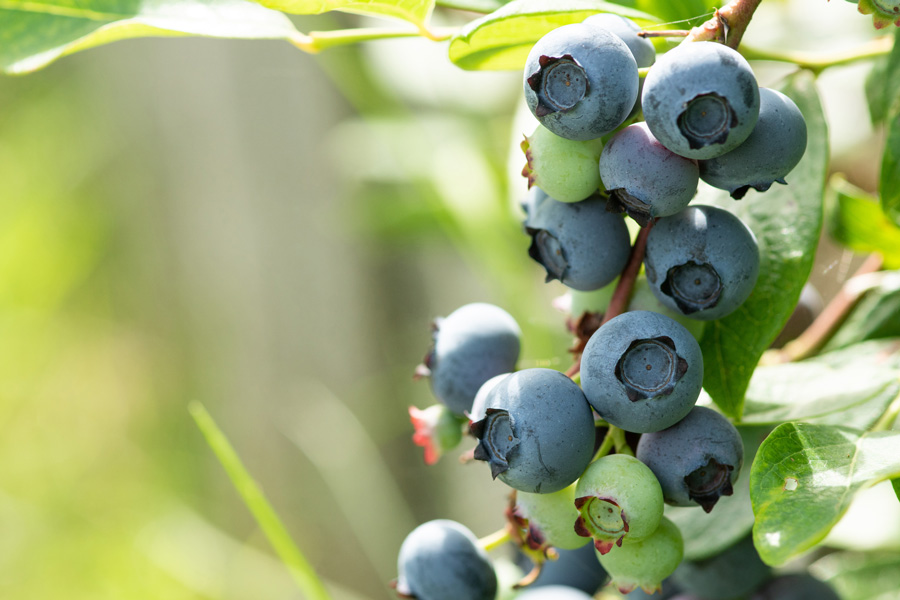
This publication provides updated (2023) Southeast-specific information on approved National Organic Program (NOP) disease and pest management options for blueberry production and addresses the issues most commonly encountered under the unique growing conditions of the Southeast U.S. This publication is not intended to provide all details on organic blueberry production, although it does include the production methods that reduce the impact of plant disease and pest issues. Emphasis in an organic system should be on cultural practices that reduce disease and pest pressure rather than pesticide applications. NOP-approved pesticides are usually less efficacious than conventional products. The pesticide label is the law and supersedes any information on pesticide use contained in this guide. Because environmental conditions and grower application methods vary widely, suggested use does not imply that performance of the pesticide will always conform to the pest control standards indicated by experimental data.
|
-
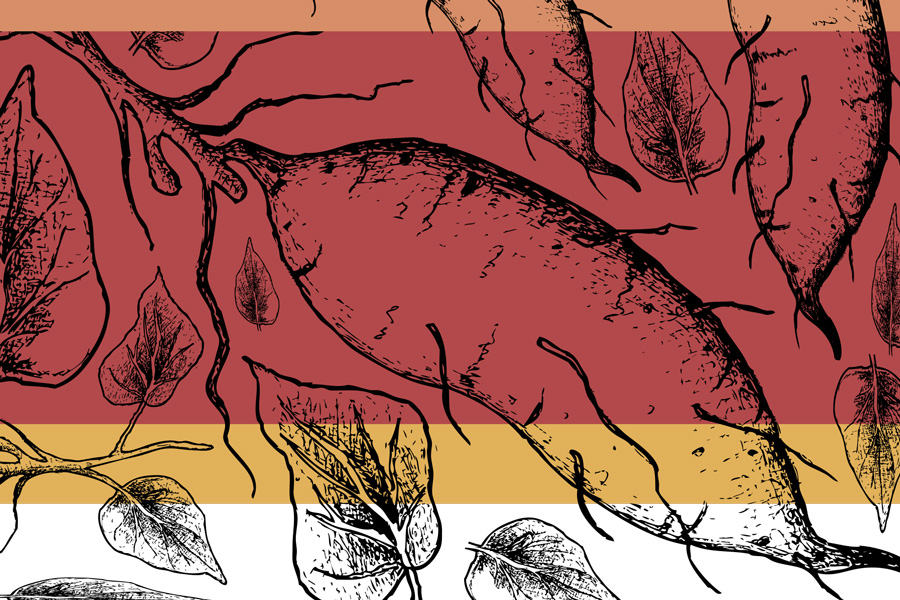
Sweet potatoes are members of the Convolvulaceae family, which includes morning glory. They are native to tropical America and are a perennial plant there. In more temperate regions such as the United States, they are frost-sensitive and grown as annuals. Sweet potatoes are grown for their edible root, which is often mistakenly called a tuber, like white or Irish potatoes (Solanum tuberosum). However, the edible portion of the sweet potato is a true root and will continue to enlarge as long as the plant continues to grow. Sweet potatoes have been grown by Native Americans in Mexico, Central America, Peru, Ecuador, and the U.S. for thousands of years. This bulletin is a comprehensive resource on the production, disease, insect, nematode and weed management of sweet potato.
|
-
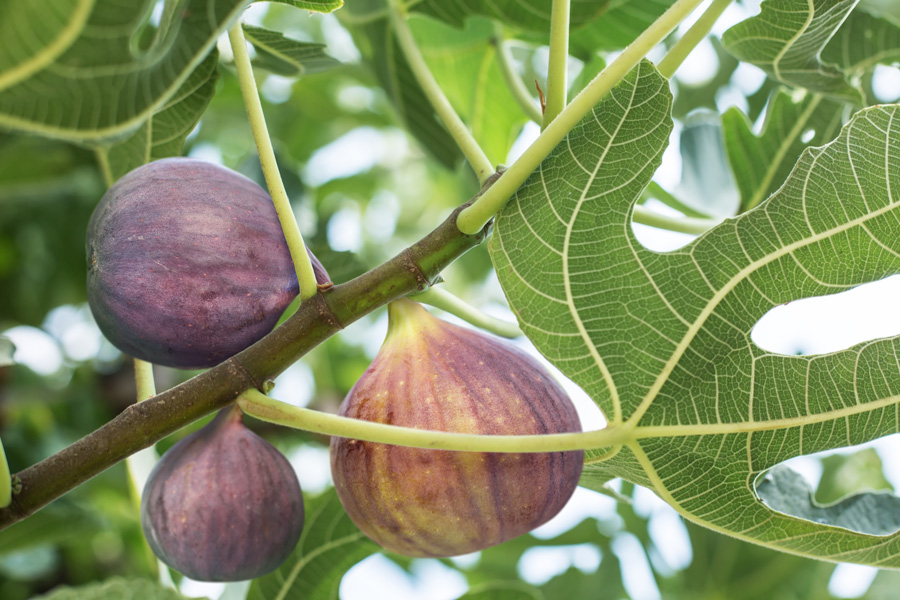
C 945
Home Garden Figs
This resource provides information on how to best grow figs in Georgia. Figs will do well in most parts of Georgia except the mountainous areas.
|
-
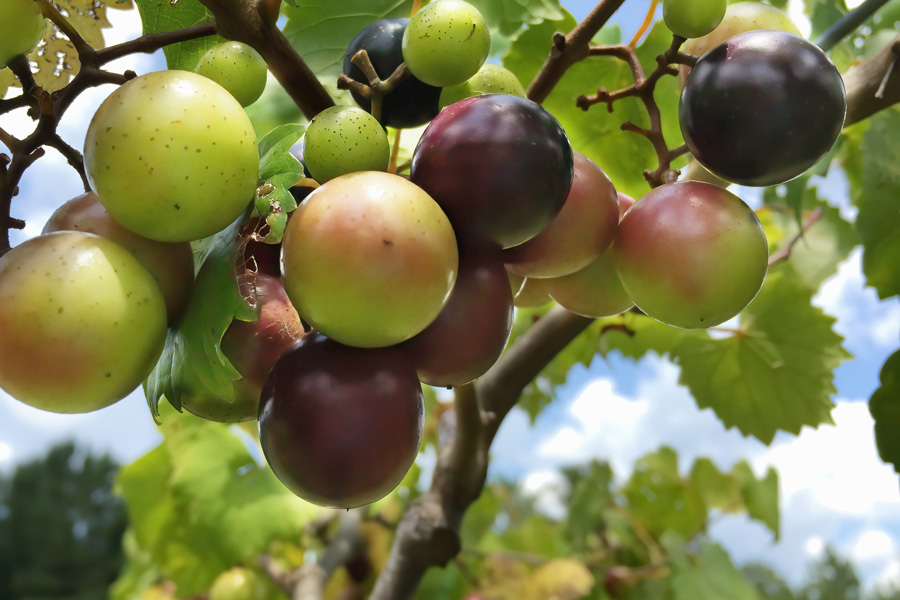
This 2023 update to the regional integrated pest management guide provides recommendations for muscadine grape production in the Southeastern U.S. Recommendations are based on information from the manufacturer’s label and performance data from research and Extension field tests. This publication is intended for use only as a guide. Specific rates and application methods are on the pesticide label, and these are subject to change at any time.
|
-

2020 plant disease losses in Georgia, including control costs, amounted to an estimated $806 million. The value of the crops used in this estimate was approximately $6.712 billion, resulting in a 12.01% relative disease loss across all crops included in this summary. The estimated values for most crops used to compute these disease losses are summarized in the 2020 Georgia Farm Gate Value Report (AR-22-01) by the UGA Center for Agribusiness & Economic Development. Some estimates for fruits, ornamentals, and turf rely on specialists’ knowledge of the industry and industry sources for information. Losses covered include: apple, blackberry, blueberry, bunch grape, corn, cotton, muscadine grape, ornamentals, peach, peanut, pecan, soybean, strawberry, turfgrass, vegetables, and wheat.
|
-

This report provides research and extension results for trials conducted by the University of Georgia Vegetable Team and its collaborators in 2022. Contributing authors include county and regional faculty as well as specialists from UGA’s horticulture, plant pathology, crop and soil sciences, and entomology departments. All research has been supported by the Georgia Commodity Commission for Vegetables.
|