Plant Pathology Resources
-

The objective of this handbook is to provide rapid and extensive transfer of modern management technologies for small grain production. The intended audience includes Extension agents, industry personnel and dedicated producers.
|
-

SB 63-10
2016 Tobacco Research Report
This report contains the most recent results of tobacco research programs at the University of Georgia in 2016.
|
-

As farmers and farm advisers, you make many management choices during a growing season. For example, you may have to decide which cultivar to plant, which herbicide to use, how frequently to apply a fungicide, and what rate of nematicide to use. Often the information needed to make the best decision is available to you, but when it is not available you can frequently compare the options by conducting your own small experiments. Your experiments can be just as valid as any university study if you follow a few important principles of experimental design.
|
-
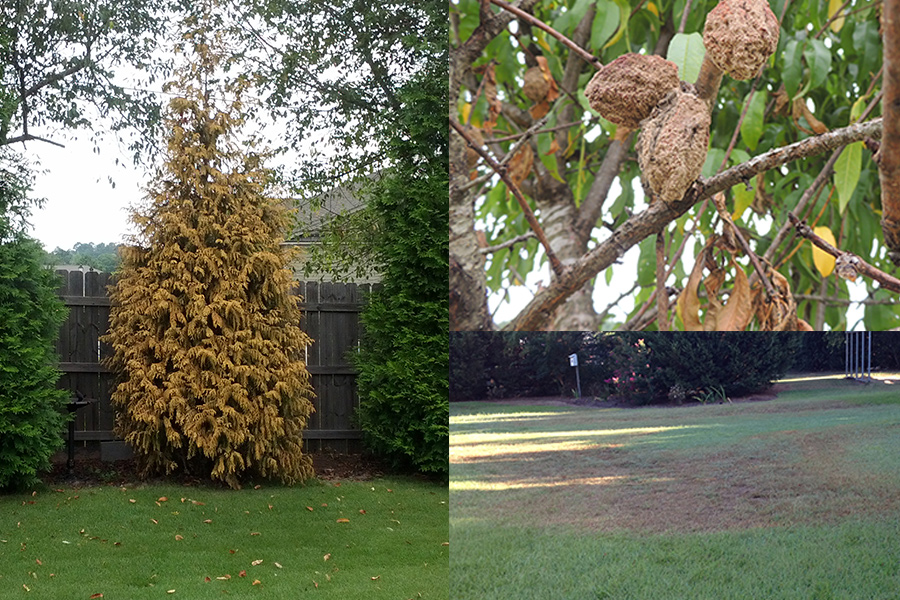
This annual publication is compiled by the Department of Plant Pathology based on input from department Extension personnel.
|
-

SB 63-9
2015 Tobacco Research Report
This report contains the most recent results of tobacco research programs at the University of Georgia in 2015.
|
-

This publication provides Southeast-specific information on approved National Organic Program (NOP) disease and pest management options for blueberry production and addresses the issues most commonly encountered under the unique growing conditions of the Southeast U.S. This publication is not intended to provide all details on organic blueberry production, although it does include the production methods that reduce the impact of plant disease and pest issues. Emphasis in an organic system should be on cultural practices that reduce disease and pest pressure rather than pesticide applications. NOP-approved pesticides are usually less efficacious than conventional products. The pesticide label is the law and supersedes any information on pesticide use contained in this guide. Because environmental conditions and grower application methods vary widely, suggested use does not imply that performance of the pesticide will always conform to the pest control standards indicated by experimental data.
|
-
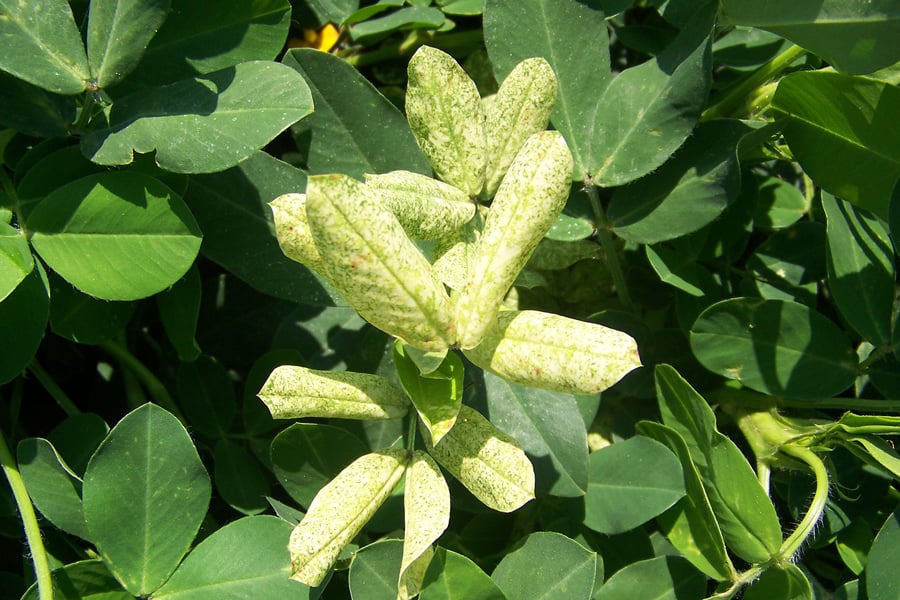
It is estimated that 2013 plant disease losses, including control costs, amounted to approximately $821.85 million. The value of the crops used in this estimate was approximately $6,551.91 million, resulting in a 12.55% total disease loss across all crops included in this summary.
Loss estimates for apple, blackberry, blueberry, bunch grape, corn, cotton, muscadine grape, ornamentals, peach, peanut, pecan, soybean, strawberry, turfgrass, vegetables, and wheat in 2013 are presented in this report.
|
-
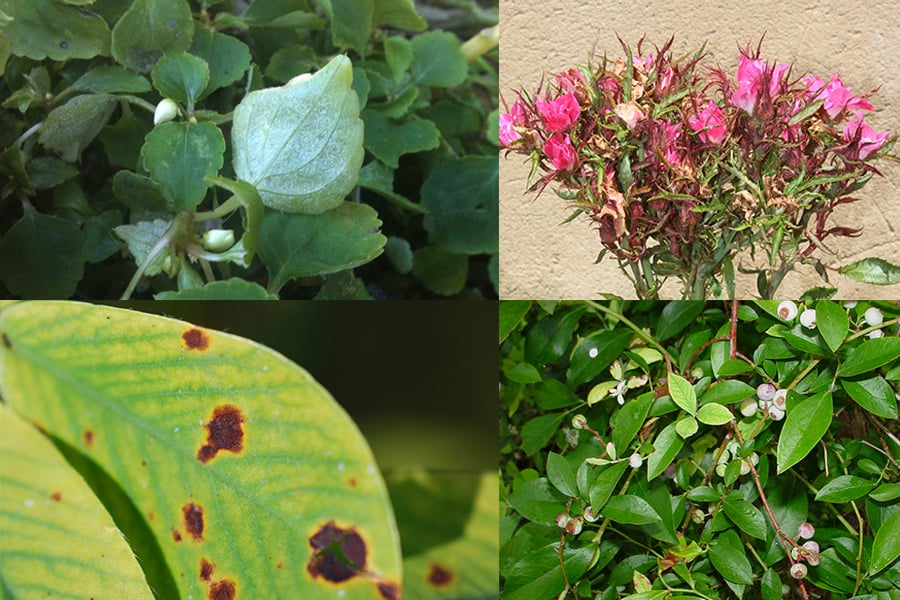
It is estimated that 2012 plant disease losses, including control costs, amounted to approximately $855.98 million. The value of the crops used in this estimate was approximately $6,647.83 million, resulting in a 12.9% total disease loss across all crops included in this summary.
Loss estimates for apple, blackberry, blueberry, bunch grape, corn, cotton, muscadine grape, ornamentals, peach, peanut, pecan, soybean, strawberry, turf grass, vegetables, and wheat in 2012 are presented in this report.
|
-

SB 63-2
2008 Tobacco Research Report
The following research reports represent efforts of several research scientists to reduce production inputs in tobacco and thereby improve the profitability of tobacco production in Georgia.
|