Plant Pathology
-
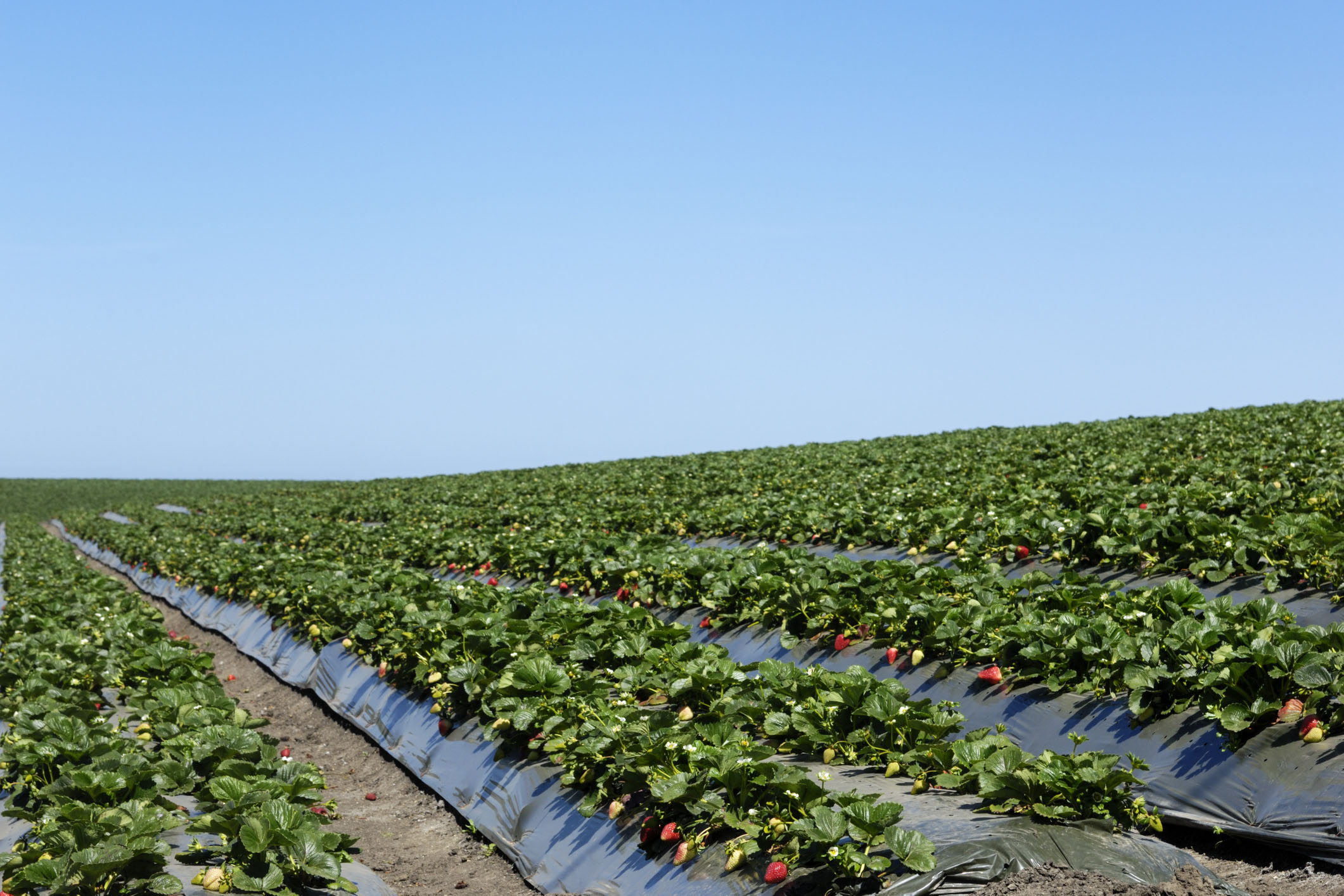
The 2025 edition of this regional integrated pest management guide provides recommendations for strawberry plasticulture production in the Southeastern U.S. Recommendations are based on information from the manufacturer’s label and performance data from research and Extension field tests. This publication is intended for use only as a guide. Specific rates and application methods are on the pesticide label, and these are subject to change at any time. This publication is a product of the Southern Region Small Fruit Consortium.
|
-
C 1178
Mite Management in Turfgrass
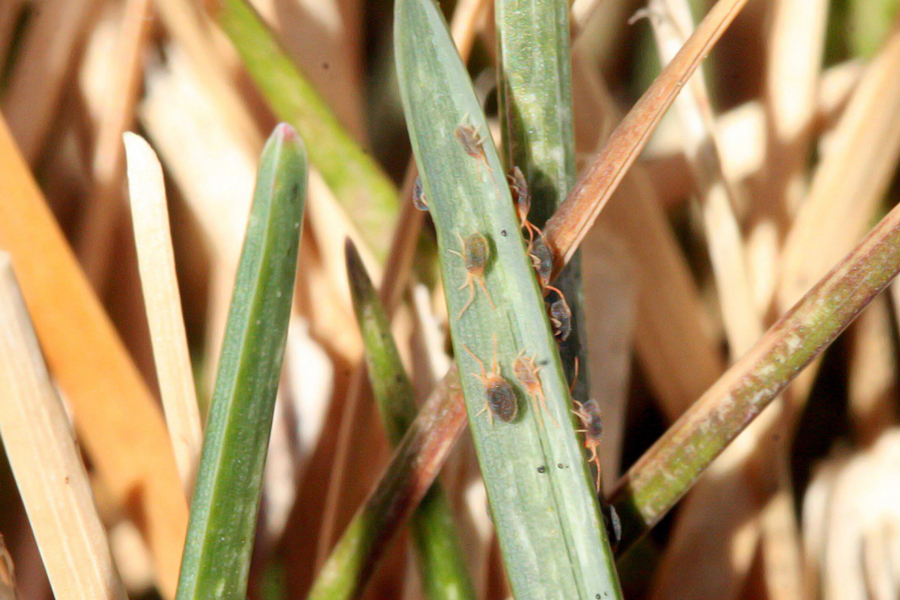
Plant-feeding mites can cause serious damage in turfgrass systems, and drought-stressed turfgrass is particularly prone to mite infestation. Mites are generally active in turfgrasses from spring into fall. They feed on plant sap and, in some cases, also inject toxins into plant tissues or manipulate plant growth, thereby producing characteristic symptoms. Some mites do not directly damage the turfgrass but instead become nuisance pests by moving from the lawn to houses and other buildings. This circular discusses the biology, damage, and management of the various mite species that attack turfgrass.
|
-

B 1331
Canola Production in Georgia
This publication covers best management practices for canola production in Georgia. Growing canola profitably takes planning and good management, from seed selection to harvest to marketing.
|
-
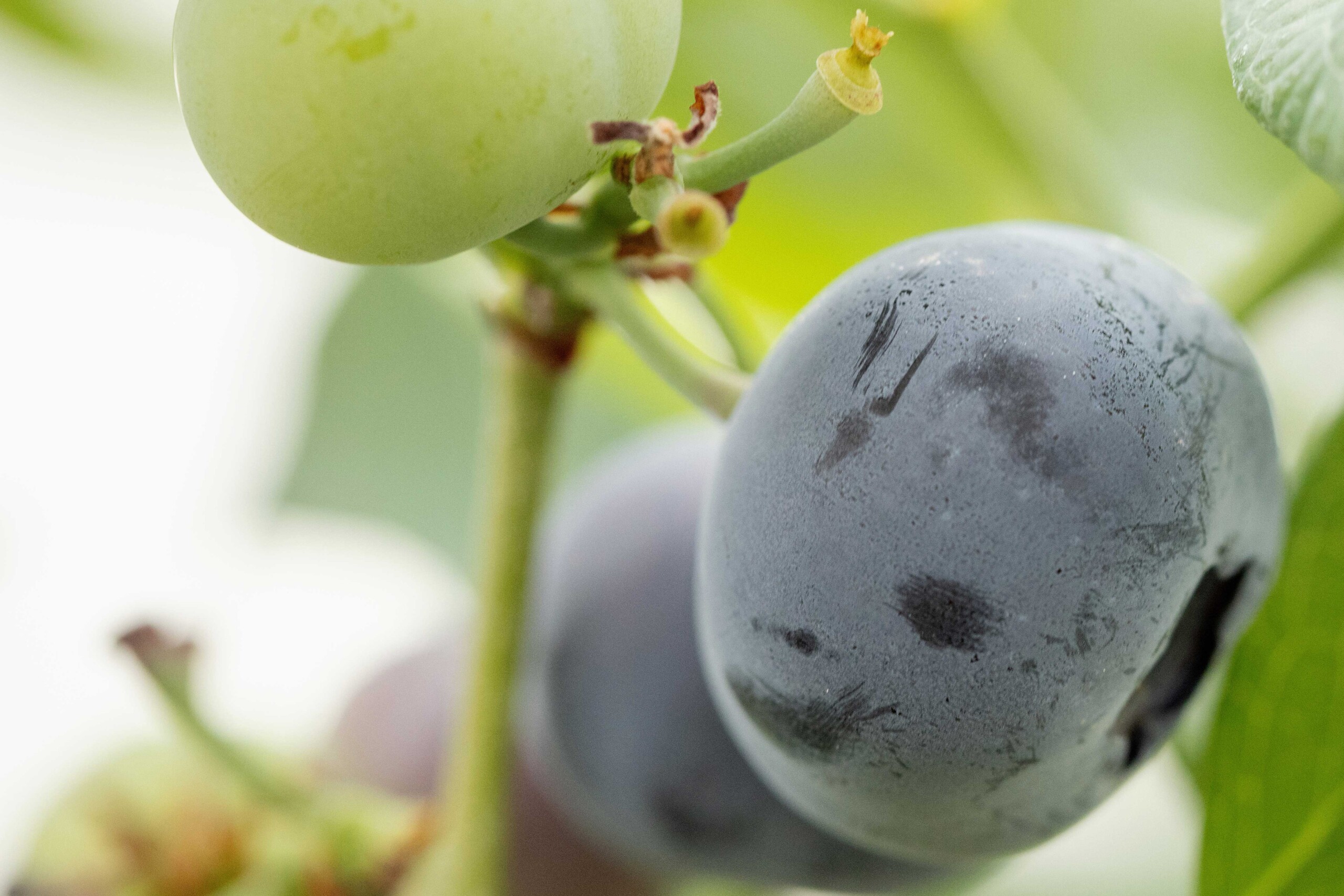
This publication provides current (2025) Southeast-specific information on approved National Organic Program (NOP) disease and pest management options for blueberry production and addresses the issues most commonly encountered under the unique growing conditions of the Southeast U.S. This publication is not intended to provide all details on organic blueberry production, although it does include the production methods that reduce the impact of plant disease and pest issues.
Emphasis in an organic system should be on cultural practices that reduce disease and pest pressure rather than pesticide applications. NOP-approved pesticides are usually less efficacious than conventional products. The pesticide label is the law and supersedes any information on pesticide use contained in this guide. Because environmental conditions and grower application methods vary widely, suggested use does not imply that the performance of the pesticide will always conform to the pest control standards indicated by experimental data. This publication is a product of the Southern Region Small Fruit Consortium.
|
-
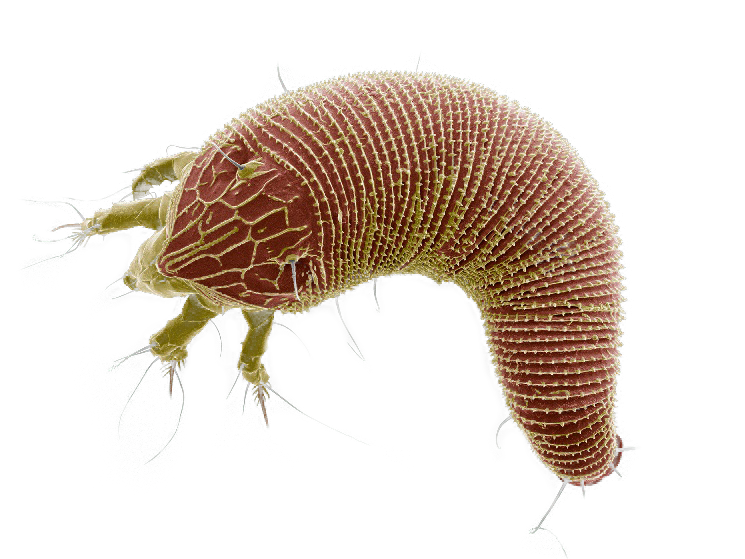
Rose rosette virus can cause major problems for nurseries, landscapers, and gardeners alike. The virus causes the plants to become undesirable and will eventually result in the death of the plant, which affects all segments of the rose industry as well as rosarians and home gardeners. The symptoms of disease on ornamental roses are a yellow mosaic pattern appearing on leaves, increased thorniness, abnormally shaped foliage and early production of lateral buds that make up the witches’ broom. This publication is intended for rose producers and serious rose gardeners interested in technical details of this virus and a mite that transmits it.
|
-
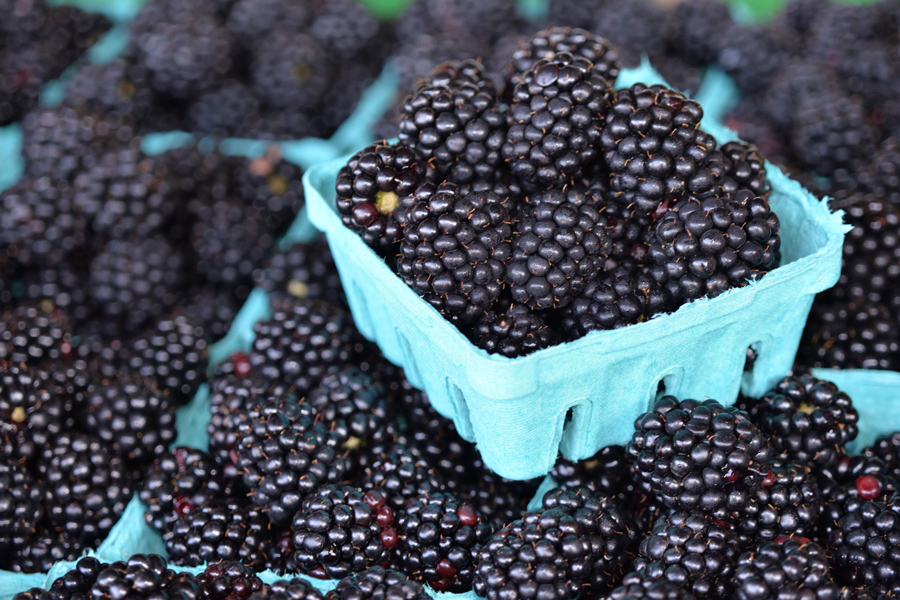
This integrated pest management (IPM) guide for blackberry and raspberry production includes management of diseases, insects, and weeds through IPM principles. Topics include pesticide stewardship and safety, insect and disease control, pre-transplant and transplant operations, fungicides and insecticide efficacy comparisons, and spray schedules, weed management, wildlife damage, and more. Recommendations are based on information from the manufacturer’s label and performance data from research and Extension field tests. Specific rates and application methods are on the pesticide label, and these are subject to change at any time. This publication is a product of the Southern Region Small Fruit Consortium.
|
-
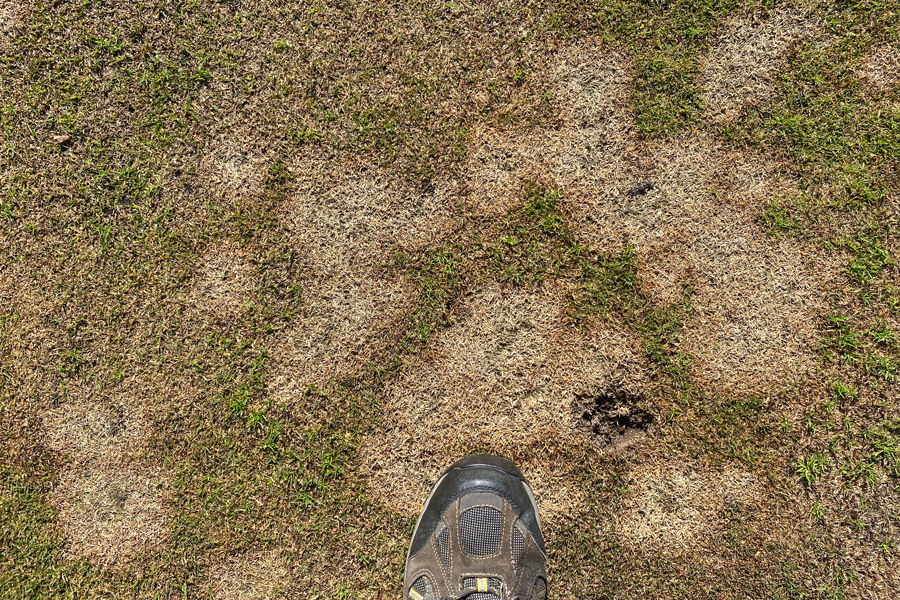
Microdochium puede ser severo tanto en el césped principal como en Poa, Lolium, Festuca pero puede infectar a céspedes de clima cálido si estos tienen un crecimiento activo o están en semi-dormancia. La enfermedad se observa comúnmente en áreas que se han sido resembradas.
|
-
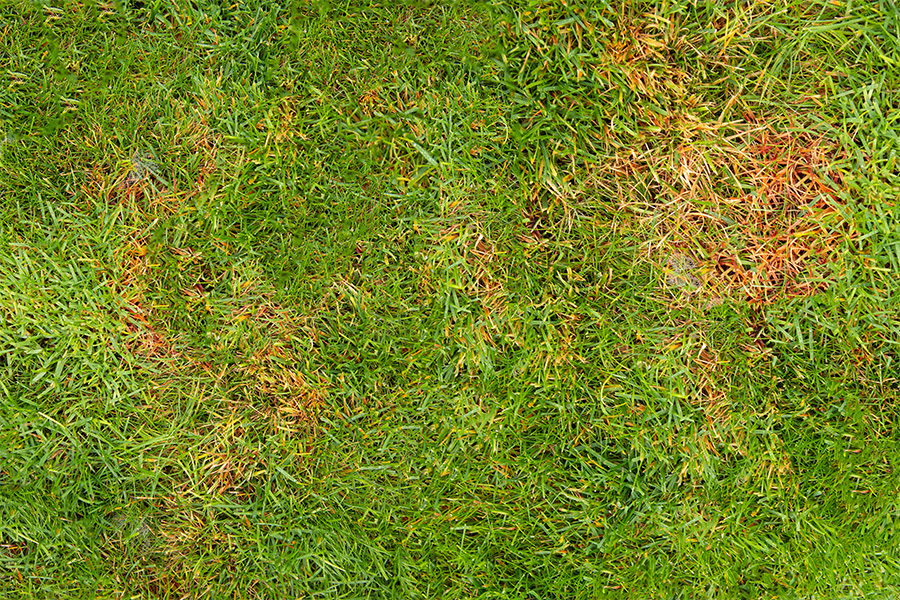
Esta publicación es una guía completa para la identificación y control de enfermedades de los céspedes en Georgia. Enfermedades incluyen: mancha “dólar”; anillos de hada; pudrición radicular “toma-todo”; Mancha parda/Mancha larga por Rhizoctonia Royas; Mancha foliar o decaimiento por Curvularia; quemazón o mancha foliar gris; antracnosis; hongos gelatinosos; y pudrición radicular por Pythium/quemazón por Pythium. La publicación también incluye una guía sistemática para el diagnóstico de enfermedades de céspedes; un clave simplificada para la identificación de enfermedades de céspedes; y el calendario de enfermedades de céspedes en Georgia.
|
-
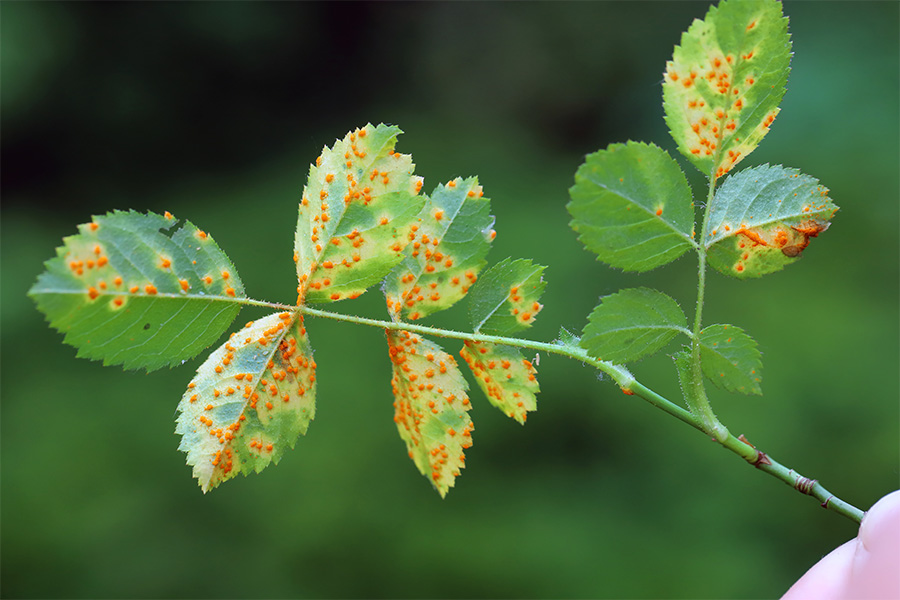
Esta publicación describe algunas de las enfermedades más problemáticas en las plantas de ornato más usadas en el jardín. El material presentado aquí le ayudará a identificar estas enfermedades y encontrará las recomendaciones para su tratamiento. El conocimiento de estas enfermedades permitirá a los jardineros profesionales y amateurs a combatir estas enfermedades y tener plantas saludables y bellas.
|