Plant Pathology Resources
-

Plant disease losses in 2023, including control costs, amounted to an estimated $715.43 million. The value of the crops used in this estimate was approximately $6863.22 million, resulting in a 10.42% relative disease loss across all crops included in this summary. Some estimates for fruits, ornamentals, and turf rely on Extension specialists’ knowledge of the industry and industry sources for information. Because of the retirement of the Extension specialist for ornamental and commercial landscapes, disease losses for this category were not included in the report.
|
-

Understanding nitrogen requirements of onions at different growing stages is crucial to adequately manage N fertilizer applications and enhance fertilizer use while minimizing nutrient losses. In this study, the fertilizer N use efficiency of onions was investigated. The application of N fertilizer right after transplant is inefficient; targeting the periods of heavy vegetative growth and bulb initiation was most efficient in providing N fertilizer for onion plants.
|
-
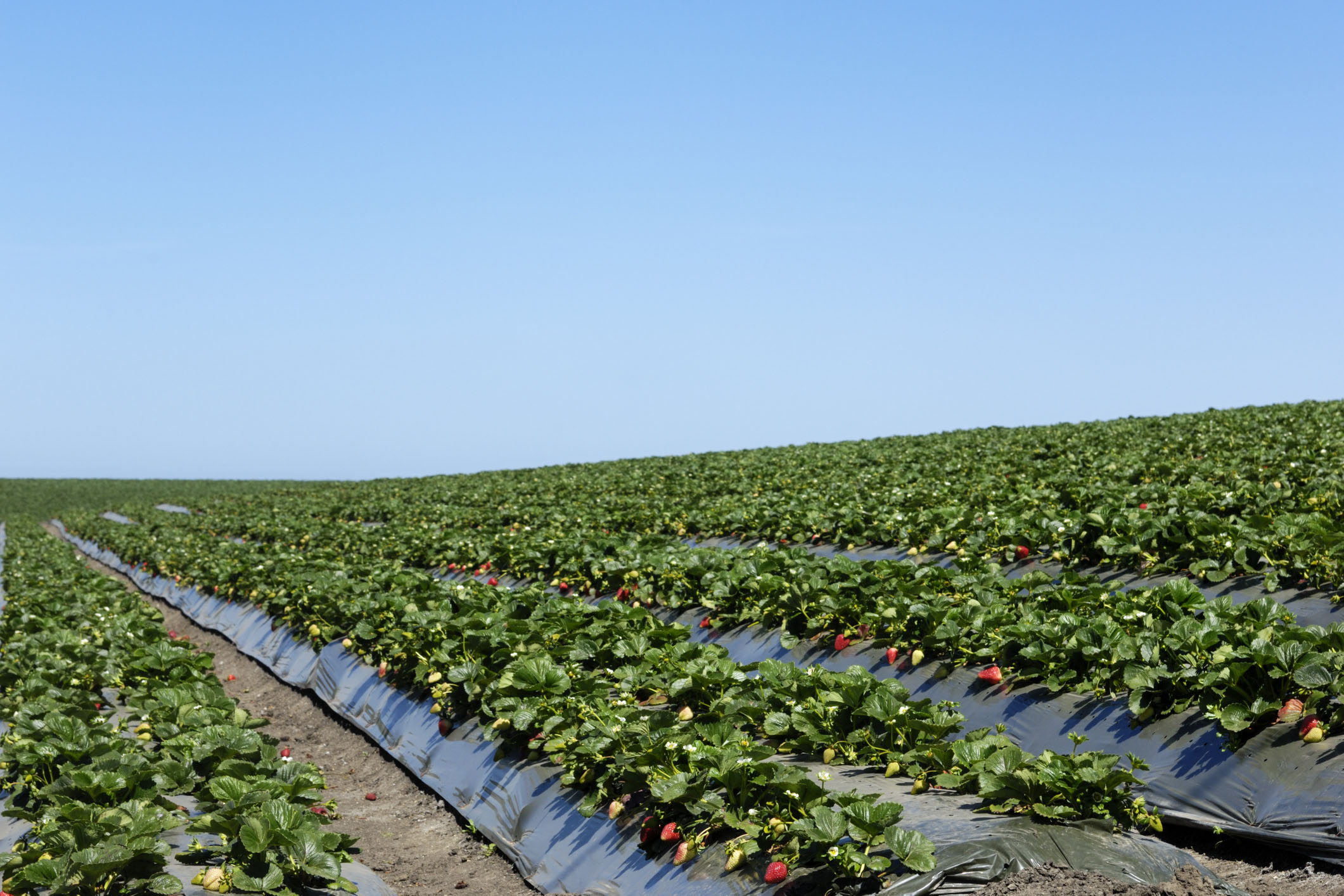
The 2026 edition of this regional integrated pest management guide provides recommendations for strawberry plasticulture production in the Southeastern U.S. Recommendations are based on information from the manufacturer’s label and performance data from research and Extension field tests. This publication is intended for use only as a guide. Specific rates and application methods are on the pesticide label, and these are subject to change at any time. This publication is a product of the Southern Region Small Fruit Consortium.
|
-

Fairy ring is an umbrella term for a disease that can be caused by more than 60 different species of basidiomycete fungi. It is particularly damaging on golf greens, but can affect all turf species in Georgia. Infection leads to localized dry spots and nutrient imbalances. No single strategy guarantees complete control, but integrating thatch reduction, water management, fertility optimization, and targeted fungicide applications can significantly mitigate disease impact.
|
-
The 2025 edition of this regional integrated pest management guide provides recommendations for strawberry plasticulture production in the Southeastern U.S. Recommendations are based on information from the manufacturer’s label and performance data from research and Extension field tests. This publication is intended for use only as a guide. Specific rates and application methods are on the pesticide label, and these are subject to change at any time. This publication is a product of the Southern Region Small Fruit Consortium.
|
-

B 1331
Canola Production in Georgia
This publication covers best management practices for canola production in Georgia. Growing canola profitably takes planning and good management, from seed selection to harvest to marketing.
|
-
C 1178
Mite Management in Turfgrass
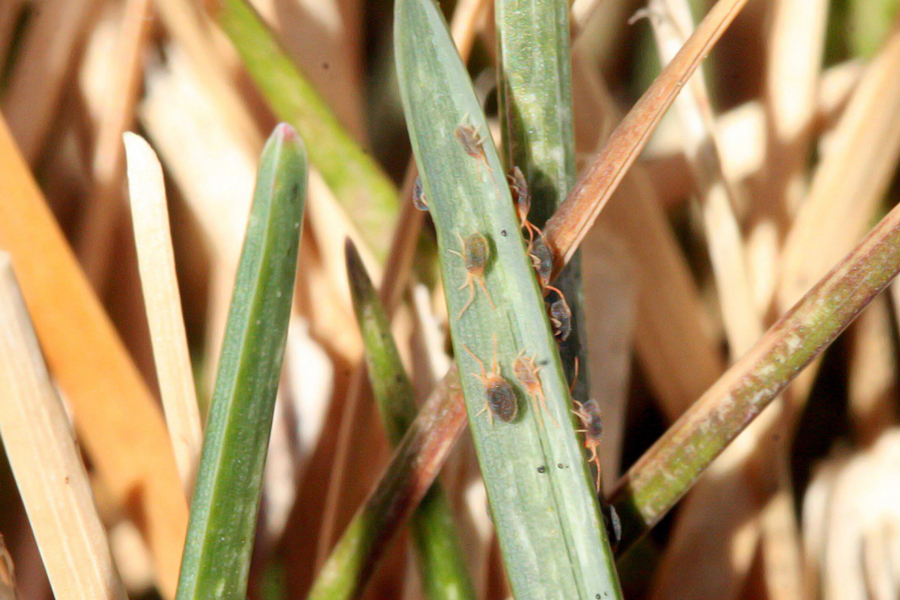
Plant-feeding mites can cause serious damage in turfgrass systems, and drought-stressed turfgrass is particularly prone to mite infestation. Mites are generally active in turfgrasses from spring into fall. They feed on plant sap and, in some cases, also inject toxins into plant tissues or manipulate plant growth, thereby producing characteristic symptoms. Some mites do not directly damage the turfgrass but instead become nuisance pests by moving from the lawn to houses and other buildings. This circular discusses the biology, damage, and management of the various mite species that attack turfgrass.
|
-
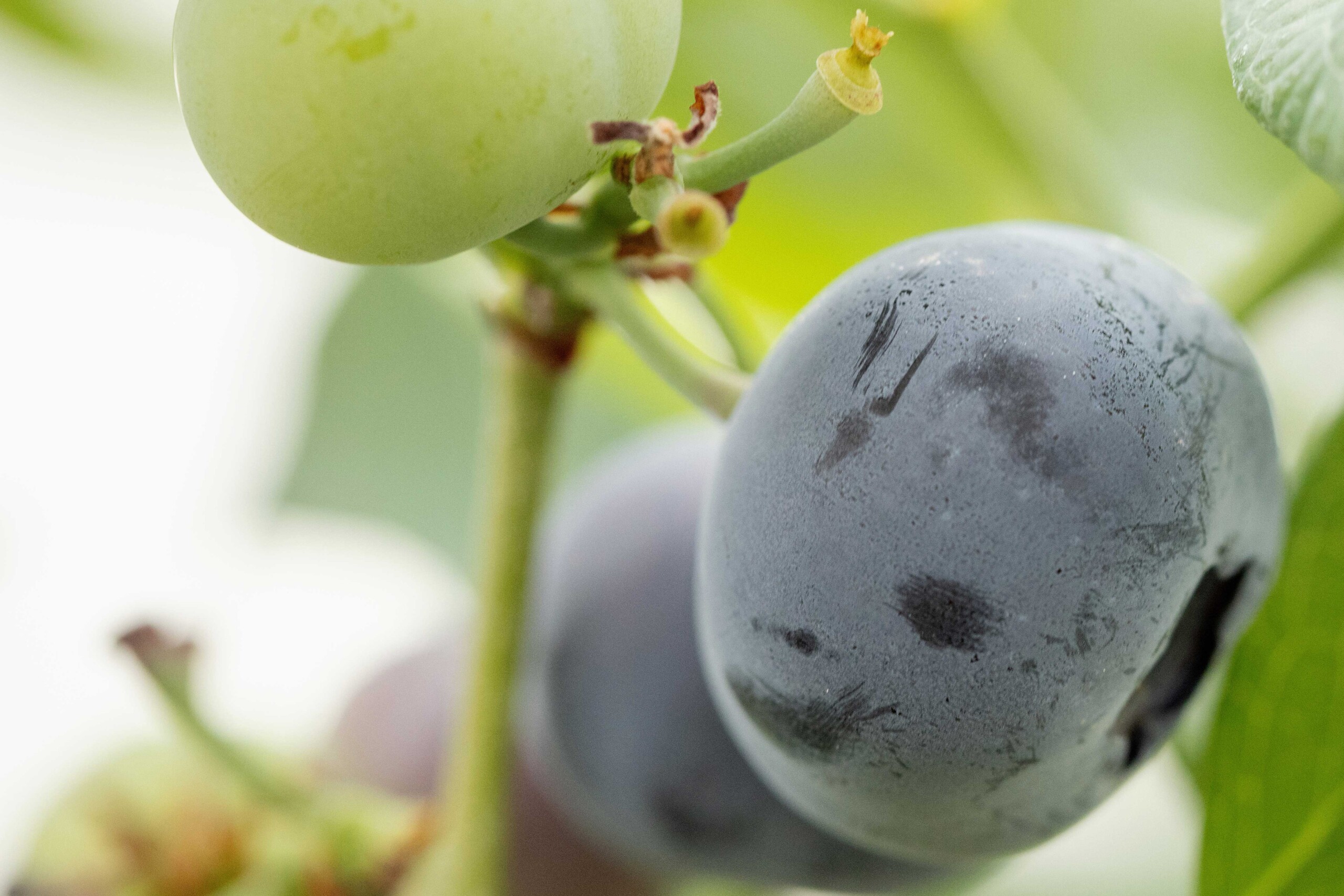
This publication provides current (2025) Southeast-specific information on approved National Organic Program (NOP) disease and pest management options for blueberry production and addresses the issues most commonly encountered under the unique growing conditions of the Southeast U.S. This publication is not intended to provide all details on organic blueberry production, although it does include the production methods that reduce the impact of plant disease and pest issues.
Emphasis in an organic system should be on cultural practices that reduce disease and pest pressure rather than pesticide applications. NOP-approved pesticides are usually less efficacious than conventional products. The pesticide label is the law and supersedes any information on pesticide use contained in this guide. Because environmental conditions and grower application methods vary widely, suggested use does not imply that the performance of the pesticide will always conform to the pest control standards indicated by experimental data. This publication is a product of the Southern Region Small Fruit Consortium.
|
-
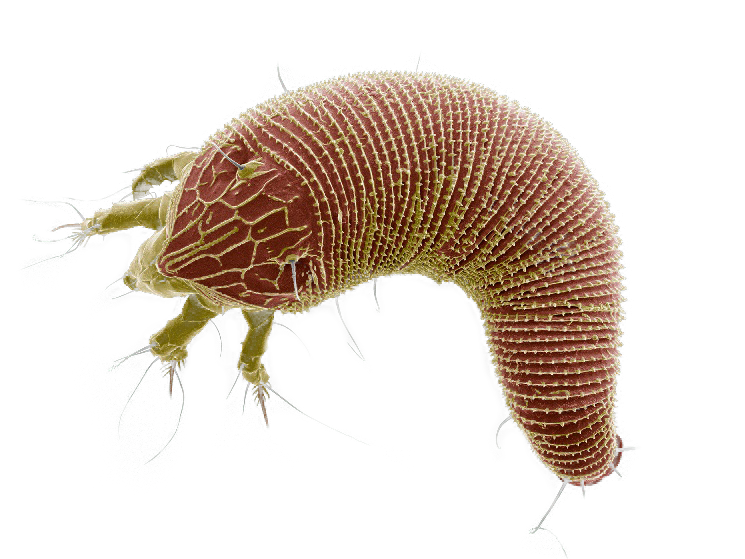
Rose rosette virus can cause major problems for nurseries, landscapers, and gardeners alike. The virus causes the plants to become undesirable and will eventually result in the death of the plant, which affects all segments of the rose industry as well as rosarians and home gardeners. The symptoms of disease on ornamental roses are a yellow mosaic pattern appearing on leaves, increased thorniness, abnormally shaped foliage and early production of lateral buds that make up the witches’ broom. This publication is intended for rose producers and serious rose gardeners interested in technical details of this virus and a mite that transmits it.
|