Plant Pathology Resources
-
AP 132-01
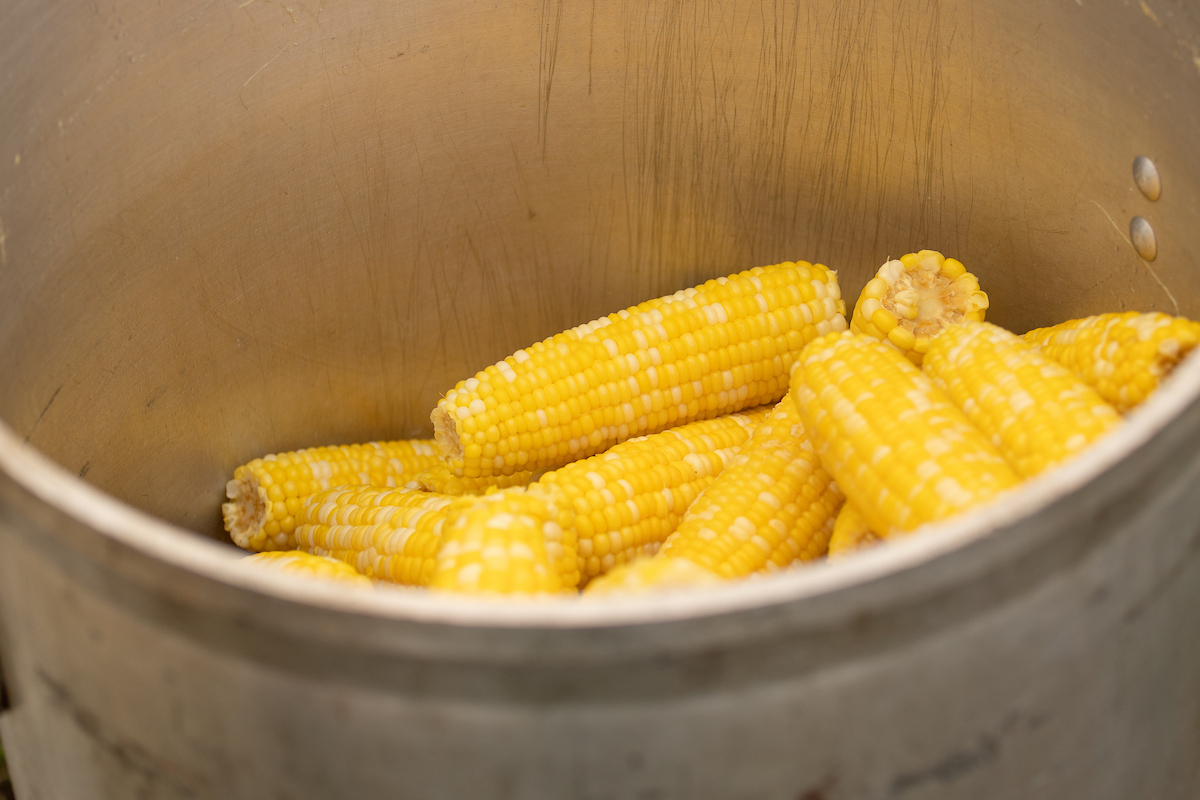
2024 Georgia Corn Production Guide
This is the Extension Corn Team’s full production guide for recommended practices to plant and maintain a corn crop in Georgia. Topics include agronomic practices, growth and development, fertilization, irrigation, weed, insect and disease management, harvesting and drying, protecting stored corn, soil health, and economics/budgets.
|
-
2022 plant disease losses, including control costs, amounted to an estimated $933 million. The value of the crops used in this estimate was approximately $8200 million, resulting in a 11.4% relative disease loss across all crops included in this summary. The estimated values for most crops used to compute these disease losses are summarized in the UGA Center for Agribusiness & Economic Development 2022 Georgia Farm Gate Value Report (AR-24-01). Some estimates for fruits, ornamentals, and turf rely on Extension specialists’ knowledge of the industry and industry sources for information.
|
-
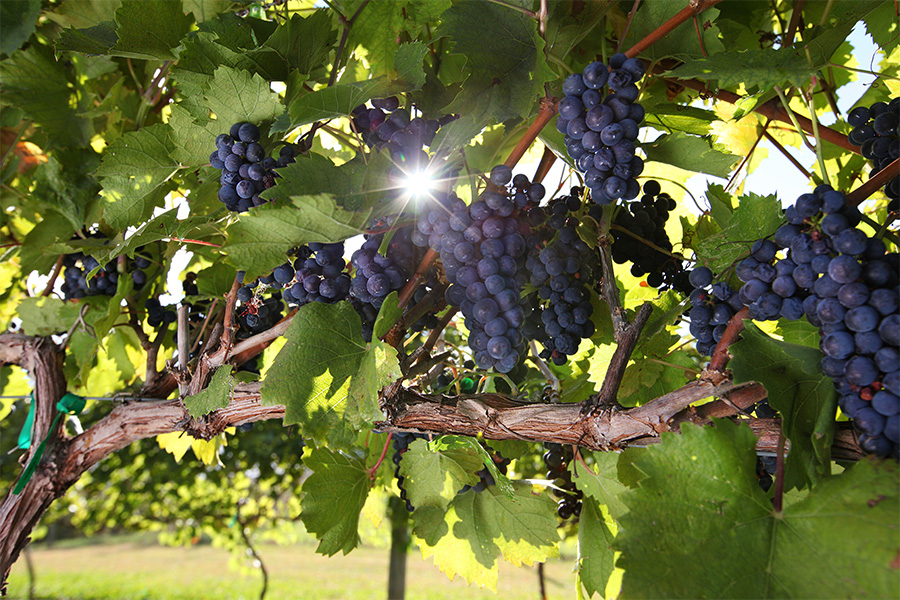
Pierce’s disease (PD) may be the greatest threat to the growth and sustainability of wine grape industries in the Southeastern U.S. The first step to managing grapevine PD is understanding the threat of PD as dictated by the region in which vines will be planted. It is highly advised that PD-tolerant cultivars be planted if a vineyard will be established in a region of high PD-threat. Growers should understand that there is a risk of planting Vitis vinifera and other PD-intolerant cultivars in several Southeastern U.S. regions, including the mountain regions of northern Georgia and piedmont regions in North Carolina. If PD-intolerant cultivars are planted, leafhopper vectors should be intensively scouted for and managed, and PD-infected vines should be immediately rogued out of the vineyard.
|
-
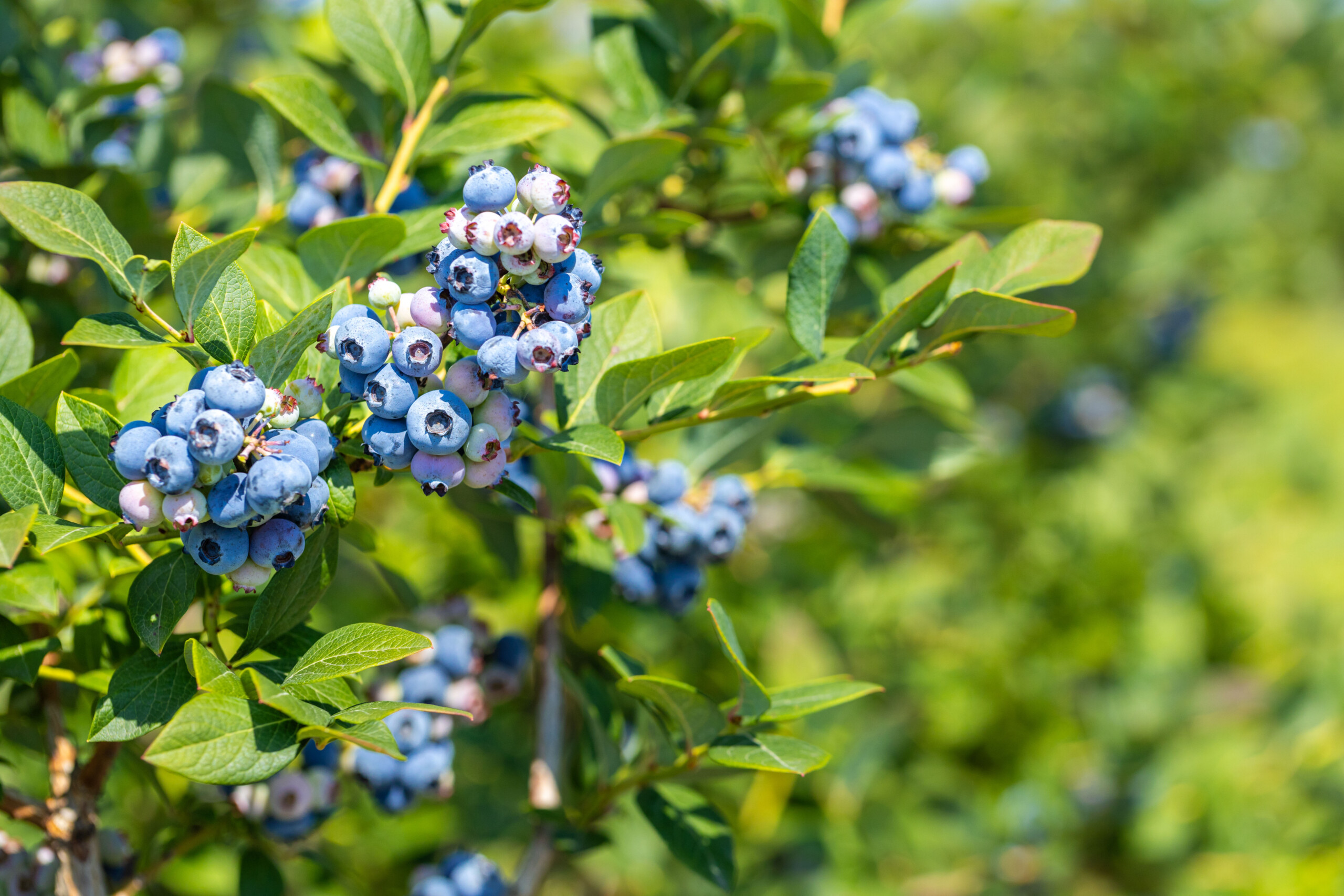
This publication provides updated (2024) Southeast-specific information on approved National Organic Program (NOP) disease and pest management options for blueberry production and addresses the issues most commonly encountered under the unique growing conditions of the Southeast U.S. This publication is not intended to provide all details on organic blueberry production, although it does include the production methods that reduce the impact of plant disease and pest issues. Emphasis in an organic system should be on cultural practices that reduce disease and pest pressure rather than pesticide applications. NOP-approved pesticides are usually less efficacious than conventional products. The pesticide label is the law and supersedes any information on pesticide use contained in this guide. Because environmental conditions and grower application methods vary widely, suggested use does not imply that performance of the pesticide will always conform to the pest control standards indicated by experimental data.
|
-
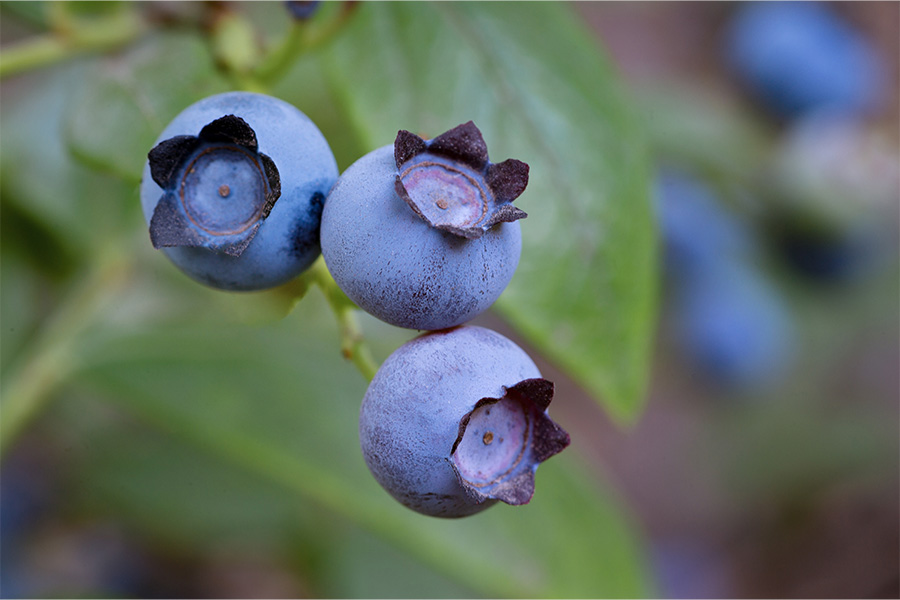
Propagating disease-free blueberry plants is important for the future sustainability of the blueberry industry in Georgia and the Southeast. Over the past two to three decades, the Georgia blueberry industry has experienced remarkable growth and has become a national leader in blueberry production. To remain competitive, Georgia blueberry producers need a supply of healthy plants to replace older plantings and obsolete varieties. This publication helps producers understand how to best address many cultural and disease issues observed in developing disease-free transplants from softwood cuttings.
|
-
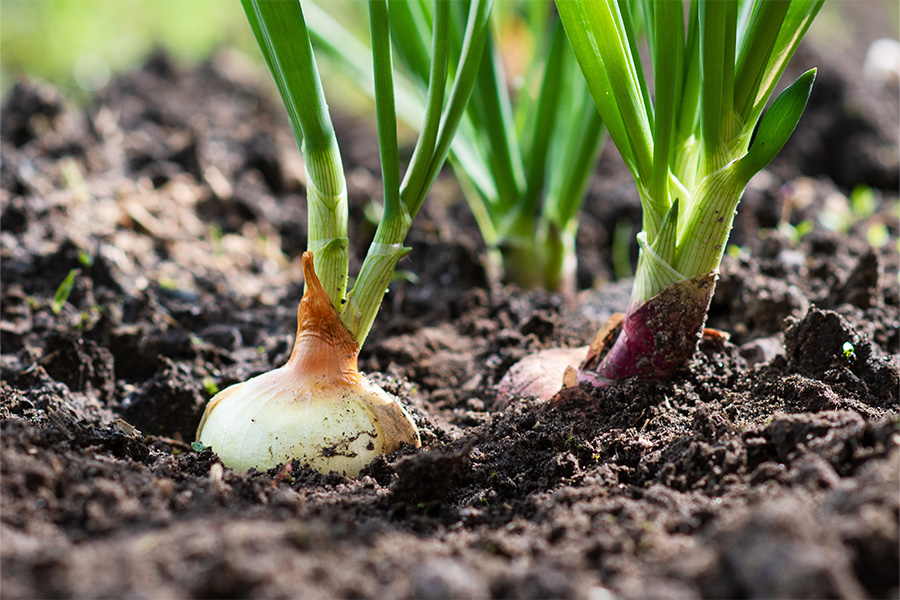
Bacterial diseases are among the major production and economic challenges that onion growers face in Georgia. There are six bacterial diseases that commonly affect onion foliage and bulbs in the state. These diseases are difficult to manage and rely mainly on cultural practices and the use of protective bactericides. Host resistance is limited with little information on pathogen biology and the infection process. This bulletin provides a comprehensive outlook on specific symptoms associated with bacterial diseases, modes of infection and spread, and potential management options.
|
-
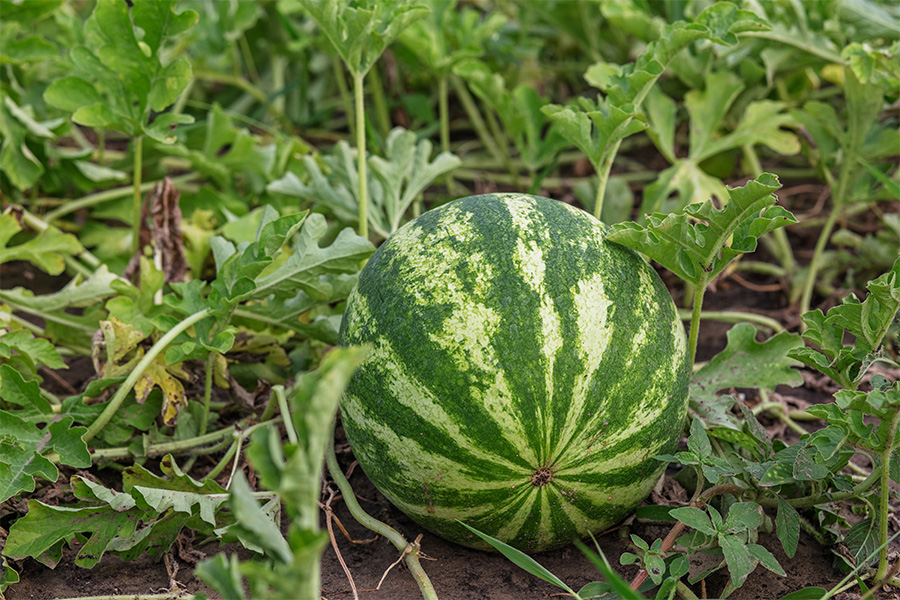
Watermelon production faces many challenges in Georgia. The warm, humid climate favors numerous foliar diseases. Because of the long history of watermelon production in Georgia, soilborne diseases such as Fusarium wilt also present challenges to growers. This bulletin will provide background on disease symptoms, pathogen survival and infection, pathogenic races, and management.
|
-
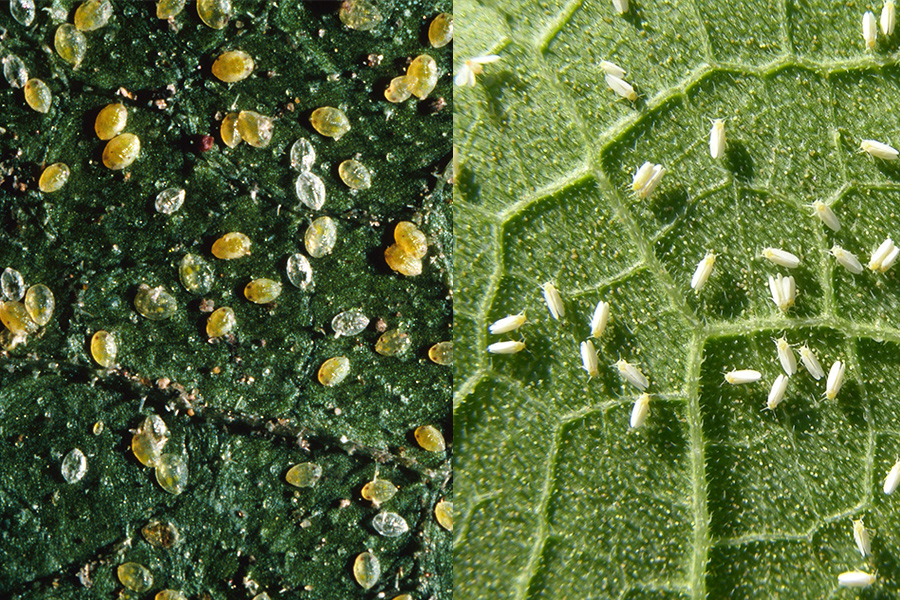
The silverleaf whitefly (also known as sweet potato whitefly) is a pest of a wide variety of horticultural and agronomic crops in southern Georgia. Their direct feeding can damage plants and lead to additional problems with the accumulation of honeydew and sooty mold, and these insects also inject salivary fluids while feeding, which can result in plant disorders and transmission of plant viruses.
|
-
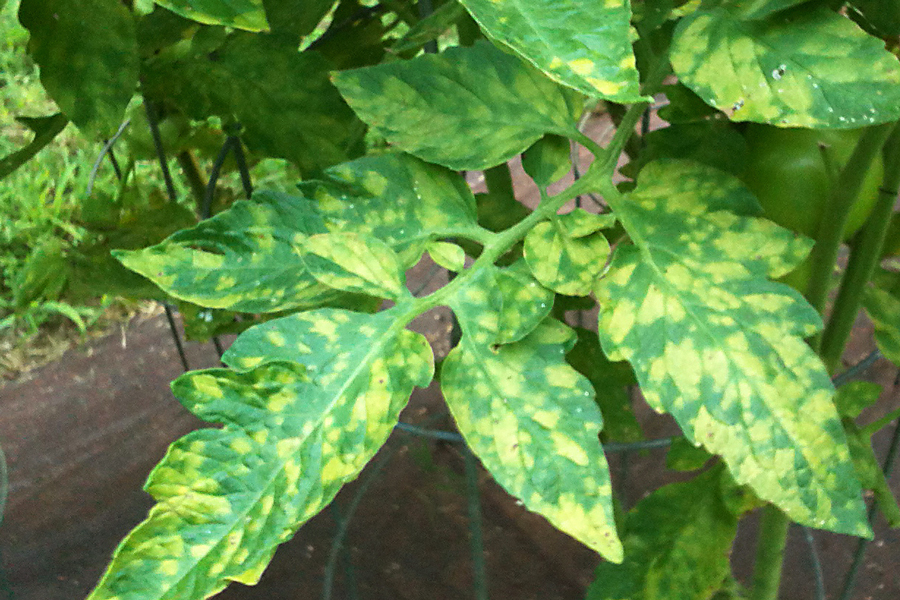
This publication contains information about common tomato diseases in Georgia. It includes photographs and descriptions of diseases such as buckeye rot and fusarium wilt.
|