Plant Pathology Resources
-

The field is a complex environment with many factors that can interact to influence the growth of a corn plant. These factors can be living in the form of insects, diseases, nematodes and weeds; or, they can be non-living such as weather, nutrients or chemicals. In the proper combination of factors, corn can produce more than 200 bushels per acre in the Southeast; or in a totally unfavorable combination, every corn plant can die. When a problem is identified, it is important to determine the extent and severity of the problem to decide whether corrective measures are necessary or available. Use this guide and other technical information before implementing any management decision.
|
-

This publication is a monthly guide for professional managers of commercial, recreational, municipal, institutional or private grounds in Georgia.
|
-

Leyland cypress has become one of the most widely used plants in commercial and residential landscapes across Georgia as a formal hedge, screen, buffer strip or wind barrier. Leyland cypress is a graceful, rapidly growing evergreen tree that is adapted for growth within the 6-10a USDA hardiness zones. Leyland cypress is considered relatively pest-free; however, because of its relatively shallow root system, and because they are often planted too close together and in poorly drained soils, Leyland cypress is prone to root rot and several damaging canker diseases, especially during periods of prolonged drought.
|
-
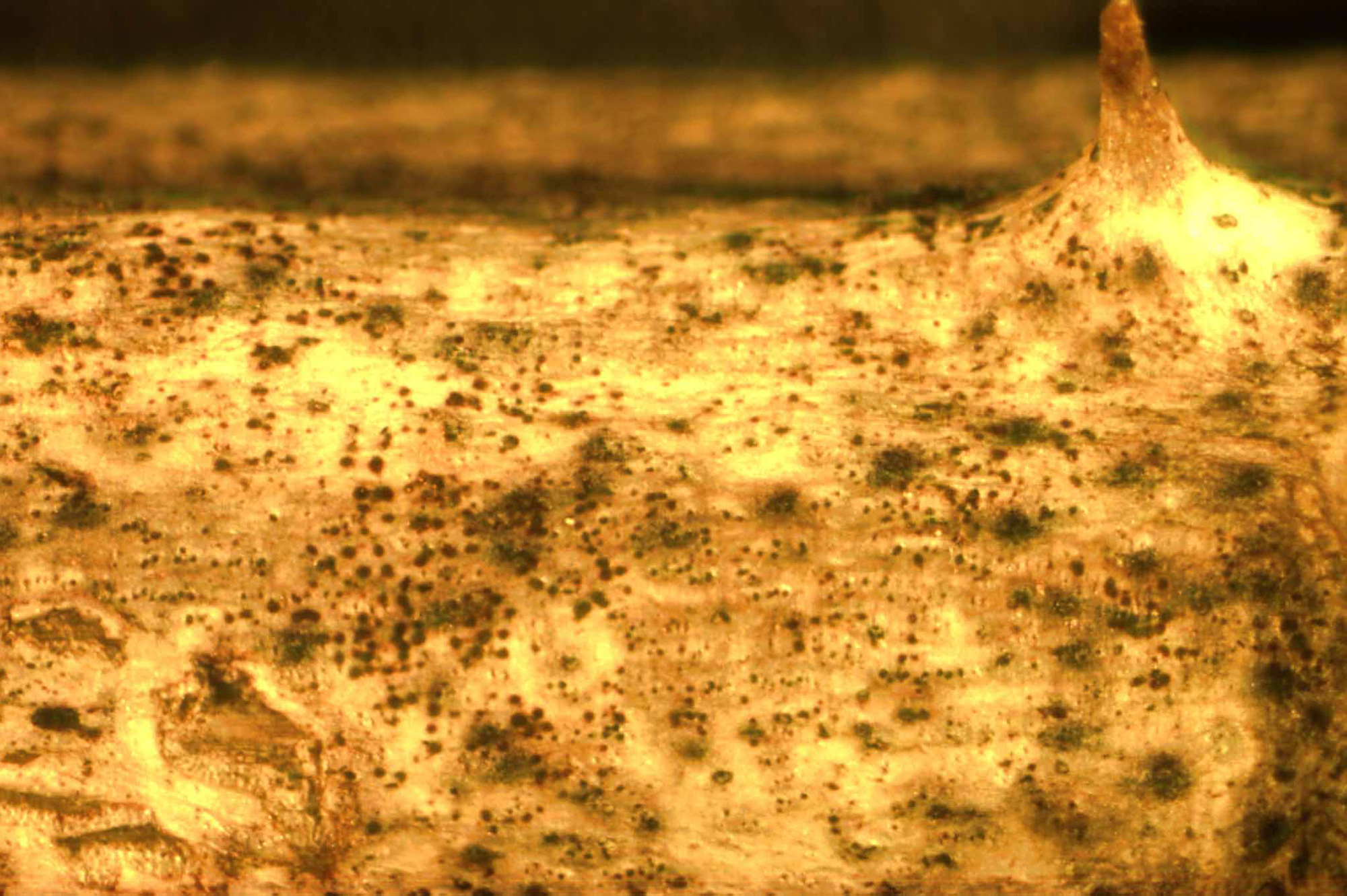
Cane blight can be a major disease of blackberry in the Southeast, resulting in severe losses. The wet, humid conditions observed in Georgia and other southeastern states allow for significant losses following pruning or other injuries to the primocane.
|
-

Turfgrass stands can be injured and damaged by living (biotic) and nonliving (abiotic) agents. Most nonliving diseases cause generalized symptoms such as wilting, yellowing, thinning, and the development of smaller-than-normal grass blades, limited root growth, or slow growth. You cannot always determine whether the condition is caused by a living or nonliving agent by observing the symptoms. In many cases, a proper diagnosis of abiotic diseases requires thorough examination of the site, knowledge of relevant past and present environmental conditions, in-depth knowledge of plant species biology, site management history, and an orderly series of tests to determine possible causes.
|
-

Native plants are a great choice for Georgia landscapes. They provide food and habitat for native insects, birds, and other creatures and allow the gardeners to support local ecosystems. They are well suited to their native environments and many are quite beautiful. However, they are not super plants! They need to be sited in locations that closely match their native habitat, and the general public often assumes they need little or no care. This publication outlines conditions under which native plants need supplemental water and pest protection. Using the guidelines presented here, gardeners will be able to grow healthy native plants in their landscape.
|
-
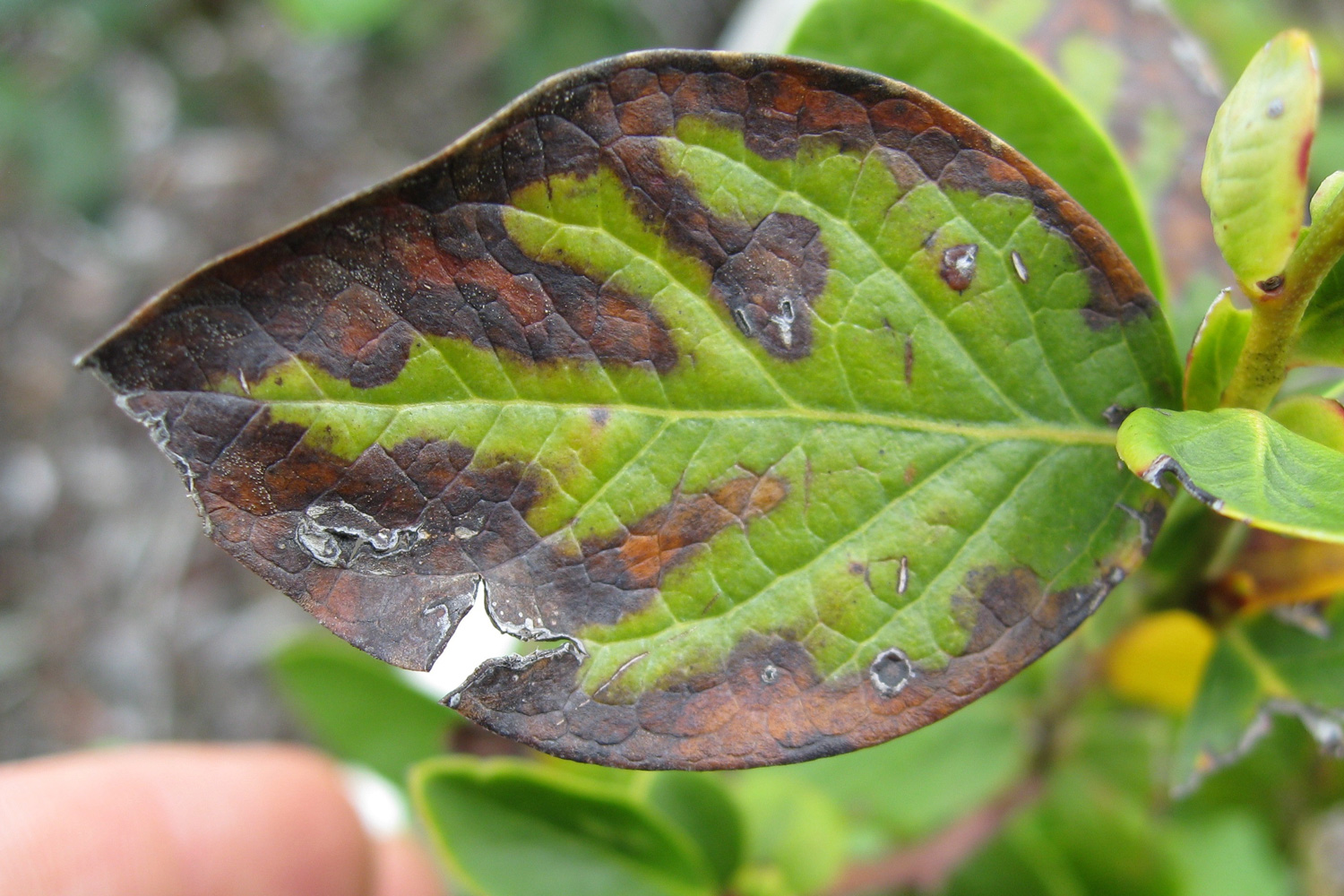
A new disease has been identified in the Georgia blueberry production region. This disease has been named “bacterial leaf scorch.” This resource covers identification and control methods.
|
-
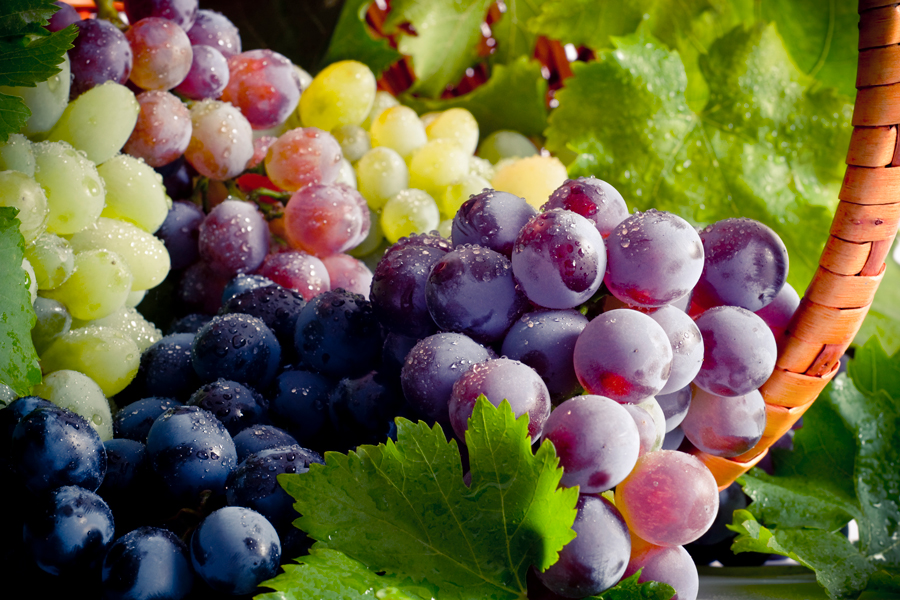
This is a new annual guide for managing diseases, insects, weeds, and wildlife in bunch grapes in the Southeast. This regional integrated pest management guide provides recommendations based on information from the manufacturer’s label and performance data from research and Extension field tests. This publication is intended for use only as a guide. Specific rates and application methods are on the pesticide label, and these are subject to change at any time. This publication is a product of the Southern Region Small Fruit Consortium.
|
-
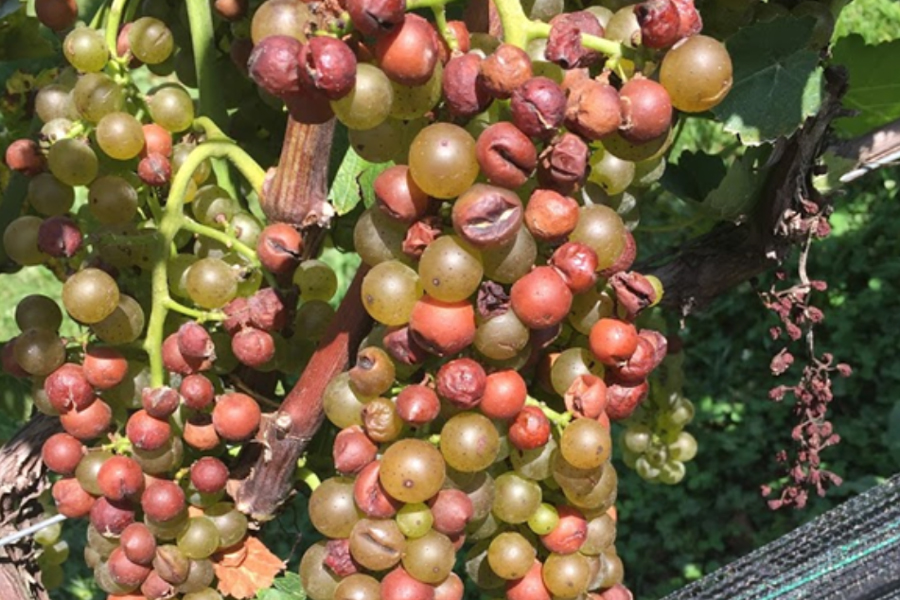
C 1212
Grape Sour Rot
Although grape sour rot can occur in drier climates, the disease complex tends to be especially problematic during wine grape ripening in wet, humid regions. Browning and disintegrating berries and the aroma of vinegar are a few symptoms that characterize grape sour rot. Sour rot ultimately results in crop yield reduction as damaged berries often “shatter,” or fall off the clusters. Sorting out clusters with sour rot that are not suitable for winemaking causes a further reduction in return revenues as less wine is produced. Sour rot is a prominent concern in Eastern U.S. vineyards as it is consistently observed in vineyards, particularly in white-berried cultivars, and questions remain about how to best manage it, particularly with the threat of insecticide resistance development in targeted fruit flies.
|