Plant Pathology Resources
-
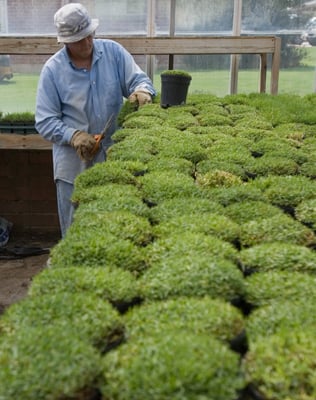
This article covers the activities of the UGA turfgrass breeding program, which develops improved cool- and warm-season turfgrasses that are well-adapted to the southeastern United States. Objectives focus on improving turf quality, persistence, environmental adaptation, and resistance to stress. Future breeding efforts will focus on the development of climate-resilient turfgrass that performs well under increasingly challenging environmental conditions.
|
-

This presentation at the Turfgrass Research Field Day covers research and information about fungicides and nematodes in Georgia turfgrass.
|
-
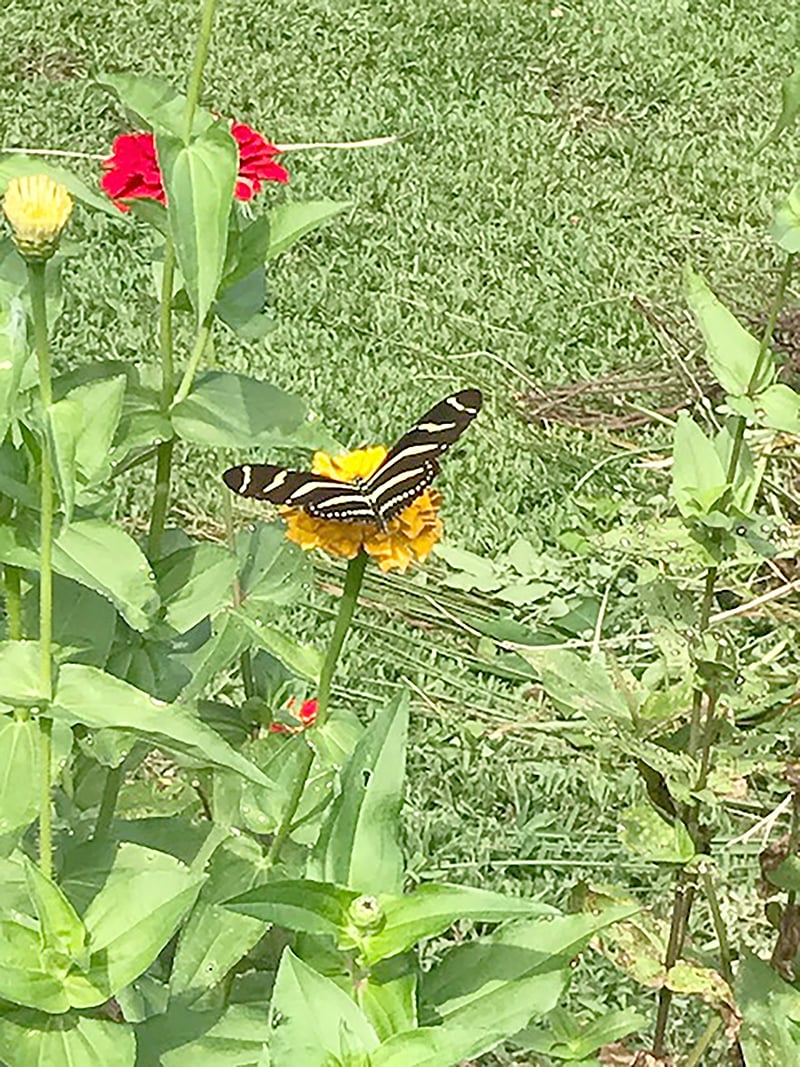
AP 117-5-02
Beneficial Insects in Turfgrass
Tips for protecting turf and preserving the pollinators at the 2026 Turfgrass Research Field Day.
|
-

AP 117-5-00
2026 Turfgrass Research Field Day Program
Download the program PDF for the 2026 Turfgrass Research Field Day, held every other year on the UGA campus in Griffin, GA.
|
-

This presentation at the Turfgrass Research Field Day covers how to sustainably manage diseases in turfgrass.
|
-
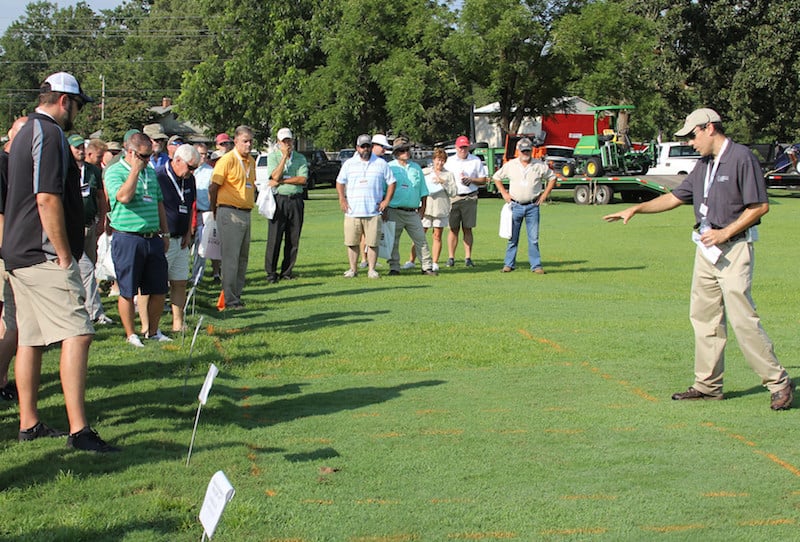
AP 117-5-04
Summer Weed Control and Preemergent Herbicides
This presentation at the Turfgrass Research Field Day covers ongoing research to combat summer weed control and preemergent herbicides for turfgrass.
|
-

Los hispanos representan la minoría más grande de los Estados Unidos con 42.7 millones de habitantes. Los trabajadores hispanos predominan en la industria de la agricultura urbana del estado de Georgia y conforman casi las tres/cuartas partes del total de obreros del estado. Los supervisores deben garantizar la comprensión e implementación de la seguridad laboral. Es imprescindible reconocer las barreras de comunicación para mantener un área de trabajo donde predomine y se haga efectiva la seguridad laboral. Use demostraciones, dibujos, materiales bilingues, y si es posible, un intérprete. Este manuscrito fue preparado originalmente por Ellen M. Bauske, Karen A. Maqueda y Alfredo D. Martinez-Espinoza.
|
-
Hispanic workers predominate in Georgia’s urban agriculture industry, comprising almost three-fourths of the workforce. Employers must ensure comprehension and safety compliance, address language barriers to create a safe workplace, use physical demonstrations, diagrams, bilingual materials and, if available, an interpreter. This publication covers general precautions, equipment safety, pesticide safety and other information that is necessary for keeping employees safe. It is also available in Spanish (see B 1334-SP). The original manuscript was prepared by Ellen M. Bauske, Karen A. Maqueda, Alfredo D. Martinez-Espinoza. Reviewed by Alfredo D. Martinez-Espinoza.
|
-
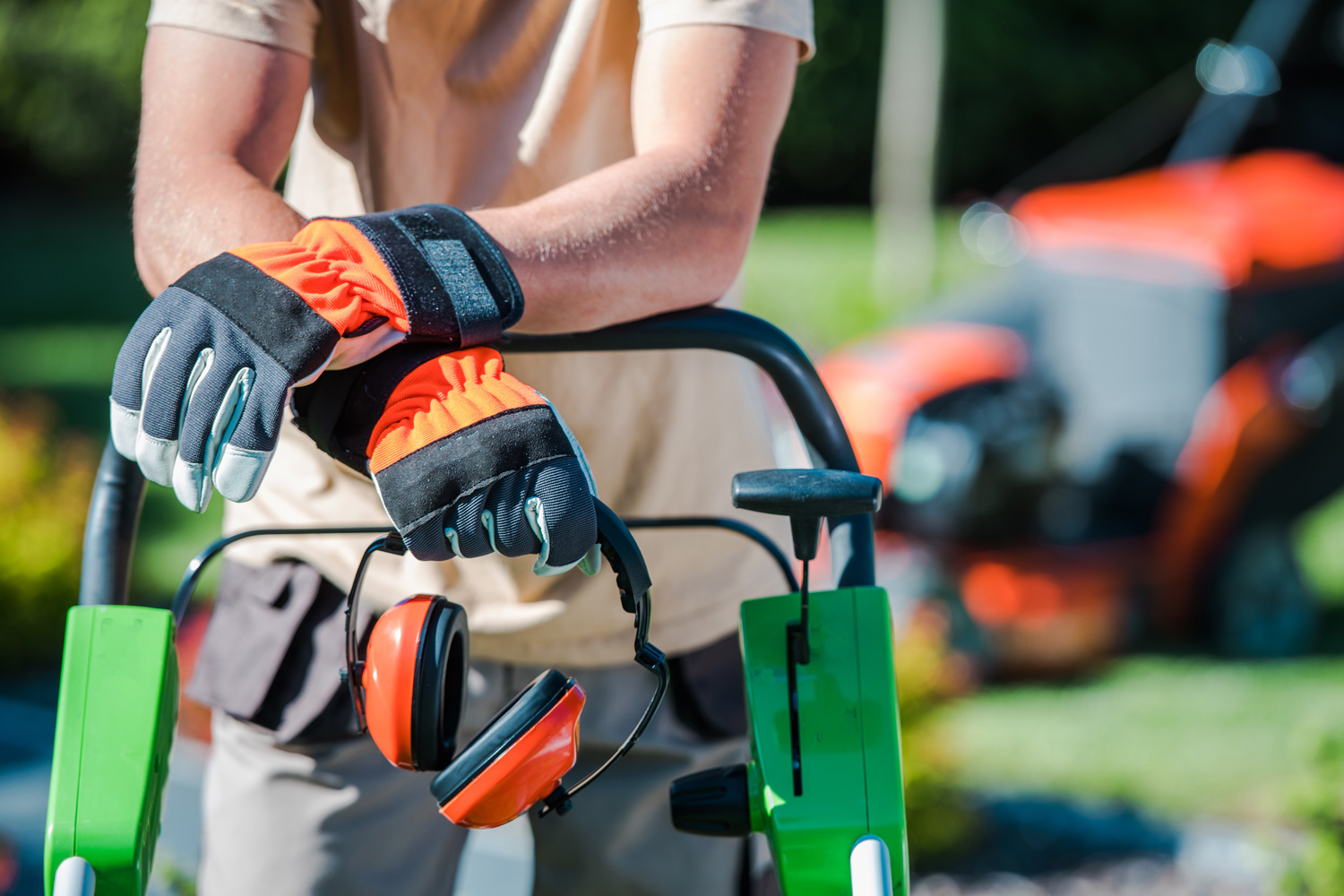
These checklists can be used to introduce new landscape workers to safe work practices. They ensure that job safety training includes safety instruction. Included are sections on general safety precautions, equipment safety, lawn mower safety and pesticide safety.
|