Poultry Science Resources
-

Egg production is the same for each hen whether a farm is producing on a small or large scale. There are a number of egg abnormalities that can occur, and some of these can impact egg quality and reduce the egg’s grade based on USDA standards. Abnormalities may be a result of poor management, disease, nutritional deficiencies, or the age of the birds. This publication covers a dozen of the most common abnormalities to help producers of any size better manage their flocks.
|
-
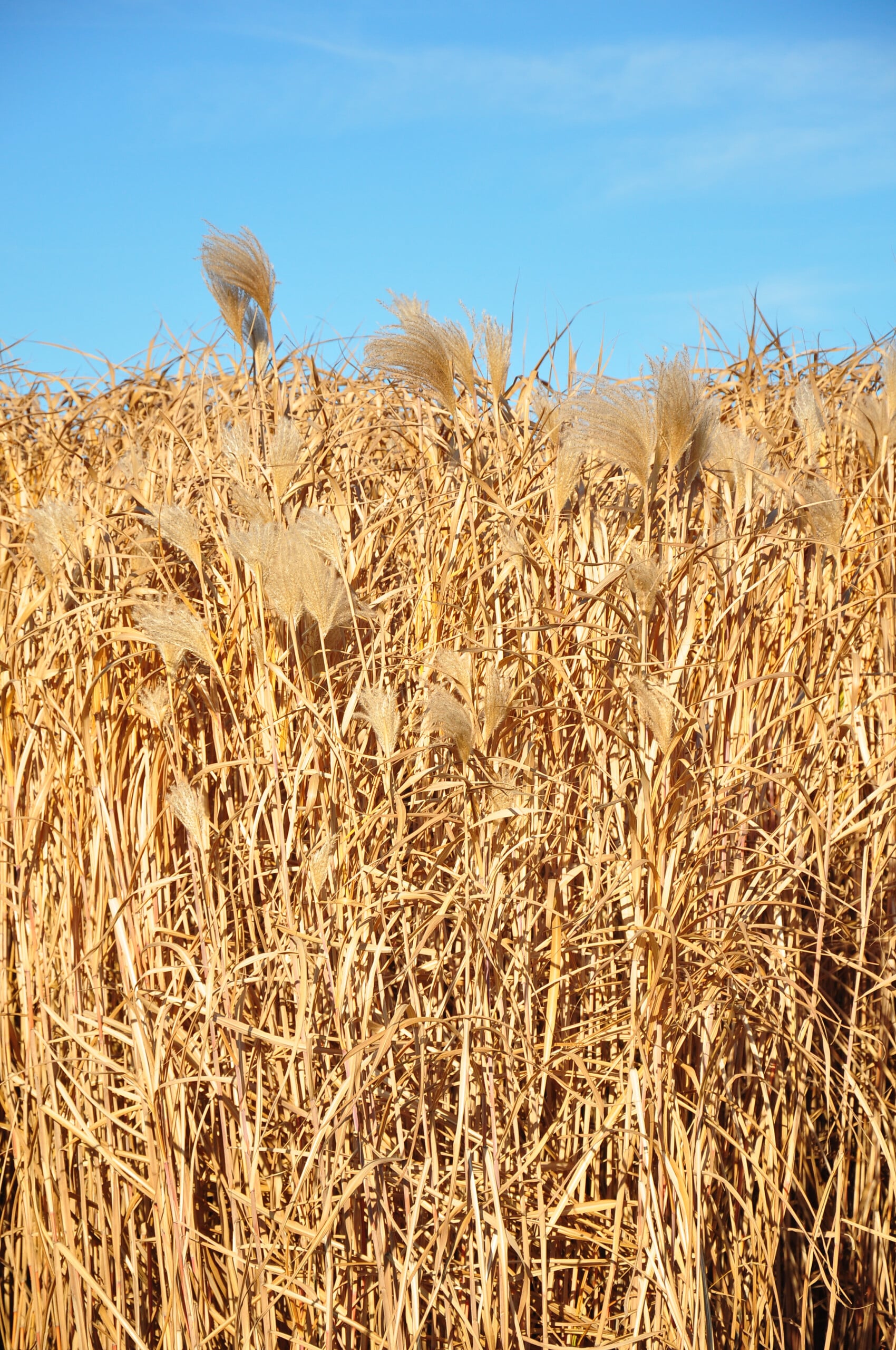
Pine shavings are the most popular bedding material used in poultry houses. Due in part to the expansion of the poultry industry, pine shavings are in short supply, and alternative bedding materials are being tested.
Giant miscanthus grass (GMG) is one such material. GMG is a perennial grass that is dried and chopped into one-inch pieces for bedding. When compared to pine shavings, GMG is a good option for bedding material in poultry houses.
|
-

The USDA-Food Safety Inspection Service (FSIS) indicated that if water is to be reused in a poultry processing facility, then this reuse water must be accounted for in the plant’s HACCP program.
|
-

Feather coverage is important for both thermoregulation and disease prevention. Because feathers are made of protein, there are obvious nutritional factors that affect feather coverage in high yield broiler breeds. This resource summarizes the importance and structure of the feather and the feed-related factors that impact feather coverage.
|
-
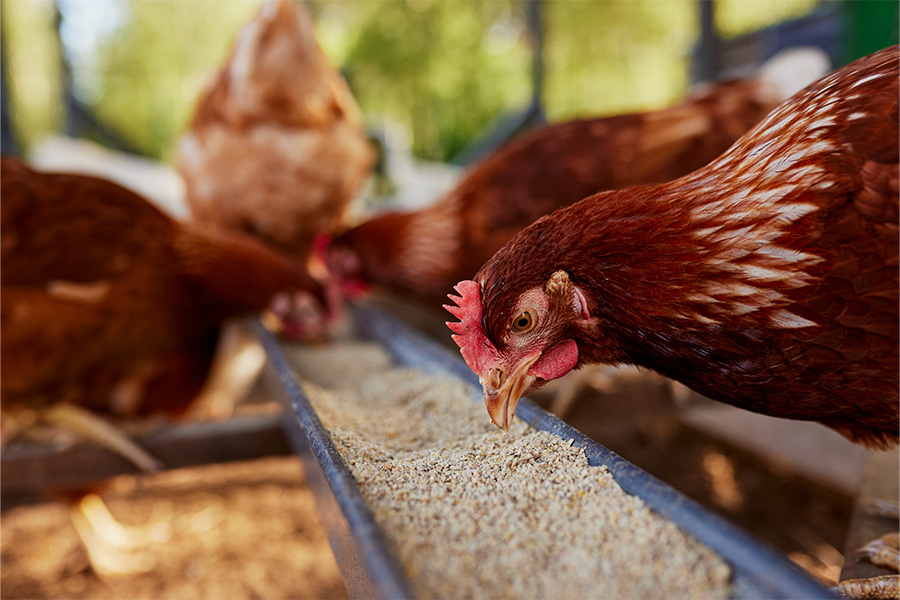
Providing the right nutrition for your chickens means ensuring that what they eat supplies all of the essential amino acids, fatty acids, carbohydrates, vitamins, minerals, and water that they will need to produce the meat or eggs you hope to collect. This resource provides an overview of what you should look for when choosing poultry feed and how to choose a diet that is appropriate for various types of poultry.
|
-
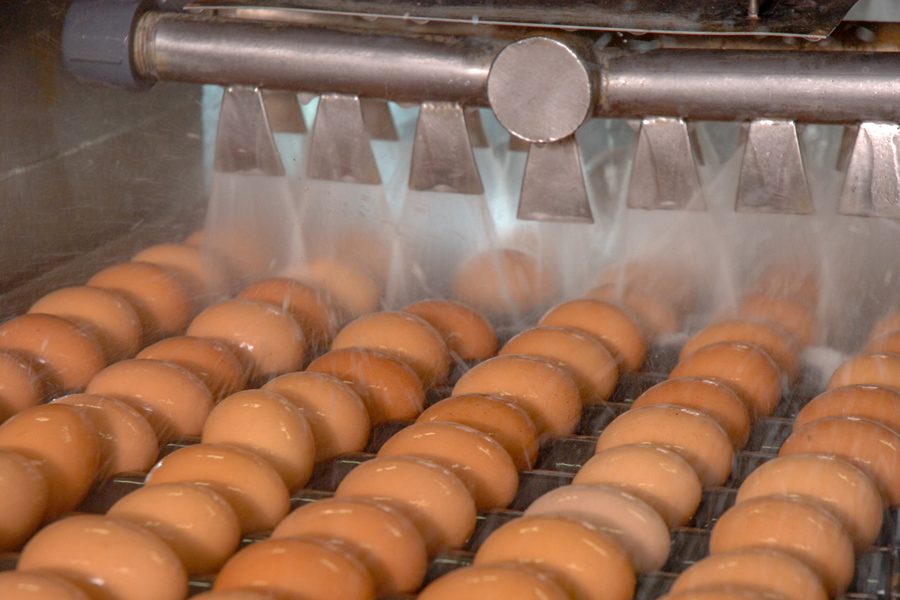
This publication is designed to give commercial egg processors the information they need to understand and effectively deal with the wastewater grit generated from the conveying, washing and grading of table eggs.
|
-
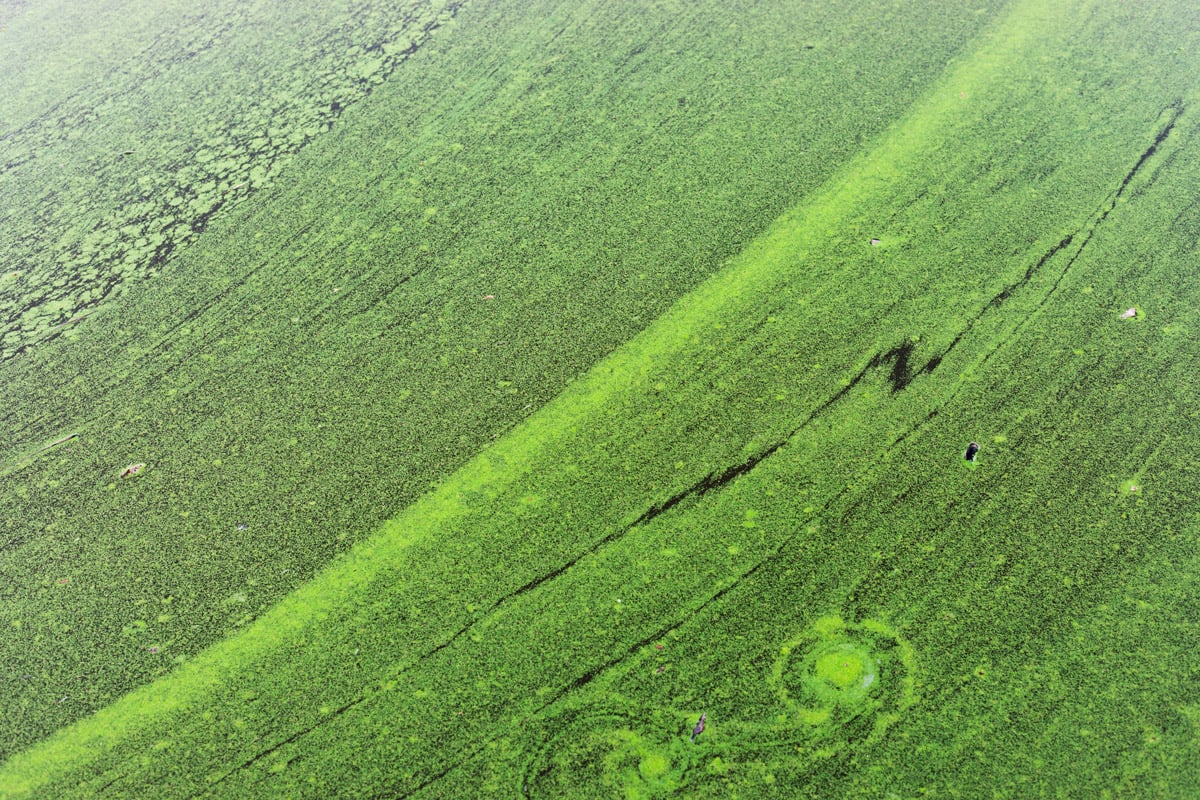
Low-energy input systems that utilize microalgae and the natural biological process of photosynthesis can drive efficient wastewater treatment systems. This publication describes the use of microalgae in wastewater treatment.
|
-

The goal of this publication is to introduce the development of a more accurate measurement of water-use efficiency based on the bulk quantities of materials handled at each processing step at a poultry slaughter plant.
|
-

There are a number of different poultry production systems available today, and consumers commonly confuse organic poultry production with other systems. Pasture-raised poultry and natural poultry are not organically produced, as they do not meet all or any of the standards set by the National Organic Program, which regulates and certifies production systems as “organic.” Consumers should be aware of the differences between each of the poultry production systems as they purchase poultry products.
|