Poultry Science Resources
-

Georgia poultry farmers are among the best in the world at growing chickens using state of the art technology, housing systems, and best management practices. To protect this vital business for Georgia farmers, it is important that agricultural zoning ordinances be prudently devised and factually based.
|
-
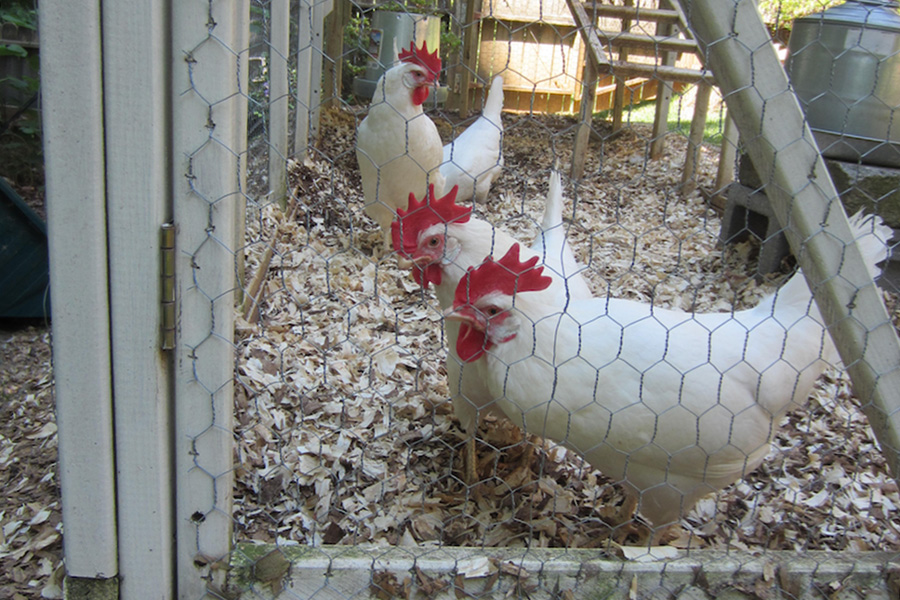
Properly composted poultry litter—manure mixed with bedding material, such as pine shavings—is a valuable soil amendment. However, it takes care and management to compost the litter from poultry housing environments. This resource provides chicken owners with the information they need to compost their chickens’ litter properly to make a useful end product.
|
-
One of the most important components of a zoning ordinance for poultry farms relates to the set-back distance required for the location of poultry production houses. It is important that set-back requirements for poultry houses be based on facts rather than emotions.
|
-
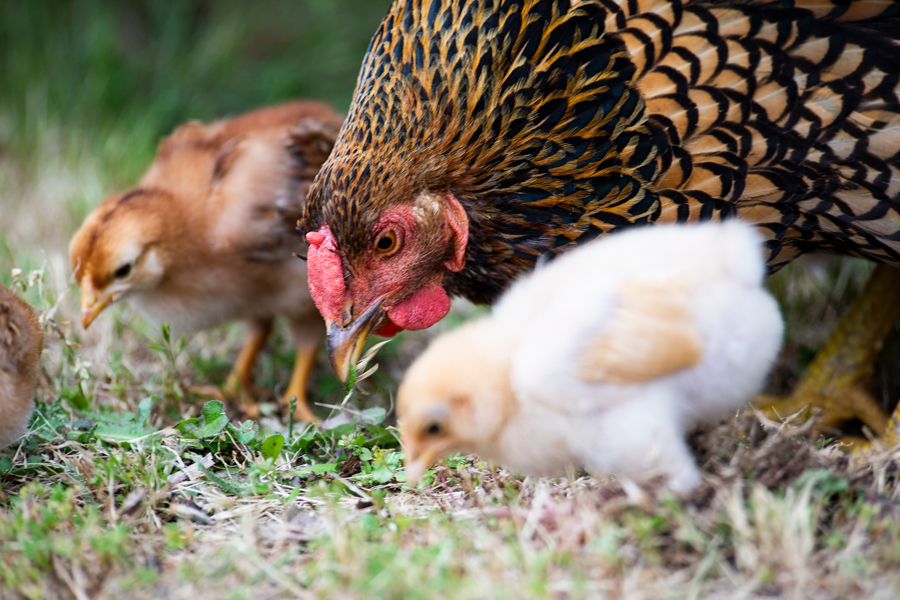
This expert resource provides information on raising a small flock of chickens (50 or less) for meat and eggs (either for hatching or eating).
|
-
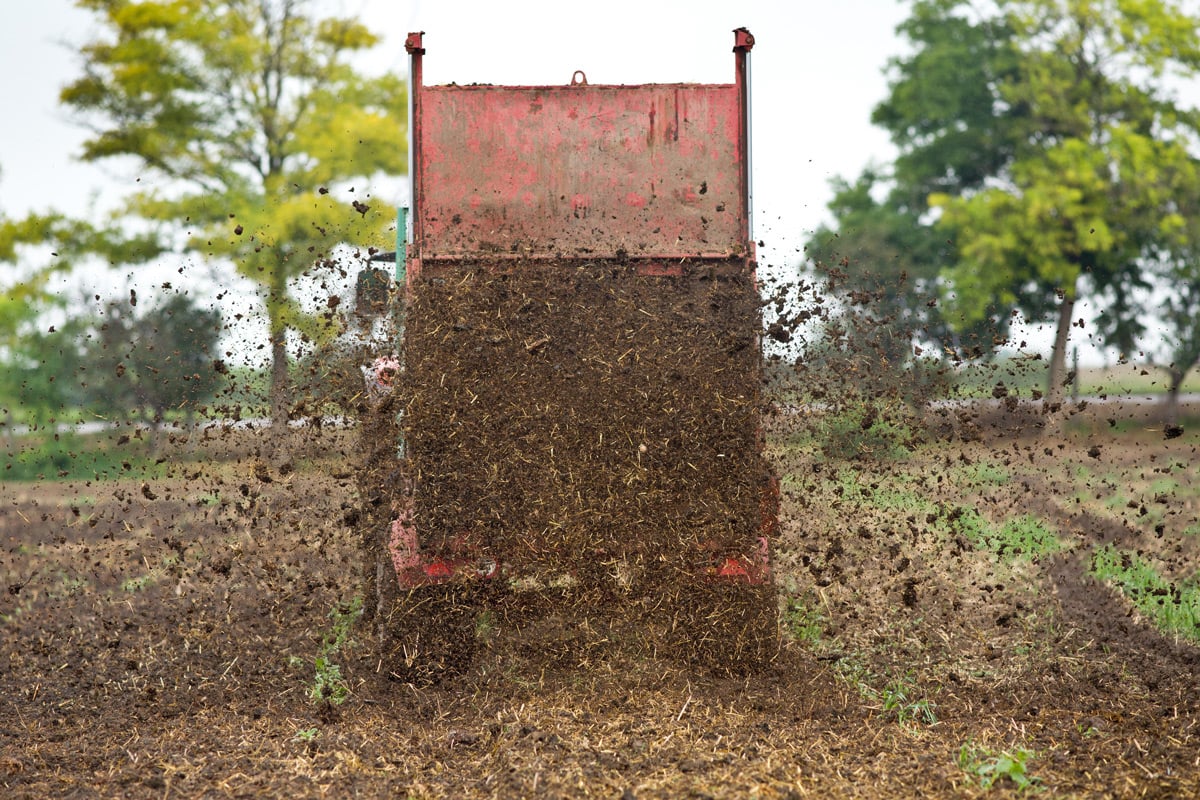
This resource helps poultry producers calibrate manure spreaders (rear discharge, twin spinner) commonly used in poultry litter application in the Southeast.
|
-
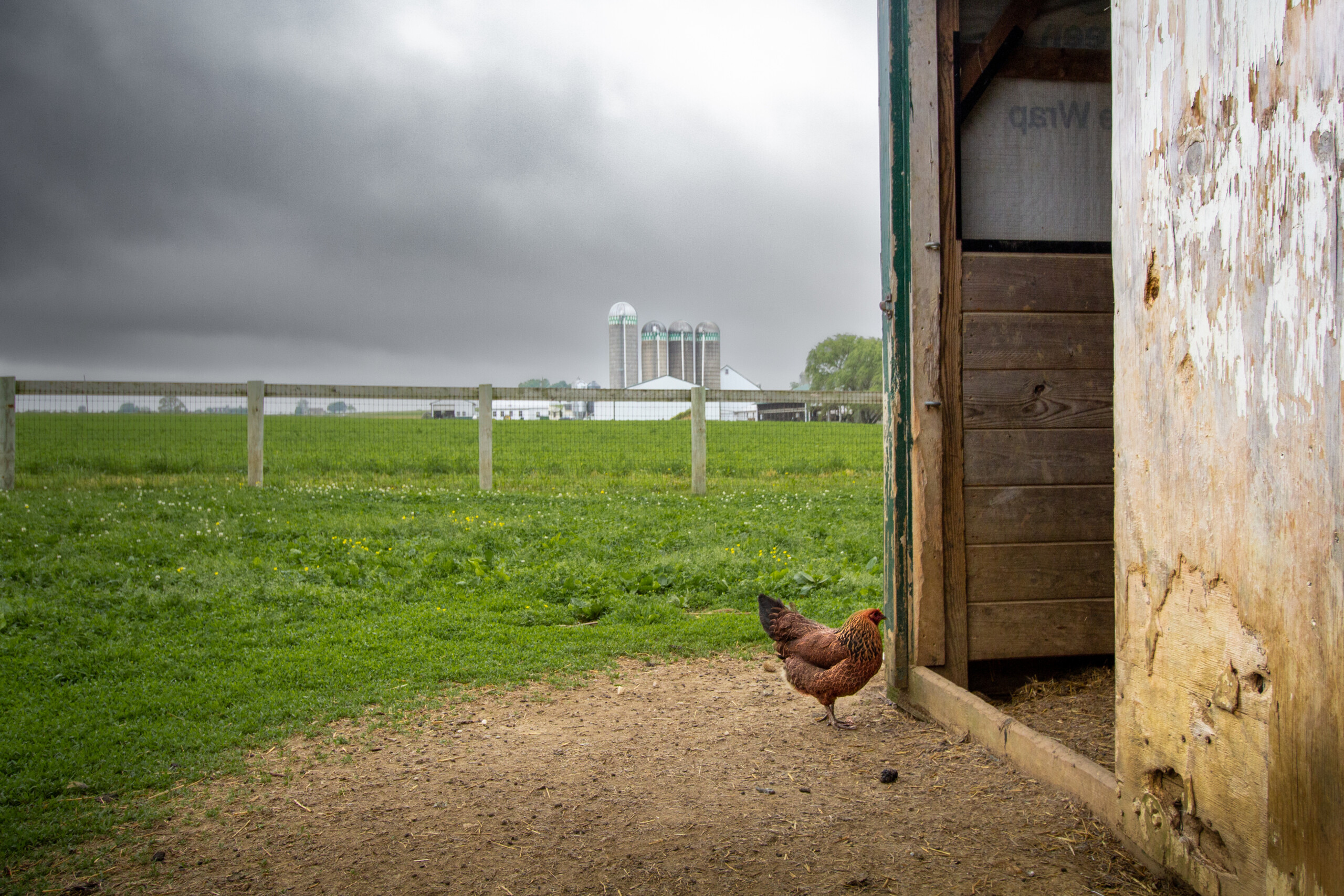
This expert resource provides information relevant for agriculture and other industries that are under increasing public pressure to reduce emissions of certain atmospheric gases. Explanations are given about greenhouse gases, carbon footprints, reducing fossil fuel use, alternative energy sources, manure management and carbon credits. Knowing your carbon footprint or energy use can help poultry producers reduce the amount of energy they use and improve their bottom line.
|
-

The cumulative greenhouse gas (GHG) emissions from any human activity are commonly referred to as the carbon footprint. The Poultry Carbon Footprint Calculation Tool was developed and designed specifically for poultry production farms. The tool can be used to estimate the greenhouse gas (GHG) emissions from pullet, breeder, and broiler grow-out farms. This resource provides an overview for poultry producers on how to use the tool and gives recommended applications.
|
-

White striations in broiler breast meat tend to reduce customer confidence because severe white striping means that the cooked meat will be tougher than meat with low white striping. There is also higher fat content in meat with severe white striping. Consumers will not buy broiler breast meat with high fat and moderate to severe white striping because it is inferior in quality and nutritional value. This can cost the poultry industry significantly. Research has shown that this undesirable trait is particularly prevalent in broilers that have grown to a high body weight over a short period of time. Further research is needed to develop growing and feeding regimens to produce a heavier bird without changes in muscle quality, such as white striping.
|
-
Amino acids are essential building blocks of proteins and are obtained from plant and animal products. Some amino acids can be synthesized by the chicken, while others (essential amino acids) must be supplied in the diet. In organic poultry production, the sources of these essential amino acids must be organic. This publication compares the amino acid content, digestibility, and availability of organic soybean meal with conventional soybean meal.
|