Research and Education Centers (RECs) Resources
-

The University of Georgia evaluates short day onion varieties to determine their performance characteristics in standardized growing practices. Variety entries for the trial are submitted by participating seed companies. These trials are conducted at the Vidalia Onion and Vegetable Research Center located in Lyons, GA. There were 52 varieties entered into the 2021–2022 UGA onion variety trial.
|
-

This study looked at the relative availability of sulfur from various soil profile depths by growing onions on raised beds with differing depths to the claypan and varying sulfur content.
|
-

Understanding nitrogen requirements of onions at different growing stages is crucial to adequately manage N fertilizer applications and enhance fertilizer use while minimizing nutrient losses. In this study, the fertilizer N use efficiency of onions was investigated. The application of N fertilizer right after transplant is inefficient; targeting the periods of heavy vegetative growth and bulb initiation was most efficient in providing N fertilizer for onion plants.
|
-

The objectives of this study were to quantify the efficiency of field workers in transplanting Vidalia onions at an approximate population of 95,000 seedlings per acre and to verify the consistency of transplanting. The quality of transplanting varied widely among field workers, with issues such as seedlings lying on the ground, partially transplanted seedlings, and multiple seedlings in a single furrow. These inconsistencies can negatively impact plant population and uniformity.
|
-
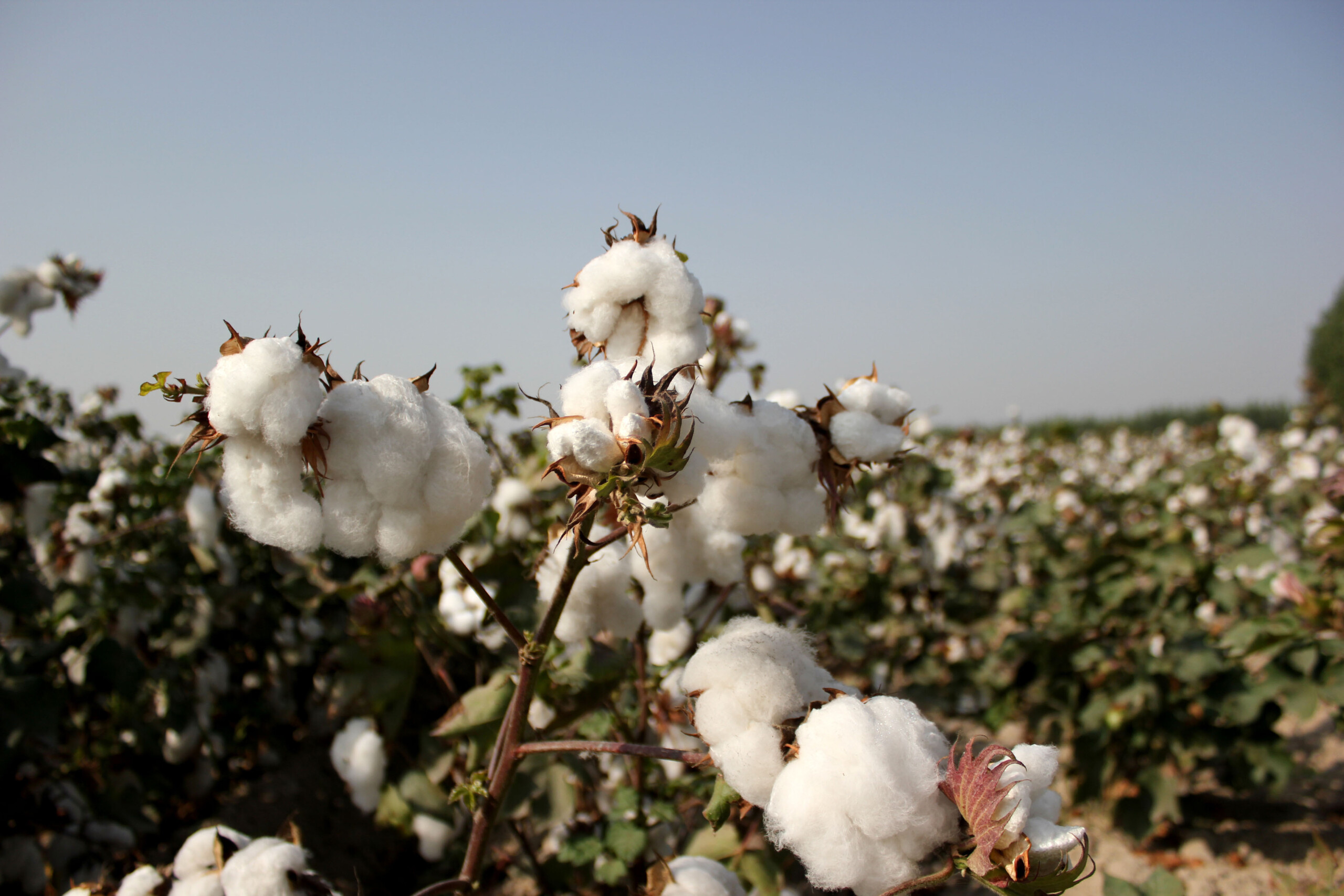
In 2010, the UGA cotton agronomists implemented this variety testing program. Our industry partners were asked to provide their most well-suited varieties for Georgia. Historically, the varieties evaluated in this trial have accounted for nearly 75% of the planted acreage in Georgia in the same year. These varieties were planted in replicated trials in growers’ fields throughout cotton-producing regions of Georgia, through coordination with the county Extension agents. The trials were managed and replicated by the grower with the assistance of the coordinating county agent to achieve realistic and statistically sound results.
|
-
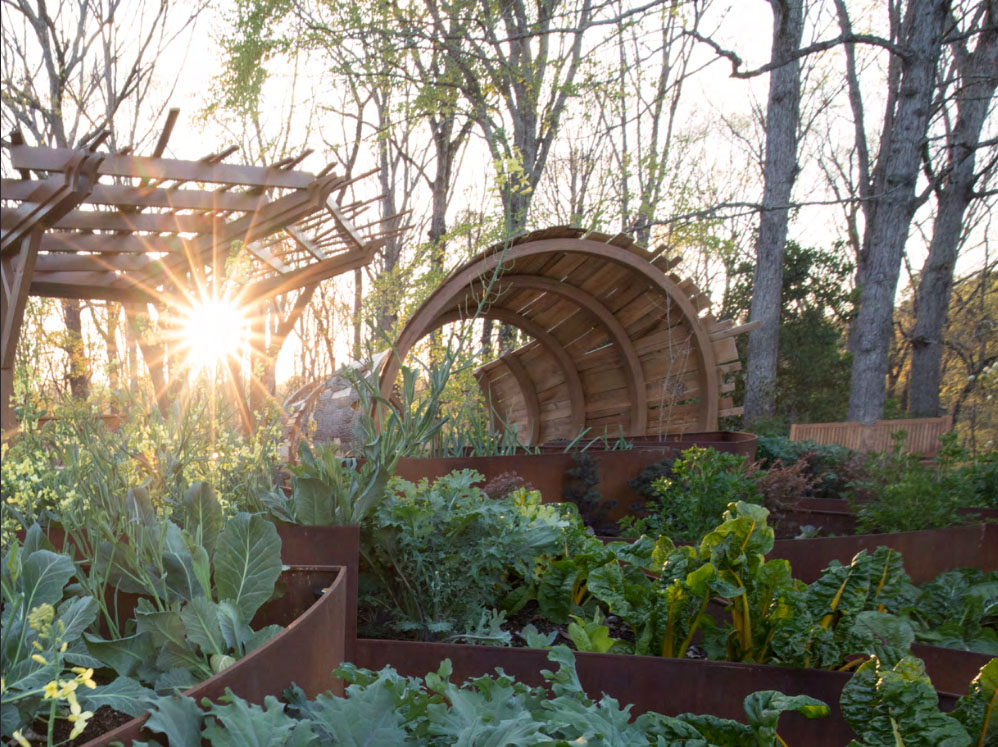
Summer management of the school garden can be a challenge for educators and school gardeners. This resource presents several possible strategies for handling the garden so that teachers and administrations come back to school in the fall with a garden ready for use.
|
-
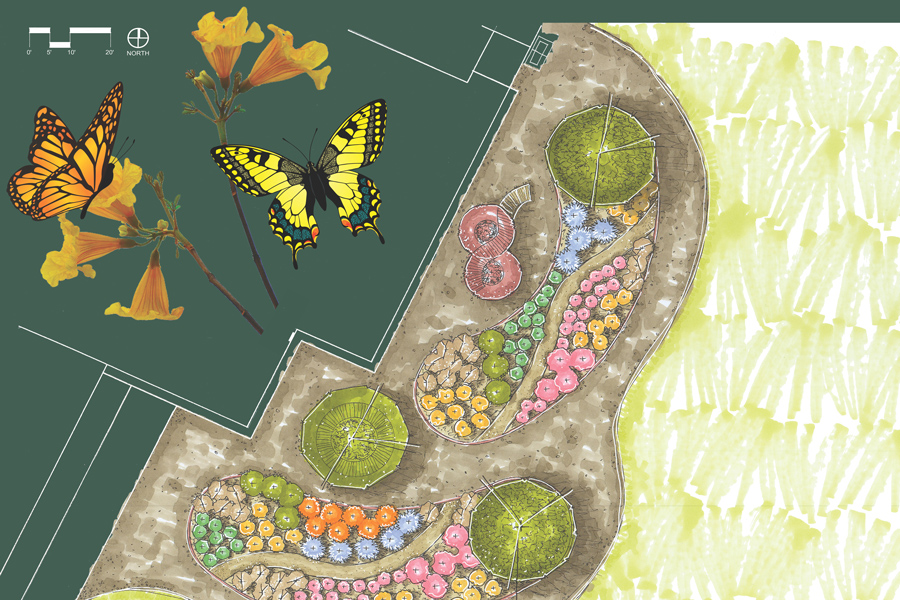
The lead author of this publication is Katherine Melcher, College of Environment and Design. The UGA Extension contact for the publication’s content is Becky Griffin. Providing opportunities for youth to design their environment can increase their connection to everyday nature and increase their sense of empowerment. By combining ecology and design, garden design can also be a central piece in STEAM (science, technology, engineering, art, and math) education. This activity guide contains five chapters that explain the purpose of pollinator gardens, the design process, and the basic steps used to create a planting plan. The chapters are supplemented with activities to guide youth and other beginning designers through the process of creating a pollinator garden.
|
-
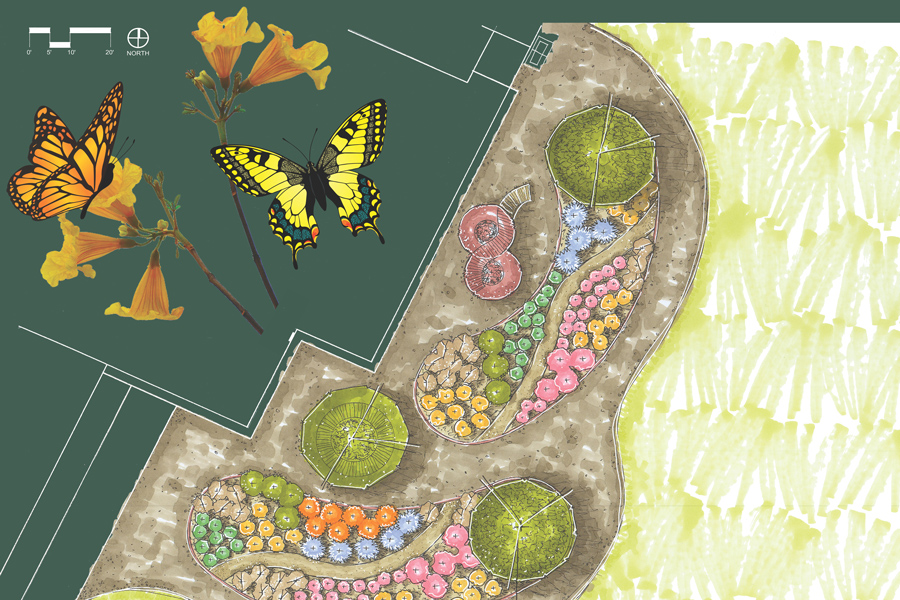
The lead author of this publication is Katherine Melcher, College of Environment and Design. The UGA Extension contact for the publication’s content is Becky Griffin. These appendices provide information about plants that grow well in Georgia’s Piedmont Ecoregion, as well as to-scale plant symbol and plant ID card templates for use in creating design plans.
|
-
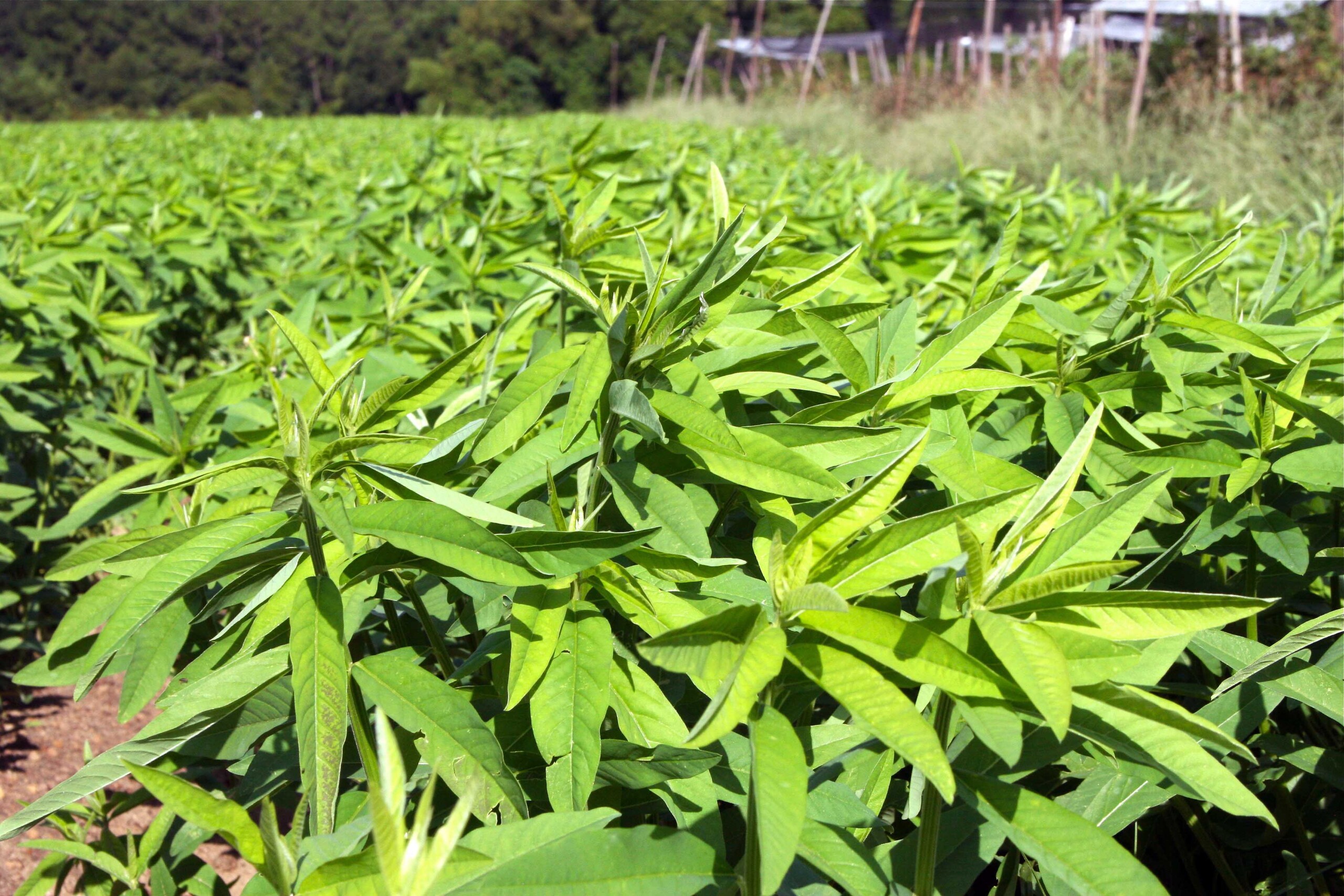
This publication is an introduction to growing industrial hemp for fiber production in Georgia. While not exhaustive, it outlines some of the major production challenges in growing this crop in the Southeastern U.S.
|