Shrubs Resources
-
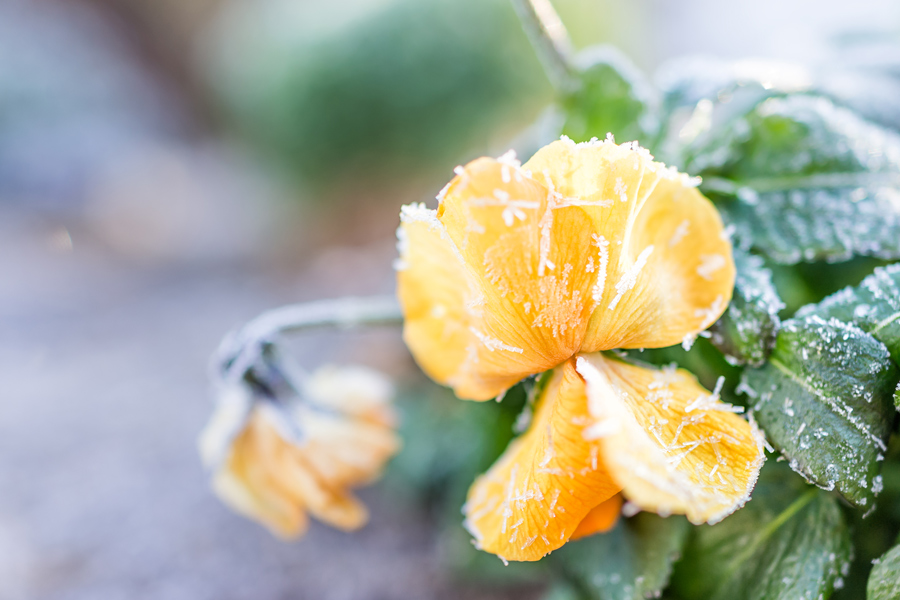
Cold damage to ornamental plants can be a problem during the winter in the Georgia landscape. Regardless of where you live, recommended practices can maximize the chances that your prized landscape plants will survive the winter.
|
-
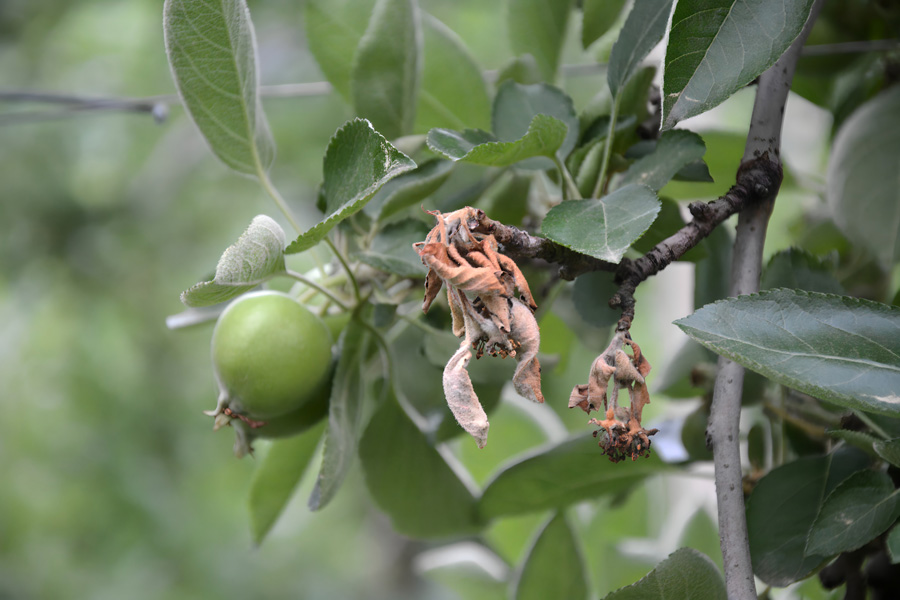
Fireblight is a destructive, highly infectious, and widespread disease. It attacks blossoms, leaves, shoots, branches, fruits, and roots. This publication has some facts and methods to avoid and control the disease.
|
-
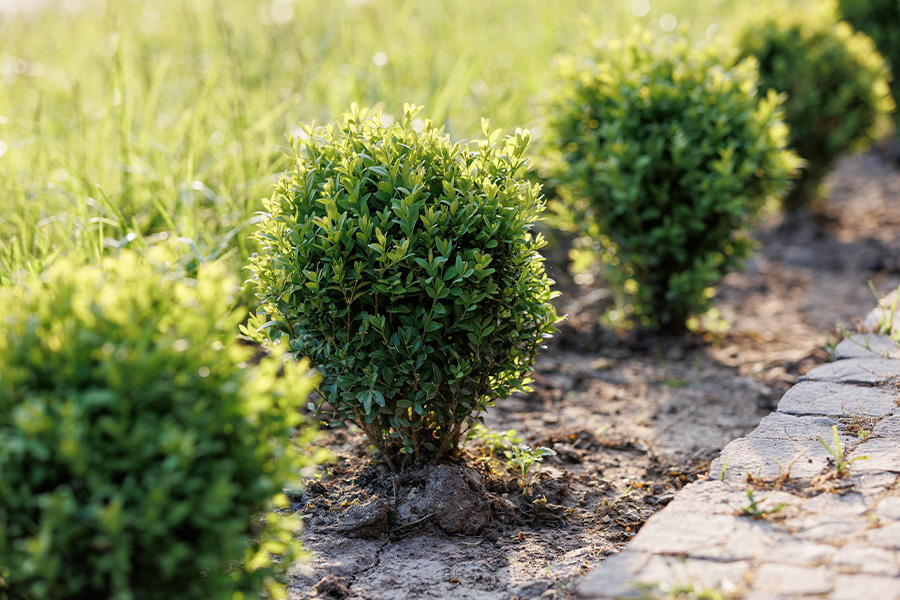
This resource provides alternative plants to replace boxwood in landscapes across Georgia. It includes information on new cultivars and cautions against the use of plants on the GA-EPPC invasive plant list, as well as species and cultivars affected by common pests and diseases.
|
-
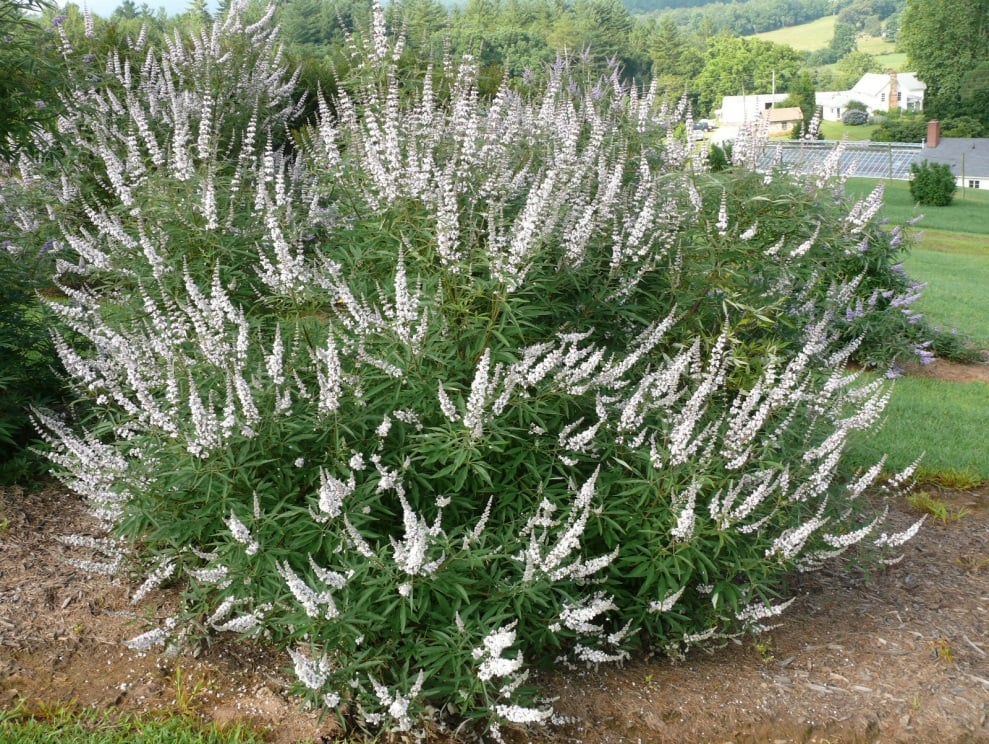
Chaste tree (genus Vitex) is an ornamental with many desirable qualities for the urban landscape. It is a deciduous shrub to small tree proffering violet flowers, which are a magnet for pollinators, fragrant foliage, and excellent drought and deer tolerance. It’s not surprising that it has been touted as one of the best plants for Georgia gardens.
There is always room for improvement on what nature provided, so the breeding team at the University of Georgia Department of Horticulture has spent years working to improve on this valuable ornamental, and they are ready to offer several great new plants: ‘Daytona Heat Danica Pink,’ ‘Daytona Heat Dale White,’ ‘Daytona HeatTM Petty Blue,’ ‘Pink Pinnacles,’ and ‘Little Madame.’ This publication highlights the features of these chaste trees.
|
-
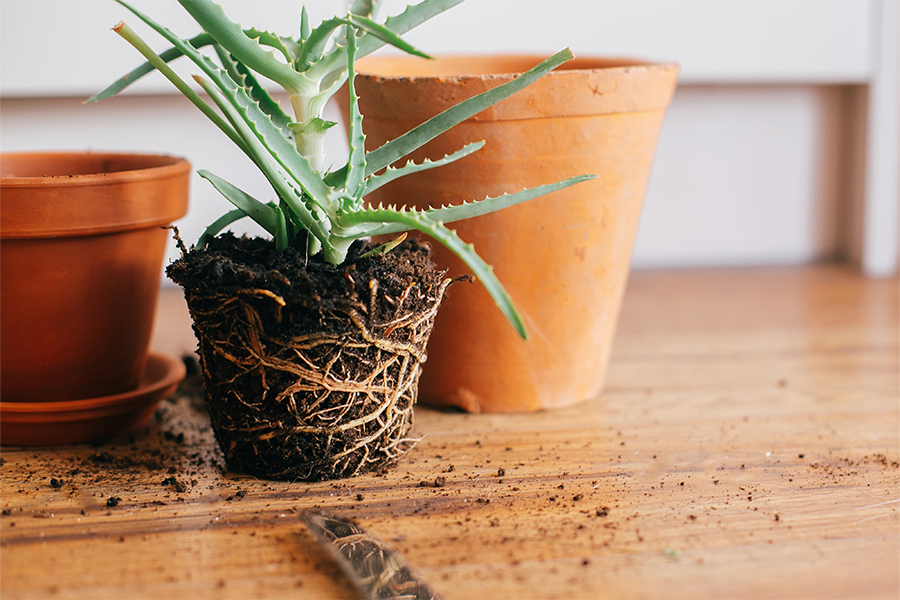
This publication describes the reasoning behind repotting, as well as container selection, drainage, positioning the plant on an appropriate soil base, examining and attending to root issues, potential root removal and/or redistribution, backfilling, protecting, and watering the plant upon completion of repotting.
|
-
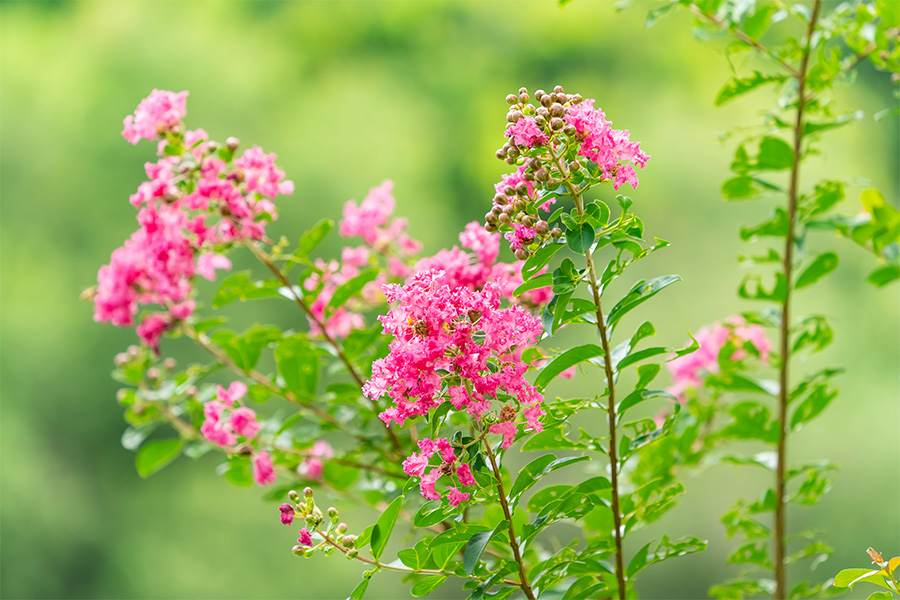
C 944
Crape Myrtle Culture
Crape myrtle is one of the most useful flowering shrubs/trees grown in Georgia. It provides abundant summer color with a minimum of maintenance.
|
-

Damage to perennial woody trees and shrubs caused by hurricanes or high wind events is often not initially apparent. In some cases, it can take months or even years to manifest, despite plants looking relatively healthy after initial inspection by growers and insurance adjustors. This publication describes common damage seen in perennial woody trees and shrubs after a hurricane or high wind event.
|
-
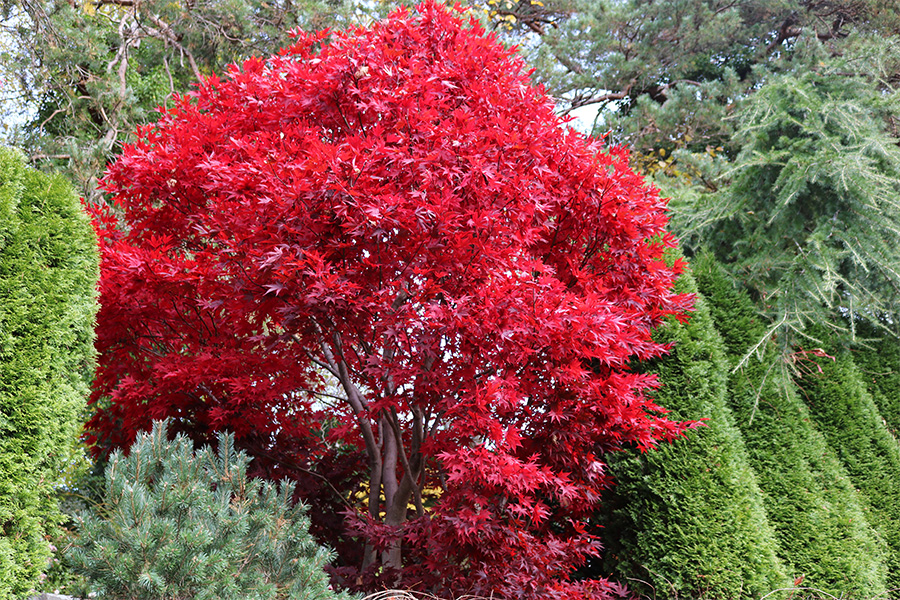
This resource will help you choose small trees and shrubs that can provide privacy from your neighbors, separation from a road with heavy traffic or a screen to hide unattractive areas.
|
-

Pruning is one of the most important cultural practices for maintaining woody plants, including ornamental trees and shrubs, fruits and nuts. Proper pruning requires a basic understanding of how plants respond to various pruning cuts. The principles and guidelines in this publication will help you master common pruning techniques.
|