Shrubs Resources
-
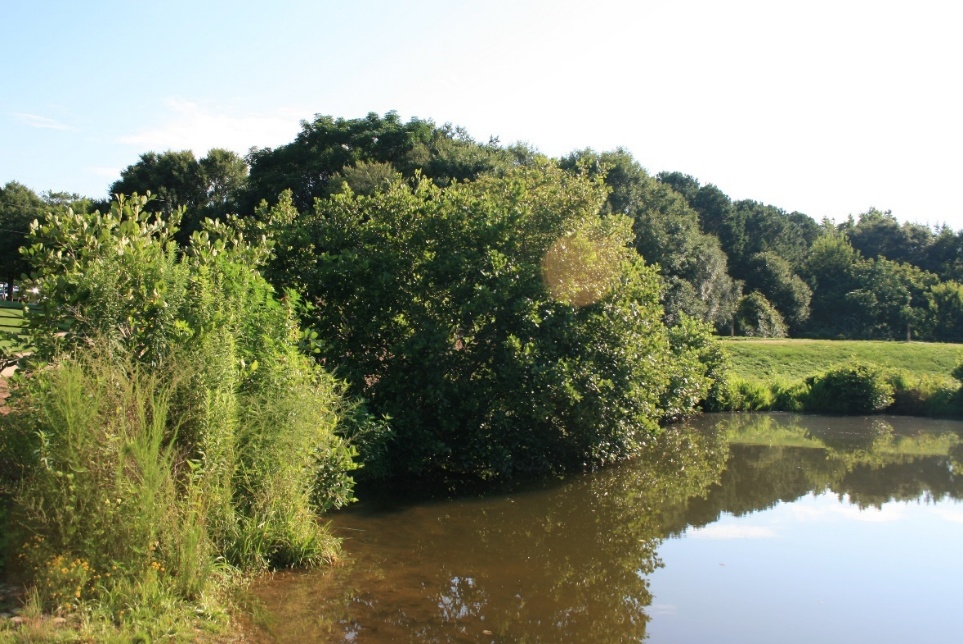
This resource explains how flooding and stormwater pollution affect waterways and how vegetation along the water reduces the negative impacts while improving aesthetics and water quality for fish habitats, recreational boating, appealing views, and property value. It provides guidance on planning, implementation and maintenance of riparian buffer vegetation, and a list of recommended plants.
|
-
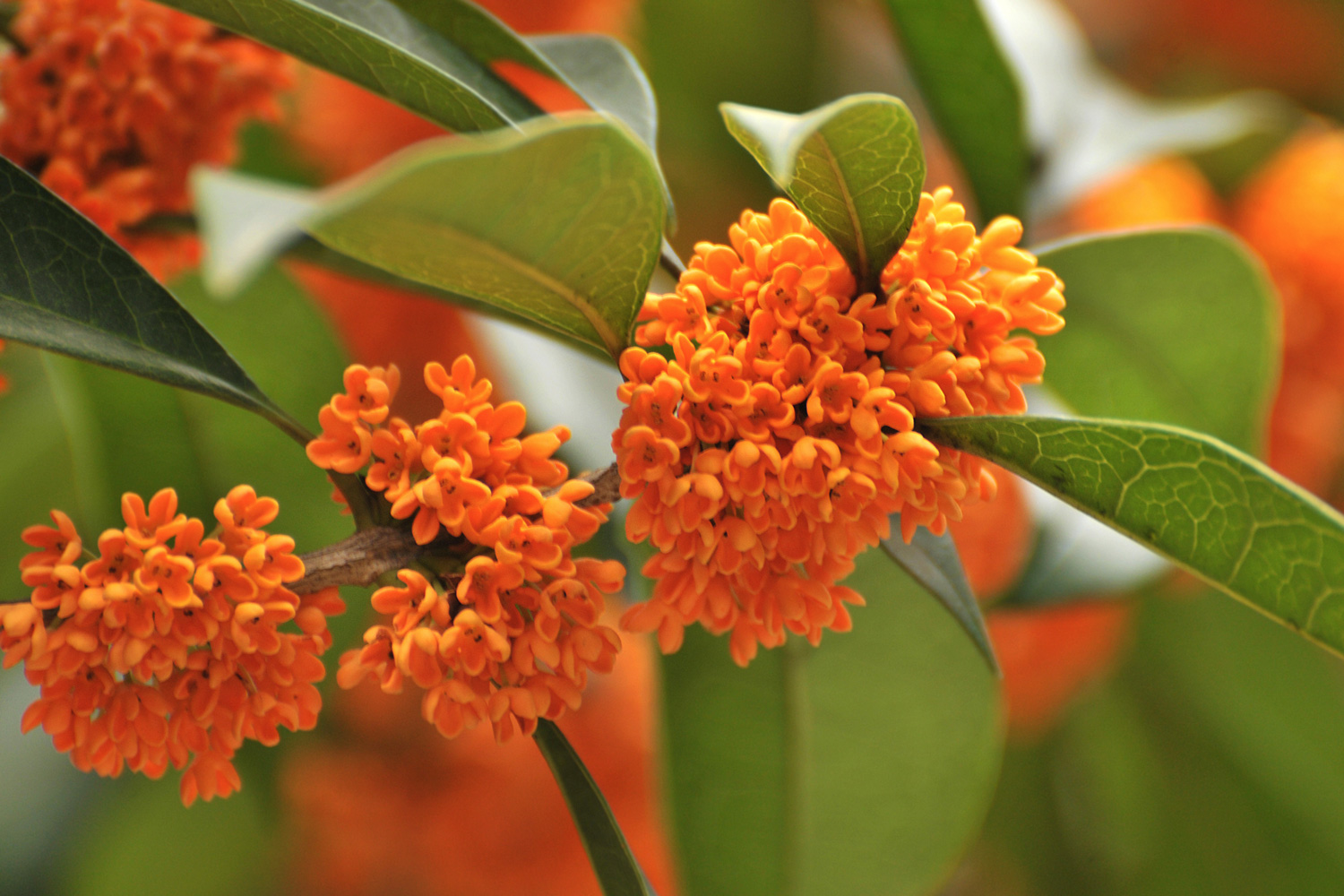
Sweet tea olives are woody, evergreen broadleaf shrubs or small trees that are widely produced in nurseries and used in landscapes because of their fragrant flowers and lower incidence of pests. This resource helps producers understand different propagation methods and how each works for sweet tea olives.
|
-

European hornets are widespread across much of the eastern United States. Native to Europe and Asia, they were accidentally introduced to North America in the mid-1800s. The European hornet is the largest species found in the United States and is particularly common in Georgia.
|
-
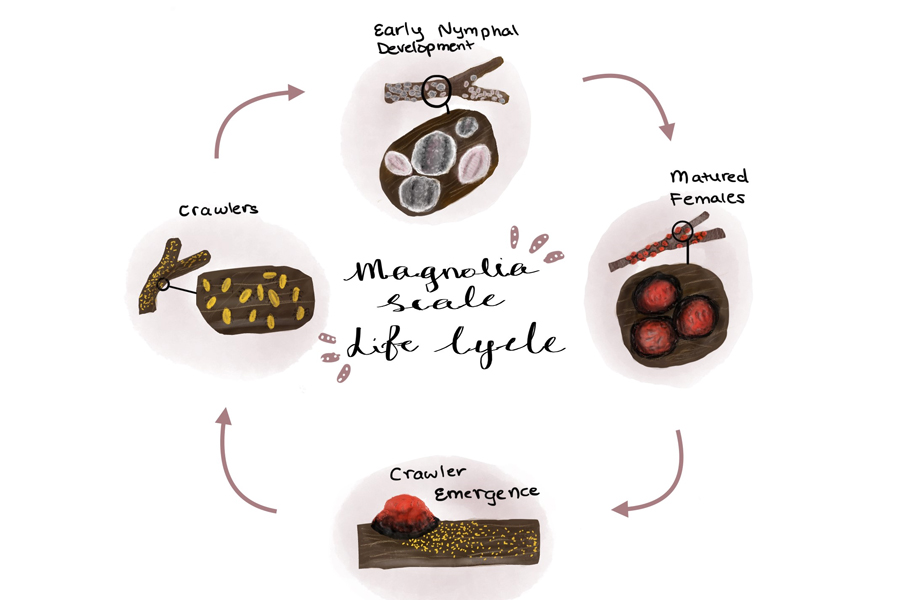
Magnolias, which are evergreen trees and shrubs, are a common landscape plant species in the southern U.S. Magnolia scale, native to the eastern U.S., is a serious pest of both native and non-native magnolias. Magnolia scale is found in 29 states in the U.S. and can reach the size of a human thumb, making it one of the largest scales in the country. It exclusively feeds on magnolias found in ornamental landscapes.
|
-
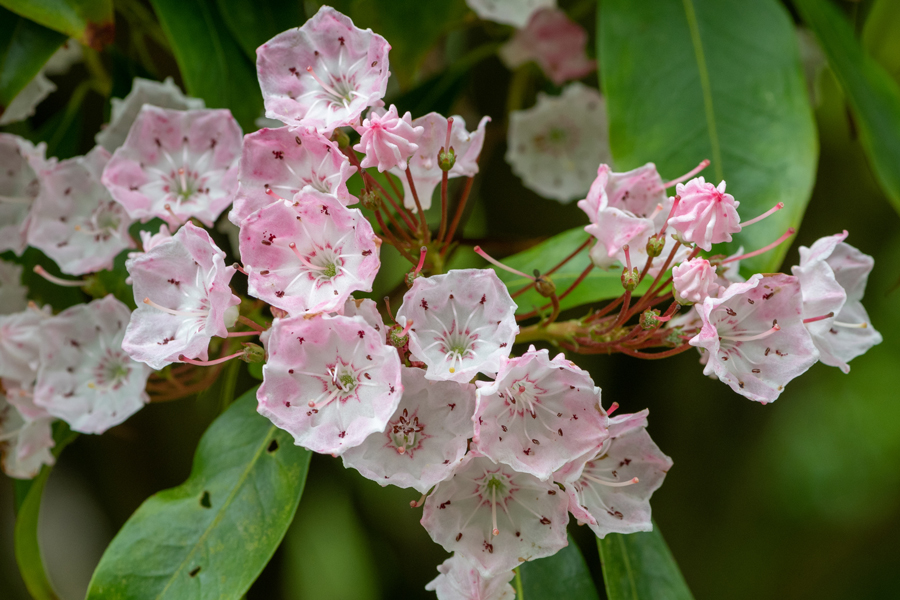
This publication includes a list of good plants for Georgia organized into various sizes and groups. The design qualities of plants—their form, size, color and texture—are emphasized according to the principles and requirements of good landscape design and plant maintenance. Hardiness and disease and insect resistant qualities are also considered.
|
-
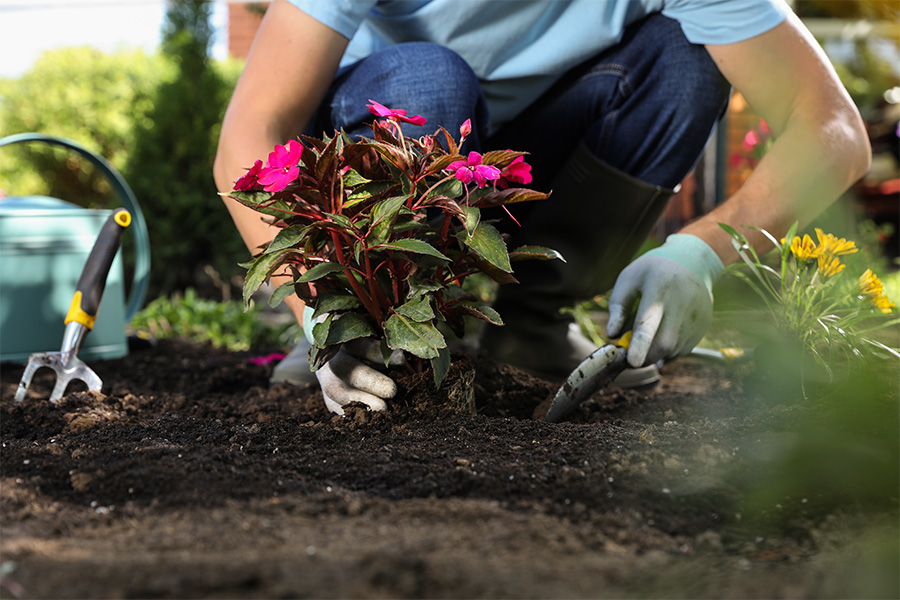
Proper planting is essential for healthy, vigorous growth of ornamental plants in the landscape. It assures rapid plant establishment by providing a favorable environment for the developing root system. This resource offers step-by-step guidelines that will help you achieve planting success.
|
-

This publication focuses on native trees, shrubs and woody vines for Georgia. It is not our intent to describe all native species — just those available in the nursery trade and those that the authors feel have potential for nursery production and landscape use. Rare or endangered species are not described. Information on each plant is provided according to the following categories: Common Name(s)/Botanical Name/Family, Characteristics, Landscape Uses, Size, Zones and Habitat.
|
-
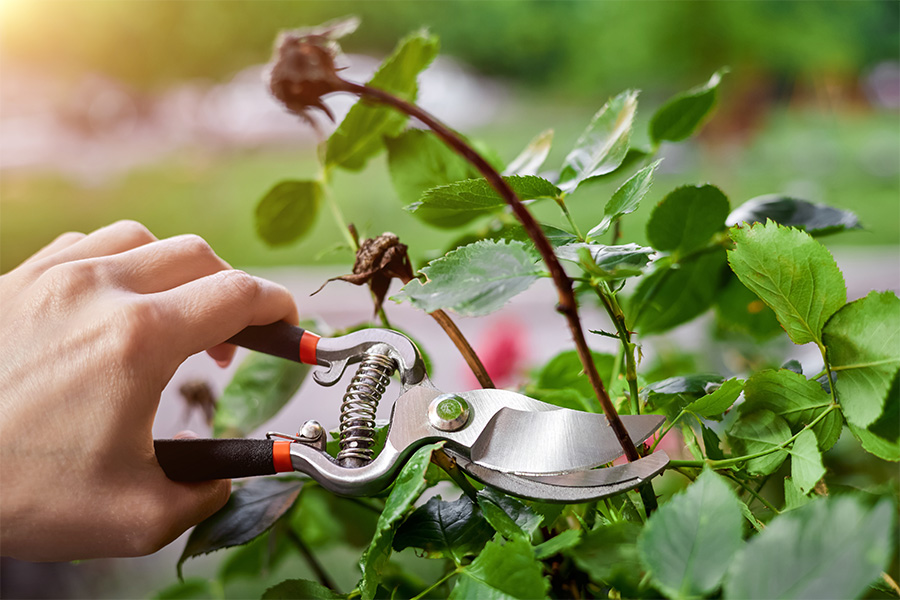
This resource provides guidelines for proper pruning that help you grow healthy vigorous plants and create lasting landscape beauty.
|
-

We can positively affect pollinator populations in our region by providing plants that help sustain them. Pollinators face the increasing challenges of habitat loss, parasite and disease pressure, and the unintended consequences of pesticide misuse. Bee forage plants can bloom season-long with careful plant selection appropriate to the region. A combination of herbaceous perennial and annual plants, trees, and shrubs can provide valuable resources to bees and other pollinators. Even grasses can be used by bees as a pollen source, while crape myrtles can provide a later season resource for pollinators. Anyone—from individual home gardeners to commercial and agricultural property managers—can promote pollinator health by selecting and planting appropriate plants. This guide provides options for selecting flowering woody plants that are attractive to bees and butterflies and sometimes have additional wildlife benefits.
|