Trees
-
C 945
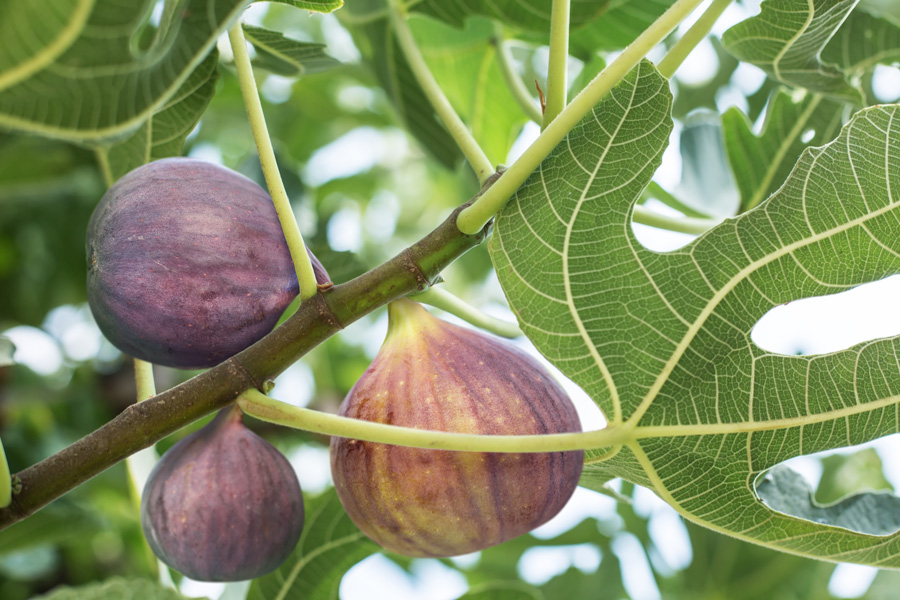
Home Garden Figs
This resource provides information on how to best grow figs in Georgia. Figs will do well in most parts of Georgia except the mountainous areas.
|
-
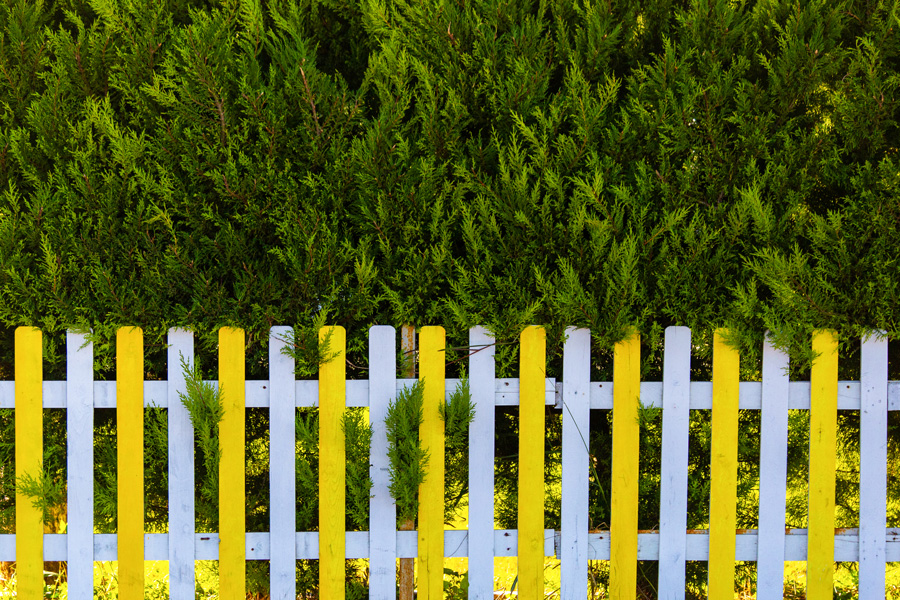
Leyland cypress has become one of the most widely used plants in commercial and residential landscapes across Georgia as a formal hedge, screen, buffer strip or wind barrier. Leyland cypress (x Cupressocyparis leylandii) is a graceful, rapidly growing evergreen tree that is adapted for growth within the 6-10a USDA hardiness zones. Leyland cypress is considered relatively pest-free; however, because of its relatively shallow root system, and because they are often planted too close together and in poorly drained soils, Leyland cypress is prone to root rot and several damaging canker diseases, especially during periods of prolonged drought. Disease management is, therefore, a consideration for Leyland cypress.
|
-
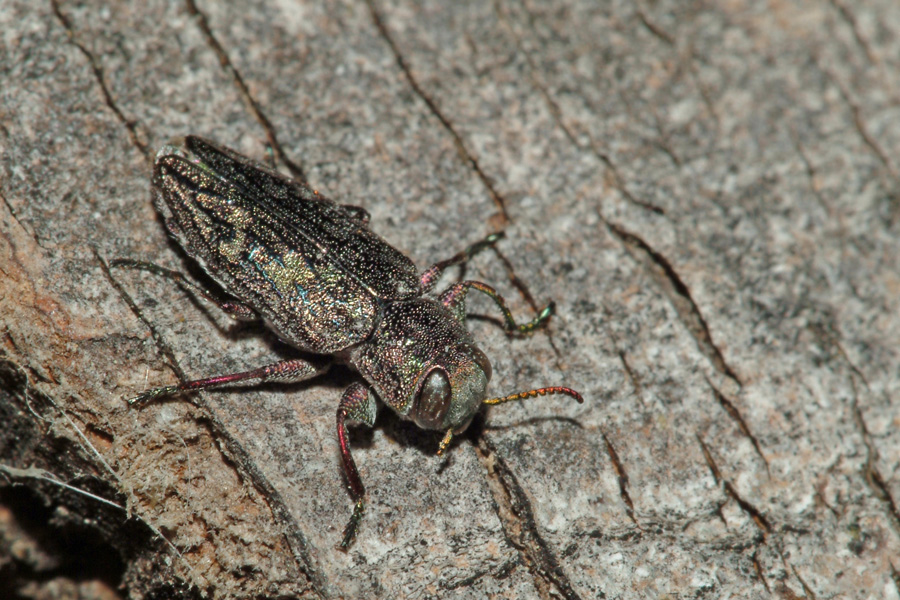
The flatheaded appletree borer is a polyphagous pest—so called because it feeds on multiple tree species—native throughout North America. Flatheaded appletree borers impact specialty crops such as fruit, nut, and ornamental trees. Nursery growers in Georgia face mild to moderate levels of infestation depending on the local beetle population size and favorable environmental conditions. Adult flatheaded appletree borers are metallic greenish-bronze and appear fattened in cross-section, which causes them to produce “D” or oval-shaped exit holes as they emerge from wood; these exit holes commonly are associated with buprestid beetles. The elytra or wing covers of flatheaded appletree borer adults have markings that appear as light-colored zigzagging bands. Larvae are cream-colored and have an enlarged, fattened thoracic segment behind the darker true head of the insect—this is what gives them the flatheaded name.
|
-
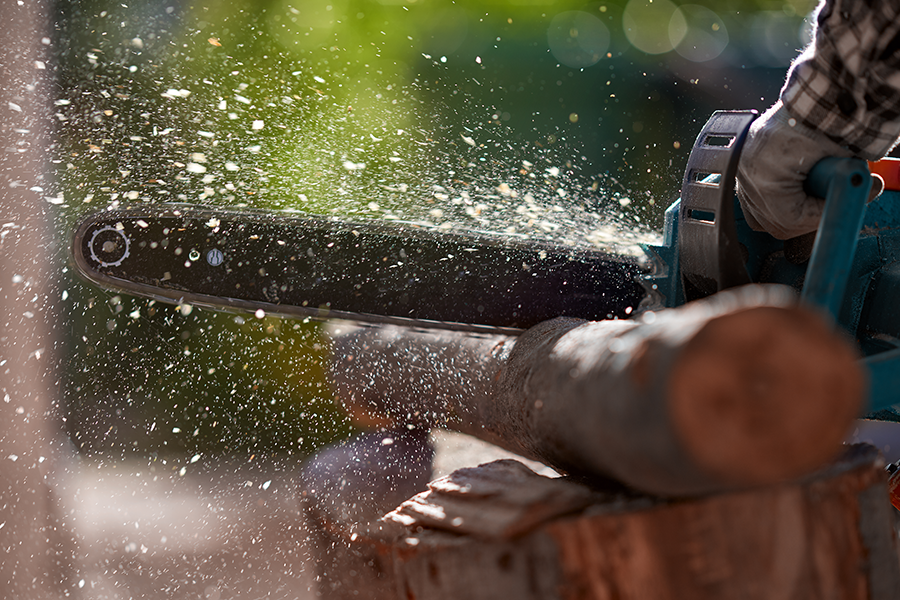
Accidents are common when felling a tree with a chainsaw. Fortunately, most of them can be prevented. Tips for preventing kickback, barber chair, entanglement, setback, and stump jump are presented in this publication, along with techniques for safely releasing spring poles.
|