Turfgrass Resources
-
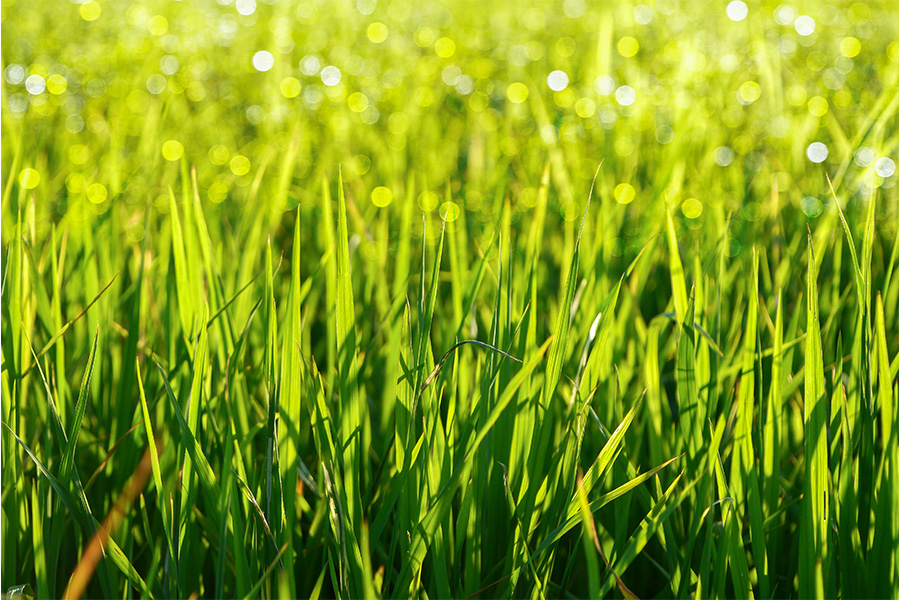
La bermuda es una planta perenne de estación cálida ampliamente utilizada para su uso como césped en el sudeste de los Estados Unidos.
[Although improved common (Cynodon dactylon (L.) Pers.) and hybrid bermudagrasses (Cynodon dactylon x C. transvaalensis Burtt-Davy) have desirable qualities as turfgrasses for heat, drought and wear tolerance, bermudagrass is a problematic weed when grown in mixed stands with other turf species. Selective control of bermudagrass is difficult but often warranted in order to maintain acceptable quality of the desired turfgrass species. This publication describes bermudagrass control methods for Southern lawns.]
|
-
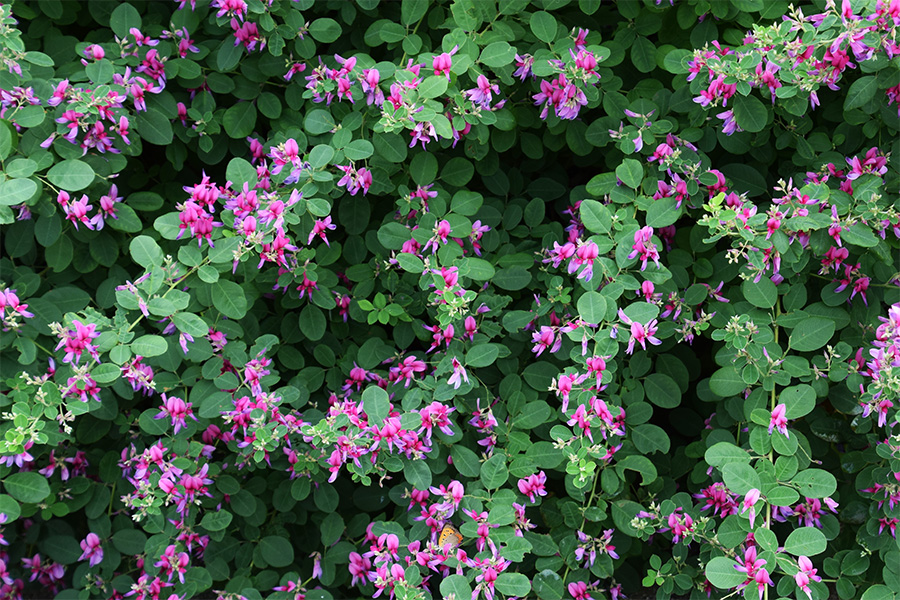
La lespedeza común (Kummerowia striata (Thunb.) Schind syn. Lespedeza striata) es una leguminosa anual de verano sin organización en sus ramificaciones, que es una maleza problemática en céspedes de jardines residenciales así como en otras áreas de césped.
[Common lespedeza (Kummerowia striata (Thunb.) Schind syn. Lespedeza striata) is a freely branched, summer annual legume that is a problematic weed in lawns and other turf areas. This publication describes ways to identify and control Lespedeza in turfgrass, including cultural control methods, preemergence herbicides and postemergence herbicides.]
|
-
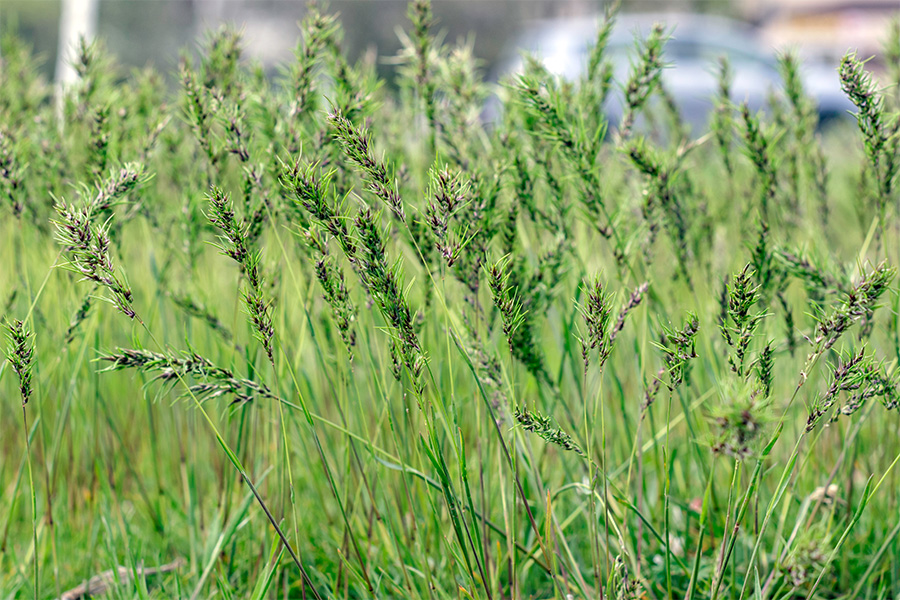
Annual bluegrass (Poa annua L.) is a problematic winter annual weed in residential turf. Compared to most turfgrasses, annual bluegrass has a lighter green color, coarser leaf texture and produces unsightly seedheads. Contrary to its name, both annual (live for one season) and perennial (live for many seasons) biotypes of annual bluegrass may be found in turf. This publication describes methods of control for annual bluegrass in residential turfgrass lawns.
|
-
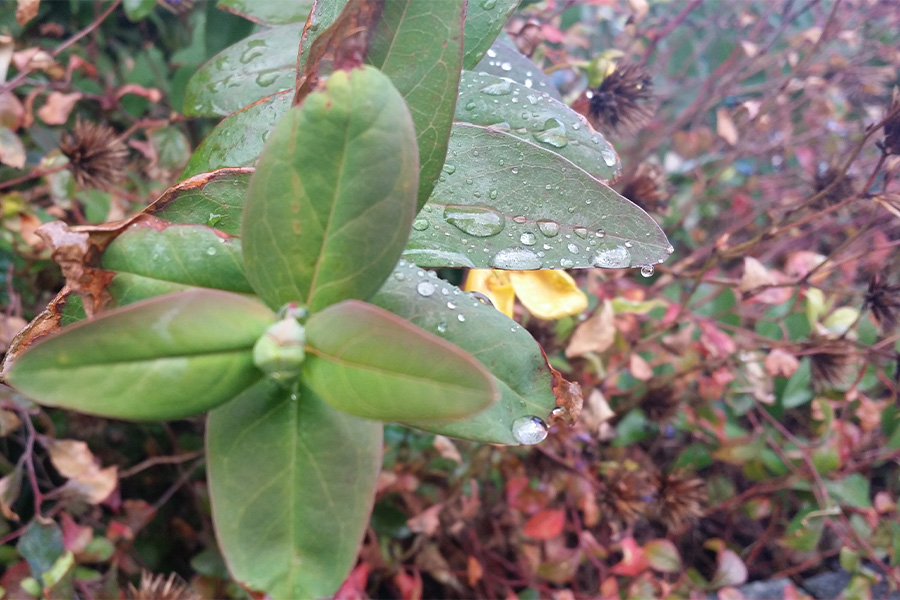
This publication discusses ways to identify and control Virginia buttonweed, a troublesome broadleaf weed in turfgrasses throughout the Southeast.
|
-
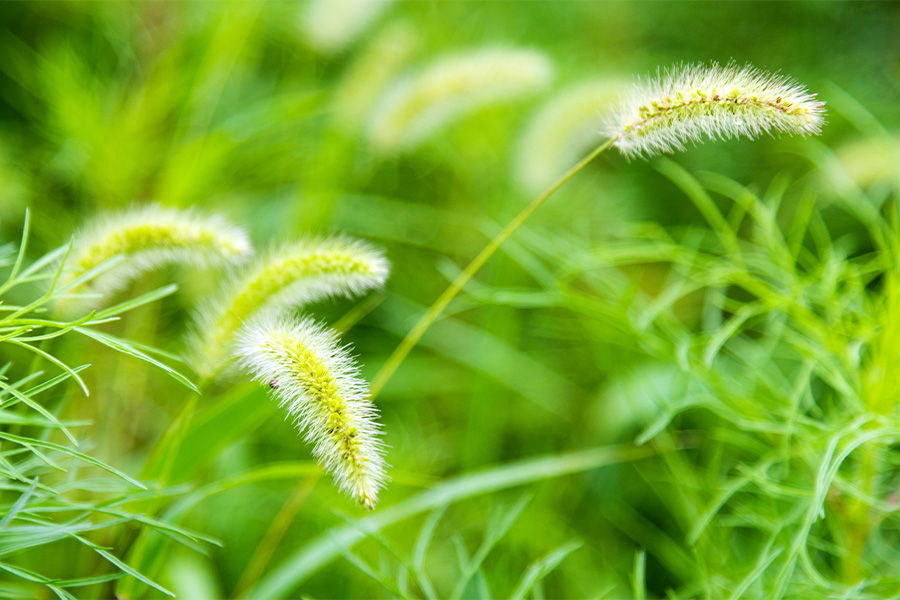
Foxtails (Setaria spp.) are invasive weeds in pastures and hayfields. The competitive growth of foxtails with pasture specie causes stand thinning and reductions in hay yields. Foxtails may be grazed in spring prior to inflorescence development. However, the production of seedheads is concerning in summer due to the sharp awns that can damage the gums of livestock. Hayfield growers are also concerned about the economic impact of foxtails on yield and hay quality. This publication discusses the identification of foxtail species along with cultural and chemical control options.
|
-
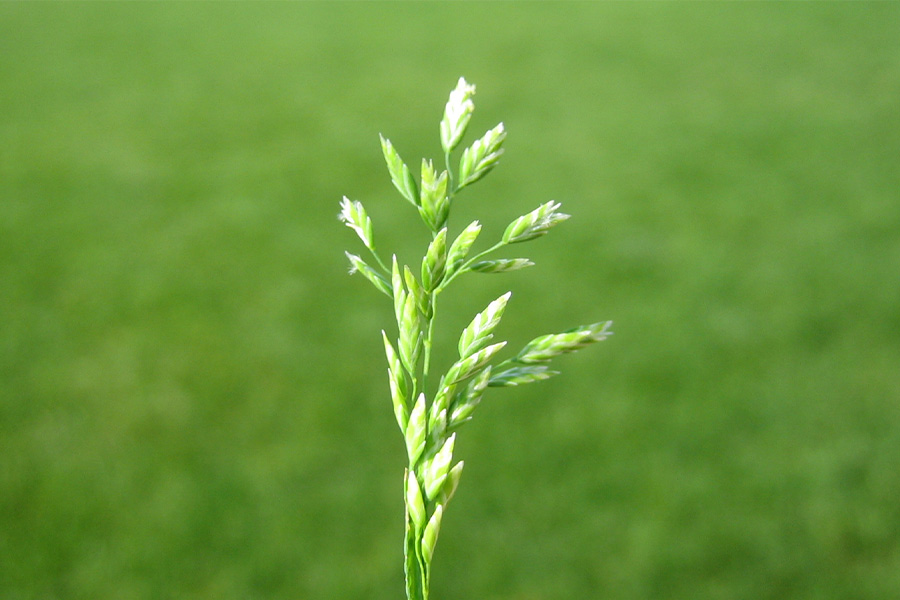
Annual bluegrass is the most problematic winter weed of lawns in Georgia. Plants have a light green color, coarse leaf texture, and produce unsightly seedheads. Annual bluegrass germinates in fall, overwinters in a vegetative state, and resumes active growth in spring. Annual bluegrass typically dies out by May in Georgia, but cool temperatures in spring and regular irrigation may extend survival of populations into early summer. This resource covers annual bluegrass identification, establishment, and cultural control for lawns. The development, detection, and control of herbicide-resistant annual bluegrass is also discussed.
|
-
AP 130-2-12
Green Industry 2024
1. 2023 was a good year for many green industry firms, but not as good as 2020–2022.
2. The unknowns going into 2024 include higher inflation and interest rates, mixed signals within the economy, increased input costs, and variability in the housing market.
3. Green industry sales in Georgia are projected to be lower than 2023 levels.|
-
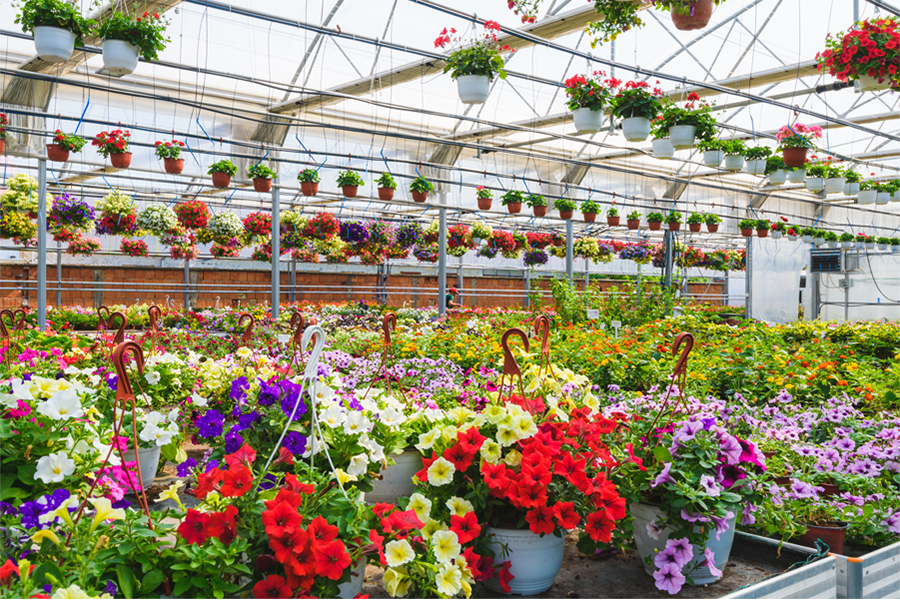
Georgia’s nurseries, greenhouses and turfgrass businesses are major contributors to Georgia’s growing economy, to the beauty of Georgia homes and businesses, and to a better quality of life. When used appropriately, the products and services provided by these businesses enhance the environment of their customers. Thus, it only makes sense that these businesses should use management practices that are not damaging to natural resources and the environment. This publication is one tool that green industry companies can use to evaluate their management practices and design strategies for environmental compliance and pollution prevention.
|
-

AP 130-1-12
Green Industry 2023
1. 2022 was a good year for many green industry firms, with many firms
seeing increased profits.
2. There are many unknowns going into 2023 that will impact green
industry sales, including higher inflation and interest rates, mixed signals
within the economy, and the impact of varying strength of the housing
market in Georgia.
3. Green industry sales in Georgia are projected to be similar to 2022 levels.|