Turfgrass Resources
-

Take-all root rot (TARR) has emerged as a destructive disease in central, south and coastal Georgia. TARR affects all warm-season turfgrasses in Georgia, but it is more common and severe in St. Augustinegrass (Stenotaphrum secundatum).
This publication contains important information on the biology of the causal agent, detailed descriptions of the disease symptoms (aided by high-quality, detailed pictures), relevant up-to-date information on conditions favoring the disease, and cultural, genetic and chemical methods of control. This publication is intended for turfgrass professionals, consultants, county faculty, homeowners, and general public.
|
-
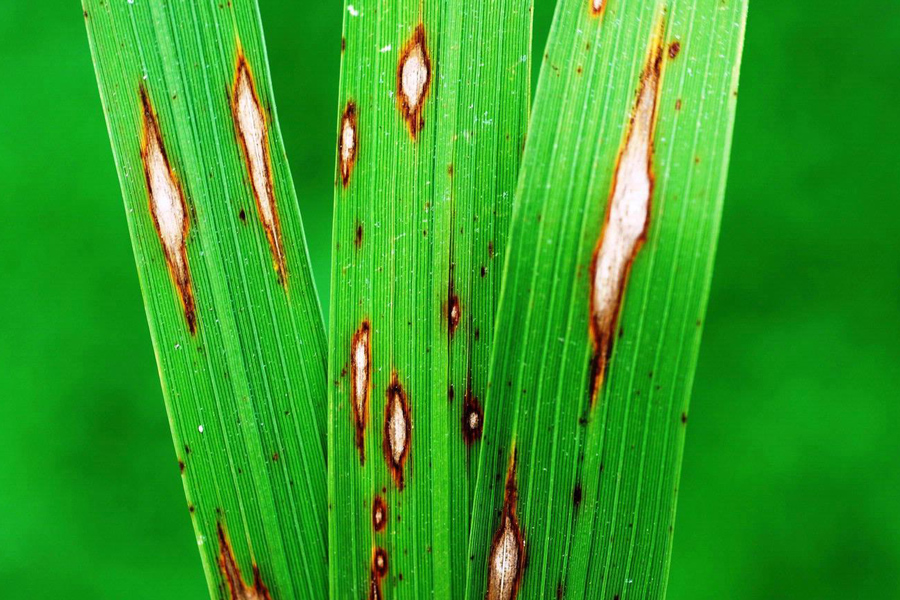
In the state of Georgia, gray leaf spot primarily affects St. Augustinegrass and is particularly chronic and damaging in the coastal area of the state. This publication contains important information on the biology of the causal agent, detailed descriptions and photos of the disease symptoms, information on conditions favoring the disease, as well as cultural, genetic, and chemical methods of control. The publication is intended for turfgrass professionals, consultants, county faculty, homeowners, and the general public.
|
-
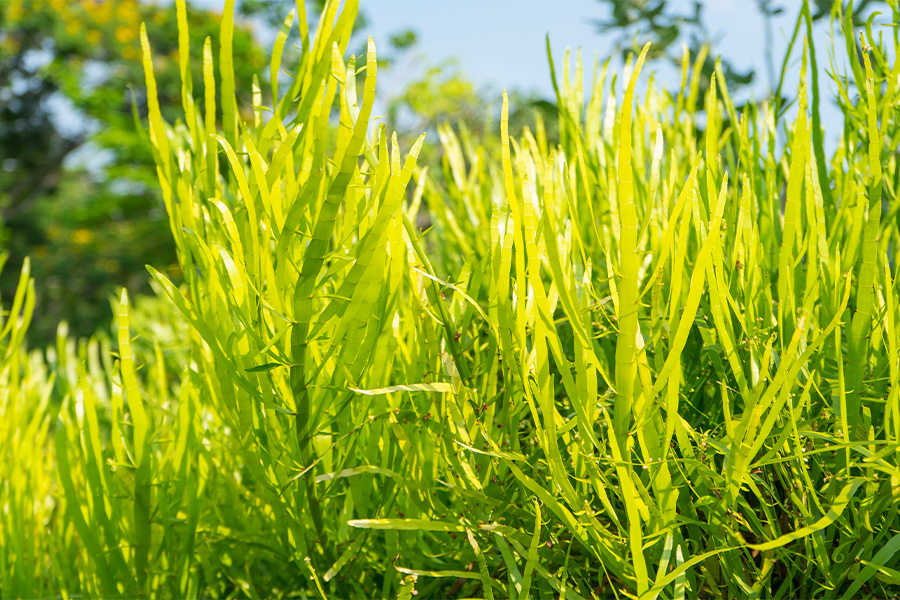
C 1003
Centipedegrass Decline
Centipedegrass is ideal for the homeowner who wants a lawn that needs little care. It can be established by either seed or vegetative parts and does not require much fertilizer. Compared to other lawn grasses, it is moderately resistant to insects and diseases. Although centipedegrass is a relatively low maintenance grass, proper management is still required.
|
-

Spring dead spot (SDS) is a persistent and destructive disease of bermudagrass (Cynodon sp.) in Georgia. The disease can be problematic on lawns, landscapes, golf courses (bermudagrass greens, tees and fairways) and sports fields. The disease is particularly prevalent and damaging in north Georgia, especially in the Piedmont region. However, SDS can be observed throughout the state after harsh winters and in areas where bermudagrass has been exposed to freezing temperatures for extended periods of time. The disease has also been observed in zoysiagrass, although less frequently. This publication explains how to identify and control Spring Dead Spot in lawns in Georgia.
|
-

Rhizoctonia large patch is the most common and severe warm season grass disease in Georgia and the United States as a whole. This publication contains important information on the biology of the causal agent; detailed descriptions of disease symptoms aided by high quality-detailed pictures; relevant, up-to-date information on conditions favoring the disease; and the cultural, genetic, and chemical methods of control. The content is intended for turfgrass professionals, consultants, county faculty, homeowners and general public.
|
-
La mancha larga causada por Rhizoctonia es una de las enfermedades mas comunes y severas de cespedes de clima calido en georgia y en los Estados Unidos. La publicacion contiene informacion importante en la biologia del gente causal, descripcion detallada de los sintomas de la enfermedad (con fotografias de alta definicion), informacion relevante y reciente en las condiciones que favorecen la enfermedad, asi como los metodos de control cultural, genetico y quimico. Esta publicacion es dirigida a profesionales, consultores, agentes de extension y publico en general.
|
-

The southern chinch bug, Blissus insularis Barber, is a serious insect pest of turfgrass, especially St. Augustinegrass, in Georgia. Bermudagrass, centipedegrass, and zoysiagrass are also attacked by southern chinch bug. They feed on grass using their piercing and sucking mouthparts. Affected turfgrass can form yellow to brown patches that are sometimes mistaken as indicators of disease or drought stress. Populations of southern chinch bug can build up at the edges of these patches at over 100 individuals per square foot, which can kill the affected grass. The development of southern chinch bug in the grass can easily go unnoticed because of their small size and dark-gray color, which blends in with thatch. This publication summarizes the biology, lifecycle and management options available for southern chinch bug in Georgia.
|
-

Sod webworms are a serious pest of turfgrass in Georgia. There is limited information available to the green industry and the public about the general biology, ecology, and management of this pest. This publication includes photos of sod webworms, their life cycle, and management options so that landscape industry professionals and homeowners can learn about the pest sufficiently to manage it.
|
-

Johnsongrass (Sorghum halepense) is a warm-season perennial weed in pastures and roadsides throughout central and northern Georgia. Populations may germinate from seed in spring after overwintering in the soil. However, Johnsongrass primarily emerges from dormant rhizomes in areas with a history of infestations. Rhizomes are belowground stems that produce daughter plants and storage reserves for new growth in spring. The persistence of Johnsongrass is primarily associated with extensive rhizomatous growth that enable populations to spread laterally and dominate areas by preventing desirable species from flourishing.
|