Turfgrass Resources
-

Turfgrass stands can be injured and damaged by biotic (living) and abiotic (non-living) agents. Most abiotic diseases cause generalized symptoms such as wilting, yellowing, thinning and the development of smaller than normal grass blades, limited root growth or slow growth. Based solely on symptoms, however, determining whether the condition is caused by a biotic or an abiotic agent can be challenging. In many cases, a proper diagnosis of abiotic diseases requires thorough examination of the site, knowledge of relevant past and present environmental conditions, in-depth knowledge of plant species biology, site management history, and an orderly series of tests to determine possible causes.
|
-

Los céspedes pueden ser atacados por agentes bióticos (vivientes) y abióticos (no-vivientes). Los agentes bióticos incluyen patógenos (hongos, bacterias, virus, citoplasma etc) y plagas como nematodos, insectos, ácaros, moluscos y vertebrados (roedores, pájaros etc.). Los factores abióticos incluyen: condiciones climáticas como las temperaturas extremas, el exceso o deficiencia de agua, luz o nutrientes, suelo compacto, sequía, estancamiento de agua y/o prácticas de cultivo adversas. Estos factores pueden ser el resultado de una interacción que ha existido por un periodo largo de tiempo entre la planta y uno o más factores como la falta de espacio para un crecimiento radicular óptimo, la presencia de niveles crónicos de contaminantes del aire o agua.
|
-
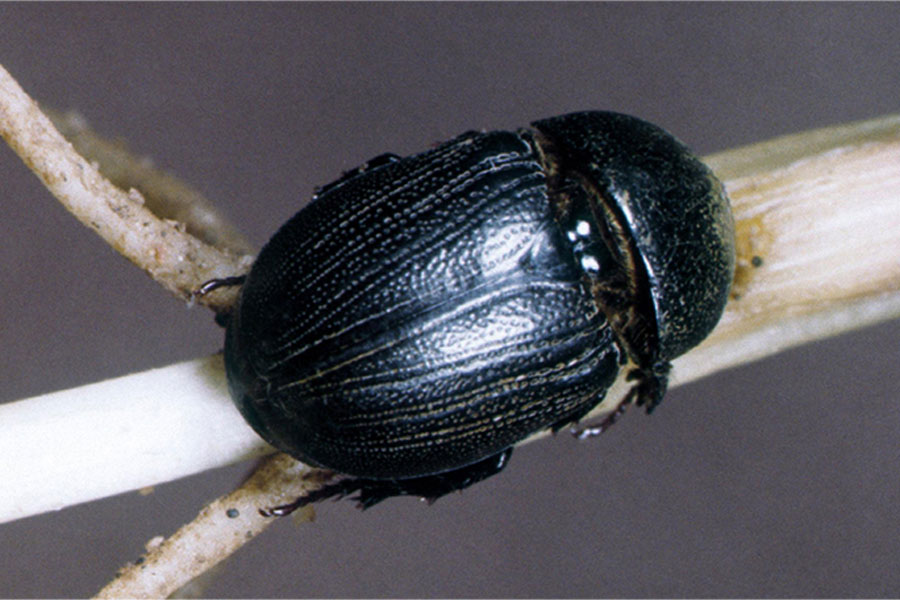
The sugarcane beetle has been a significant pest of many crops, including sugarcane, corn, sweet potato, and rice, for more than 100 years. It is a native species commonly found in turfgrass. While low numbers of beetles in an area generally are not regarded as pests, increasing numbers of adult beetles have been causing damage to turfgrass stands throughout the Southeastern U.S.
|
-

This biennial publication contains the proceedings of the turfgrass field day carried out at the UGA Griffin campus every other year; 2022 was the first field day since the 2018 field day because of the COVID-19 pandemic. The guide provides professionals with continuous, real-time access to the latest up-to-date information about turfgrass research studies, products, and turfgrass Extension activities, programs, and outreach. Topics will include, but are not limited to: crop and soil science, agronomy, weed science, plant pathology, entomology, economics, tissue culture, urban agriculture, irrigation, and student posters.
|
-
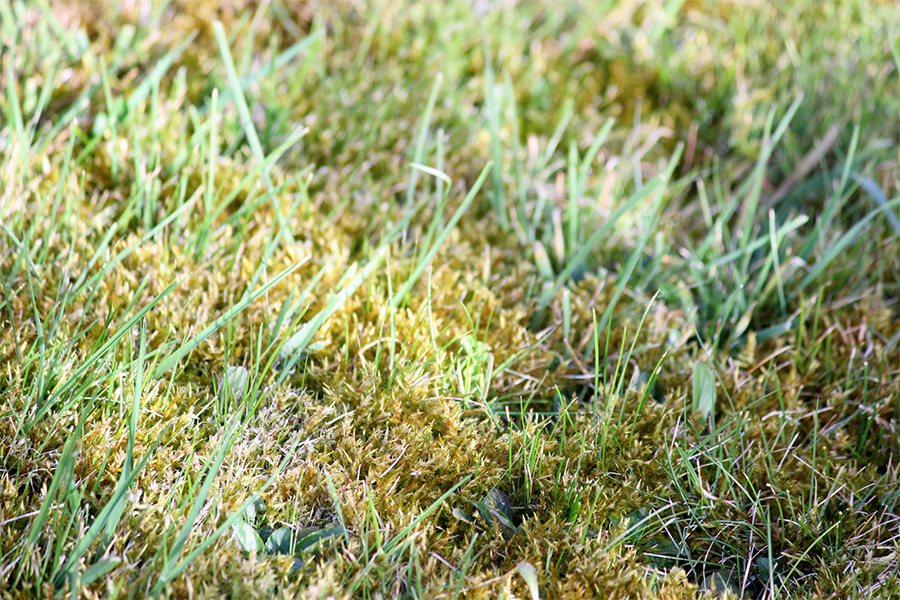
Occasionally, turfgrass areas begin to thin out and moss and algae start to form. These primitive plants develop because conditions for growing dense, healthy turf have declined. This publication gives you preventive practices and chemical suppression tips for controlling moss and algae in turf.
|
-

This publication is a monthly guide for professional managers of commercial, recreational, municipal, institutional or private grounds in Georgia.
|
-
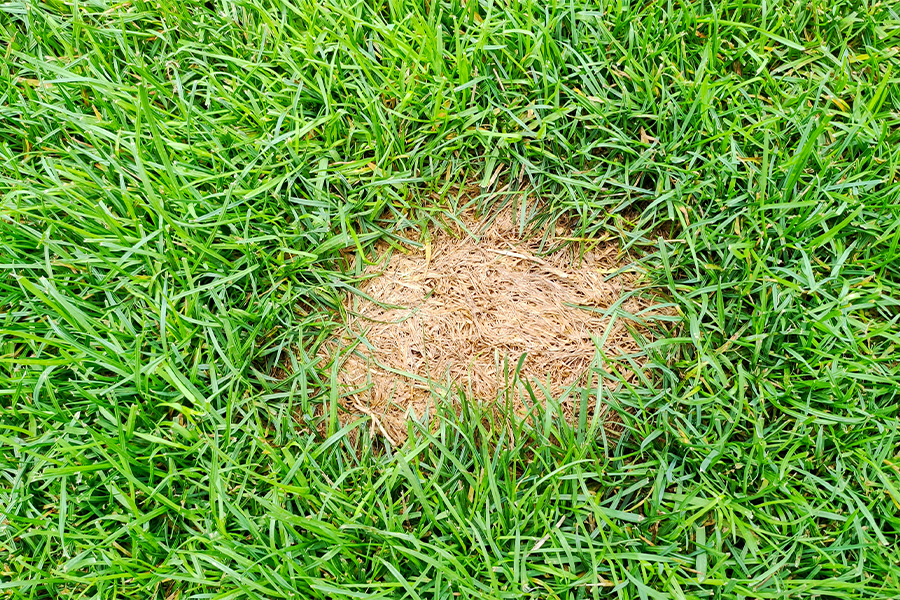
A handy reference for the causal agents, susceptible turfgrasses, conditions promoting disease, symptoms, and control of: brown patch, dollar spot, Pythium, Helminthosporium leaf spot, fading out, gray leaf spot, fairy ring, take-all root rot, rust, slime mold, and nematodes.
|
-

Agente causal, céspedes susceptibles,condiciones que promueven la enfermedad, síntomas y control de mancha parda, mancha dólar, quemazón por Pythium, mancha foliar por Helminthosporium, marchitamiento por Curvularia, mancha foliar gris, anillo de hada, enfermedad toma-todo o pudrición radicular por Gaeumannomyces, roya, hongos gelatinosos y nematodos.
|
-

El mal del pie es una enfermedad destrcutiva en la region central, sur y costera de Georgia. EL mal del pie afecta todos los cespedes de clima calido en Georgia pero es mas severo en el cesped San Agustin (Stenotaphrum secundatum). La publicacion contiene informacion importante en la biologia del gente causal, descripcion detallada de los sintomas de la enfermedad (con fotografias de alta definicion), informacion relevante y reciente en las condiciones que favorecen la enfermedad, asi como los metodos de control cultural, genetico y quimico. Esta publicacion es dirigida a profesionales, consultores, agentes de extension y publico en general
|