Vegetables Resources
-
C 1206
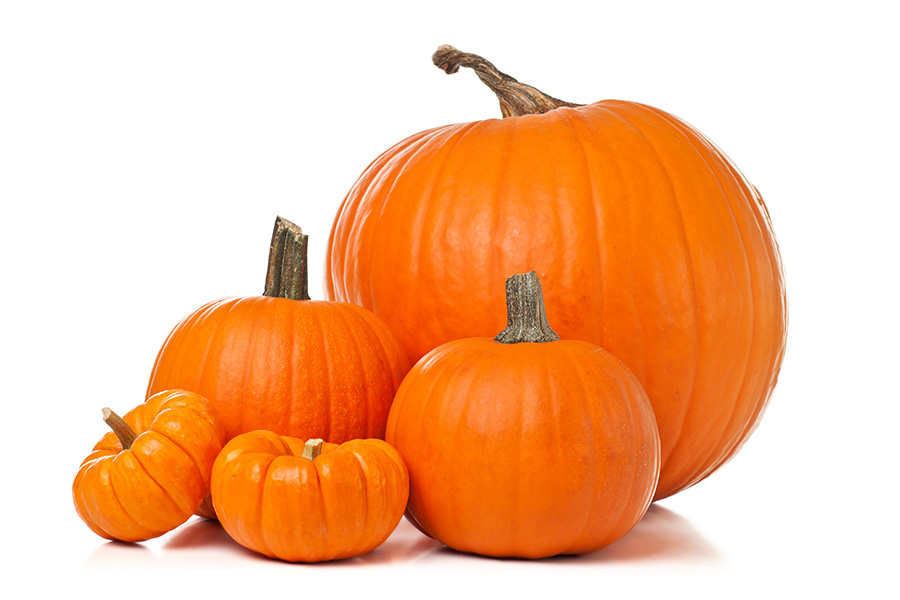
Homegrown Pumpkins
While pumpkins are edible and grown for both their flesh and seeds, they are more commonly used as fall decorations. This member of the cucurbit family can be found in a variety of shapes, sizes, and colors. While pumpkins are not very difficult to grow, they do require a substantial amount of space for their sprawling vines. Selecting the right cultivar and following good cultural practices are key to successfully growing pumpkins.
|
-
SB 48-06
Home Fungicide Guide
This section of the Home & Garden Edition covers fungicides for use in and around your home. Beginning in 2022, the Home & Garden Edition has been updated biennially. When purchasing a product based on a first-year recommendation of the Handbook, check the current product label before purchase to be sure it is still labeled for the use for which you are buying it. For pesticide products you have on hand from earlier purchases, you are allowed to use them until they are depleted without penalty under the law. Always follow label instructions before use. Contact the product’s manufacturer for the most up-to-date label.
|
-
SB 48-12
Vegetables
This section of the Home & Garden Edition covers insect, weed, and disease control in home garden vegetables. Beginning in 2022, the Home & Garden Edition has been updated biennially. When purchasing a product based on a first-year recommendation of the Handbook, check the current product label before purchase to be sure it is still labeled for the use for which you are buying it. For pesticide products you have on hand from earlier purchases, you are allowed to use them until they are depleted without penalty under the law. Always follow label instructions before use. Contact the product’s manufacturer for the most up-to-date label.
|
-
C 1026
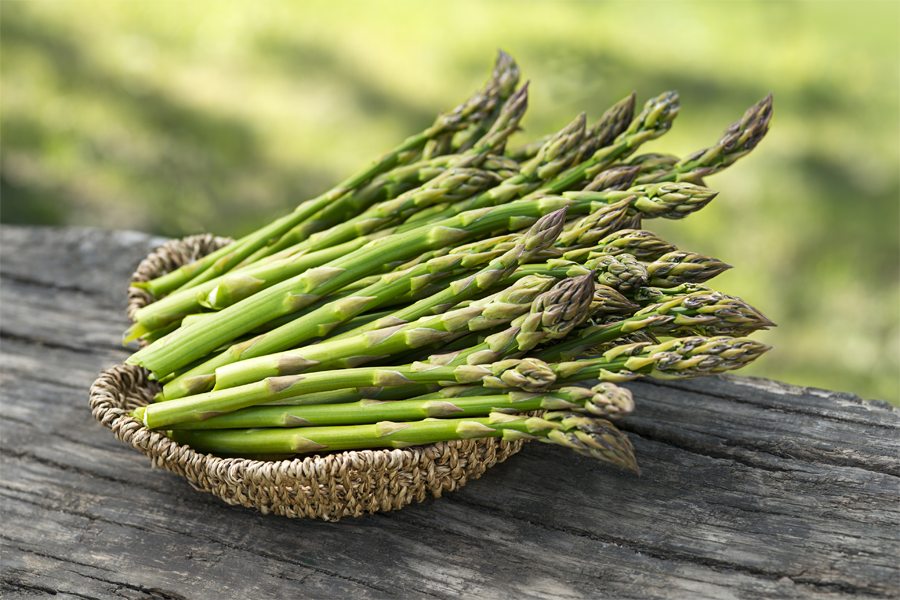
Home Garden Asparagus
For gardeners who are willing to put in a little effort and have some patience, asparagus can be a rewarding and delicious vegetable to grow. This publication explains how to grow asparagus in a home vegetable garden.
|
-
C 1258
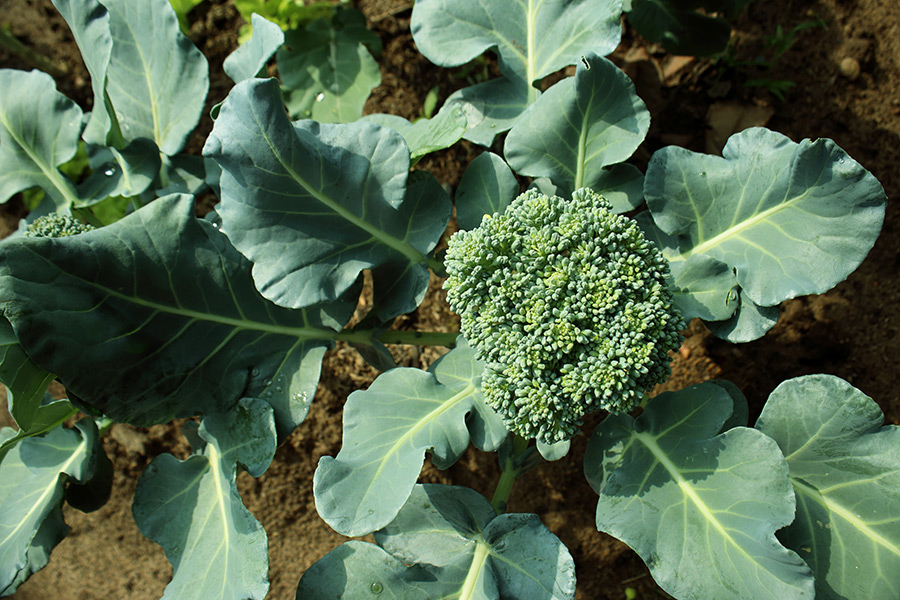
Fall Vegetable Gardening
This publication covers fall vegetable production including planting dates, spacing, general culture of cool-season vegetables planted in Georgia in the fall. Many people consider the end of summer to be the end of gardening season. However, there is a whole other world of vegetables that can be planted in the fall garden in Georgia. Temperatures are milder, and there generally are fewer insects and diseases to contend with when planting in the fall. Cool-season vegetables are ironically planted in the late-summer heat, but thrive as they mature during cooler temperatures as the season progresses. Whether you choose to plant only a cover crop or to try your hand at some cool-season vegetables, planting for the fall growing season will keep your garden productive all year long.
|
-
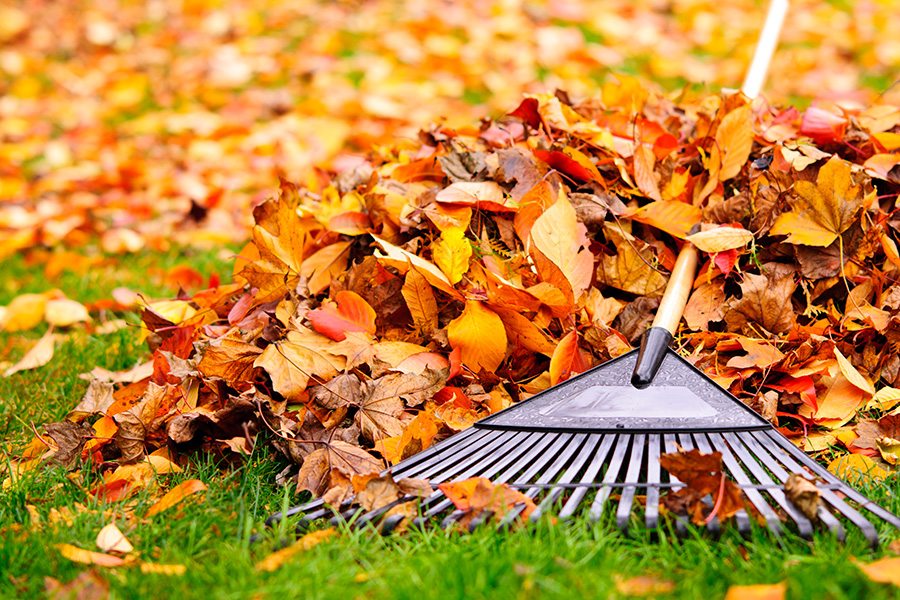
This publication is an annually-updated guide to fall gardening information and resources for Georgia. Topics include planting tall fescue lawns, soil bag flower beds, planting pansies like the pros, planting collards, turnips and cabbage, planting a home fruit orchard, mulching with leaves, gardening chores, cleaning and storing garden tools, treating for fire ants, and additional resources.
|
-

This publication describes common myths about cold protection and provides options for protecting plants from the cold in community and school gardens, including cold frames, row covers and hoop houses.
|
-
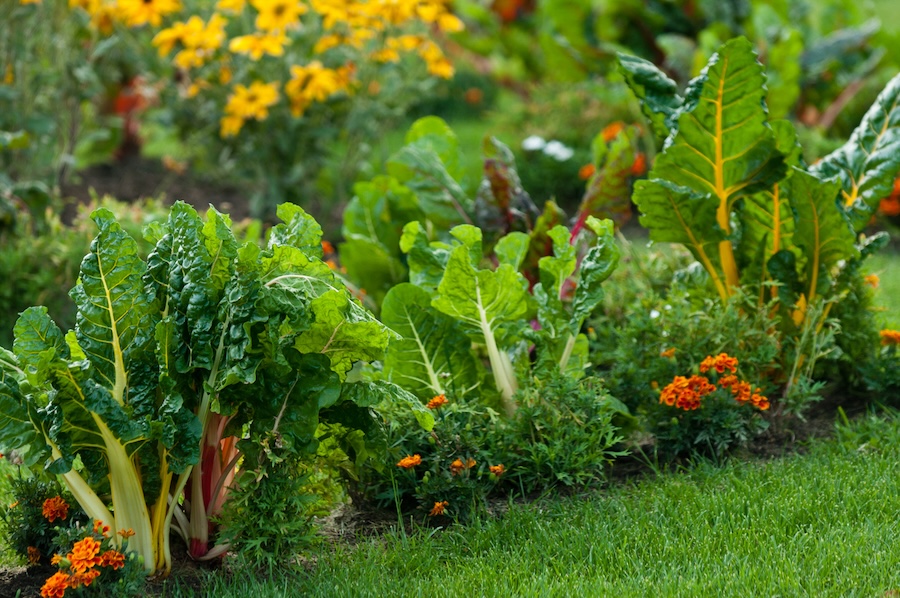
C 1027-1
Planning an Edible Garden
This publication describes three steps for planning a school garden: garden location, soil and terrain, and choosing crops.
|
-
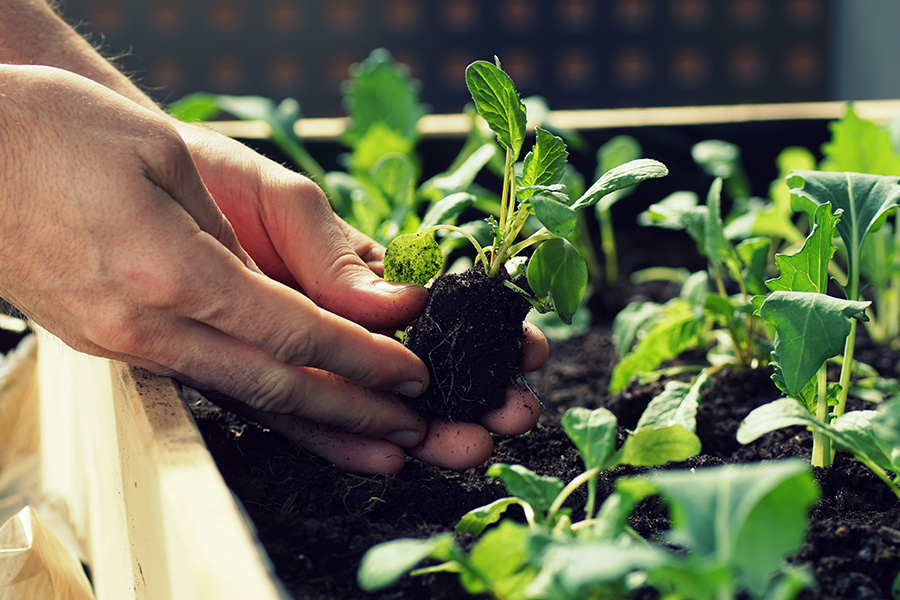
Plant diseases can be a significant problem in home gardens. Most vegetables are susceptible to a number of diseases. Home gardeners can reduce the occurrence of many diseases with sound cultural practices. This publication discusses managing diseases in the home vegetable garden.
|