Vegetables Resources
-

The purpose of this guide is to help users identify insects, spiders and mites that are beneficial to the garden. Such beneficials help manage pests that can damage plants. Tips to conserve and protect beneficials are also included.
|
-

Learn how to grow rutabagas, a cool-season root crop that can be produced in the spring or fall in Georgia.
|
-

C 787
Gardening in Containers
Growing plants in containers differs from growing plants in the ground. Poorly drained potting mixture can lead to root problems. Under conditions of excess moisture and poor aeration, roots become stressed and are easily invaded by root rotting fungi. Under these circumstances, plants fail to grow properly or even die.
In addition to guidance on soil preparation, this bulletin provides information on selecting containers, planting and fertilizing container plants, a list of plants recommend for container gardens.
|
-
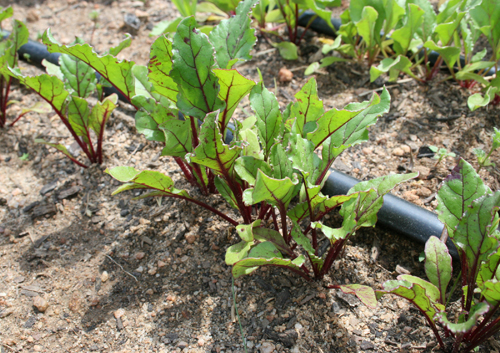
This publication is designed to give small market growers, homeowners, and Master Gardener audiences a quick guide to selecting and installing drip irrigation in the vegetable garden.
|
-

Plants develop seeds through a process called pollination. Pollination is the transfer of pollen from the stamen (male flower part) to the pistil (female flower part).
|
-
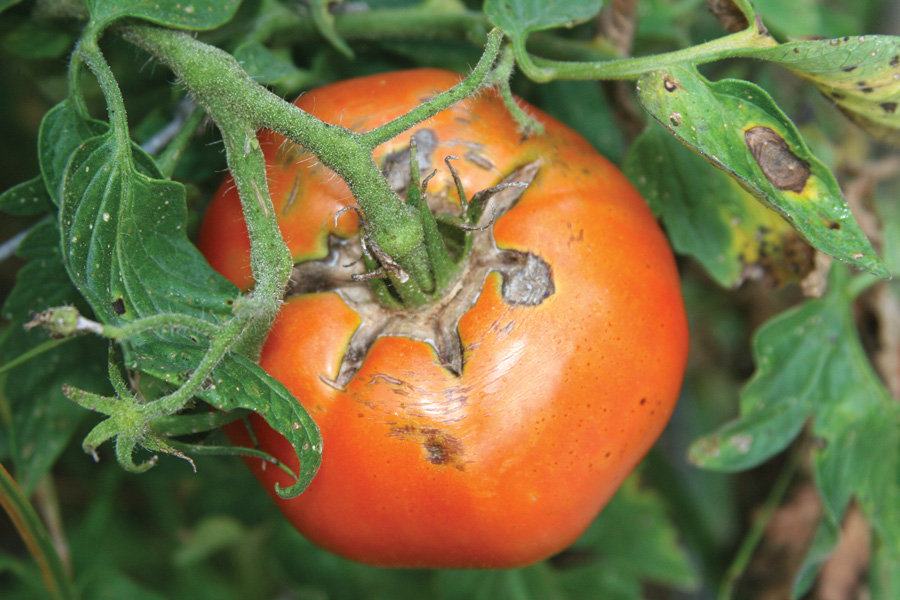
This publication is designed for small market growers, homeowners, and Master Gardeners in order to be a quick reference guide for diagnosing common problems in vegetables.
|
-
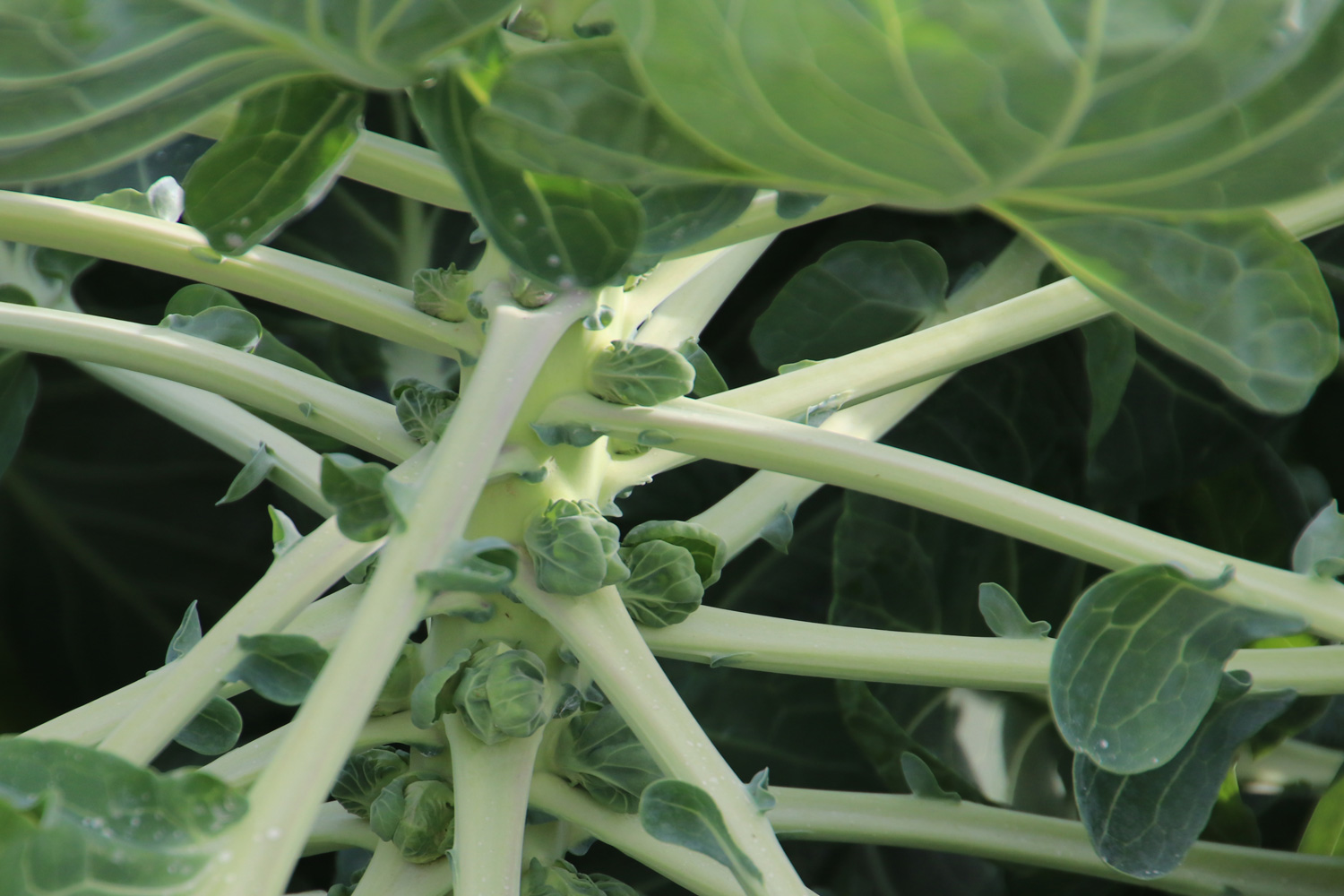
C 1069
Home Garden Brussels Sprouts
Learn how to grow Brussels sprouts in your home garden. Brussels sprouts are a cool season vegetable that can be grown both in the fall and early spring. This resource covers soil preparation, planting, and maintenance, as well as controlling pest problems.
|
-
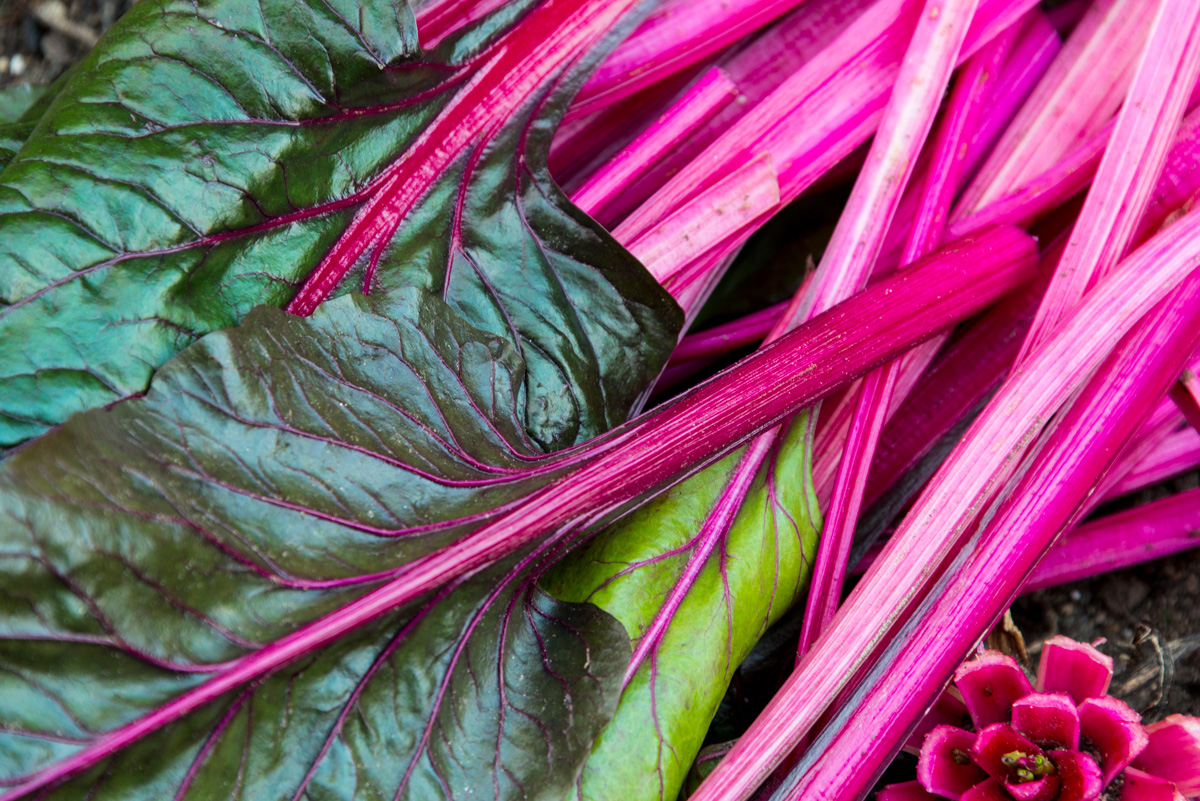
C 1039
Home Garden Swiss Chard
Learn how to grow Swiss chard in the home garden, including soil preparation, planting, culture and fertilization, harvesting, storing, and using Swiss chard, plus problems you might encounter and a list of suggested varieties.
|
-

Cover crops can be an important component to any home garden. They are used for various reasons, including building the soil, controlling soil erosion, and limiting the initiation and spread of certain diseases and insects in the soil. This publication is designed for homeowner and Master Gardener audiences and discusses the benefits, selection, planting and use of cover crops in the home garden.
|