Weeds, Diseases and Pests Resources
-

SB 28-15
Corn and Field Corn Pest Management
Commercial insect and weed control in corn and field corn. Updated annually.
|
-

Commercial insect and weed control in summer and winter temporary grazing. Updated annually.
|
-

SB 28-16
Cotton Pest Management
Commercial insect and weed control in cotton. Updated annually.
|
-

SB 28-34
Vegetables Pest Management
Commercial insect and weed control in vegetables. Updated annually.
|
-

Blister beetles sometimes infest forage crops such as alfalfa, where they may become incorporated in hay. This publication discusses biology, cause of illness and management of blister beetles.
|
-
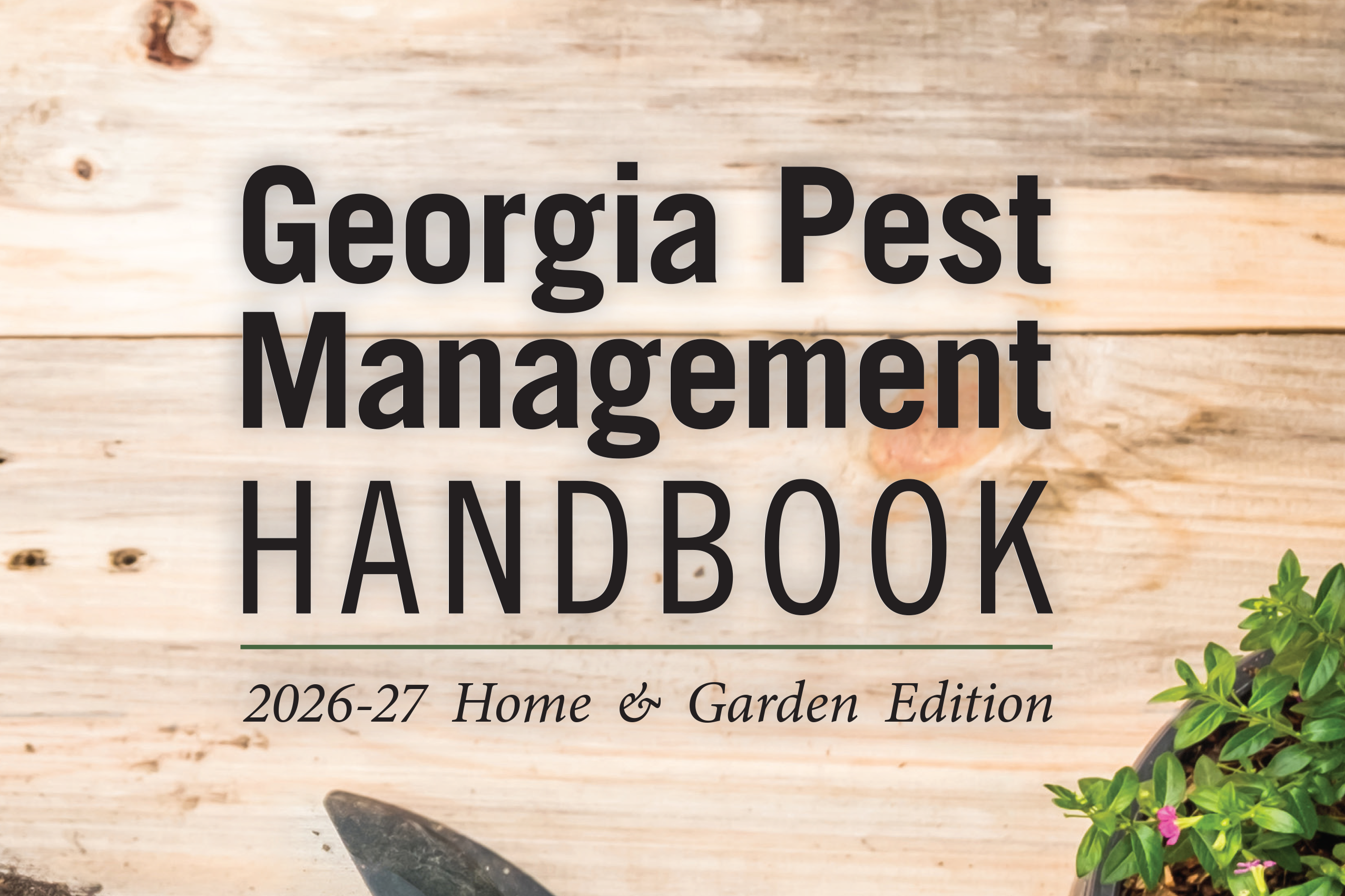
SB 48-13
Vertebrate Pest Control
This section of the Home & Garden Edition covers control of vertebrate pests such as beavers, chipmunks, deer, and bats, as well as repellents and how to manage reptiles, amphibians and birds. Note that prior to killing protected animals in Georgia, it is necessary to obtain a permit from the Wildlife Resources Office of the Georgia Department of Natural Resources. A permit is also required to take furbearing animals or game animals out of season. A current hunting or trapping license is required to take game or furbearing animals in season. Beginning in 2022, the Home & Garden Edition has been updated biennially. When purchasing a product based on a first-year recommendation of the Handbook, check the current product label before purchase to be sure it is still labeled for the use for which you are buying it. For pesticide products you have on hand from earlier purchases, you are allowed to use them until they are depleted without penalty under the law. Always follow label instructions before use. Contact the product’s manufacturer for the most up-to-date label.
|
-
The Georgia Pest Management Handbook gives current information on selection, application and safe use of pest control chemicals. The handbook has recommendations for pest control on farms, around homes, urban areas, recreational areas, and other environments in which pests may occur. Cultural, biological, physical, and other types of control are recommended where appropriate.
|
-
SB 48-01
Introduction and Table of Contents
Beginning in 2022, the Home & Garden Edition has been updated biennially. When purchasing a product based on a first-year recommendation of the Handbook, check the current product label before purchase to be sure it is still labeled for the use for which you are buying it. For pesticide products you have on hand from earlier purchases, you are allowed to use them until they are depleted without penalty under the law. Always follow label instructions before use. Contact the product’s manufacturer for the most up-to-date label.
|
-
This section of the Home & Garden Edition covers what to do in the event of a pesticide emergency, important contacts such as poison control, frequently asked pesticide questions, abbreviations and equivalents, submitting specimens for identification, and instructions for calibrating various types of sprayers. Beginning in 2022, the Home & Garden Edition has been updated biennially. When purchasing a product based on a first-year recommendation of the Handbook, check the current product label before purchase to be sure it is still labeled for the use for which you are buying it. For pesticide products you have on hand from earlier purchases, you are allowed to use them until they are depleted without penalty under the law. Always follow label instructions before use. Contact the product’s manufacturer for the most up-to-date label.
|