Weeds, Diseases and Pests Resources
-
SB 48-12
Vegetables Pest Management
This section of the Home & Garden Edition covers insect, weed, and disease control in home garden vegetables. Beginning in 2022, the Home & Garden Edition has been updated biennially. When purchasing a product based on a first-year recommendation of the Handbook, check the current product label before purchase to be sure it is still labeled for the use for which you are buying it. For pesticide products you have on hand from earlier purchases, you are allowed to use them until they are depleted without penalty under the law. Always follow label instructions before use. Contact the product’s manufacturer for the most up-to-date label.
|
-
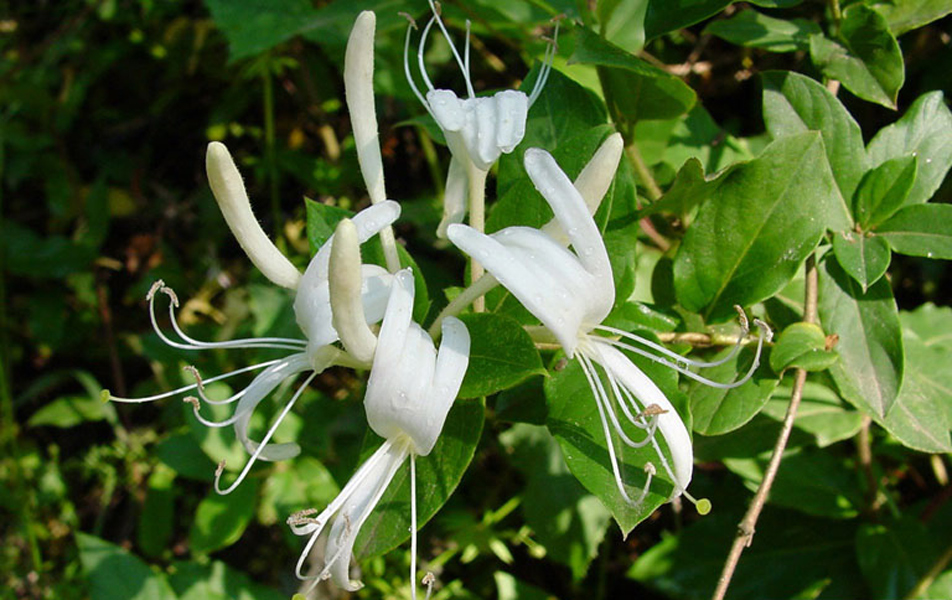
While most of us are familiar with common poisonous plants that cause skin irritations, such as poison ivy or poison oak, we often don’t recognize common ornamental plants in the landscape that may cause internal poisoning when ingested. Although most adults would not intentionally eat the leaves or fruit of such plants, young children or pets sometimes do. This resource provides readers with information on some of the common landscape plants known to have poisonous properties when ingested. You may be surprised to learn just how many of our common plants, such as azaleas, hydrangeas, boxwood, and English ivy, are known to have poisonous properties.
|
-
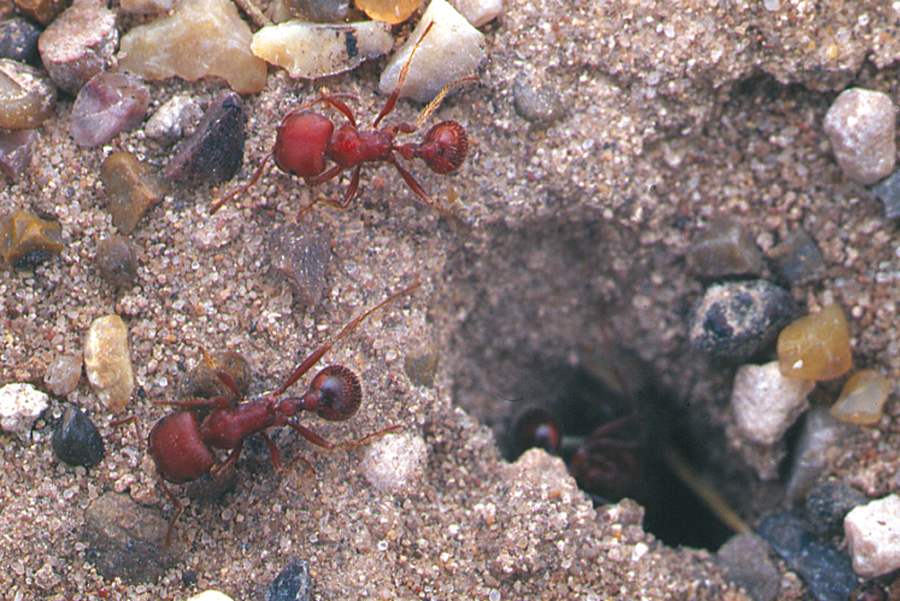
Imported fire ants interfere with outdoor activities and harm wildlife throughout the southern U.S. Ant mounds are unsightly and may reduce land values. Although fire ants do prey on flea larvae, chinch bugs, cockroach eggs, ticks and other pests, the problems they cause usually outweigh any benefits in urban areas. While it is not possible to eradicate this species, controlling fire ants is highly desirable. The best control programs use a combination of non-chemical and chemical methods that are effective, economical and least harmful to the environment.
|
-

This practical handbook provides basic answers about insects affecting vegetables in Georgia. The content is ideal for pest managers, farmers, Master Gardeners, and integrated pest management students in the Southeastern U.S.
|
-
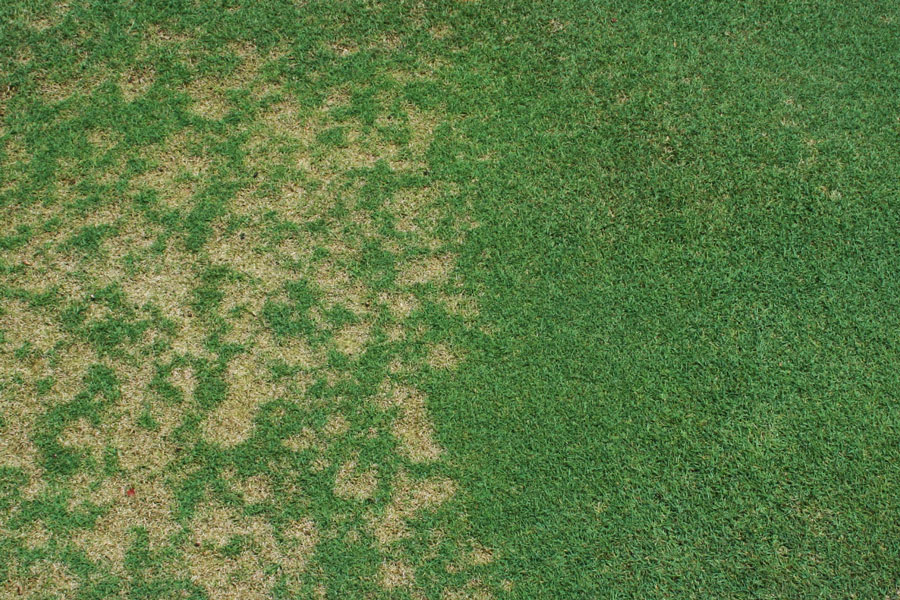
Mancha dólar es una enfermedad omnipresent en cespedes de clima calido y frio en el estado de Georgia. La publicacion contiene informacion importante en la biologia del gente causal, descripcion detallada de los sintomas de la enfermedad (con fotografias de alta definicion), informacion relevante y reciente en las condiciones que favorecen la enfermedad, asi como los metodos de control cultural, genetico y quimico. Esta publicacion es dirigida a profesionales, consultores, agentes de extension y publico en general.
|
-
Dollar spot is an ever-present turfgrass disease that affects all warm and cool season grasses in the state of Georgia. The publication contains important information on the biology of the causal agent, detail description of the disease symptoms (aided by high quality-detailed pictures), relevant up-to-date information on conditions favoring the disease, as well as cultural, genetic and chemical methods of control. The publication is intended for turfgrass professionals, consultants, county faculty, homeowners and general public.
|
-
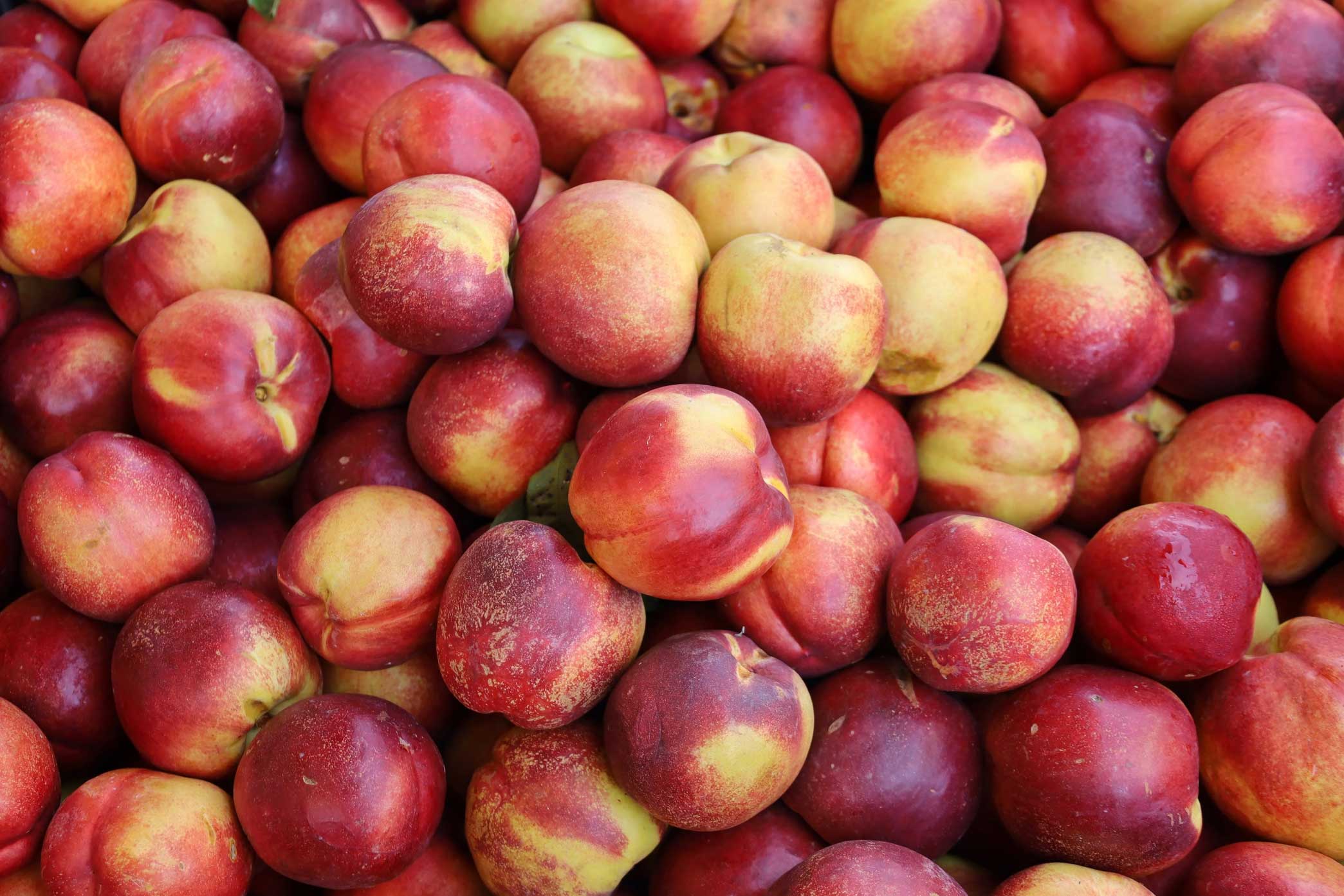
This guide covers multiple states and production areas. Pest problems vary across the Southeast. Pesticide rates are a guideline. Exceptions are noted for specific locations and pests, but this guide does not list every exception. Listed pesticides may not be registered for the uses recommended here in all states.
This guide is to be used only by commercial growers. Observe all label precautions and recommendations. Brand names of pesticides are given in the spray schedule as a convenience to the grower. They are neither an endorsement of the product nor a suggestion that other products with the same active ingredient are not effective.
|
-

This resource discusses getting rats and mice out of your house and yard.
|
-
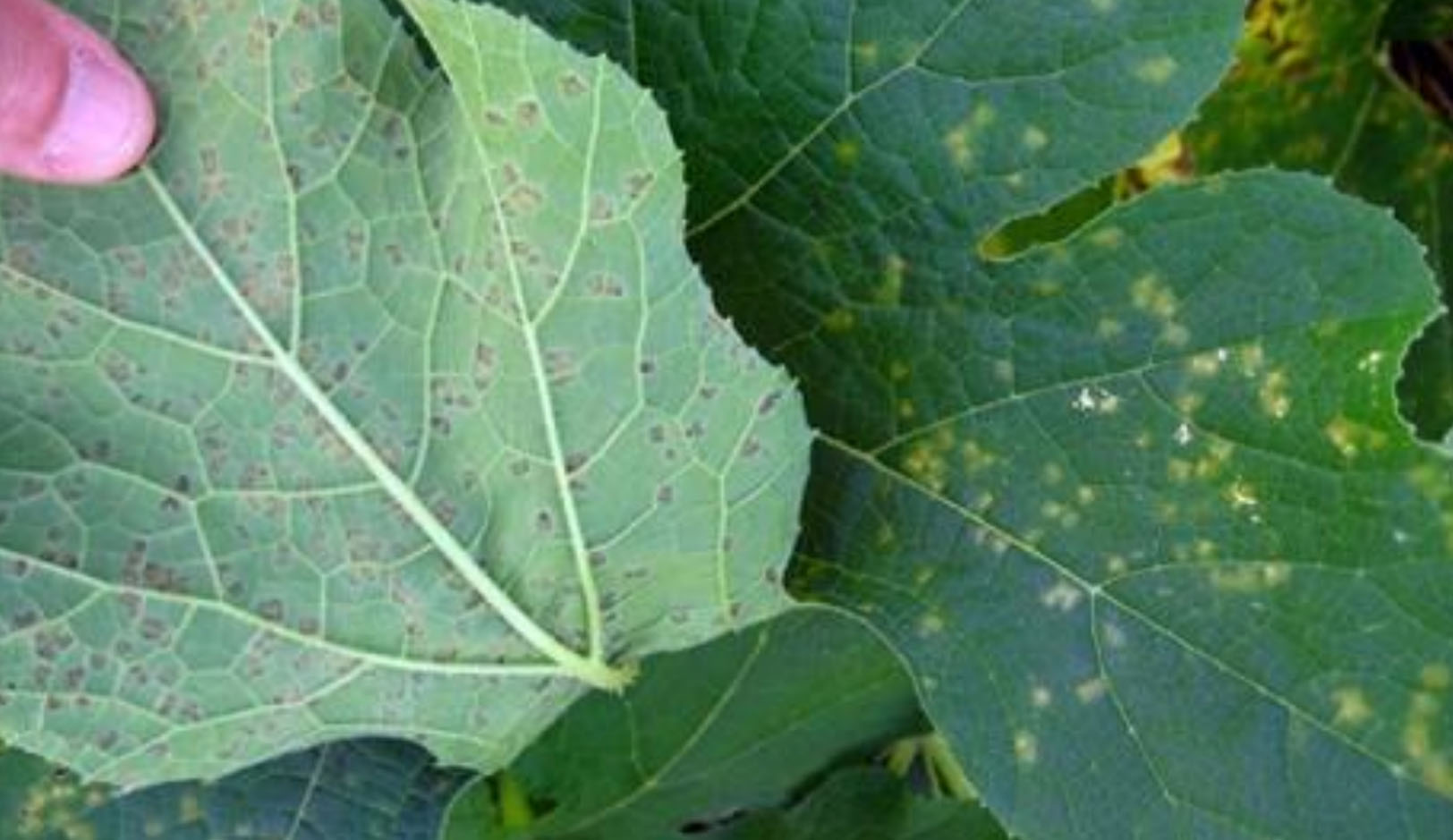
While there are literally hundreds of issues that can occur in the home garden, this resource focuses on the most common ones. When troubleshooting issues in the garden, this provides a good starting point and will help gardeners diagnose their issues and strategize solutions.
|