Weeds, Diseases and Pests Resources
-
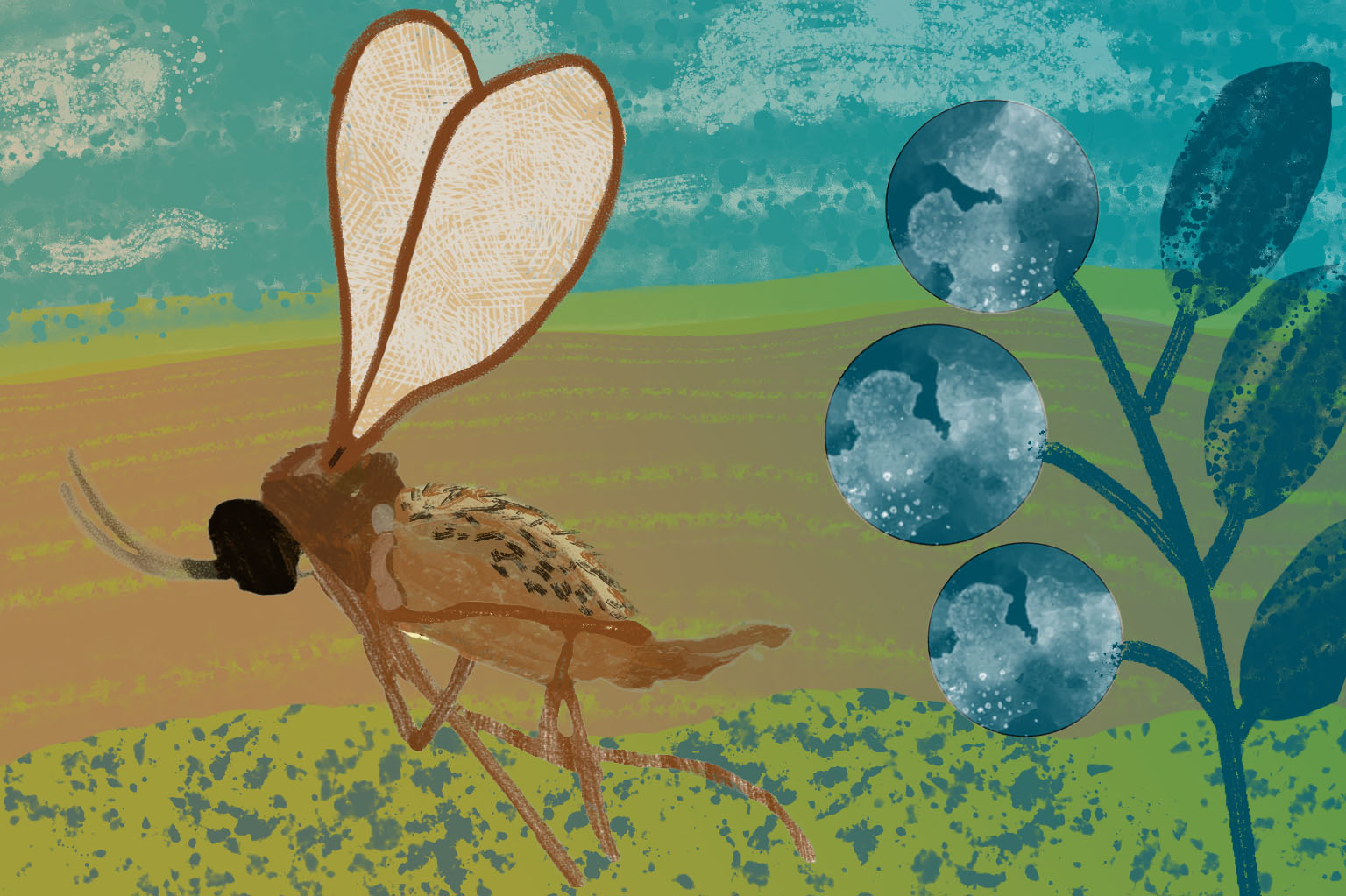
Blueberry gall midge, a small fly native to North America, has emerged as one of the serious pests of blueberries in Georgia. Severe gall midge infestations can cause up to 80% crop loss without proper intervention. Bud sampling to monitor for larvae is the only way to confirm its presence. Insecticide sprays need to be timed to target adult midges before they have a chance to lay eggs.
|
-
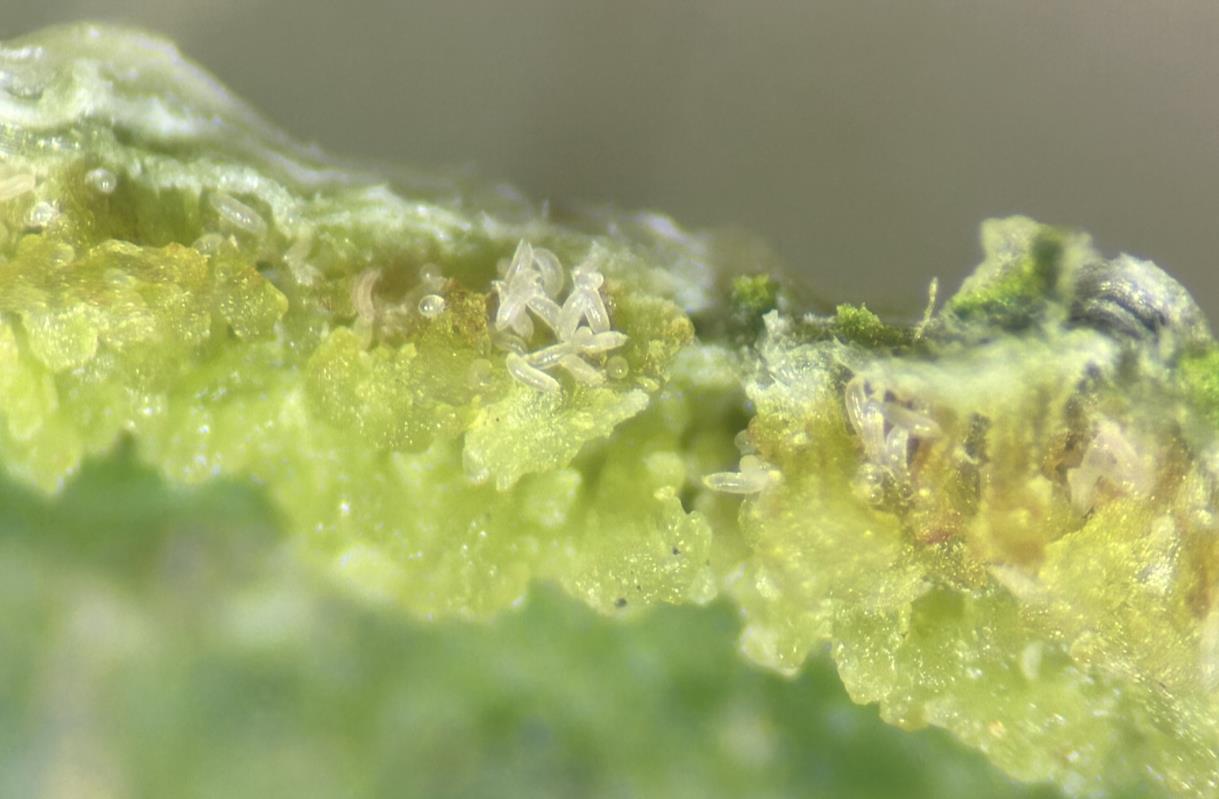
The pecan leafroll mite is a noninsect pest of pecan trees. Eriophyid mites are a significant group of plant-feeding mites that infest annual and perennial plants. They often go unnoticed because of their very small size and the fact that they usually reside within plant tissues. In Georgia pecans, damage from the pecan leafroll mite damage is typically observed from May and persist until nut harvest, and regular monitoring of mite populations is needed to prevent severe infestations and to ensure effective management.
|
-
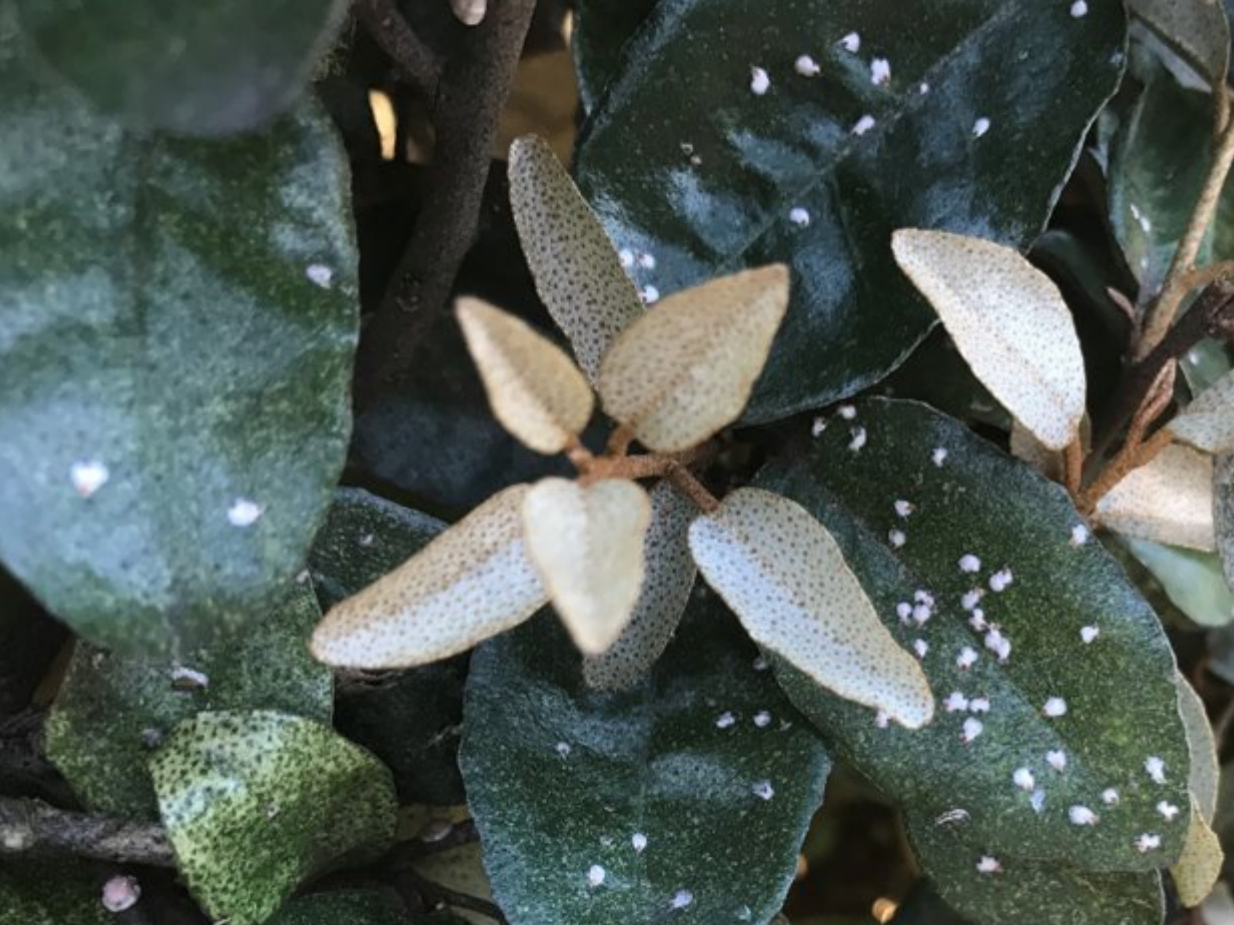
False oleander scale, which appears as white spots on leaves, is an invasive pest on ornamental plants. It is prevalent in Georgia and poses a significant threat to the aesthetic value of ornamental plants in the nursery and landscape.
|
-
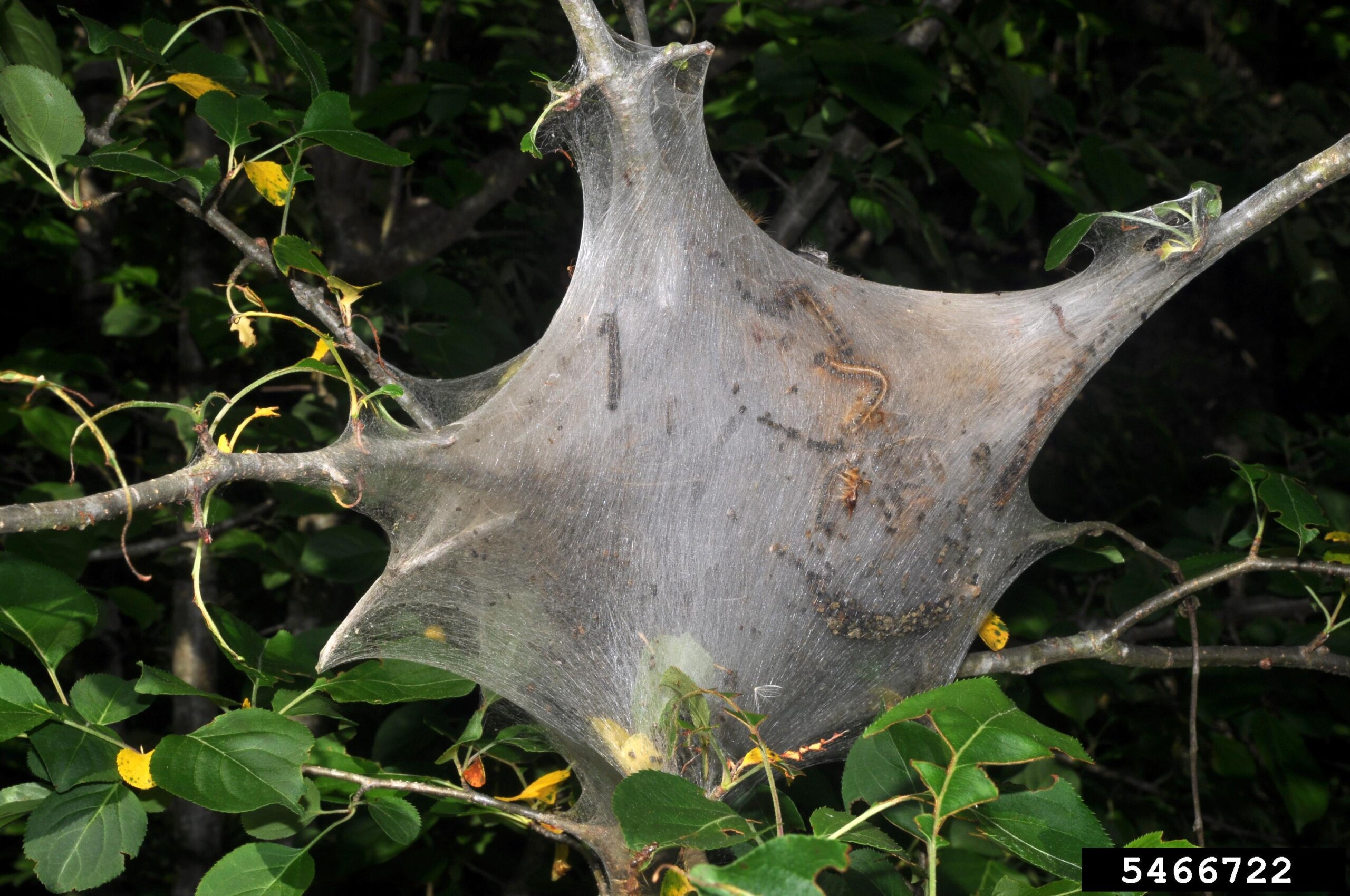
In North America, six species of tent caterpillars are found. The forest and Eastern tent caterpillars occur in Georgia, and can damage the aesthetic value of landscapes. There are several management strategies that work against tent caterpillars and this resource will help you identify and control them.
|
-
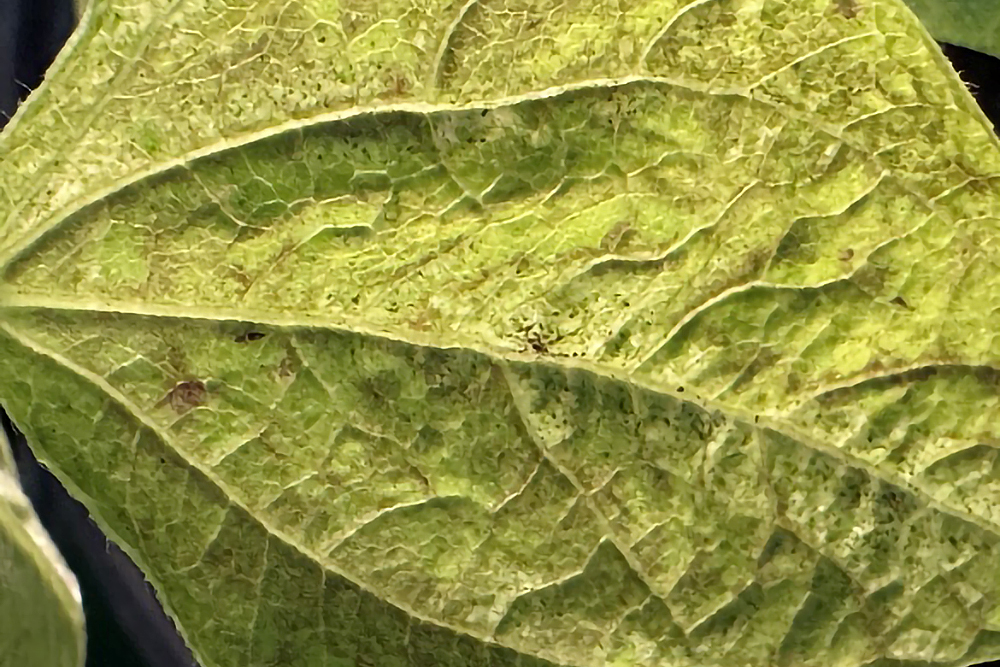
Thrips parvispinus is an invasive insect pest that poses a serious global threat to vegetables and ornamentals in both fields and greenhouses. This guide will help you identify and manage this pest.
|
-
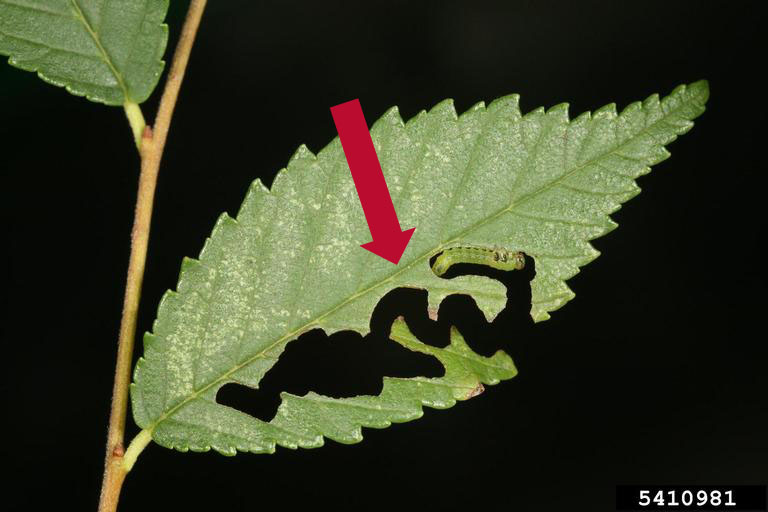
The invasive elm zigzag sawfly is a small wasp that has been reported in nine U.S. states, where it poses a threat to elm trees.
|
-

Plant disease losses in 2023, including control costs, amounted to an estimated $715.43 million. The value of the crops used in this estimate was approximately $6863.22 million, resulting in a 10.42% relative disease loss across all crops included in this summary. Some estimates for fruits, ornamentals, and turf rely on Extension specialists’ knowledge of the industry and industry sources for information. Because of the retirement of the Extension specialist for ornamental and commercial landscapes, disease losses for this category were not included in the report.
|
-

This resource describes whiteflies and the damages they cause in cucurbit crops, and offers recommendations for cucurbit crop varieties for fall season production in southern Georgia that are resistant or tolerant to silverleaf disorder and whitefly-transmitted viruses.
|
-

European hornets are widespread across much of the eastern United States. Native to Europe and Asia, they were accidentally introduced to North America in the mid-1800s. The European hornet is the largest species found in the United States and is particularly common in Georgia.
|