Weeds, Diseases and Pests Resources
-
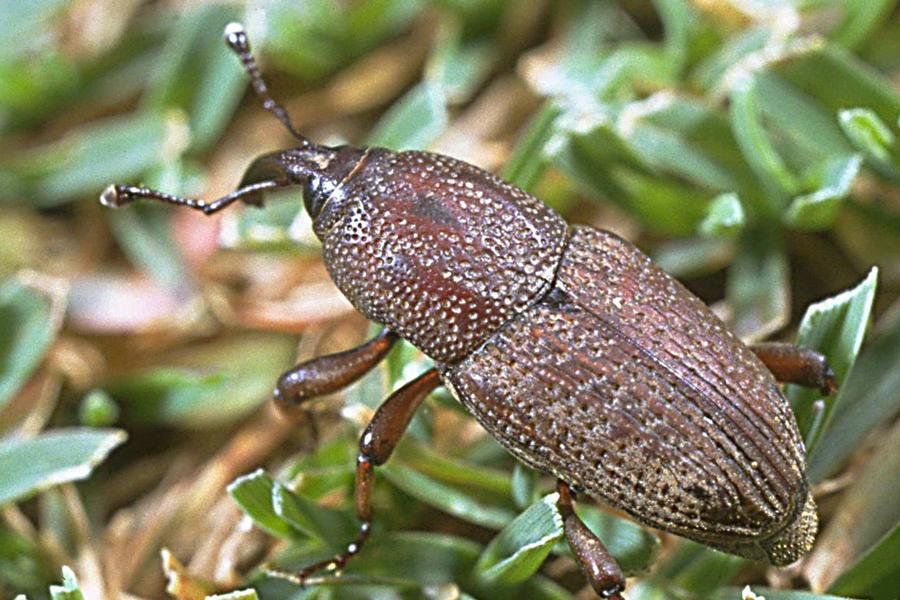
Hunting billbug, Sphenophorous venatus vestitus (Family: Curculionidae) is an important weevil pest of turfgrass in Georgia. It’s called a “billbug” because of its long snout, or bill, which has small mandibles at the tip. Hunting billbug infestations in turfgrass are not easily detected until the first signs of feeding damage, such as discoloration or irregular patches, appear scattered across the turfgrass. Although hunting billbugs attack all major turfgrass genotypes, damage on zoysia grass cultivars can be particularly serious. In addition to hunting billbug, several other species of billbugs are found in warm-season turfgrass including the lesser billbug, S. minimus, and uneven billbug, S. inaequalis.
|
-
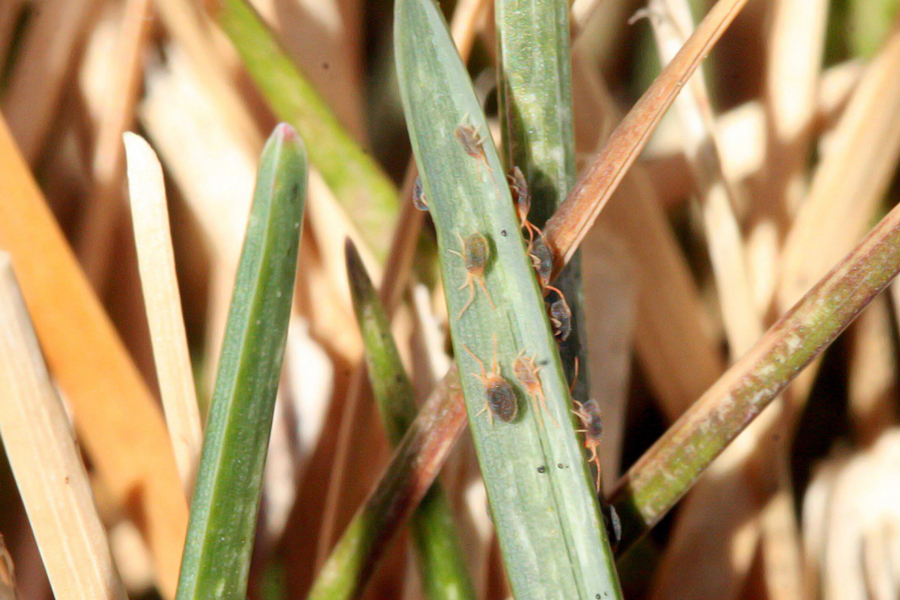
C 1178
Mite Management in Turfgrass
Plant-feeding mites can cause serious damage in turfgrass systems, and drought-stressed turfgrass is particularly prone to mite infestation. Mites are generally active in turfgrasses from spring into fall. They feed on plant sap and, in some cases, also inject toxins into plant tissues or manipulate plant growth, thereby producing characteristic symptoms. Some mites do not directly damage the turfgrass but instead become nuisance pests by moving from the lawn to houses and other buildings. This circular discusses the biology, damage, and management of the various mite species that attack turfgrass.
|
-
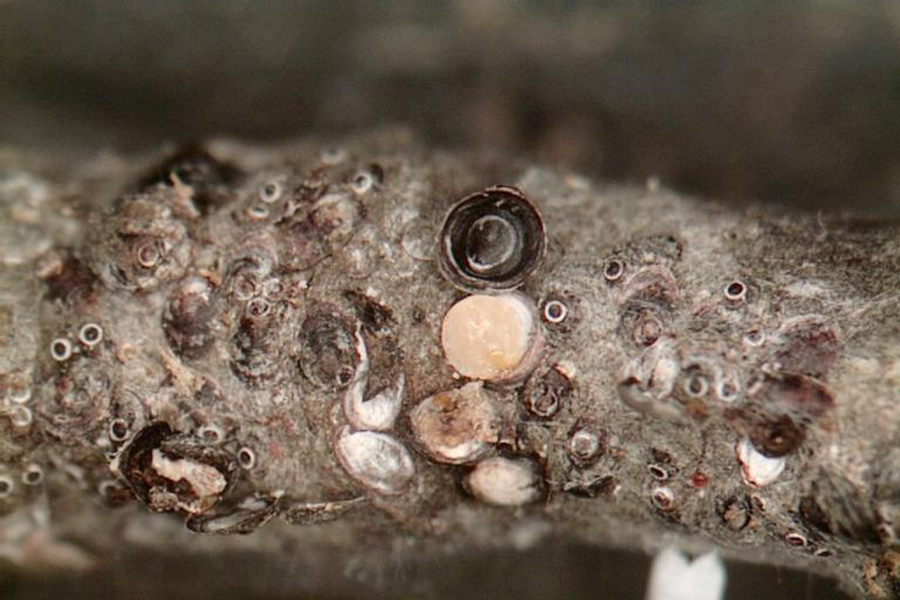
Scale insects are common pests of landscape trees and shrubs that are often overlooked when scouting. Scales can be responsible for chlorosis, branch die-back, and ultimately, plant death. Scales are broadly categorized as either soft scales or armored scales. Soft scales produce a soft, cottony, powdery, or waxy substance that cannot be separated from the scale body. Common soft scales in Georgia include Indian wax scales, Florida wax scales, brown soft scales, oak lecanium scales, magnolia scales, cottony maple scales, cottony camellia scales, cottony cushion scales, and azalea bark scales. Armored scales have a hard, shield-like cover that is not attached to the body of the insect. Common armored scales in Georgia include tea scales, euonymus scales, obscure scales, false oleander scales, juniper scales, and gloomy scales.
|
-
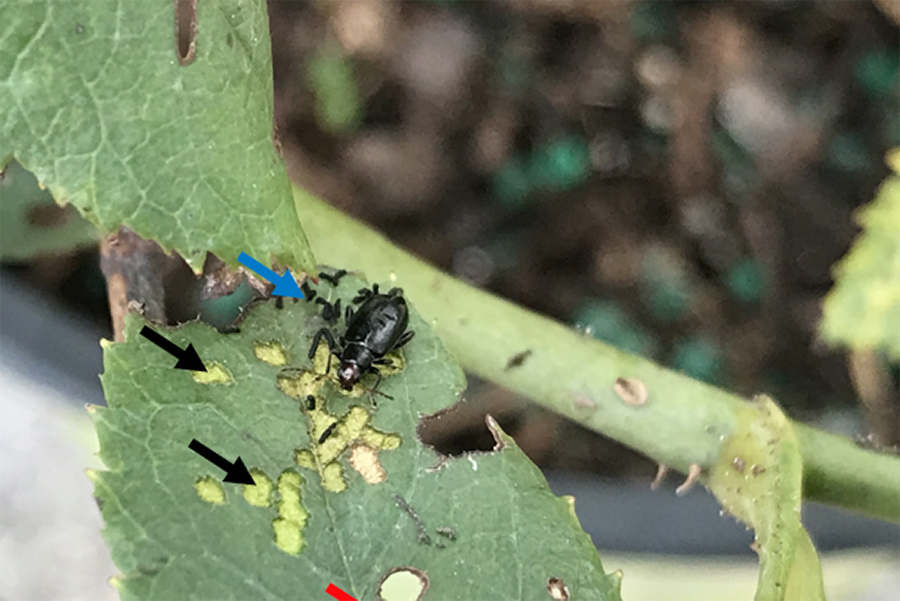
The red-headed flea beetle is a serious insect pest in ornamental nurseries. It is also referred to as the “cranberry flea beetle” in cranberry and blueberry systems in the Northern U.S. The adult beetle causes serious feeding damage to the foliage of a variety of woody and herbaceous container plants in nurseries. As the name suggests, the flea beetle jumps when disturbed, similar to a dog flea. A native pest, this insect is present in central and eastern U.S. regions.
|
-
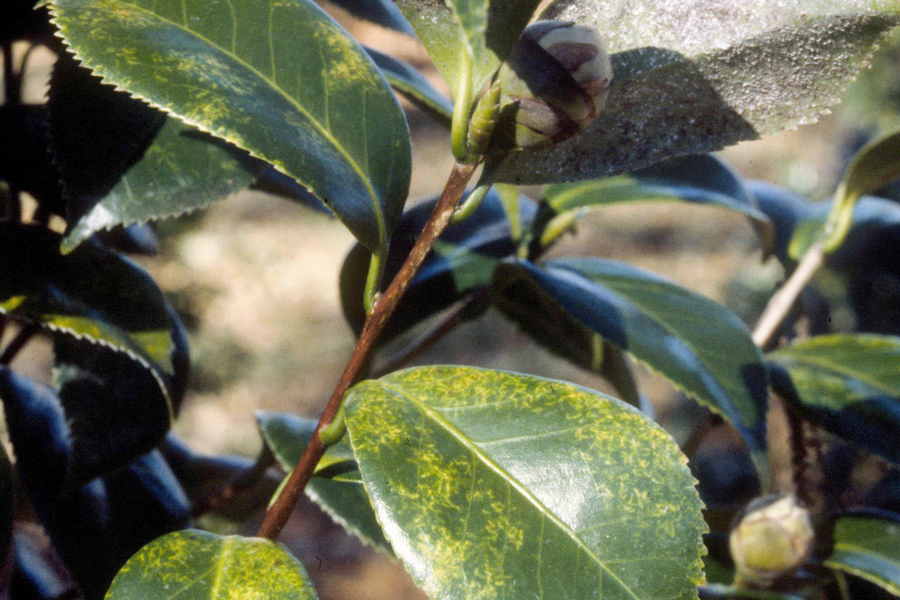
The tea scale is a serious economic pest of several ornamental plants in nurseries and landscapes in Georgia, including camellias and hollies. Tea scales are armored scales that cause yellowing of the leaf tissue, and under severe infestations, they can cause plant death. These pests undergo multiple overlapping generations per year and are very challenging to control. It usually takes two to three years to bring the infestations under control after the application of effective insecticides.
|
-
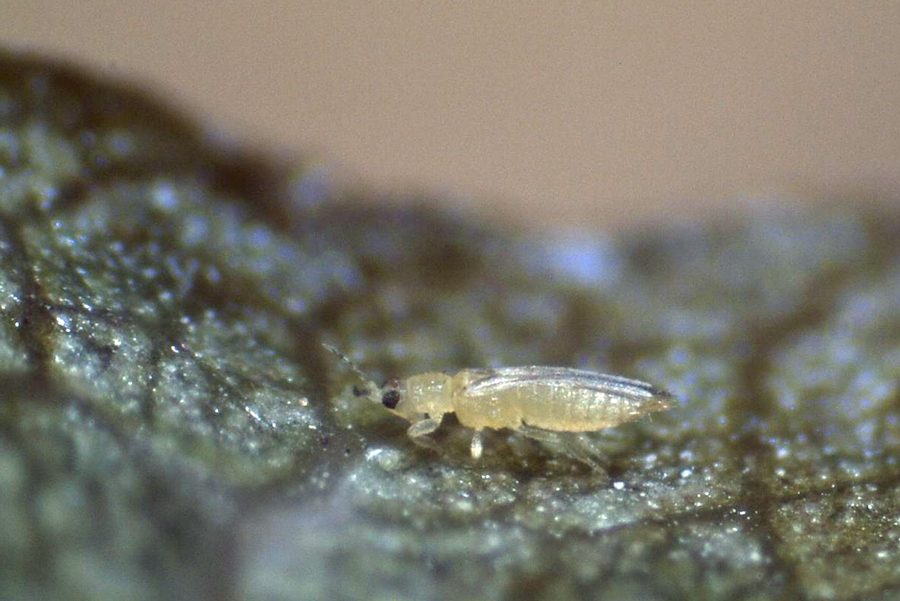
Chilli thrips is an invasive thrips species in the United States. Chilli thrips infest more than 150 crops worldwide, including strawberries, cotton, tea, citrus, and peppers, as well as many ornamental plants. The pest has become increasingly problematic in nurseries because of its wide host range, small size, and rapid reproduction and development. In Georgia, chilli thrips were first reported in 2007.
|
-
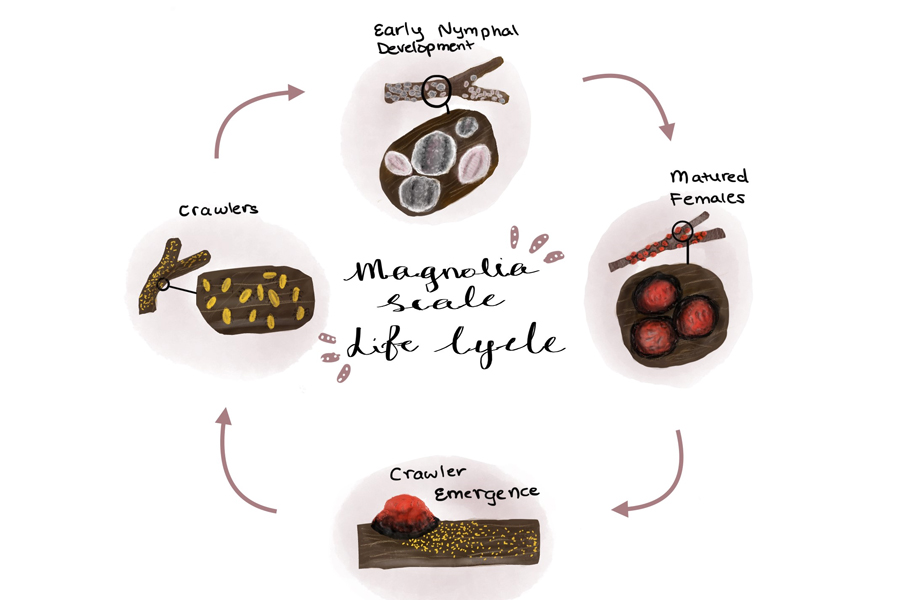
Magnolias, which are evergreen trees and shrubs, are a common landscape plant species in the southern U.S. Magnolia scale, native to the eastern U.S., is a serious pest of both native and non-native magnolias. Magnolia scale is found in 29 states in the U.S. and can reach the size of a human thumb, making it one of the largest scales in the country. It exclusively feeds on magnolias found in ornamental landscapes.
|
-
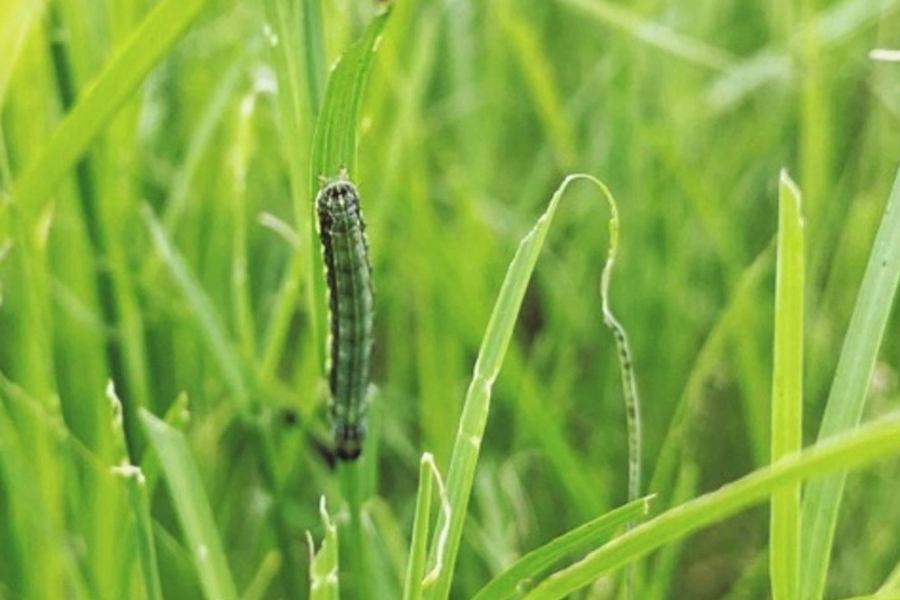
Fall armyworms can quickly decimate a field of any forage crop or pasture, often eating higher quality forage first. Growers and farmers can face severe economic damage and total forage loss. Anyone growing forage or pasture used to feed livestock can use this publication to find answers to the most common questions about fall armyworm in Georgia pastures and hayfields.
|
-
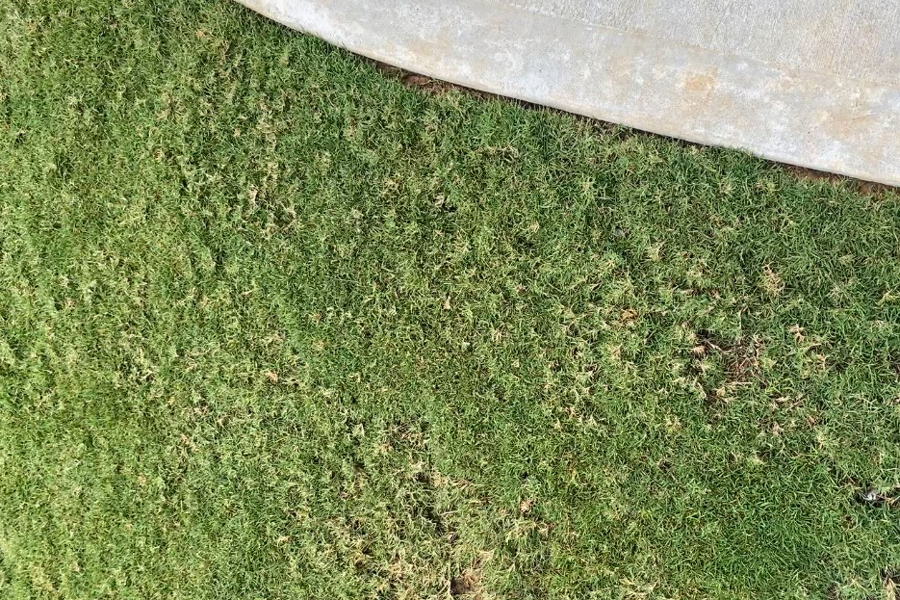
Bermudagrass mite is a microscopic mite species (at or smaller than ~0.2 mm or 0.0078 in.) that only infests and feeds on bermudagrass and has become an increasing problem in Georgia. It can develop into a serious problem on golf courses, athletic fields, sod farms, and both residential and public lawns. Bermudagrass mite infestations can reduce the aesthetic value of the turfgrass, causing thinning and poor grass growth. The size of bermudagrass mites poses a real challenge in identifying and monitoring the population in fields.
|