Weeds, Diseases and Pests Resources
-

La mancha larga causada por Rhizoctonia es una de las enfermedades mas comunes y severas de cespedes de clima calido en georgia y en los Estados Unidos. La publicacion contiene informacion importante en la biologia del gente causal, descripcion detallada de los sintomas de la enfermedad (con fotografias de alta definicion), informacion relevante y reciente en las condiciones que favorecen la enfermedad, asi como los metodos de control cultural, genetico y quimico. Esta publicacion es dirigida a profesionales, consultores, agentes de extension y publico en general.
|
-

Landscape professionals must consider many factors when choosing the right flowering annuals to plant for a particular location. Primary considerations include high visual impact, consistent bloom for color, foliage for texture and color, sun exposure, growth habit and low-water tolerance. Cost plays an important role as well. Many landscapers typically choose common annual ornamentals and tropical perennials marketed as annuals. Particular species and cultivars tend to be favored over others for a variety of reasons; these are the bread-and-butter plants, such as cool-season pansies and warm-season petunias. Because of this, staple plants tend to be planted year after year, often in the same bed – a recipe for disease build-up, pesticide applications, loss of plants, plant replacement, dissatisfied customers, and ultimately, lower profit margins. This publication explains how to effectively use crop rotation and cultural practices to reduce disease incidence in seasonal color beds.
|
-

This new regional integrated pest management guide provides recommendations for muscadine grape production in the Southeastern U.S. Recommendations are based on information from the manufacturer’s label and performance data from research and Extension field tests. This publication is intended for use only as a guide. Specific rates and application methods are on the pesticide label, and these are subject to change at any time.
|
-

Sod webworms are a serious pest of turfgrass in Georgia. There is limited information available to the green industry and the public about the general biology, ecology, and management of this pest. This publication includes photos of sod webworms, their life cycle, and management options so that landscape industry professionals and homeowners can learn about the pest sufficiently to manage it.
|
-

This brief video shows examples of damage on vegetables caused by diamondback moths and pepper weevils. It discusses some of the challenges associated with the control of these pests in Georgia.
|
-

Whiteflies are a concern for Georgia’s vegetable industry, both as a direct pest and a vector for viruses. This brief video discusses at risk crops, shows plant damage, and describes what conditions increase the likelihood of whitefly damage.
|
-
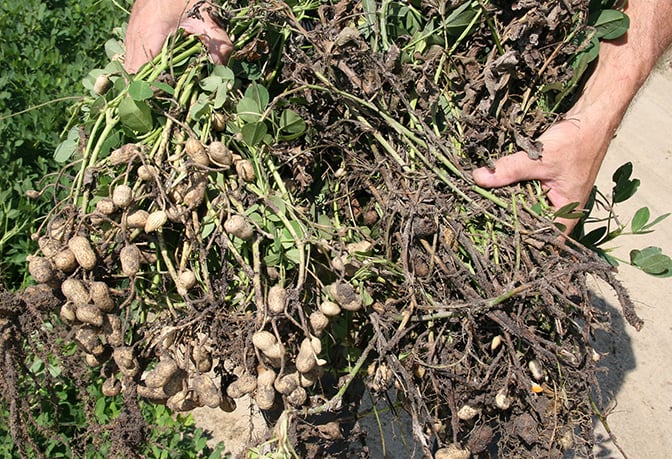
The peanut production guide includes varieties, agronomic practices, pest management, irrigation management, equipment maintenance, maturity, and harvest practices.
|
-

Johnsongrass is a warm-season perennial weed in pastures and roadsides throughout central and northern Georgia. Populations may germinate from seed in spring after overwintering in the soil. However, Johnsongrass primarily emerges from dormant rhizomes in areas with a history of infestations. Rhizomes are belowground stems that produce daughter plants and storage reserves for new growth in spring. The persistence of Johnsongrass is primarily associated with extensive rhizomatous growth that enable populations to spread laterally and dominate areas by preventing desirable species from flourishing.
|
-
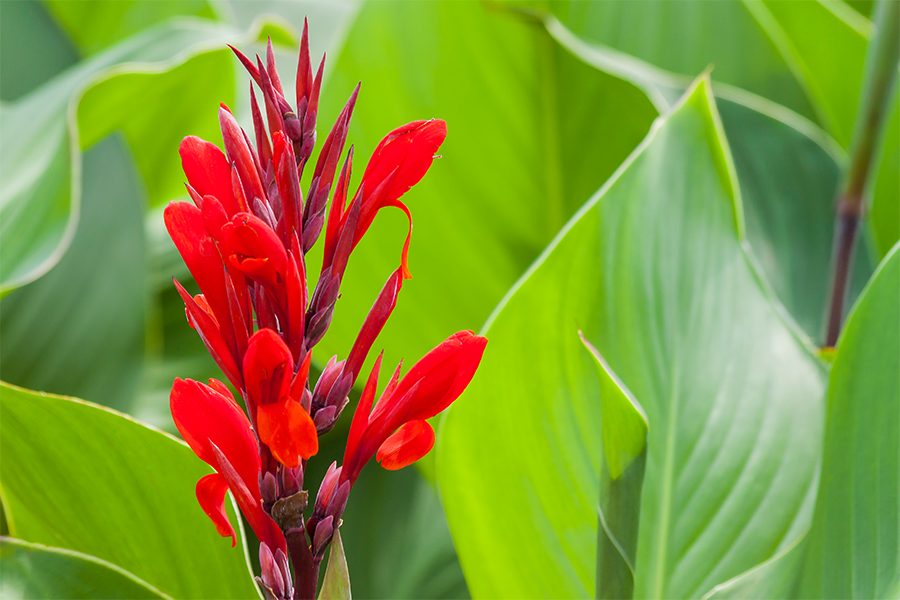
An introduction to the larger canna leafroller, plus information on biology and management.
|