Weeds, Diseases and Pests Resources
-

This publication discusses the proper calibration methods sprayers and other liquid applicators.
|
-
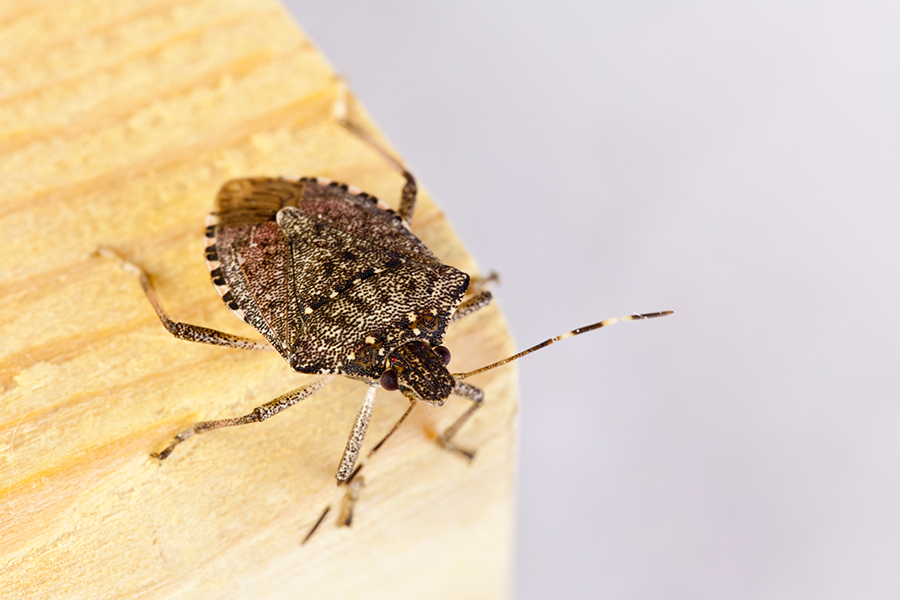
The brown marmorated stink bug is a landscape and agricultural pest in the United States. They seek dark and dry sites—such as a vehicle parked near trees—in the fall in which to overwinter. This pest is reported to feed on more than 170 plant species, including fruits, vegetables, and ornamental plants. This stink bug also is a nuisance pest as they aggregate and overwinter in man-made structures beginning in late fall.
|
-
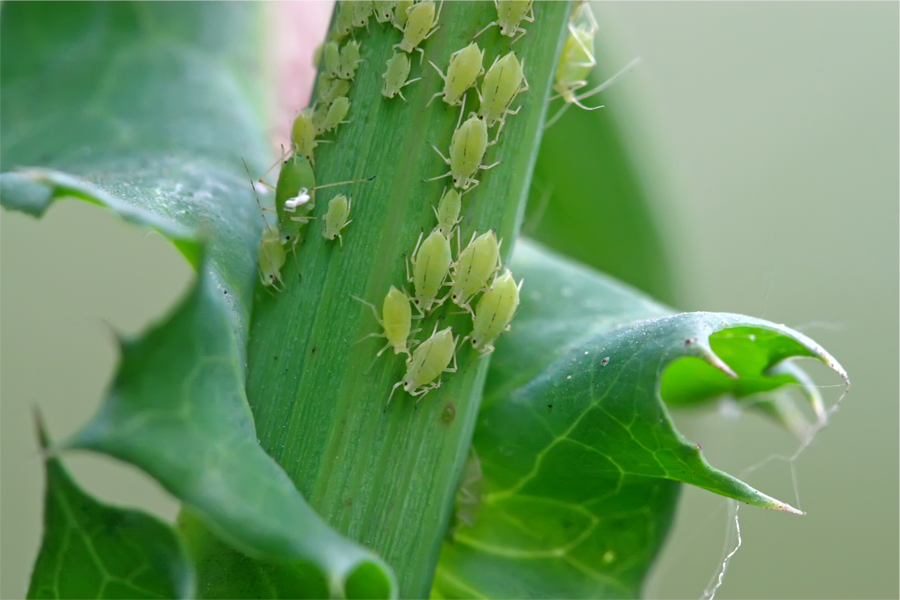
An introduction to and information on the biology, damage, and management of aphids in the ornamental landscape.
|
-
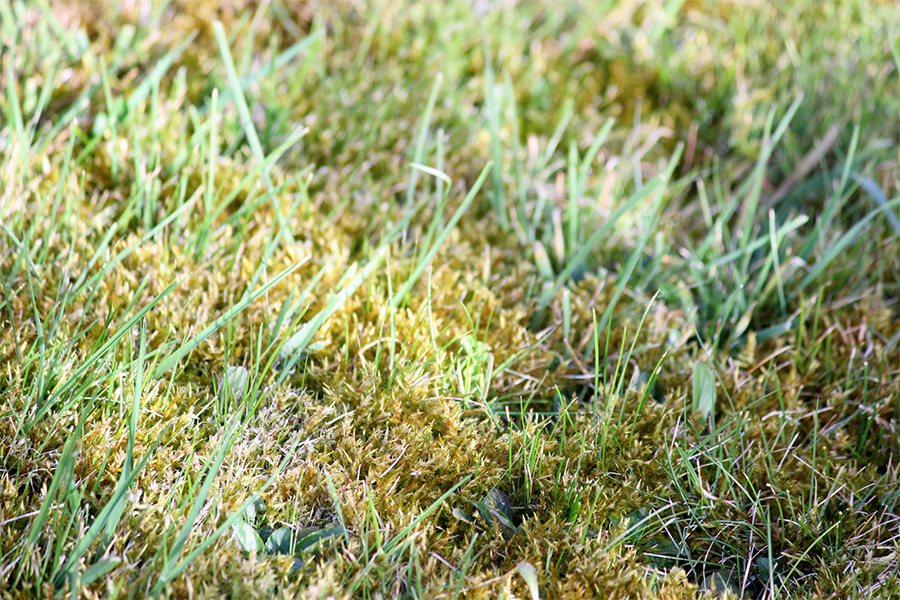
Occasionally, turfgrass areas begin to thin out and moss and algae start to form. These primitive plants develop because conditions for growing dense, healthy turf have declined. This publication gives you preventive practices and chemical suppression tips for controlling moss and algae in turf.
|
-
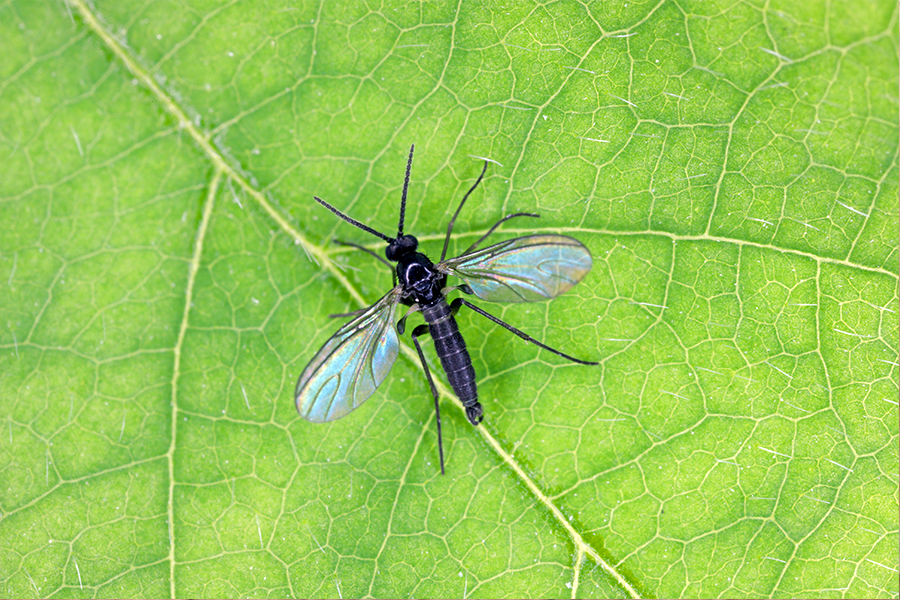
Nothing is more welcoming in the home, office, waiting room, or conference room than lush greenery. The benefits of plants in the home and workplace are well-documented. They remove pollutants, help workers relax and refocus, increase productivity, and make the room look better. Unfortunately, plants often come with the nuisance pest fungus gnats. Learn how to what they are, how they live, and how to control them.
|
-

This resource helps readers identify and manage tawny crazy ants, a highly invasive species from South America. The ant somewhat resembles invasive Argentine ants (also known as sugar ants).
|
-

In the Southeastern U.S., beef cattle producers focus on forage management and maximizing the grazing season. To that end, Southeastern cattle spend the vast majority of their lives either grazing or consuming stored forage. Cereal grains and coproduct feeds are also commonly used nutritional supplements for cattle in times of elevated nutrient requirement. Any disease or disorder in the beef herd represents a nutrient drain and subsequent economic inefficiency. Sudden shifts in dietary composition as well as mineral imbalances are the primary causes for most nutritional and metabolic disorders. This publication contains an overview of the common nutritional and metabolic disorders that may affect beef herds in the Southeast along with management strategies that can be used to minimize the effects of these disorders in beef cattle production systems.
|
-

C 926
Argentine Ants
This resource will help readers identify Argentine ant infestations and manage them around their homes and landscapes.
|
-

C 929
Carpenter Ants
This resource discusses the most effective methods to prevent and control carpenter ants in and around your home.
|