Weeds, Diseases and Pests Resources
-
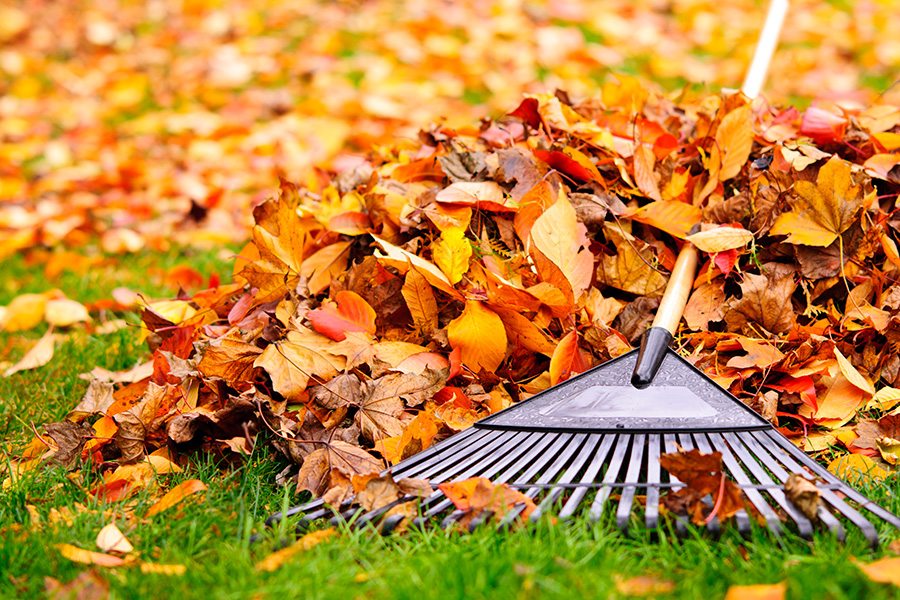
This publication is an annually-updated guide to fall gardening information and resources for Georgia. Topics include planting tall fescue lawns, soil bag flower beds, planting pansies like the pros, planting collards, turnips and cabbage, planting a home fruit orchard, mulching with leaves, gardening chores, cleaning and storing garden tools, treating for fire ants, and additional resources.
|
-

2020 plant disease losses in Georgia, including control costs, amounted to an estimated $806 million. The value of the crops used in this estimate was approximately $6.712 billion, resulting in a 12.01% relative disease loss across all crops included in this summary. The estimated values for most crops used to compute these disease losses are summarized in the 2020 Georgia Farm Gate Value Report (AR-22-01) by the UGA Center for Agribusiness & Economic Development. Some estimates for fruits, ornamentals, and turf rely on specialists’ knowledge of the industry and industry sources for information. Losses covered include: apple, blackberry, blueberry, bunch grape, corn, cotton, muscadine grape, ornamentals, peach, peanut, pecan, soybean, strawberry, turfgrass, vegetables, and wheat.
|
-
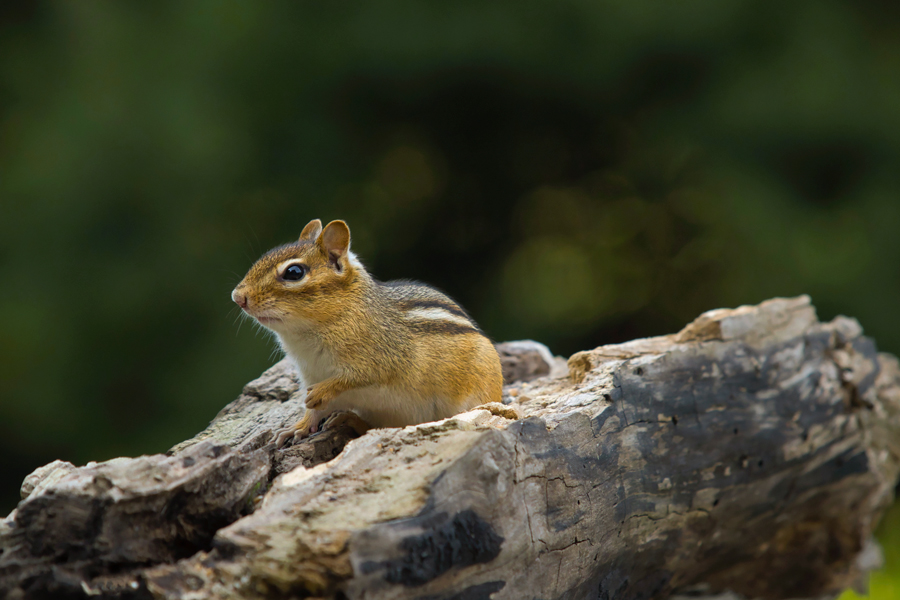
C 910
Chipmunk Control
This publication discusses several methods for controlling chipmunks, including exclusion, trapping, poison, repellents, and shooting.
|
-

C 1027-9
Garden Fencing
This publication describes options for fencing a community or school garden, including fence types and materials.
|
-

By their nature, pesticides are hazardous and demand cautious handling. When they are used properly, however, pesticides improve the quality of our food supply, protect our health and increase our comfort with little risk to the environment and non-target living things. The most important consideration for the safe, effective use of pesticides is to follow all label directions and safety precautions.
|
-
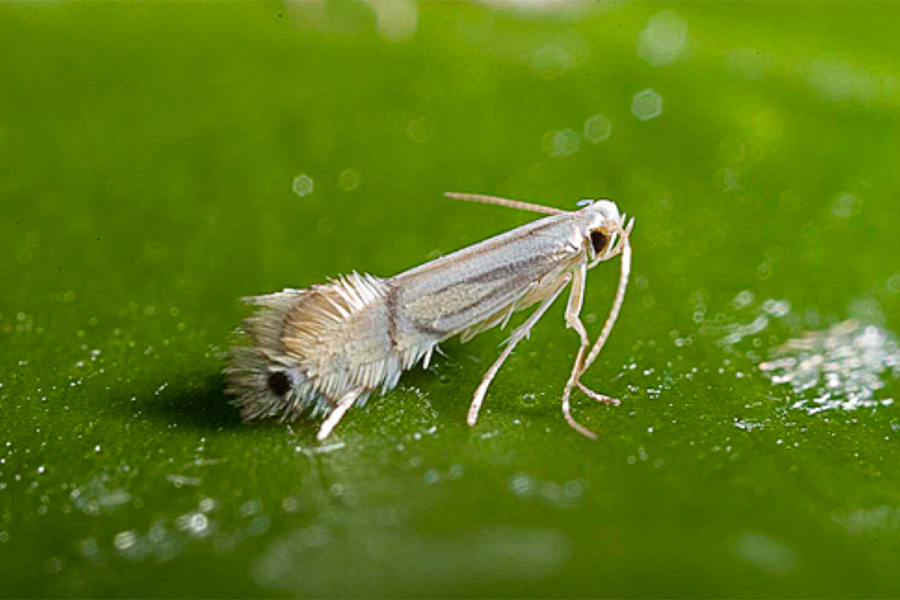
Citrus leafminer (Phyllocnistis citrella) is found in Georgia and states along the Gulf of Mexico. Leafminer damage to foliage can stunt the growth of young trees and make trees more susceptible to citrus canker where the pathogen is present. Mature trees can better tolerate the damage although heavy infestations may reduce production. This publication discusses the identification, chemical control, noninsecticidal control, and homeowner control options for citrus leafminers.
|
-
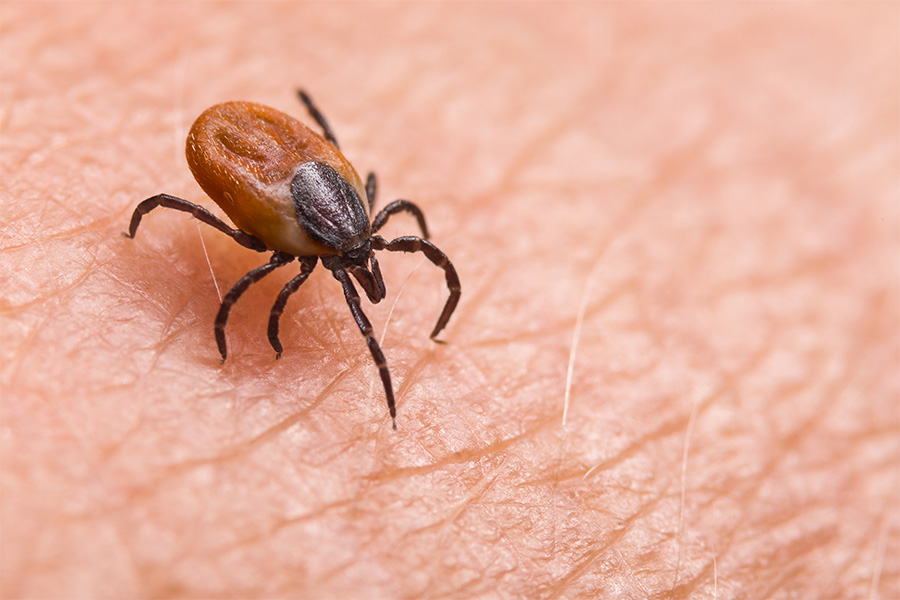
This publication discusses how to protect yourself and the areas around your home from ticks. It also includes information on common tick-borne diseases, such as Rocky Mountain Spotted Fever and Lyme disease.
|
-
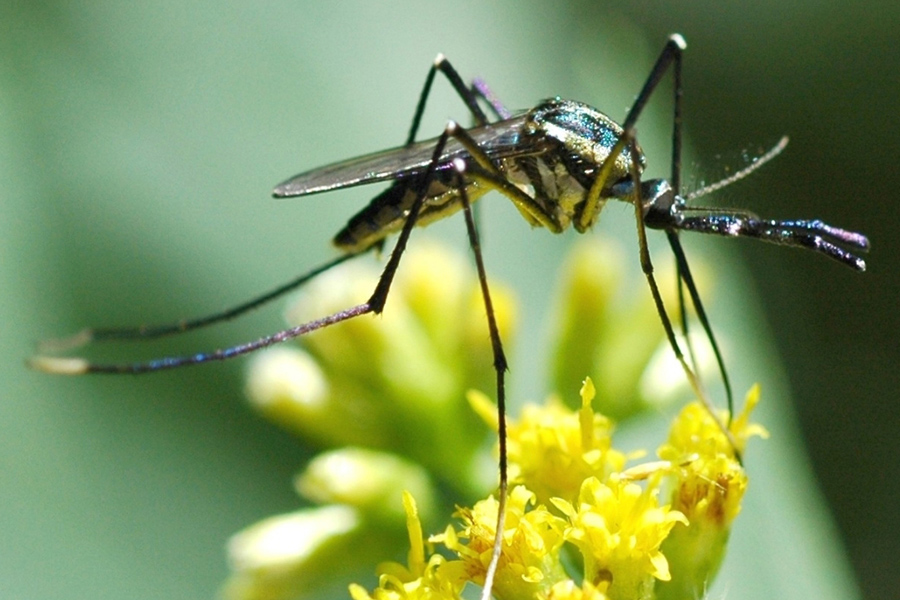
This publication contains descriptions and images, as well as methods of control, for common stinging and biting pests found in Georgia, including: bees, wasps, hornets, fire ants, scorpions, caterpillars, spiders, chiggers and flies.
|
-

Bermudagrass leafspot is a disease that decreases yields, nutritive value and palatability. This publication discusses leafspot diagnosis and management in bermudagrass.
|