Weeds, Diseases and Pests Resources
-
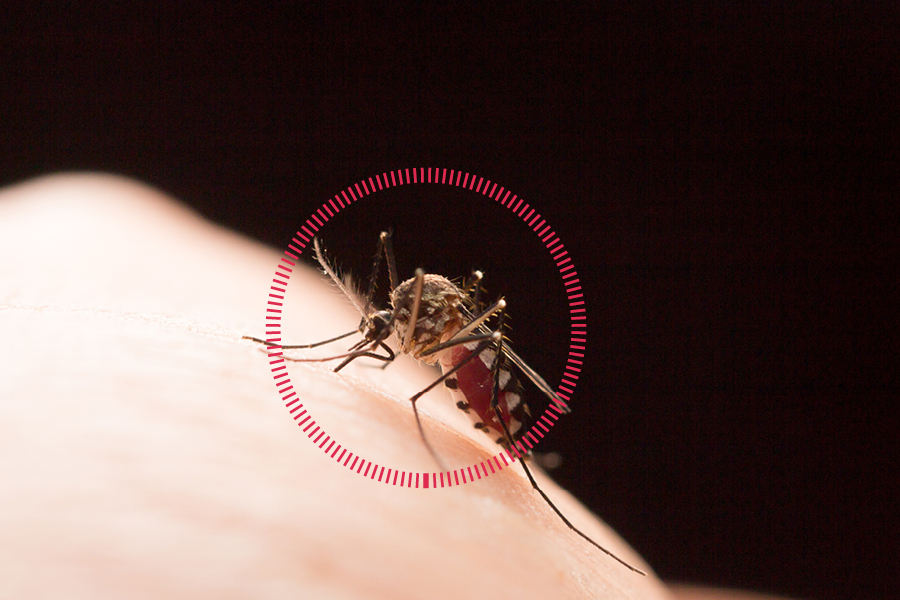
Mosquitoes are one of the most common insect pests that homeowners encounter. This circular introduces a few of the basic techniques and materials that homeowners can use to safely reduce mosquito populations around the home. Becoming familiar with mosquito biology is the first step in using an integrated pest management approach to efficiently and effectively reduce mosquito populations. By learning about mosquito biology, source reduction, surveillance and control, homeowners can become active participants in their own mosquito control program. An integrated approach is the most effective way for homeowners to reduce mosquito populations and reduce the need for pesticide applications in their community.
|
-

Los céspedes pueden ser atacados por agentes bióticos (vivientes) y abióticos (no-vivientes). Los agentes bióticos incluyen patógenos (hongos, bacterias, virus, citoplasma etc) y plagas como nematodos, insectos, ácaros, moluscos y vertebrados (roedores, pájaros etc.). Los factores abióticos incluyen: condiciones climáticas como las temperaturas extremas, el exceso o deficiencia de agua, luz o nutrientes, suelo compacto, sequía, estancamiento de agua y/o prácticas de cultivo adversas. Estos factores pueden ser el resultado de una interacción que ha existido por un periodo largo de tiempo entre la planta y uno o más factores como la falta de espacio para un crecimiento radicular óptimo, la presencia de niveles crónicos de contaminantes del aire o agua.
|
-

The silverleaf whitefly, also known as the sweet potato whitefly or Bemisia tabaci (Hemiptera: Aleyrodidae), attacks a wide range of plants, from ornamentals to warm-season vegetables. Whiteflies are active from mid-July to mid-October and are found gathered together on the underside of leaves during the daytime. Although 76 whitefly species are known to exist in the Southeastern U.S., only a few species cause serious problems in greenhouses and nurseries. These species include the greenhouse whitefly (Trialeurodes vaporariorum), banded wing whitefly (Trialeurodes abutiloneus), giant whitefly (Aleurodicus dugesii), citrus whitefly (Dialeurodes citri), cloudywinged whitefly (Dialeurodes citrifolii), and the silverleaf or sweet potato whitefly. Among several whitefly species, the silverleaf whitefly, particularly biotype B, is the most common and most destructive whitefly species in
nurseries in the Southeastern U.S.|
-
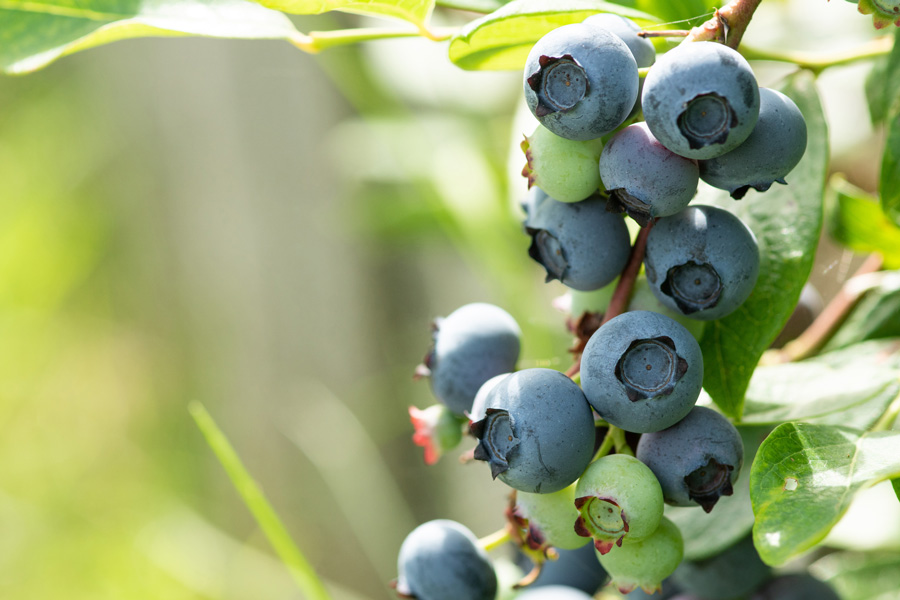
This publication provides updated (2023) Southeast-specific information on approved National Organic Program (NOP) disease and pest management options for blueberry production and addresses the issues most commonly encountered under the unique growing conditions of the Southeast U.S. This publication is not intended to provide all details on organic blueberry production, although it does include the production methods that reduce the impact of plant disease and pest issues. Emphasis in an organic system should be on cultural practices that reduce disease and pest pressure rather than pesticide applications. NOP-approved pesticides are usually less efficacious than conventional products. The pesticide label is the law and supersedes any information on pesticide use contained in this guide. Because environmental conditions and grower application methods vary widely, suggested use does not imply that performance of the pesticide will always conform to the pest control standards indicated by experimental data.
|
-
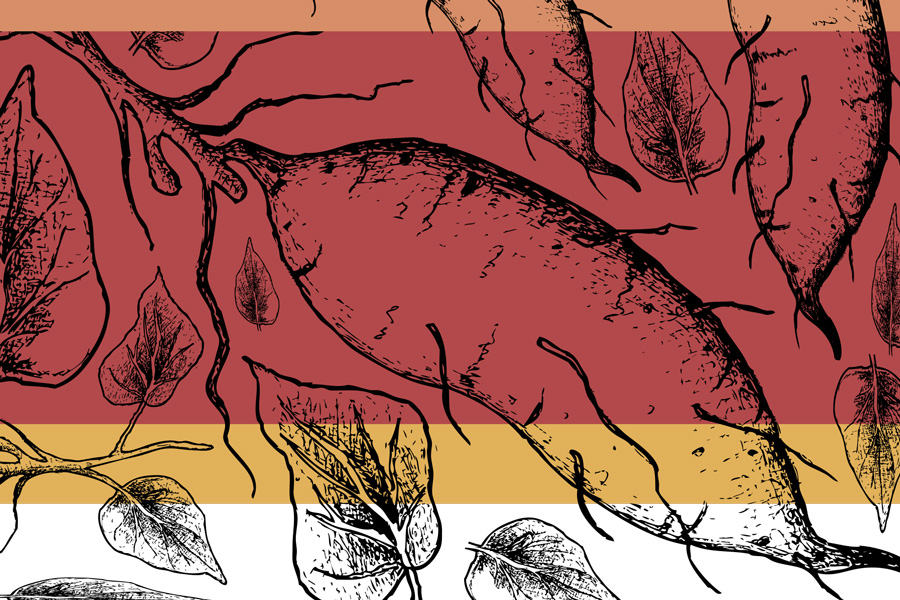
Sweet potatoes are members of the Convolvulaceae family, which includes morning glory. They are native to tropical America and are a perennial plant there. In more temperate regions such as the United States, they are frost-sensitive and grown as annuals. Sweet potatoes are grown for their edible root, which is often mistakenly called a tuber, like white or Irish potatoes (Solanum tuberosum). However, the edible portion of the sweet potato is a true root and will continue to enlarge as long as the plant continues to grow. Sweet potatoes have been grown by Native Americans in Mexico, Central America, Peru, Ecuador, and the U.S. for thousands of years. This bulletin is a comprehensive resource on the production, disease, insect, nematode and weed management of sweet potato.
|
-
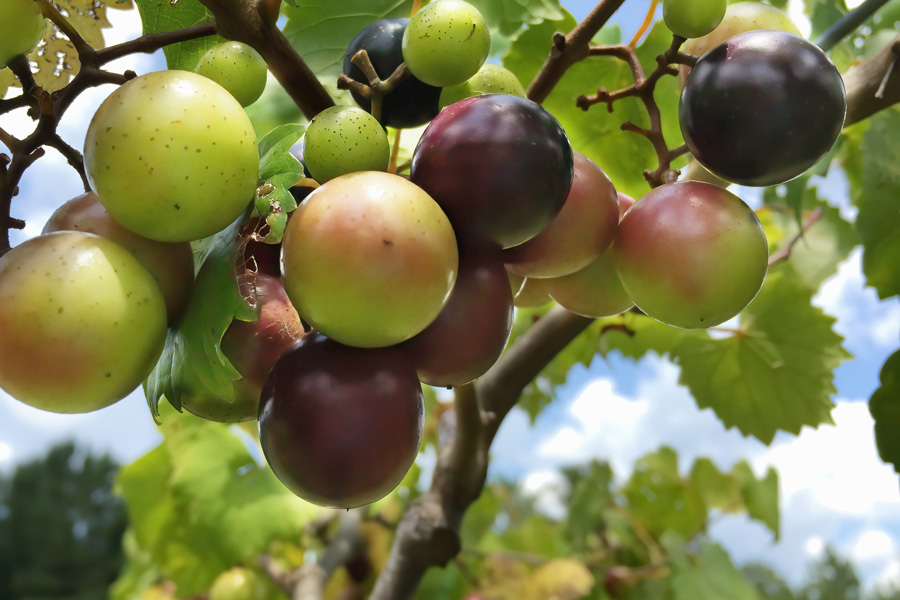
This 2023 update to the regional integrated pest management guide provides recommendations for muscadine grape production in the Southeastern U.S. Recommendations are based on information from the manufacturer’s label and performance data from research and Extension field tests. This publication is intended for use only as a guide. Specific rates and application methods are on the pesticide label, and these are subject to change at any time.
|
-
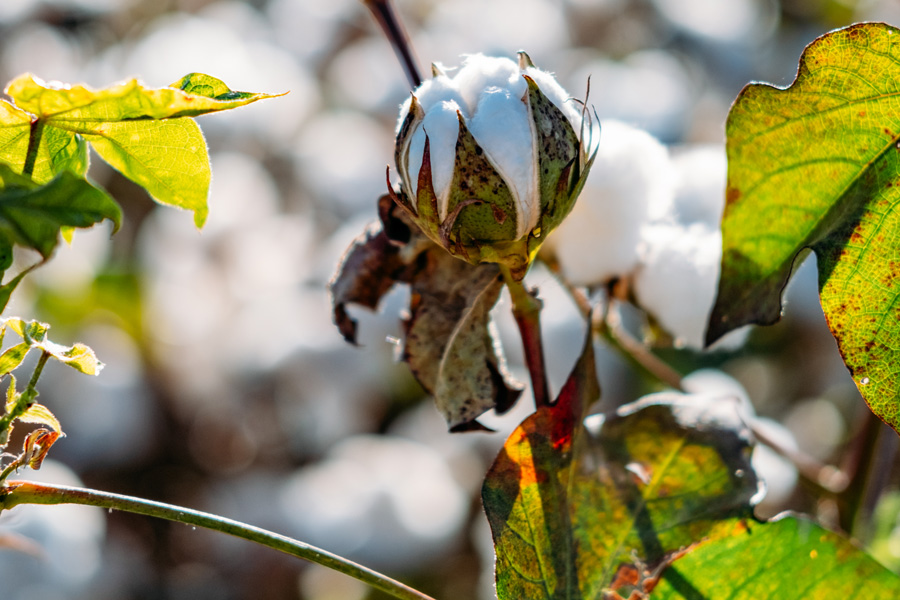
AP 124-3
2023 Georgia Cotton Production Guide
The 2023 edition of the cotton production guide provides an in-depth look at cotton production in Georgia and the Southeastern U.S. Issues discussed include economic outlook, fertility, weed management, insect management, disease and nematode management, irrigation decisions, precision ag technology, and general agronomics of the cotton crop (varieties, PGR applications, defoliation, etc.).
|
-
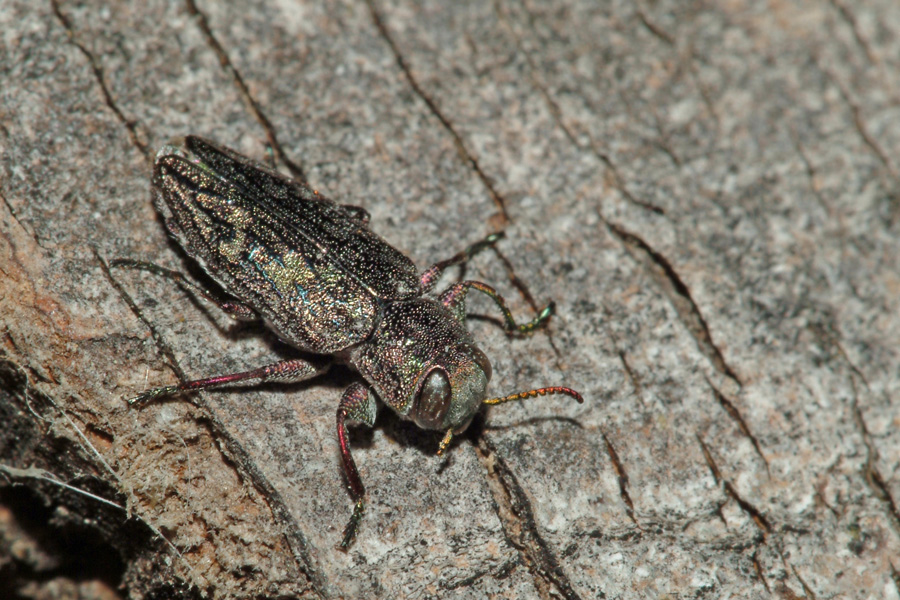
The flatheaded appletree borer is a polyphagous pest—so called because it feeds on multiple tree species—native throughout North America. Flatheaded appletree borers impact specialty crops such as fruit, nut, and ornamental trees. Nursery growers in Georgia face mild to moderate levels of infestation depending on the local beetle population size and favorable environmental conditions. Adult flatheaded appletree borers are metallic greenish-bronze and appear fattened in cross-section, which causes them to produce “D” or oval-shaped exit holes as they emerge from wood; these exit holes commonly are associated with buprestid beetles. The elytra or wing covers of flatheaded appletree borer adults have markings that appear as light-colored zigzagging bands. Larvae are cream-colored and have an enlarged, fattened thoracic segment behind the darker true head of the insect—this is what gives them the flatheaded name.
|
-
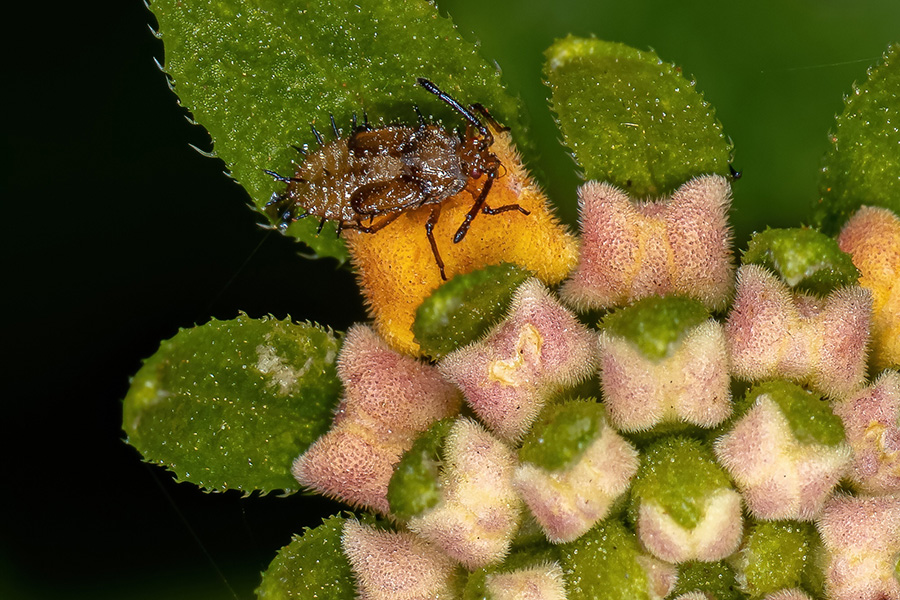
The lantana lace bug is a serious pest of lantana. Although lantana is regarded as an invasive weed both in the United States and worldwide, many popular cultivars continue to be planted in residential and public ornamental landscapes and gardens. Previously, the lantana lace bug was deliberately introduced to several countries as a biological control agent for lantana. This resource covers the identification, biology, symptoms, and management of lantana lace bugs.
|