Weeds, Diseases and Pests Resources
-

Tawny crazy ants have proven to be a major nuisance to Georgia residents. This publication helps readers identify these ants and provides guidance for pest management professionals to manage and eliminate them.
|
-

This publication will educate pest management professionals about pesticides and instill vigilance in their handling and use. In order to understand how to use chemical pest control products responsibly, PMPs must have a basic understanding of the various definitions associated with pesticides, be able to interpret labels and material safety data sheets (including principles of toxicity), be aware of their own
safety, understand the mode of action (i.e., how pesticides work) of the various active ingredients they use, and be aware of differences in formulation types.|
-
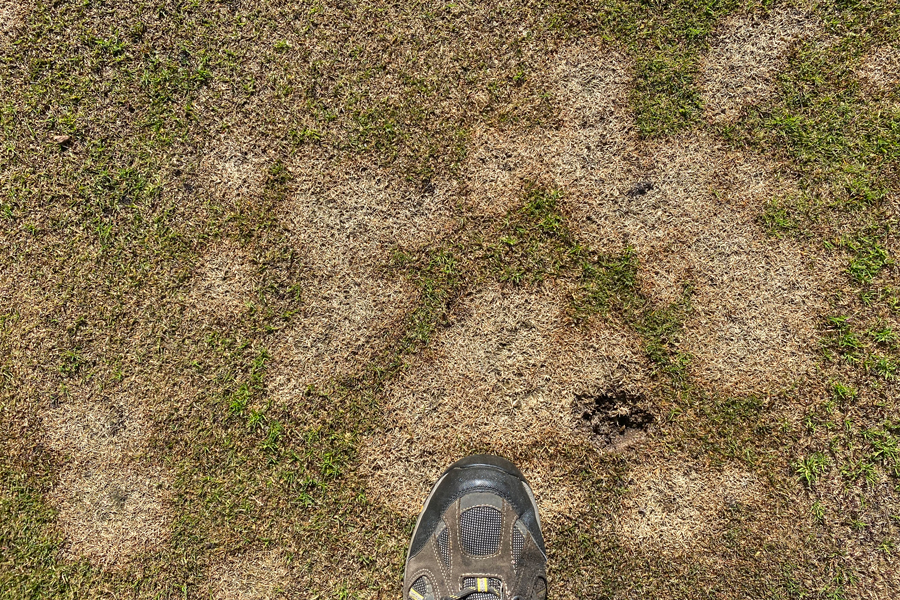
This publication contains information on Microdochium patch, an emerging disease in the state of Georgia. This circular contains the biology of the causal agent, as well as a detailed description of the disease symptoms (with detailed pictures), relevant up-to-date information on conditions favoring the disease, as well as cultural, genetic and chemical methods of control. The publication is aimed at turfgrass professionals, sod growers, consultants, county faculty, students, and the general public.
|
-
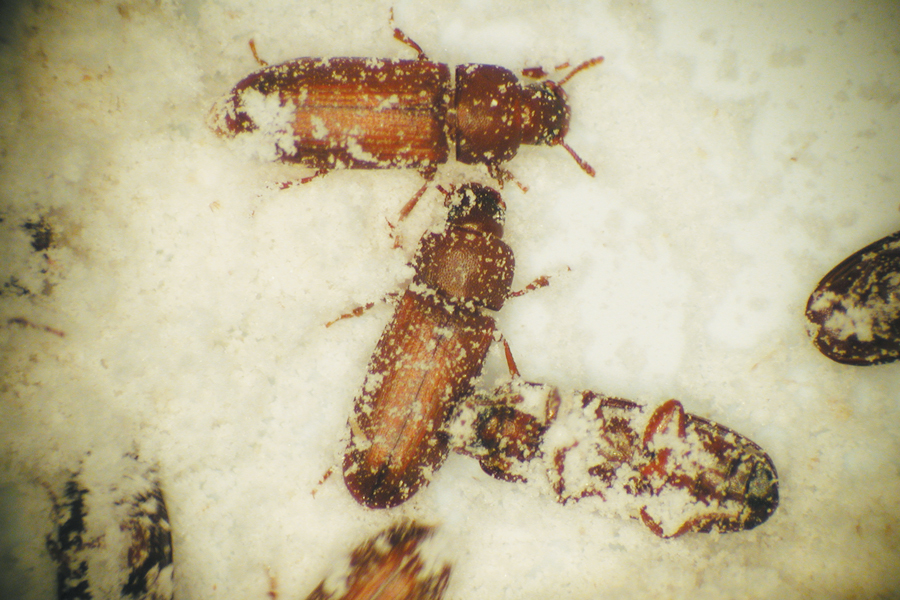
Several dozen insect species infest food and nonfood products of plant and animal origin commonly found in homes. Collectively, this group of insects is referred to as stored product pests. Most are small beetles or moths. For homeowners, often the first sign of a stored product pest infestation is the sudden, unexplained and then persistent presence of numerous insects in a particular area of the home.
|
-
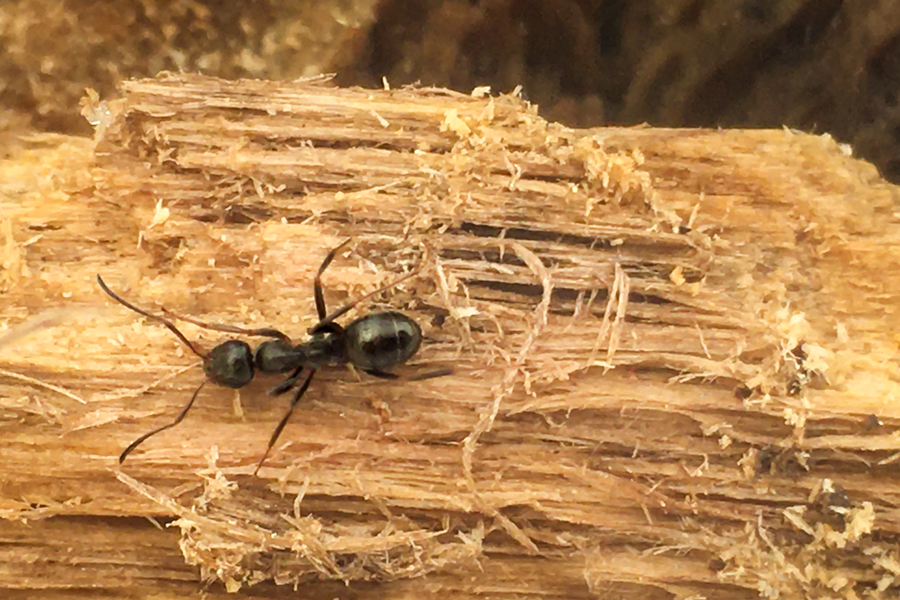
Carpenter ants are so-called because of their habit of chewing wood to create nest sites. They do not eat wood, like termites, but they excavate it with their strong, saw-like jaws to create random galleries where they nest. Carpenter ants are also a nuisance because of their abundance and large size.
|
-
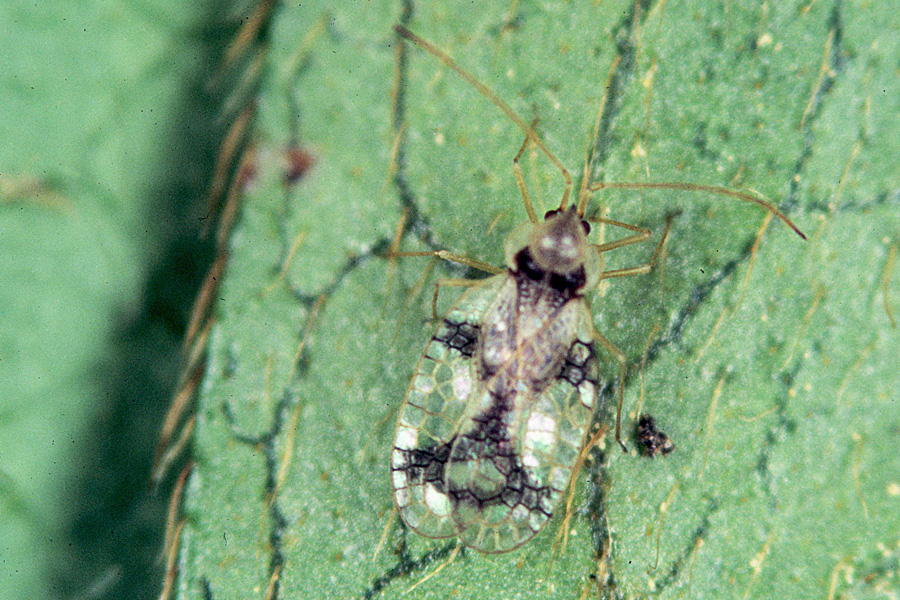
Many species of insects or mites attack Georgia landscape plants. Homeowners have difficulty controlling these pests because they often are not aware of the problem until both the infestation and the damage are extensive, or they may apply insecticides improperly or at the wrong time. Brief descriptions of major groups of pests (or the damage they cause) found on Georgia landscape plants are provided to assist with identification. Control strategies for these pests are presented in Table 1.
|
-
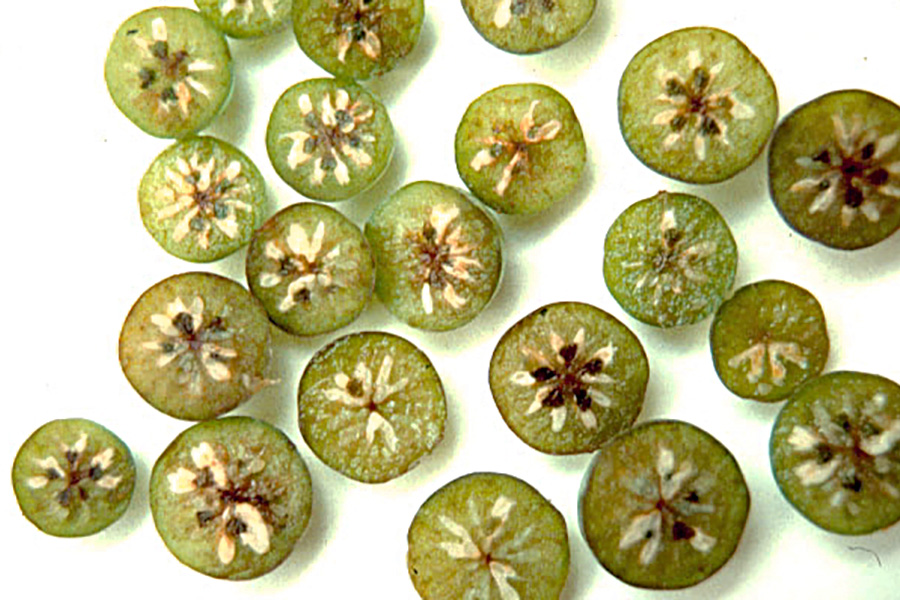
This publication is intended to be used as a pictorial diagnostic guide to identify the most common diseases seen on fruits grown in home landscapes, gardens, and/or orchards in Georgia. Use this guide as a supplemental resource and/or reference to the Homeowner Edition of the Georgia Pest Management Handbook.
|
-

This publication contains information on the most important and common diseases of oats, the biology of the causal agents, as well as a detailed description of the disease symptoms, relevant up-to-date information on conditions favoring the diseases, as well as cultural, genetic, and chemical methods of control. The publication is intended for producers, crop consultants, county faculty, students, and the general public.
|