Weeds, Diseases and Pests Resources
-

This publication provides a brief overview of the major regulatory agencies and highlights the rules that Georgia farmers should be aware of concerning storage tanks on their farms.
|
-

This video shows producers what to do about wildlife intrusion into produce fields, a common problem for fruit and vegetable growers that presents a food safety risk when fecal contamination occurs. It discusses best practices regarding no-harvest buffer zones (used when feces is present in the field), removal of in-field contamination, and worker training in several different scenarios.
|
-
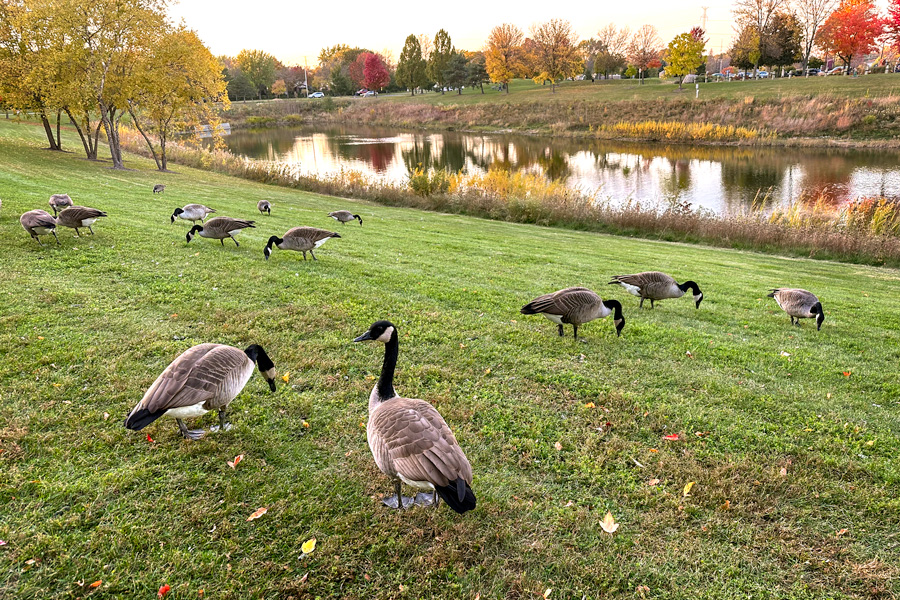
When wildlife populate a place where they are unwanted or cause damage to valuable plants or structures, they become a nuisance. This publication discusses some basic principles for dealing humanely with nuisance wildlife.
|
-
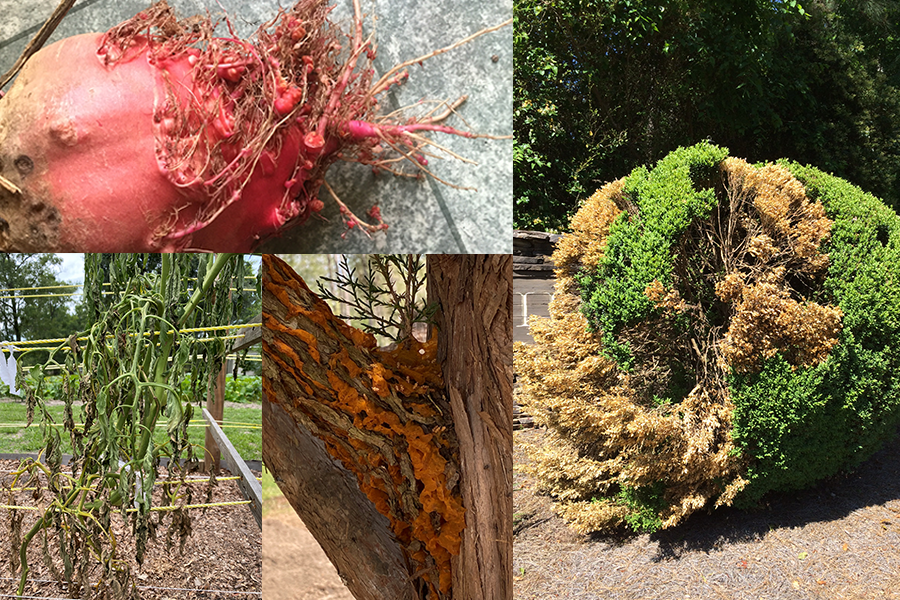
2021 plant disease losses, including control costs, amounted to an estimated $889 million. The value of the crops used in this estimate was approximately $7690 million, resulting in a 11.6% relative disease loss across all crops included in this summary. For most crops, the estimated values used to compute these disease losses are summarized in the UGA Center for Agribusiness & Economic Development’s “2021 Georgia Farm Gate Value Report” (AR-22-01). Some estimates for fruits, ornamentals, and turf rely on specialists’ knowledge of the industry and industry sources for information.
|
-
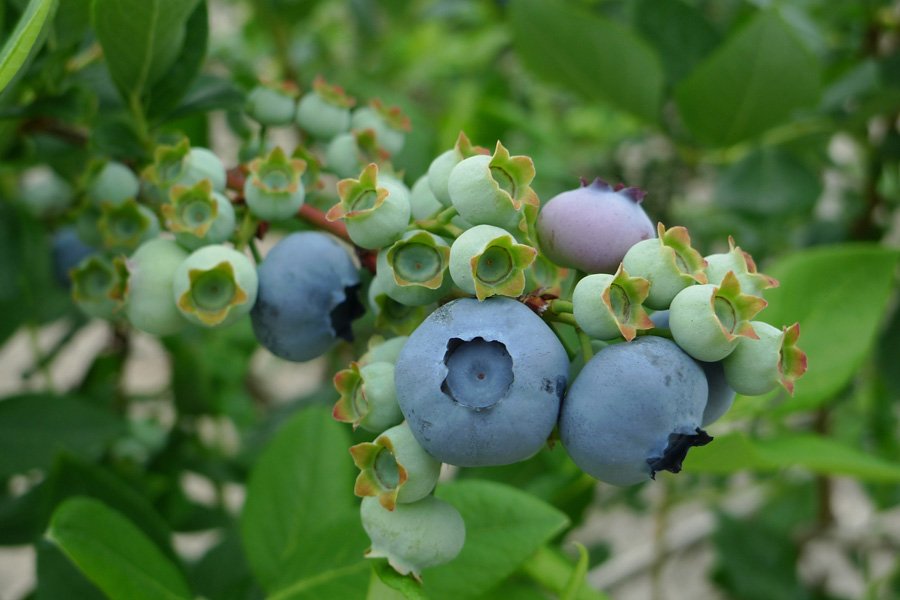
C 1278
Blueberry Production
This publication covers a brief history of the development of blueberries, plus general production requirements such as varieties, chill hours, soil considerations, etc. The southern highbush blueberry is a hybrid that requires fewer chill units compared to northern highbush types, allowing the state of Florida, southern areas, and Georgia to produce fruits in the U.S. market during March, April, and May. The development of southern highbush also has allowed the production of blueberries in countries such as Mexico and Peru.
|
-
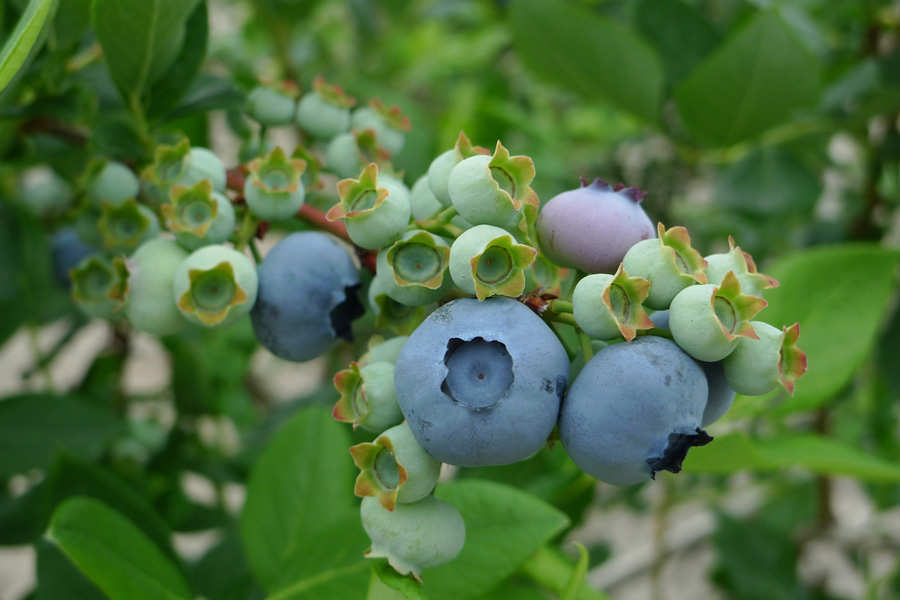
C 1278-SP
Los Arándanos y Su Producción
El arándano alto del sur, es un híbrido que requiere pocas horas de frio—una aproximación de cuantas horas la planta requiere estar expuesta a temperaturas de entre 32 a 45 °F para romper la dormancia y empezar iniciación floral—comparado con el arándano alto del norte. Por lo que permite al estado de Florida y áreas del Sur de Georgia posicionarse en el mercado estadounidense en los meses de Marzo, Abril y Mayo, y es el que ha permitido la producción de arándanos para exportación en países como México y Perú.
|
-

This is an annual report highlighting research conducted during 2021 and 2022 for Vidalia onions. Research topics include: variety trials, irrigation and fertilizer strategies, sulfur content in soils, effect of fertilizers on yield, thrips, factors affecting postharvest incidence of bacterial bulb rot, and Botrytis leaf blight.
|
-
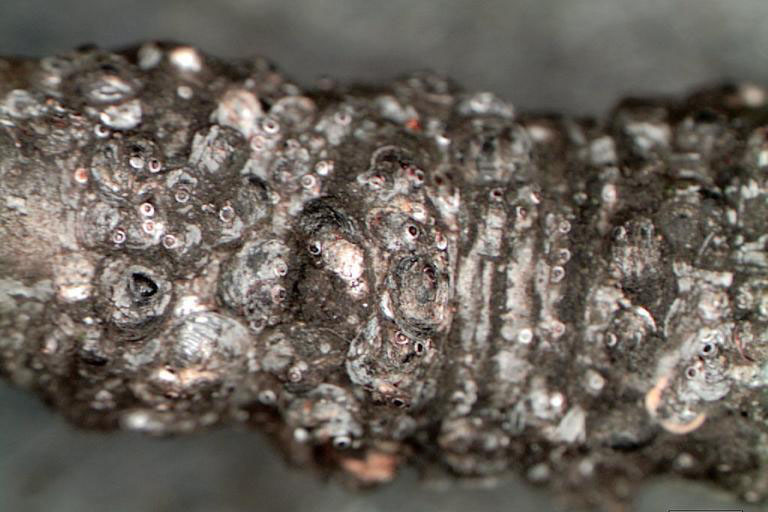
Gloomy scale is a serious insect pest that affects maple trees in urban Georgia, but it can go undetected for years. Affected trees can show branch dieback and canopy thinning after 6–10 years, when the population reaches extremely high densities. A waxy shield covering protects females from predators and insecticide exposure, and usually gives them a convex shape.
|
-
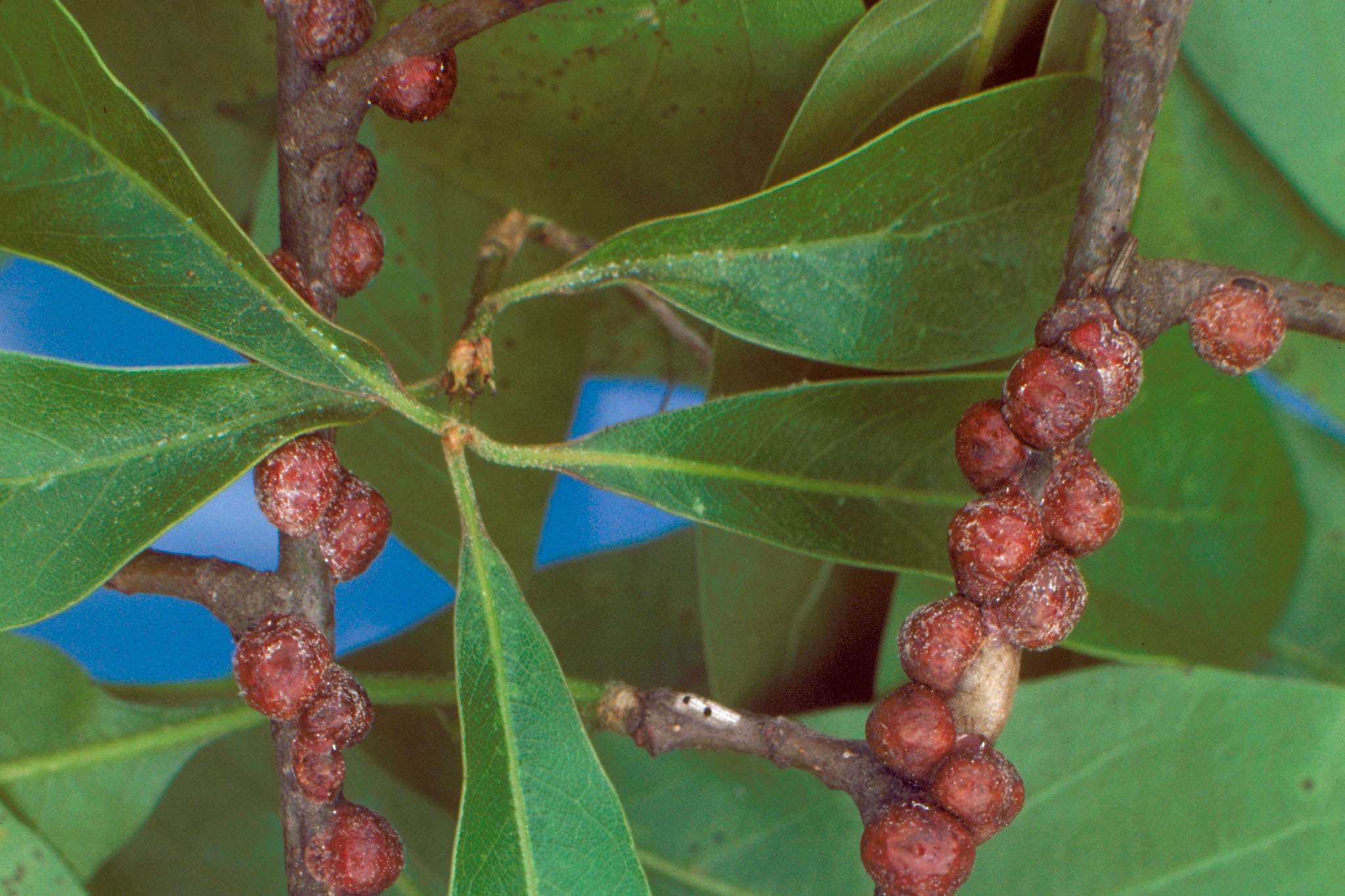
Oak lecanium, Parthenolecanium quercifex (Hemiptera: Coccidae), is a common soft scale insect pest of oak trees and other woody plants. They infest trees under high stress, such as those planted in parking lots, greenscapes, and other urban areas. Like other soft scale insects, oak lecanium scales feed on tree sap, and they excrete the excess sugars as honeydew. Sooty mold fungus grows on honeydew, and its black color blocks sunlight and interrupts photosynthesis. Although lecanium scales have little immediate impact on twigs and branches, extensive infestation and subsequent feeding damage may weaken or kill the tree over time. The problems with lecanium scale are worsened in urban landscapes where local temperatures are generally higher. Higher temperatures decrease the relative number of parasites that feed on scale insects, and the high densities of surviving females continue to produce viable eggs.
|